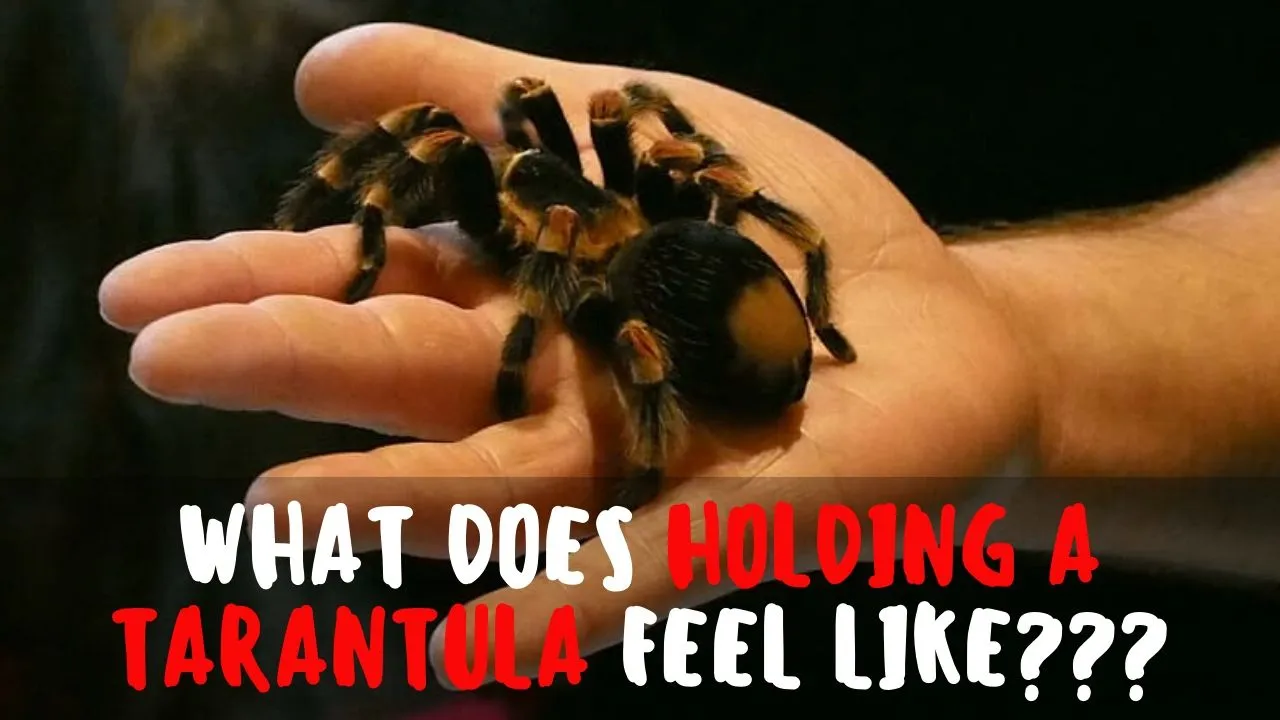
What Makes a Tarantula Happy?
Tarantulas, despite their intimidating appearance, are relatively simple creatures. Understanding their needs is the first step in ensuring your pet tarantula’s happiness. A happy tarantula is generally a healthy tarantula, exhibiting specific behaviors and characteristics that indicate their well-being. Providing the right environment, including appropriate temperature, humidity, and a suitable enclosure, is crucial. Proper nutrition, consisting of a balanced diet of insects, is also essential for their physical and emotional health. Observing these factors allows you to create an environment where your tarantula can thrive, making it easier to spot the signs of happiness. Remember, happy tarantulas are more likely to live longer, healthier lives, making the effort to understand their needs well worth it. A little observation goes a long way in determining if your tarantula is happy.
Understanding Tarantula Behavior
Tarantulas communicate primarily through their behavior. They don’t purr, wag their tails, or give you a friendly lick. Instead, their actions speak volumes about their current state. Learning to interpret these behaviors is key to determining your tarantula’s happiness. Subtle cues, such as their posture, activity levels, and feeding habits, can tell you a lot. A tarantula that is content will often display a relaxed posture, engage in normal activities like exploring their enclosure, and have a healthy appetite. On the other hand, a stressed or unhappy tarantula might exhibit defensive postures, refuse food, or become withdrawn. Close observation and understanding of these behavioral patterns are crucial for providing the best care and ensuring the well-being of your pet. This understanding enables you to identify any potential issues early on and take appropriate action.
Activity Levels

A happy tarantula tends to be moderately active, exploring its enclosure and exhibiting natural behaviors. This doesn’t mean they are constantly on the move; tarantulas are ambush predators and spend a lot of time in their burrows or hiding spots. However, a healthy tarantula will occasionally come out to explore, rearrange substrate, or simply move around their enclosure. If your tarantula consistently stays hidden, it could be a sign of stress or discomfort. Conversely, excessive pacing or restlessness can also indicate a problem. This could be due to environmental factors or underlying health issues. The ideal activity level involves a balance between exploration and rest, reflecting a tarantula that feels secure and content in its environment. Observing their activity patterns helps to assess their overall well-being. See the image above: ’tarantula-activity.webp’ which helps visualize a good state.
Eating Habits
A healthy appetite is a strong indicator of a happy tarantula. They should readily accept food, typically insects like crickets or roaches, based on their size and species. If your tarantula is consistently refusing food, it’s a potential red flag. This could be due to various factors, including stress, molting, or environmental issues. Before you worry, consider the tarantula’s age, species, and the frequency of feeding. Some species and ages may eat less often. Young tarantulas often have a heartier appetite than older ones. A tarantula preparing to molt might also refuse food. However, if the refusal persists for an extended period, it’s a sign that something might be amiss. Monitor their eating habits closely to ensure they are consuming the proper amount of food. A healthy appetite is a good sign of a happy and healthy tarantula, as shown in ’tarantula-eating.webp'.
Molting Behavior
Molting is a natural process for tarantulas, where they shed their exoskeleton to grow. A healthy molting process indicates that the tarantula is thriving. Before molting, a tarantula may become less active, stop eating, and appear lethargic. The actual molting process can take anywhere from a few minutes to several hours, depending on the size of the tarantula. After molting, the tarantula will be vulnerable and its new exoskeleton will be soft, and they will typically resume eating. However, a problematic molt, where the tarantula struggles to shed its skin, can be a sign of environmental issues like low humidity. Providing the correct environment will ensure they molt correctly. Observing your tarantula’s molting behavior is key to ensuring they are happy and healthy. See the image above: ’tarantula-molting.webp’ which explains the stage.
Body Language

Body language is a crucial indicator of a tarantula’s emotional state. A relaxed tarantula will typically have a normal posture, with its legs spread out comfortably. It may groom itself or explore its enclosure without any signs of stress. Defensive postures, such as raising its front legs, showing its fangs, or flicking hairs from its abdomen, are signs of distress or fear. A tarantula that is constantly in a defensive posture is likely unhappy. Other behaviors to look out for include hiding excessively, refusing to move, or making sudden, jerky movements. By observing their body language, you can gain insights into their feelings and overall well-being. Understanding these cues can assist in maintaining the proper environment. The image ’tarantula-body-language.webp’ shows different body postures.
Overall Appearance
The overall appearance of your tarantula can tell you a lot about its health and happiness. A healthy tarantula should have a plump abdomen (unless it is preparing to molt), clean legs, and a vibrant coloration. If its abdomen appears shrunken, or if the tarantula looks dull or listless, it could be a sign of underlying issues. Inspect the tarantula for any signs of parasites, injuries, or other abnormalities. Watch out for any unusual bumps, discoloration, or discharge. These could indicate health problems that require attention. A healthy appearance is a strong indicator of a tarantula that is thriving in its environment. Careful observation and recognizing the ’tarantula-appearance.webp’ is important to ensure its well-being.
What to Do if Your Tarantula Isn’t Happy
If you suspect that your tarantula is unhappy, it’s important to identify and address the underlying causes. Begin by carefully reviewing the environment and the care you are providing. Make changes based on your observations and the tarantula’s behavior. This could involve adjusting the temperature, humidity, or the type of food you’re offering. It might be necessary to consult with a veterinarian specializing in exotic animals or experienced tarantula keepers. Prompt action can often resolve the issues and help restore your tarantula’s well-being. If you are having troubles, then ‘unhappy-tarantula.webp’ provides you the visual cues.
Environmental Adjustments

The environment is paramount to a tarantula’s happiness. Start by ensuring the temperature and humidity levels are suitable for the species. Most tarantulas thrive in a temperature range between 75-85°F (24-29°C) and specific humidity levels that vary by species. Use a reliable thermometer and hygrometer to monitor these conditions. Make sure the enclosure is appropriately sized, providing enough space for the tarantula to move around and feel secure. The substrate should be appropriate for the species, allowing them to burrow if needed. Ensure there is a water source available at all times and remove any uneaten food promptly to prevent mold. Adjusting these environmental factors is often the first step in improving a tarantula’s well-being. In this case, see the image ’tarantula-environment.webp’ for the ideal setup.
Feeding Adjustments
Feeding is another crucial aspect of tarantula care. If your tarantula is not eating, there could be a few factors. First, ensure the food is the appropriate size and type for the species and life stage. Vary the diet; offering different insects like crickets, roaches, or mealworms can help stimulate their appetite. Ensure that the food is fresh and that you remove any uneaten insects within a reasonable time. Overfeeding can also be a problem; regulate the feeding frequency based on the tarantula’s age and species. Observe your tarantula’s feeding habits. If it is not eating, then review these conditions, and it might be a sign of a different underlying issue. Proper nutrition is a key factor in keeping your tarantula happy.