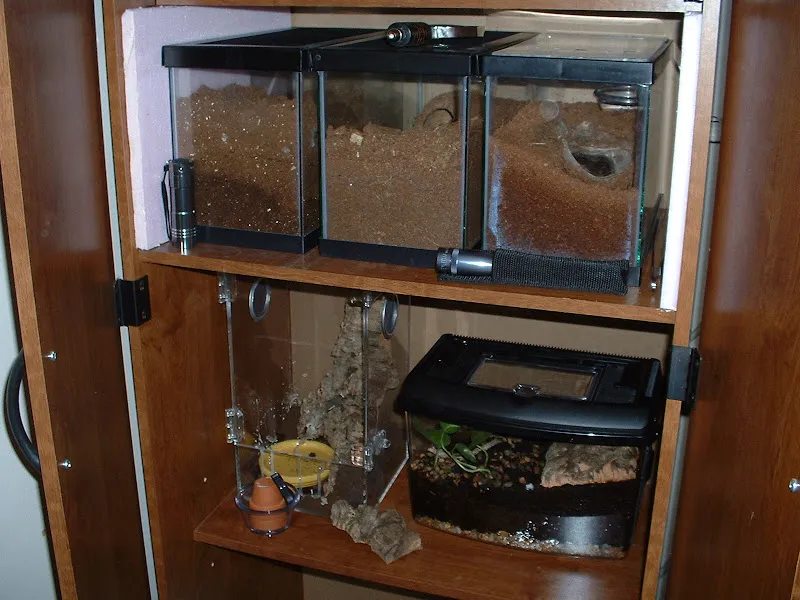
What is a Heat Cabinet Tarantula
A heat cabinet tarantula setup provides a controlled environment for these fascinating creatures, mimicking their natural habitat and ensuring their well-being. Heat cabinets are essentially enclosures designed to maintain specific temperature and humidity levels, which are crucial for tarantula health. They offer a stable climate, protect the tarantula from fluctuations in the external environment, and allow for better observation and care. This setup is particularly beneficial for species that require precise environmental conditions to thrive, such as those from tropical or subtropical regions. The use of a heat cabinet allows for a more immersive and controlled habitat compared to a simple terrarium, making it easier to monitor and adjust conditions as needed. Furthermore, heat cabinets can be customized to meet the specific needs of different tarantula species, making them a versatile choice for both novice and experienced keepers. Understanding the principles behind a heat cabinet setup is the first step in providing a healthy and enriching life for your tarantula.
Choosing the Right Heat Cabinet
Selecting the appropriate heat cabinet is vital for your tarantula’s health. There are several factors to consider, ensuring you provide a suitable environment. Start by assessing the size of your tarantula; a cabinet that is too small can restrict movement, while one that is too large may make it difficult to maintain the required temperature and humidity levels. Research the specific needs of your tarantula species, as different species have varying requirements. Consider the cabinet’s material and construction. Durable materials such as glass or acrylic are preferable, as they provide good insulation and are easy to clean. Ensure the cabinet has adequate ventilation to prevent the buildup of harmful gases and maintain proper humidity levels. Furthermore, consider the accessibility of the cabinet for feeding, cleaning, and observing your tarantula.
Size and Material

The size and material of the heat cabinet greatly influence the well-being of your tarantula. The size should comfortably accommodate the tarantula, allowing ample space for movement and the creation of a naturalistic environment, including substrate, hides, and water dishes. A good rule of thumb is to provide a cabinet that is at least three times the tarantula’s leg span in length and width, with enough height to prevent the tarantula from reaching the top and falling. As for materials, glass or acrylic cabinets are excellent choices. These materials are easy to clean, provide excellent visibility, and offer good insulation. Avoid materials that could be toxic to your tarantula or that are difficult to sanitize. The cabinet should also be sturdy and well-constructed to prevent escapes and withstand the wear and tear of daily use. The choice of size and material should be tailored to the specific needs of your tarantula species and your home environment.
Ventilation and Humidity
Proper ventilation and humidity control are critical aspects of a successful heat cabinet setup. Adequate ventilation prevents the buildup of stale air, harmful gases, and mold, which can be detrimental to your tarantula’s health. Ventilation also helps to regulate humidity levels, as excessive humidity can lead to fungal infections and other problems. A well-ventilated cabinet should have a system that allows for air circulation without compromising the required temperature and humidity. This can be achieved through strategically placed vents or mesh panels. Humidity levels are just as important; most tarantula species thrive in a specific humidity range, which you can maintain by misting the enclosure with water or using a humidifier. Use a hygrometer to monitor humidity levels accurately. The combination of good ventilation and controlled humidity creates an optimal environment for your tarantula, promoting its well-being and reducing the risk of health issues. Remember to adjust ventilation and humidity based on the specific needs of your tarantula species, as different species have varying preferences.
Setting Up Your Heat Cabinet
Once you’ve selected the right heat cabinet, setting it up correctly is the next essential step. Begin by choosing an appropriate location for the cabinet, away from direct sunlight and drafts, which can cause temperature fluctuations. Thoroughly clean and sanitize the cabinet before introducing any materials. The substrate is the foundation of your tarantula’s habitat, so choose a substrate that suits your species’ needs. Add essential equipment, such as a heat source and a water dish. The heat source, such as a heat mat or ceramic heat emitter, should be connected to a thermostat to regulate the temperature accurately. Place the water dish in a safe location where it won’t tip over and is easily accessible to the tarantula. Consider adding hides, such as cork bark or artificial plants, to provide your tarantula with a sense of security and a place to retreat. These elements combined create a functional and comfortable environment. The proper setup is crucial for your tarantula’s health and well-being. Regular monitoring and adjustments may be needed to maintain optimal conditions.
Substrate Selection

Selecting the right substrate is a fundamental part of a healthy heat cabinet setup. The substrate not only provides a surface for your tarantula to walk on but also plays a key role in regulating humidity and providing a natural environment. The ideal substrate should be non-toxic, retain moisture well, and allow your tarantula to burrow if it is a burrowing species. Common substrate choices include coconut fiber, peat moss, and a mixture of these materials. The depth of the substrate should be appropriate for the species, allowing burrowing tarantulas to create their homes comfortably. Always choose substrates that are free from pesticides and other harmful chemicals. Regularly inspect the substrate for mold or other signs of contamination, and replace it as needed to maintain a clean and healthy environment. The right substrate enhances your tarantula’s well-being and contributes to its overall health and happiness. Remember to research the specific substrate preferences for your tarantula species.
Temperature and Humidity Control
Accurate temperature and humidity control are essential for the health and well-being of your heat cabinet tarantula. Different tarantula species have specific environmental needs, so it is vital to understand these requirements. Use a thermostat to regulate the heat source, such as a heat mat or ceramic heat emitter, ensuring the temperature stays within the correct range for your species. Regularly monitor the temperature with a thermometer to ensure accuracy. Humidity levels can be controlled by misting the enclosure with water, using a humidifier, or adjusting the ventilation. A hygrometer is necessary for measuring humidity levels accurately. Place the thermometer and hygrometer in positions where they give accurate readings of the enclosure’s conditions. Make sure that you consistently monitor the temperature and humidity, making adjustments as necessary to maintain the ideal environment. Inadequate temperature or humidity can cause serious health issues for your tarantula. Consistent monitoring and adjustments will keep your tarantula thriving.
Essential Equipment
Equipping your heat cabinet with the right equipment is crucial for providing a suitable habitat for your tarantula. First and foremost, a reliable heat source is necessary. Heat mats, ceramic heat emitters, or heat lamps are common choices, but they must be regulated by a thermostat to prevent overheating. Thermometers and hygrometers are essential tools for monitoring the temperature and humidity levels accurately. A water dish is a necessity, providing a constant source of fresh water for your tarantula. The dish should be shallow to prevent drowning and easy for the tarantula to access. Consider providing hides, such as cork bark or artificial plants, which provide a sense of security and a place to retreat. Substrate is also essential, offering a surface for your tarantula to walk on and regulating humidity. Ventilation systems, like vents or mesh panels, are crucial for air circulation. With the right equipment, you can create an environment where your tarantula can thrive. Each piece of equipment plays a crucial role in maintaining the correct environmental conditions for your tarantula.
Caring for Your Heat Cabinet Tarantula

Providing the right care for your heat cabinet tarantula involves several important practices to ensure it lives a long, healthy, and fulfilling life. The first essential aspect of care involves regular feeding. Tarantulas are carnivores and should be fed an appropriate diet based on their size and species. Watering is another important aspect of care. Always ensure your tarantula has access to fresh water at all times. Maintain the correct humidity levels within the cabinet, as tarantulas need a certain amount of moisture to survive. Cleaning and maintenance are necessary to keep the environment clean and healthy. The enclosure should be spot-cleaned regularly to remove any uneaten food and waste. Handling should be done carefully, with gentle and slow movements to prevent frightening or hurting the tarantula. Regular and attentive care is the key to a healthy and thriving tarantula.
Feeding Your Tarantula
Feeding your tarantula is a key element of providing proper care. The frequency and type of food depend on the species, age, and size of your tarantula. Younger tarantulas typically require more frequent feedings than adults. Common food items include crickets, mealworms, roaches, and other insects. The size of the prey should be appropriate; it should be no larger than the tarantula’s body. Remove any uneaten food within 24 hours to prevent the build-up of bacteria. Some tarantulas may refuse to eat before molting, which is a natural process. Provide a varied diet to ensure your tarantula receives essential nutrients. Observe your tarantula’s feeding habits to determine if it’s eating properly and adjust accordingly. By offering the right food at the right intervals, you can ensure your tarantula remains healthy and active. Providing fresh, nutritious food is a cornerstone of responsible tarantula care. Be mindful of the size of the food and frequency of feeding.
Watering and Hydration
Proper hydration is vital for the health of your heat cabinet tarantula. Tarantulas need access to fresh water at all times. Use a shallow water dish to prevent drowning and to make it easy for the tarantula to drink. Fill the water dish with clean, dechlorinated water and replace it regularly to maintain freshness. In addition to a water dish, you can mist the enclosure with water to increase humidity, which is especially important during molting. Observe your tarantula and habitat to ensure the humidity levels are suitable. If the enclosure becomes too dry, the tarantula may have trouble molting, while excessive humidity can lead to fungal infections. If you are unsure, use a hygrometer to monitor the humidity. Always provide a constant supply of clean water. Consistent hydration, along with the right humidity, are important aspects of tarantula care. Maintaining the right humidity and ensuring the water dish is always full is a must.
Maintaining the Environment

Maintaining the environment within your heat cabinet tarantula setup is essential for the health and well-being of your pet. Regular cleaning and maintenance are critical to prevent the buildup of harmful bacteria, mold, and waste products. Spot-clean the enclosure at least once a week, removing any uneaten food, fecal matter, and other debris. The substrate should be replaced periodically; the frequency depends on the type of substrate and the size of the enclosure. Monitor temperature and humidity levels consistently and make necessary adjustments to ensure they remain within the appropriate range for your tarantula species. Ensure good ventilation to prevent the accumulation of stale air and harmful gases. Provide enrichment by adding items like hides, climbing structures, or other features that make the habitat stimulating. Regular monitoring and maintenance contribute to a healthy and happy tarantula. Your tarantula’s health depends on a clean, well-maintained enclosure. By adhering to these practices, you’ll create a thriving environment for your pet.
Cleaning and Maintenance
Regular cleaning and maintenance are paramount for maintaining a healthy environment for your heat cabinet tarantula. Spot-clean the enclosure at least once a week, removing any uneaten food, molted exoskeletons, and fecal matter. This helps to prevent the buildup of bacteria, mold, and other harmful substances. Replace the substrate periodically, depending on the type of substrate used and the size of the enclosure. Deep cleaning should be done less frequently, typically every few months, or as needed. During deep cleaning, remove the tarantula to a safe holding container, remove all substrate and decorations, and thoroughly clean the enclosure with a non-toxic disinfectant. Rinse the enclosure thoroughly to remove all traces of the disinfectant. Allow the enclosure to dry completely before reintroducing the substrate, decorations, and the tarantula. Regular maintenance prevents health issues and ensures your tarantula enjoys a clean and comfortable habitat. A clean environment supports your tarantula’s overall well-being and longevity.
Handling and Safety
Handling your heat cabinet tarantula requires caution and an understanding of its behavior to ensure both your safety and the tarantula’s well-being. Many tarantulas are docile and can be handled with care, but some species are more defensive. Before handling, research your species’ temperament. Always handle a tarantula close to the ground or over a soft surface to minimize the risk of injury if it falls. Avoid sudden movements, which could startle the tarantula. Allow the tarantula to walk onto your hand rather than trying to grab it. Never handle a tarantula if you are unsure about its behavior or if you are feeling anxious. After handling your tarantula, wash your hands thoroughly. Observe your tarantula’s behavior, and if it shows signs of stress, such as raising its front legs or flicking hairs, gently put it back in its enclosure. Your tarantula’s safety is important. Careful and informed handling practices are essential for a positive experience for both you and your pet. When handling your tarantula, move slowly and gently to avoid startling it.
Common Health Issues and Solutions

Like all pets, heat cabinet tarantulas can experience health issues. Recognizing the common problems and knowing how to address them is critical for responsible tarantula care. Some common issues include parasites, molting problems, and various infections. The key to addressing these issues lies in early detection and prompt action. Regular observation of your tarantula is essential. Learn to recognize the signs of illness, such as loss of appetite, lethargy, unusual postures, or changes in behavior. Provide a clean environment and the appropriate temperature and humidity to prevent many health problems. If you observe any signs of illness, seek the advice of a veterinarian experienced in the care of exotic animals. Early diagnosis and treatment can make a big difference in your tarantula’s health and recovery. A healthy tarantula starts with a knowledgeable owner. With proper care and attention, many health issues can be avoided. Always be proactive in protecting your pet’s health.
Recognizing Signs of Illness
Being able to recognize the signs of illness is essential for providing timely care for your heat cabinet tarantula. Look out for several key indicators that may signal a problem. Loss of appetite, or refusal to eat, can be a sign of illness or stress. Lethargy or reduced activity levels compared to the normal behavior of your tarantula may indicate a health issue. Changes in posture, such as unusual positioning of the legs or body, can also be a sign of a problem. Discoloration of the abdomen or other body parts should be examined. Observe any unusual behavior, such as twitching, tremors, or difficulty moving. Inspect the tarantula’s body for any signs of external parasites or injuries. If you observe any of these signs, it’s essential to isolate the tarantula and consult with a veterinarian experienced in tarantula care. Recognizing these signs early can greatly improve the outcome of any health issue.
Preventative Measures
Implementing preventative measures is critical for maintaining the health of your heat cabinet tarantula. Providing a clean and appropriately controlled environment is paramount. Maintain the correct temperature and humidity levels for the species, and always provide fresh water. Regularly spot-clean the enclosure to remove any uneaten food, waste, and other debris that could promote the growth of bacteria or parasites. Select high-quality, non-toxic substrate and replace it periodically to prevent contamination. Quarantine new tarantulas before introducing them to your collection to prevent the spread of any potential illnesses. Provide a varied diet to ensure your tarantula receives all the necessary nutrients. Minimize stress by providing plenty of hiding places and avoiding unnecessary handling. By taking these preventative measures, you can significantly reduce the risk of health problems and keep your tarantula thriving. Proper hygiene and consistent care are key to preventing potential health problems.
When to Seek Professional Help
Knowing when to seek professional help is a crucial aspect of responsible tarantula care. If you observe any signs of serious illness or injury in your heat cabinet tarantula, it is vital to consult with a veterinarian experienced in the care of exotic animals. Signs that warrant immediate professional attention include persistent loss of appetite, lethargy, unusual behavior, or any visible injuries. Also seek help if your tarantula exhibits difficulty molting, which can be a sign of underlying health problems. If you are unsure of the cause of a problem, do not hesitate to seek professional advice. A veterinarian can provide an accurate diagnosis and recommend the appropriate treatment. Early intervention can prevent the condition from worsening and significantly improve your tarantula’s chances of recovery. Your vet will advise you on how to keep your tarantula healthy. Always be prepared to consult a veterinarian for complex problems or conditions that require professional expertise.
Conclusion
Caring for a heat cabinet tarantula is a rewarding experience that requires dedication, knowledge, and attention to detail. From choosing the right setup to providing the right care, every step plays a role in the well-being of your tarantula. Understanding the specific needs of your tarantula species, maintaining a clean and controlled environment, and recognizing the signs of illness are all essential for providing a healthy and fulfilling life. Regular observation and proactive care, including proper feeding, hydration, and maintenance, will ensure your tarantula thrives. By following these guidelines, you can enjoy the unique companionship and fascinating behaviors of these amazing creatures for many years to come. This detailed guide offers the foundation of everything you need to know about providing the best care. Remember, responsible tarantula ownership is about providing a healthy, safe, and enriching environment.