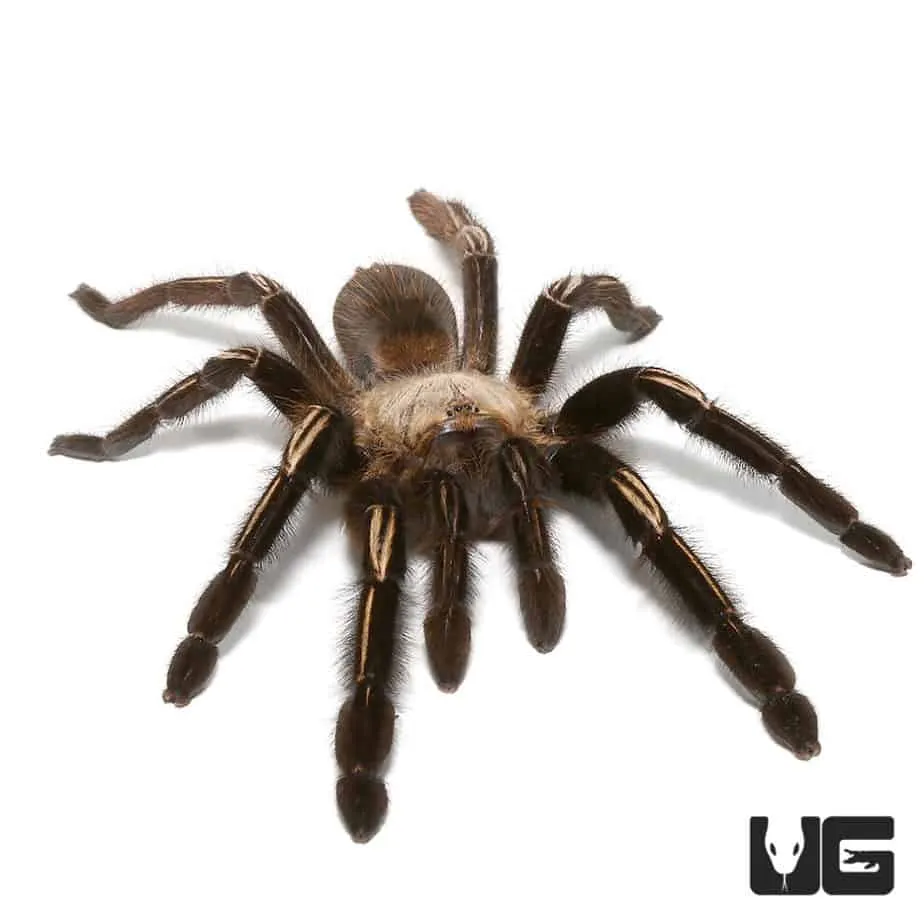
The Curious Case of Tarantula Legs
Tarantulas, those fascinating eight-legged arachnids, have captivated humans for centuries. But have you ever stopped to consider just how many legs a tarantula has, and what those legs do? This article dives deep into the world of tarantula anatomy, exploring the structure and function of these remarkable appendages. From the basic segmentation of their bodies to the specialized roles their legs play in survival, we’ll uncover the secrets behind these amazing creatures. Prepare to be amazed by the intricacies of the tarantula and the importance of its eight legs.
The Basic Anatomy of a Tarantula
Before we delve into the specifics of the legs, it’s helpful to understand the overall body plan of a tarantula. Unlike insects that have three main body segments (head, thorax, and abdomen), tarantulas have two primary body sections: the cephalothorax (also known as the prosoma) and the abdomen (opisthosoma). The cephalothorax is essentially the fused head and thorax, where the legs, pedipalps (small leg-like appendages near the mouth), and eyes are attached. The abdomen houses the digestive system, heart, and reproductive organs. This unique body structure is fundamental to understanding how the tarantula functions, including the role of its legs.
Body Segmentation of a Tarantula

The tarantula’s body, while appearing to have two main parts, is also internally segmented. The exoskeleton, or outer shell, provides support and protection but does not have the same flexibility as the internal soft tissues. Each segment plays a specific role in the spider’s survival. The fusion of the head and thorax into the cephalothorax is a key evolutionary adaptation, providing increased strength and efficiency. This is where all the sensory inputs from its surrounding come from, which helps them sense vibrations and changes in air pressure.
Understanding the Eight Legs
The most striking feature of a tarantula, aside from its size and sometimes striking colors, is its eight legs. These legs are not merely for walking; they are versatile tools that aid in a variety of activities, including sensing the environment, climbing, and capturing prey. Each leg is composed of multiple segments connected by flexible joints, giving the tarantula remarkable agility and dexterity. The structure of these legs allows it to traverse diverse terrains, from smooth surfaces to rough, uneven ground. The legs are covered in tiny hairs and claws, providing exceptional grip and traction.
Leg Structure and Function
Each tarantula leg consists of seven segments: the coxa, trochanter, femur, patella, tibia, metatarsus, and tarsus. The coxa connects the leg to the body, the trochanter acts as a small connecting segment, the femur is often the largest segment, the patella is the ‘knee’, the tibia is the long segment below the knee, the metatarsus is another smaller segment, and the tarsus is the ‘foot’, which contains the claws. Sensory hairs, called setae, cover the legs and are used to detect vibrations, air currents, and even chemical signals, providing the tarantula with crucial information about its surroundings.
Tarantula Leg Facts

The tarantula’s legs are not just for locomotion; they serve various other functions that are crucial for its survival. The legs help with balance, sensing the environment, and, of course, capturing prey. The legs also have sensory structures and are vital to the tarantula’s survival. The tarantula uses its legs for burrowing, which some species do to create a safe haven. These functions demonstrate the incredible versatility of these appendages, making them integral to the tarantula’s success in its environment. The leg structure has the ability to help with sensory information as well.
Leg Regeneration in Tarantulas
One of the remarkable abilities of a tarantula is its capacity for leg regeneration. If a tarantula loses a leg, either through an injury or during a molt, it can regrow the appendage over several molts. The new leg, however, may not be as large or fully functional as the original. Leg regeneration is a slow process, and the new leg will increase in size with each molt. Although the regenerated leg may not fully match the other legs, it still helps the tarantula to move, hunt, and climb. The regenerative ability is not just limited to legs; they can regrow pedipalps as well.
Molting and Leg Growth
Tarantulas, like all arthropods, have an exoskeleton that does not grow. Therefore, they must shed their exoskeleton in a process called molting to grow. The old exoskeleton splits open, and the tarantula emerges, leaving behind its old shell. The new exoskeleton is soft, and the tarantula is vulnerable until it hardens. During the molting process, the tarantula is also able to regenerate lost limbs, a unique capability amongst animals. The growth process is closely linked to molting, which is when the tarantula can get bigger.
Leg Use and Tarantula Behavior

The tarantula’s legs are indispensable for various aspects of its behavior, including movement, hunting, and even mating. The size, shape, and sensory abilities of the legs are adapted to the tarantula’s specific lifestyle, whether it is a burrowing species or a tree-dwelling one. The legs also play a role in courtship rituals, with males often using their legs to tap or strum, creating vibrations to attract a mate. These behaviors highlight the essential role of the legs for the tarantula.
Walking and Climbing
Tarantulas are skilled walkers and climbers, utilizing their legs to navigate a variety of terrains. The claws on their feet provide grip on smooth surfaces, while the hairs on their legs help them maintain balance. The tarantula can also use its legs to scale vertical surfaces. Their walking gait is quite graceful, and they can move quickly when necessary. The ability to move effectively is vital for the tarantula, whether it is for foraging, escaping predators, or finding a mate.
Hunting and Prey Capture
Tarantulas are primarily ambush predators, using their legs to detect the vibrations of potential prey. When prey comes close enough, the tarantula quickly pounces, using its fangs to inject venom. The legs help to secure and manipulate the prey. The claws on the feet assist in grabbing onto the prey. The tarantula’s legs also allow them to move into striking range and help with the capture. They also use their legs to hold the prey in place while feeding. The sensory hairs on the legs play a key role in detecting the presence of prey.
Eight Legs and Beyond

The tarantula’s eight legs are essential for survival, providing locomotion, sensory input, and aid in hunting and defense. Understanding the structure and function of the tarantula’s legs is vital to understanding the tarantula itself. The evolution of tarantula legs showcases a remarkable adaptation that has allowed this arachnid to thrive in a range of environments, becoming one of the most successful predators in its world. Tarantulas are also able to utilize their eight legs to their advantage.
Common Misconceptions about Tarantula Legs
One common misconception is that all tarantula legs are the same. However, the size, shape, and even the presence of certain features like hooks or spurs can vary between different species and depend on their particular environment. Another misconception is the idea that tarantulas are always aggressive and use their legs to attack. While they can use their legs for defense, they generally prefer to flee from danger. Another is that their legs are fragile, but the fact is the legs are quite strong and can support the spider’s weight and help them traverse many terrains.
The Importance of Leg Care
Leg care is essential for a tarantula’s health and survival. Providing a clean and safe habitat helps to prevent injuries and infections. The tarantula’s legs should be well-maintained. Proper humidity levels are also important, as they can help keep the exoskeleton from drying out and cracking. Regular observation can help to detect any leg problems, such as injuries or infections. If a tarantula loses a leg, it’s essential to ensure that its environment is safe and that it is provided with adequate care while it regenerates the lost limb.