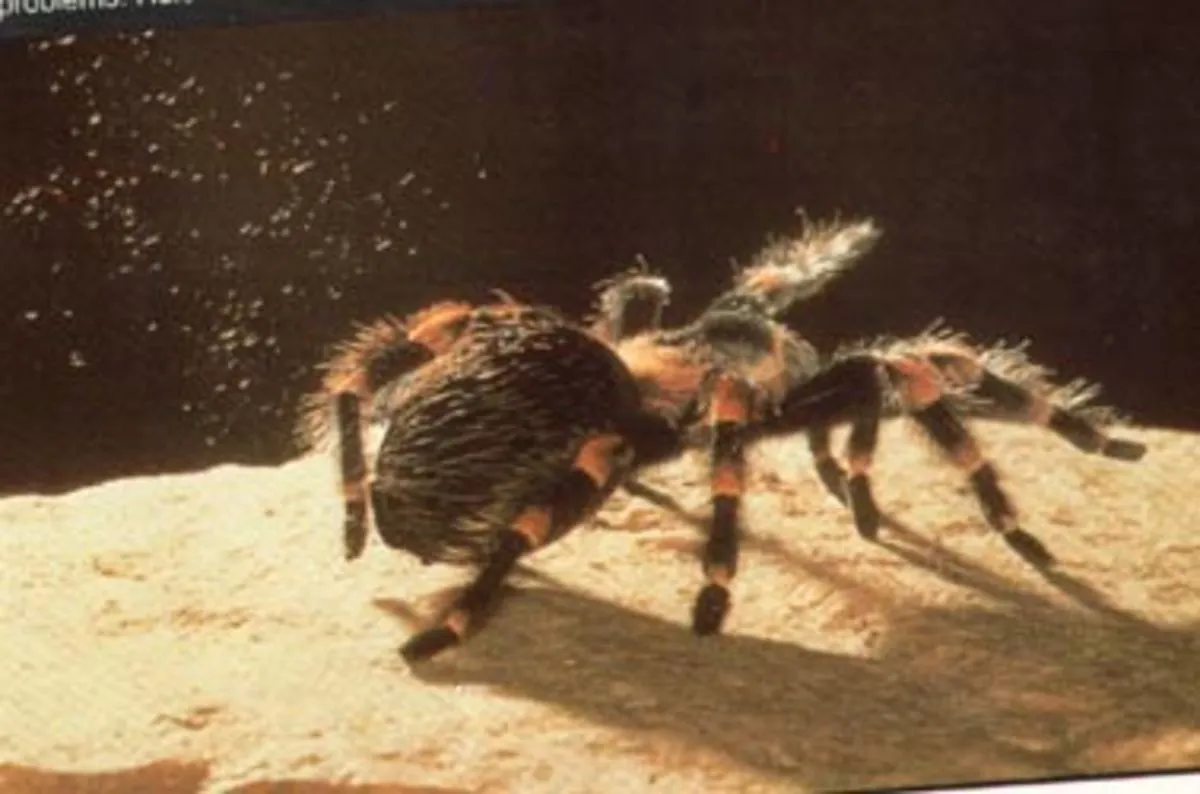
What Happens When a Tarantula Bites You?
Being bitten by a tarantula, though often not life-threatening, can be an unpleasant experience. The bite itself is a defensive mechanism, and tarantulas, unlike some other spiders, don’t typically inject a large amount of venom. However, the experience can vary based on several factors, including the tarantula species, the individual’s sensitivity, and the location of the bite. Understanding the physical sensations and what to expect can help you manage the situation effectively and seek appropriate medical attention if necessary. It’s essential to remain calm and assess the situation to ensure your safety and well-being after being bitten by a tarantula.
The Physical Sensations of a Tarantula Bite
The immediate physical sensations of a tarantula bite can vary, but several common experiences are often reported. These sensations can range from mild discomfort to more noticeable reactions, and the intensity can depend on the individual’s sensitivity and the specific spider involved. Knowing what to expect can help you respond appropriately and minimize any potential negative effects of the bite. It’s always advisable to monitor the affected area and consult with a healthcare professional if you have any concerns or if symptoms worsen.
The Initial Puncture

The initial sensation when a tarantula bites is often described as a sharp, stinging pain, similar to a bee sting. This is due to the tarantula’s fangs, which are designed to pierce the skin. The depth of the puncture can vary depending on the size of the tarantula and the location of the bite. The initial pain might subside relatively quickly, but it’s often followed by other sensations that contribute to the overall experience of the bite. This initial feeling serves as a warning, and quick action may be needed to minimize its impact.
The Burning Sensation
Following the initial sting, a burning sensation is commonly reported. This burning feeling is often localized to the bite area and can be accompanied by redness and warmth. It is thought to be a reaction to the venom, though tarantula venom is generally not highly toxic to humans. The intensity of the burning can vary, ranging from mild discomfort to a more pronounced burning sensation that lasts for several hours. Applying a cold compress to the area can often help alleviate this symptom and reduce inflammation.
The Itchiness and Irritation
Itching is another common symptom, often starting a few hours after the bite and potentially lasting for several days. This itchiness is due to the body’s immune response, causing an inflammatory reaction at the bite site. Scratching the area can worsen irritation and increase the risk of secondary infection. Antihistamine creams or oral medications may help alleviate the itching. It’s crucial to keep the area clean and avoid scratching to prevent complications.
The Duration of the Discomfort

The duration of the discomfort can vary. Some individuals might experience symptoms that last only a few hours, while others might feel the effects for several days. The severity of the reaction, the individual’s sensitivity, and the amount of venom injected all play a role in the duration. Most symptoms, such as pain, redness, and itching, typically subside within a few days. If symptoms persist or worsen, it’s important to seek medical advice to rule out any complications or other issues.
Factors Influencing Bite Severity
Several factors can influence the severity of a tarantula bite, impacting the overall experience and the need for medical attention. These factors relate to the tarantula itself, the individual who was bitten, and the environment where the bite occurred. Understanding these factors can help you to better assess the potential risks and take appropriate measures to ensure a safe and appropriate response. Being aware of these aspects helps in a proper assessment of the severity of the bite.
Tarantula Species
Different tarantula species have varying venom compositions and fang sizes, which can affect the severity of the bite. Some species have more potent venom than others, though the venom of most tarantulas is not considered highly toxic to humans. Additionally, the size of the tarantula and the length of its fangs can influence the depth of the puncture and the amount of venom injected. For example, larger tarantulas with longer fangs may cause a deeper bite with more intense initial pain. Consider the species involved when assessing the potential impact of a bite, as some species may present a higher risk than others.
Allergies and Sensitivities
An individual’s allergies and sensitivities can significantly impact the reaction to a tarantula bite. Those who are allergic to insect venom might experience a more severe reaction, including increased swelling, difficulty breathing, and other systemic symptoms. Such individuals should seek immediate medical attention if they suspect an allergic reaction. Even without a pre-existing allergy, some people may be more sensitive to tarantula venom than others, which can lead to more pronounced local reactions. Individuals with sensitivities should carefully monitor their symptoms and seek medical advice if necessary.
Location of the Bite
The location of the bite on the body can also influence the severity of the reaction. Bites on sensitive areas, such as the face or neck, might cause more significant swelling and discomfort. Bites near joints can also restrict movement and exacerbate pain. Additionally, the location of the bite can affect how quickly the venom spreads and how effectively the body can respond. Pay close attention to the bite site, looking for signs of inflammation, and monitor the movement of the affected area. Seeking medical advice, if necessary, can help minimize the potential effects of the bite.
Comparing Tarantula Bites to Other Bites
Understanding how tarantula bites compare to other types of bites can provide valuable context. Comparing the symptoms, potential dangers, and treatment options can help you differentiate between various bites and take appropriate action. This comparison can also clarify misconceptions and help to clarify the potential risks associated with tarantula bites.
Spider Bites vs. Insect Bites

Spider bites, including those from tarantulas, often have unique characteristics compared to insect bites. Spider bites, as with tarantula bites, generally cause localized pain and swelling. Insect bites, such as mosquito bites or bee stings, frequently cause itchiness, redness, and swelling. The presence of puncture marks, the nature of the localized symptoms, and the overall appearance of the bite site can provide clues to distinguish between insect and spider bites. Insect bites also tend to cause itching and irritation, whereas spider bites can range from mild to more intense pain, depending on the spider species and the individual’s reaction. Identifying the type of bite can guide proper treatment and management.
Venomous vs. Non-Venomous Bites
It’s essential to distinguish between venomous and non-venomous bites. Tarantulas are venomous, but their venom is generally not highly toxic to humans. Bites from venomous spiders, like the brown recluse or black widow, can cause more severe symptoms, requiring immediate medical attention. Non-venomous bites may cause localized irritation and mild discomfort but usually do not lead to systemic reactions. Knowing the difference between the type of bite can help you assess the risk and respond appropriately, seeking medical attention only if needed.
How to Handle a Tarantula Bite
Knowing how to handle a tarantula bite can help reduce discomfort and potential complications. Proper first aid and a responsible approach can minimize the effects of the bite and ensure your safety. Understanding the steps to take immediately after being bitten and knowing when to seek medical advice will ensure proper care.
Immediate First Aid

If you are bitten by a tarantula, start with immediate first aid measures. First, remain calm and move away from the tarantula to prevent further bites. Then, gently wash the bite area with mild soap and water. Apply a cold compress to the bite area to reduce pain, swelling, and inflammation. Over-the-counter pain relievers, such as ibuprofen or acetaminophen, can help manage the pain. Ensure that the bite is kept clean to minimize the risk of infection. Monitor your symptoms closely, watching for signs of an allergic reaction or other complications.
When to Seek Medical Attention
While most tarantula bites are not life-threatening, some situations warrant immediate medical attention. Seek medical help if you experience difficulty breathing, chest pain, or other signs of a severe allergic reaction. If the bite area becomes increasingly swollen, red, or if you experience any signs of infection (such as fever, pus, or increased pain), consult a doctor immediately. If you develop any systemic symptoms, such as muscle cramps, nausea, or vomiting, seek medical advice. Early intervention can prevent complications and ensure the best possible outcome.
Preventing Tarantula Bites
Preventing tarantula bites is essential, especially for those who live in areas where tarantulas are common, or for those who keep them as pets. Taking the right precautions can significantly reduce the risk of being bitten. A preventative approach is more effective than dealing with the aftermath of a bite. Implementing these strategies will help to minimize potential encounters with tarantulas and ensure your safety.
- Handle with Care: When handling tarantulas, use appropriate tools, such as tongs, and avoid direct contact. Handle them only when necessary and always in a safe environment.
- Wear Protective Gear: Wear gloves and long sleeves when handling or working around tarantulas. This provides a protective barrier and reduces the risk of bites.
- Safe Enclosures: Ensure that tarantula enclosures are secure and well-maintained to prevent the spiders from escaping. Regularly inspect the enclosures for any damage.
- Educate Yourself: Learn about the tarantula species in your area and understand their behavior. Knowing how they behave will allow you to anticipate and avoid potential encounters.
- Avoid Provocation: Never provoke or harass tarantulas. Avoid touching or approaching them in their natural habitat, as this increases the risk of a defensive bite.
- Supervise Children: Always supervise children around tarantulas. Teach them about the dangers and importance of keeping a safe distance.