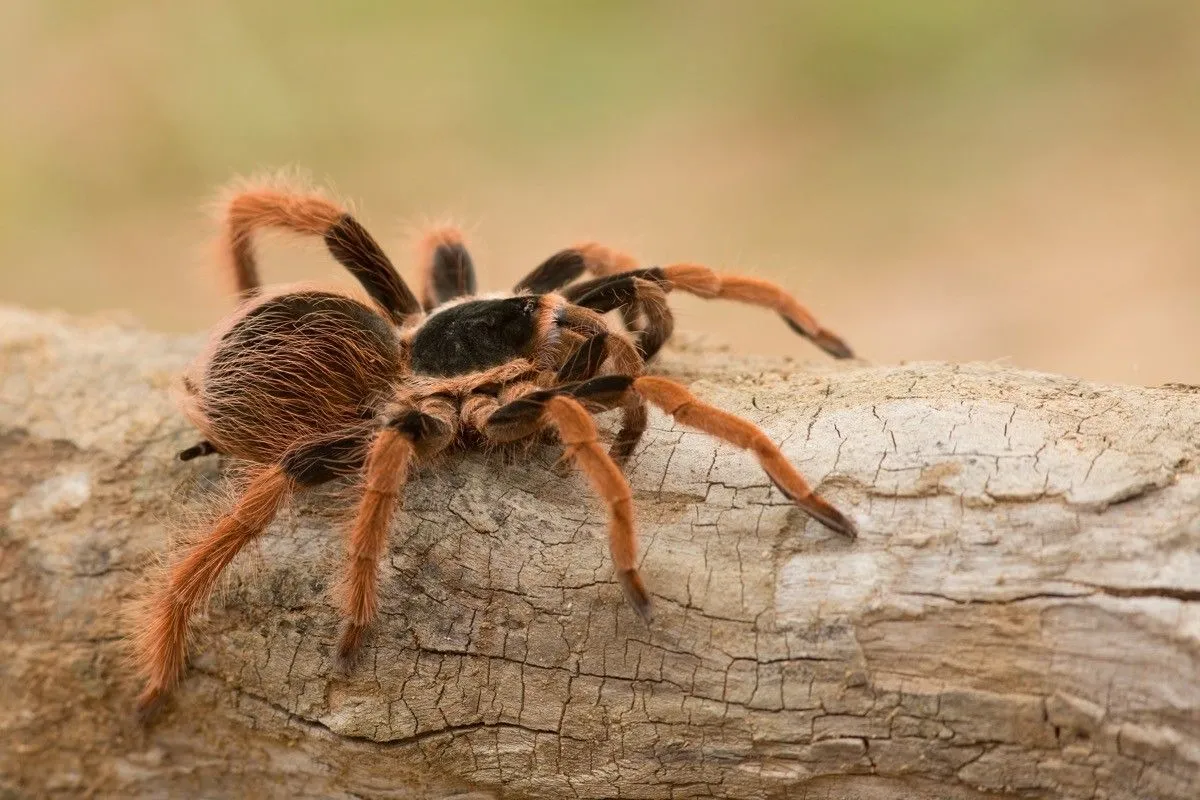
What is a Tarantula
Tarantulas, belonging to the Theraphosidae family, are large and hairy spiders known for their impressive size and diverse appearances. These fascinating creatures are found in various habitats around the world, from tropical rainforests to arid deserts. They are generally nocturnal hunters, preying on insects, small rodents, and other invertebrates. Despite their intimidating appearance, many tarantula species are relatively docile and can make fascinating pets, although their care requires specific knowledge to ensure their well-being. Understanding their natural behaviors and needs is crucial for both appreciating these spiders and providing them with a suitable environment if kept in captivity.
Tarantula Habitat
The habitat of a tarantula plays a vital role in its survival and overall health. In the wild, tarantulas are adapted to specific environments, ranging from burrows in the ground to the crevices of trees. As pet owners, we must replicate these natural conditions as closely as possible. This includes providing the right substrate, temperature, and humidity levels. Proper habitat ensures that the tarantula feels safe, can burrow or hide as needed, and can successfully molt, which is essential for its growth. Inadequate habitat can lead to stress, health issues, and a shortened lifespan for these captivating creatures.
Ideal Environmental Conditions

To create an ideal environment, consider the specific species of tarantula, as their needs vary. Generally, the substrate should be several inches deep, providing opportunities for burrowing. A mixture of coconut fiber, peat moss, and vermiculite works well, retaining moisture while allowing good drainage. Temperature should be maintained between 75-85°F (24-29°C), and humidity levels should be regulated according to the species. Use a hygrometer to monitor the humidity levels and adjust accordingly, usually between 60-80% for most species. Provide a water dish with fresh water at all times, and regularly mist the enclosure if needed to maintain the correct humidity.
Creating a Naturalistic Habitat
A naturalistic habitat should mimic the tarantula’s wild environment as closely as possible. Include elements like cork bark, driftwood, or artificial plants to provide hiding places and climbing opportunities. Avoid using anything that can harm the tarantula, such as sharp rocks or treated wood. The size of the enclosure should be appropriate for the size of the tarantula. A terrarium that is too small can stress the tarantula, while one that is too large might make it feel insecure. Ensure the enclosure has good ventilation to prevent the build-up of mold and maintain air quality. A well-designed habitat not only benefits the tarantula’s physical well-being but also provides enrichment and stimulates natural behaviors.
Tarantula Diet & Feeding
Nutrition is fundamental to a tarantula’s life. Tarantulas are carnivores, and their diet mainly consists of insects and other invertebrates. Providing a varied and balanced diet is essential for their health and well-being. The types of insects offered should be age-appropriate and of good nutritional value. Crickets, mealworms, roaches, and even small pinkie mice (for larger species) can be included in their diet. It’s crucial to ensure that the food is free from pesticides and other harmful substances. The feeding regime should be adjusted based on the tarantula’s age, size, and molting cycle.
Essential Food Sources

The cornerstone of a tarantula’s diet typically consists of insects. Crickets are a staple food source, readily available and generally easy to manage. Mealworms offer a good source of protein but should be offered in moderation due to their high-fat content. Roaches, such as dubia roaches, are highly nutritious and a favorite of many tarantula species. For larger tarantulas, occasional feeding of small vertebrates, such as pinkie mice, can be beneficial. Always ensure that the prey is no larger than the tarantula’s abdomen. Gut-loading the prey before feeding it to your tarantula is an excellent practice to enhance the nutritional value, enriching the prey with vitamins and minerals before offering it to your pet.
Feeding Frequency & Amount
The frequency of feeding depends on the tarantula’s age and growth stage. Young tarantulas, known as spiderlings, need to be fed more often, sometimes every other day, to support their rapid growth. Adult tarantulas can be fed less frequently, typically once or twice a week. The amount of food offered should be appropriate for the tarantula’s size; never overfeed. Remove any uneaten prey within 24 hours to prevent stress and potential harm to the tarantula. It’s also normal for tarantulas to refuse food when they are about to molt, so don’t be alarmed if your tarantula shows a lack of appetite for a period. Always ensure a fresh water source is available.
Tarantula Behavior & Lifestyle
Understanding a tarantula’s behavior is key to providing proper care and ensuring its well-being. Tarantulas are primarily solitary creatures, and they spend a considerable amount of time in their burrows or hiding spots. They are nocturnal hunters, active mostly during the night. Their behavior can be influenced by various factors, including their species, age, and environmental conditions. Being able to interpret these behaviors helps in identifying any potential health issues or stress indicators. Recognizing the signs of an approaching molt, mating behavior, or defensive postures is important for responsible pet ownership.
Molting Process Explained

Molting is a crucial process for tarantulas, allowing them to grow by shedding their exoskeleton. This process can take several hours to a few days, and during this time, the tarantula is very vulnerable. Before molting, the tarantula often stops eating and may appear lethargic. It might also lay on its back. It is very important not to disturb the tarantula during molting. After molting, the tarantula’s new exoskeleton will be soft, and it needs time to harden. During this time, avoid handling the tarantula or offering food for a few days, as this could damage their new, soft exoskeleton. A humid environment helps with the molting process.
Activity Patterns & Daily Routine
The daily routine of a tarantula is largely dictated by its natural instincts. Most tarantulas are crepuscular or nocturnal, being most active during the twilight hours or at night. During the day, they usually stay hidden in their burrows or under cover. The activity level can vary depending on environmental conditions, such as temperature and humidity, and also on the species. Feeding time is a key part of their routine, with tarantulas exhibiting hunting behaviors, such as waiting in ambush or actively pursuing prey. Observe your tarantula’s activity patterns to better understand its habits and to identify any potential issues or changes in its behavior.
Tarantula Lifespan & Growth
The lifespan of a tarantula is significantly longer than that of many other pets. The duration depends on the species and, to a certain extent, the gender. Female tarantulas tend to live longer than males, sometimes for over 20 years. Growth occurs in stages through molting, with the frequency of molting decreasing as the tarantula matures. Providing optimal conditions and care plays a significant role in ensuring that tarantulas live as long and healthy lives as possible. This includes proper nutrition, habitat conditions, and avoidance of stress and handling.
Factors Influencing Longevity

Several factors affect how long a tarantula lives. The species of tarantula is one of the most important determinants. Proper care and environment play a key role in extending its lifespan. Consistent temperature and humidity, a suitable diet, and stress-free conditions are all necessary. Avoiding excessive handling and providing a safe, clean habitat can also significantly contribute to a longer life. Regular observation for signs of illness or stress can help in addressing any issues promptly. Genetic factors also have an impact, with some tarantulas naturally predisposed to longer lifespans.
Growth Stages & Size
Tarantulas grow throughout their lives, with growth occurring during molting. Spiderlings, or young tarantulas, molt frequently as they develop, sometimes every few weeks. The frequency of molting decreases as the tarantula matures. Adult tarantulas typically molt once a year or less. The size of the tarantula varies greatly among different species. Some species can reach a leg span of over 10 inches, while others remain much smaller. It’s important to provide an enclosure that is appropriate for the adult size of the species. Tracking your tarantula’s growth helps assess their health and development.
Tarantula Health & Care
The health and well-being of a tarantula hinge on various aspects of care, from maintaining a suitable environment to providing proper nutrition. Regular observation is key to identifying any potential health problems early. While tarantulas are relatively hardy creatures, they are still susceptible to certain illnesses and injuries. Proactive health management includes preventative measures such as a clean habitat, appropriate diet, and minimizing stress. If you suspect your tarantula is ill or injured, seek the advice of an experienced arachnid veterinarian or knowledgeable expert.
Common Health Issues & Prevention

Common health issues in tarantulas include parasites, fungal infections, and injuries. Mites are a common parasitic problem. Maintaining good hygiene in the enclosure and providing a clean water source are essential preventative measures. Fungal infections can occur if the environment is too humid. Providing good ventilation and ensuring the substrate is not overly damp helps prevent these issues. Injuries can occur during molting or from being handled. Proper habitat design, minimizing handling, and providing a safe environment can prevent many injuries. Quarantine new tarantulas before introducing them to an existing collection to prevent the spread of potential diseases.
Handling & Interaction Guidelines
Handling a tarantula should be approached with caution. While some species are docile, all tarantulas can bite if they feel threatened. Minimize handling whenever possible to reduce stress and the risk of injury to both the tarantula and the handler. If handling is necessary, do it close to the ground or over a soft surface in case the tarantula falls. Always handle the tarantula gently, never squeezing or poking it. Wash your hands before and after handling the tarantula, and avoid touching your face or eyes. Be aware of the tarantula’s temperament and body language, and respect its space. Some tarantulas are easily stressed, and excessive handling can shorten their lifespan.
In conclusion, understanding how tarantulas live, including their habitat, diet, behavior, and health, is essential for responsible pet ownership. By creating a suitable environment, providing a balanced diet, and understanding their needs, you can ensure that your tarantula thrives. Remember that patience, observation, and a commitment to learning are key to providing the best possible care for these fascinating creatures. Enjoy the rewarding experience of caring for these amazing arachnids!