Understanding Green Bottle Blue Tarantulas (GBBs)
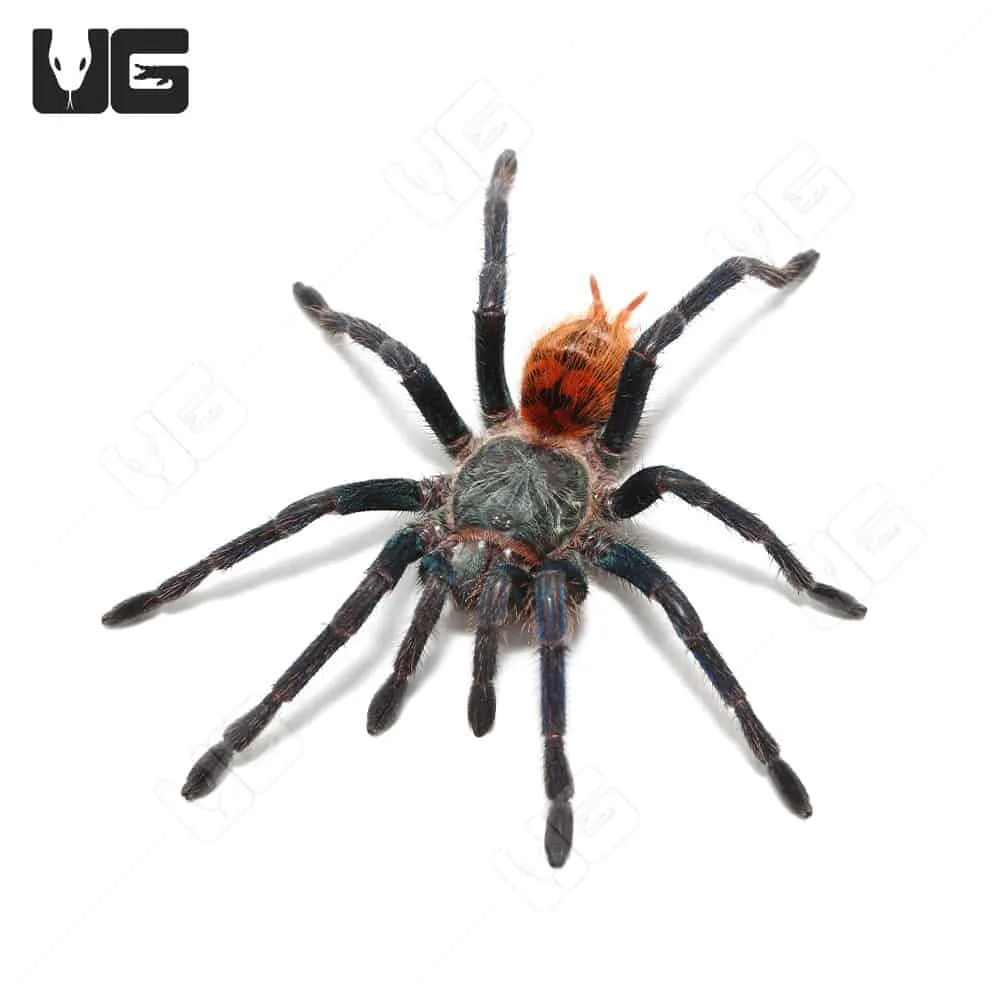
Green Bottle Blue Tarantulas (GBBs), scientifically known as Chromatopelma cyaneopubescens, are captivating and sought-after tarantulas in the pet trade. Their vibrant coloration, with a blue carapace, green legs, and a copper-orange abdomen, makes them a stunning display animal. Native to the semi-arid regions of Venezuela and Trinidad, GBBs are known for their relatively docile temperament compared to other tarantula species, though they can still deliver a painful bite and flick urticating hairs as a defense mechanism. Understanding their natural habitat and behavior is crucial before attempting to breed these beautiful creatures. They are terrestrial tarantulas, meaning they primarily live on the ground and construct webs. They are also known for their vibrant personalities and are a favorite among tarantula enthusiasts. Breeding GBBs, while not extremely difficult, requires careful planning and execution to ensure success and the well-being of the tarantulas involved. Proper knowledge of their life cycle, mating behavior, and environmental needs is essential to increase the chances of successful reproduction and healthy offspring.
GBB Tarantula Behavior and Breeding Signals
Successfully breeding GBBs hinges on understanding their behavior and recognizing the signals that indicate readiness for mating. GBBs, like other tarantulas, have specific behaviors associated with mating. The female tarantula must be mature and receptive. The male spider, after reaching maturity, will begin to display specific courtship behaviors, such as tapping on the female’s enclosure or producing a sperm web. Observing these behaviors is critical for timing the introduction of the male and female. Furthermore, environmental factors like temperature, humidity, and the time of year can influence their breeding cycles. The breeding season for GBBs typically aligns with favorable environmental conditions in their natural habitat. Mimicking these conditions in a controlled environment can help stimulate mating behavior. Careful observation and understanding of these signals will significantly increase the chances of a successful breeding outcome.
Signs of a Mature Female GBB

Identifying a mature female is a crucial step in the breeding process. A mature female GBB will typically be at least 2.5 to 3 inches in leg span. Physical signs of maturity include the development of a spermathecae, which are internal organs where the female stores the male’s sperm, and an overall increase in size. The female will also undergo a final molt before reaching maturity, after which she will no longer molt. A mature female will often exhibit a more robust appetite. It’s essential to confirm maturity before introducing a male, as mating with an immature female can be dangerous for both spiders. The female may become aggressive towards the male. Careful observation of the female’s behavior and physical characteristics will help determine if she is ready for mating.
Identifying a Mature Male GBB
Distinguishing a mature male GBB from an immature one is equally important. Mature males undergo a final molt, during which they develop the necessary physical attributes for reproduction. Mature males have tibial hooks, which are modified appendages on their front legs used to hold the female’s fangs during mating. They also have bulbous palps, which are the structures at the end of their pedipalps that store sperm. You will be able to see the bulbs on the tips of the palps. The male’s behavior changes after this molt as he starts to exhibit courtship behavior. This is the time when the male is ready to breed and can be introduced to a receptive female. The male will also build a sperm web. A careful examination of the male’s physical characteristics and behavior will confirm his maturity.
Preparing for Breeding
Preparing for breeding involves several steps to ensure a safe and successful mating experience. The most crucial aspect is to ensure both the male and female are healthy and well-fed. A well-fed female is less likely to cannibalize the male after mating. Setting up a separate enclosure for the female is also recommended. The male should also have his own enclosure or be kept separately. This allows for better control over the environment. It is useful to get a separate enclosure for the female. Be sure to prepare the enclosure, taking into consideration the size of the spider. The substrate needs to be suitable for burrowing, providing a comfortable environment for the spiders. Preparing both spiders and their environments is essential to set the stage for a successful breeding attempt.
Setting Up the Breeding Enclosure

The breeding enclosure should be designed to mimic the GBB’s natural environment and provide a comfortable space for mating. A secure and appropriately sized enclosure is crucial. The enclosure should be large enough for both spiders to move around freely. The substrate should be a mix of coco fiber, vermiculite, and sphagnum moss. It should allow the female to dig burrows and create a suitable environment for her egg sac. The enclosure should also have a water dish and a hide, to provide a place for the female to retreat if needed. Ensure proper ventilation to prevent mold and maintain good air quality. The enclosure must be secure to prevent escapes. A well-prepared enclosure increases the chances of successful mating and provides a safe environment for the female and her offspring.
Optimal Temperature and Humidity
Maintaining the correct temperature and humidity levels is critical for successful breeding. GBBs thrive in a temperature range of 75-85°F (24-29°C). A heat mat or a small space heater can be used to maintain this temperature, ensuring that it is evenly distributed throughout the enclosure. The humidity level should be kept around 60-70%. This can be achieved by lightly misting the enclosure with water every few days and ensuring the substrate remains slightly moist. Use a hygrometer to monitor humidity levels. Proper temperature and humidity levels will stimulate the GBBs’ breeding behavior and will help the spiderlings thrive. Fluctuations in these parameters can negatively affect the breeding process and the health of the spiders, so monitoring and adjusting the environment accordingly are very important.
The Breeding Process
The actual breeding process requires careful observation and patience. It is important to watch the spiders. It begins with introducing the male to the female’s enclosure. Monitor the interaction between the male and the female. The introduction should be done during the female’s receptive period. It is important to supervise the interaction. The next step is to see if the female is receptive to the male. The male will display courtship behaviors. If the female is receptive, she will allow the male to mate. The male will approach and mate with the female. The process may take some time. Successful mating will result in a gravid female, and the production of an egg sac. Always be prepared to separate the male promptly after mating to prevent the female from attacking him. The breeding process requires close monitoring to ensure a safe and successful outcome.
Introducing the Male to the Female

When introducing the male to the female’s enclosure, it is crucial to proceed with caution. Make sure the female has been well fed. The male should be introduced when the female is receptive, typically a few weeks after her last molt. Carefully open the enclosure and gently guide the male into the female’s habitat. Be prepared to intervene if the female shows any aggressive behavior towards the male. Keeping a long pair of tongs at the ready can be helpful in separating them if necessary. Observe their interaction closely, watching for the male’s courtship rituals and the female’s response. If the female appears hostile, it is best to remove the male immediately. Introduce the male when the female is ready.
Monitoring the Mating Ritual
During the mating ritual, observe the behavior of both spiders closely. The male will begin to drum on the substrate or tap on the female’s enclosure to attract her attention. The female will respond by either remaining passive or becoming aggressive. If she is receptive, she will allow the male to approach. The male will use his tibial hooks to hold the female’s fangs. The male will then insert his palps into the female’s epigastric furrow to deposit sperm. Mating can last from a few seconds to several minutes. Watch for any signs of aggression from the female. It is important to be ready to separate the spiders as soon as mating is complete. After mating, immediately remove the male to prevent him from being attacked by the female. Careful monitoring ensures the safety of both spiders and the successful completion of the mating process.
Post-Mating Care
After mating, the female will require specific care to ensure the development of a healthy egg sac. Provide her with plenty of food to support her increased nutritional needs and keep the water dish full. Monitor her behavior for signs of egg sac production. She may become less active and spend more time in her burrow. It’s important to maintain the optimal temperature and humidity levels. Avoid disturbing her enclosure unnecessarily. Provide her with a stable and stress-free environment. The female will lay her eggs and create an egg sac, which she will guard diligently. Proper post-mating care is critical for the health of the female and the successful incubation of her eggs.
Caring for the Gravid Female

A gravid female, or a female carrying eggs, needs special care. Provide her with an abundance of food to meet the increased nutritional demands of egg production. Crickets and roaches are suitable choices. Ensure the water dish is always full, as she will need to stay hydrated. Keep the enclosure clean and maintain optimal temperature and humidity levels. Handle the female as little as possible to minimize stress. Observe her behavior. She will be building her egg sac. After the egg sac is produced, she will diligently guard it. Offer the female a consistent, stress-free environment. Providing the correct care for a gravid female is essential for successful breeding. It also helps the spiderlings develop in a healthy and safe environment.
Egg Sac Management and Incubation
Egg sac management is an essential part of the breeding process. The female will usually create the egg sac within a few weeks of mating. The female will guard her egg sac. It is essential to allow the female to care for the egg sac to ensure proper development. However, removing the egg sac can sometimes be necessary. If you decide to remove the egg sac, carefully remove it from the female’s enclosure and place it in an incubator. Maintain the appropriate temperature and humidity levels to simulate the female’s environment. The incubation period varies but is typically several weeks to months. The eggs will hatch into spiderlings. Monitor the egg sac for any signs of mold or other issues. Careful management of the egg sac ensures a healthy batch of spiderlings.
Raising Spiderlings
Raising spiderlings requires a significant amount of time and effort. Once the spiderlings hatch, they will need a suitable environment to thrive. Provide them with a safe and secure enclosure, with a shallow water dish and appropriate substrate. The number of spiderlings per enclosure can vary depending on the size of the enclosure. The enclosures should be small, such as deli cups. Maintain the correct temperature and humidity levels. Provide the spiderlings with a consistent supply of food. Provide a varied diet of fruit flies or small pinhead crickets. The spiderlings will molt several times. They will continue to grow and develop, transforming into adult GBBs. Patience, consistency, and dedication are essential to successfully raise spiderlings.
Initial Care for Spiderlings

After the spiderlings hatch, they require immediate care. Provide them with a small enclosure, such as a deli cup or a small container, with suitable substrate. Offer a shallow water dish to prevent drowning. Maintain the optimal temperature and humidity levels. The spiderlings are vulnerable. It’s important to protect them from cannibalism, by providing them with enough space and food. The enclosures must be kept clean. Monitor the spiderlings’ health and well-being. Proper initial care will increase the chances of survival and successful growth. It will also set the stage for their development.
Feeding and Growth of Spiderlings
Feeding spiderlings is a crucial aspect of their growth and development. Provide the spiderlings with small insects, such as fruit flies or pinhead crickets. Feed them frequently, typically every day or every other day, depending on their size and the type of food. Make sure to remove any uneaten food. This will prevent the growth of mold. The spiderlings will molt several times as they grow. Monitor their molting progress and adjust their feeding schedule accordingly. As the spiderlings grow, they will require larger enclosures and more food. Providing a balanced and consistent diet will help the spiderlings thrive and reach their adult size.
Common Breeding Challenges
Breeding GBBs can present some challenges, so it’s important to be prepared. Cannibalism is a significant concern. If the female is not well fed, or if the male is not removed quickly enough, cannibalism can occur. It is important to feed the spiders well. Another challenge is dealing with mismating, where the male may not successfully mate with the female. If the female rejects the male, separate them and try again later. Understanding and preparing for these challenges will increase your chances of a successful breeding attempt.
Preventing Cannibalism

Preventing cannibalism is critical to the success of breeding. Feed the female well before introducing the male to reduce her predatory instincts. Ensure that the male is removed promptly after mating is complete. It is essential to provide enough space and food to prevent cannibalism. Monitor the spiders closely for any signs of aggression. Cannibalism can be detrimental, so taking these preventative measures is important.
Dealing with Mismating
Sometimes, mating attempts may be unsuccessful. This can happen if the female is not receptive, or the male is unable to complete the mating process. If mismating occurs, separate the spiders. You may retry the mating process again after a few weeks. Ensure that both spiders are healthy and that the environmental conditions are optimal. The male must be mature and the female receptive. Patience and persistence may be required to achieve successful mating. It is important to understand the potential for mismating. You must be prepared to try again.
Breeding Green Bottle Blue tarantulas requires patience, knowledge, and careful attention to detail. By understanding their behavior, providing the right environment, and taking the necessary precautions, you can successfully breed these stunning arachnids and contribute to the conservation of this beautiful species. Remember to always prioritize the health and well-being of your tarantulas throughout the breeding process.