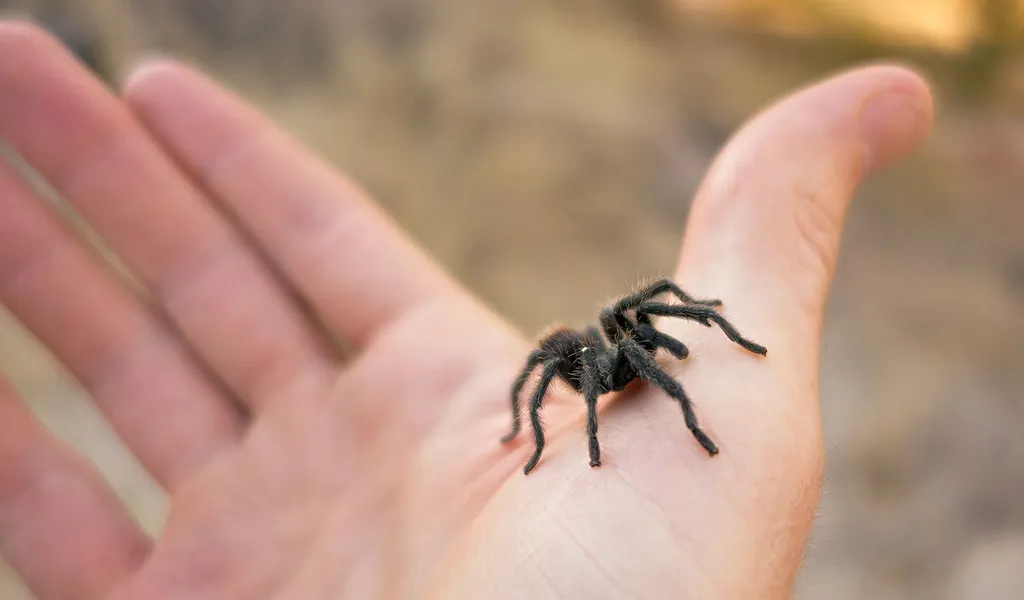
Bringing a tarantula into your home can be a fascinating experience. These eight-legged creatures, despite their intimidating appearance, are relatively low-maintenance pets, making them an excellent choice for those seeking a unique companion. However, proper care is essential for their well-being and longevity. This comprehensive guide, “How to Care for a Tarantula 101,” will walk you through the fundamental aspects of tarantula care, ensuring you’re well-prepared to provide a healthy and enriching environment for your new pet.
Understanding Tarantulas
Before acquiring a tarantula, it’s vital to understand their basic needs and characteristics. Tarantulas are arachnids, not insects, and they are native to various habitats around the world. They are primarily nocturnal hunters, and their life cycle involves molting, a process where they shed their exoskeleton to grow. Knowing these basics will help you understand their behavior and anticipate their needs.
Choosing the Right Tarantula
Selecting the right tarantula is the first step towards successful pet ownership. Not all tarantula species are suitable for beginners, and some have specific requirements that can be challenging to meet. It’s essential to do thorough research and choose a species that aligns with your experience level and lifestyle.
Consider Size and Temperament

Tarantulas vary in size, with some species reaching impressive dimensions. Larger tarantulas often require more space. Temperament also varies; some species are docile and easy to handle, while others are more defensive and prone to biting or flicking urticating hairs. It’s crucial to consider both the size and temperament when making your choice.
Research Different Species
Some popular beginner-friendly species include the Chilean Rose Hair, the Pinktoe tarantula, and the Arizona Blonde. Research the specific needs of each species, including their habitat requirements, feeding habits, and potential health issues. This will help you create a comfortable and safe environment for your pet. For example, the Chilean Rose Hair tarantula is known for its docile temperament and relatively low-maintenance care needs.
Setting Up Your Tarantula’s Habitat
The enclosure is the tarantula’s home and should provide a safe, secure, and comfortable environment. The right setup will minimize stress and promote healthy growth. The specifics depend on the species and the size of your tarantula, but there are some general guidelines to follow.
Choosing the Right Enclosure

The enclosure should be appropriately sized for your tarantula. It should be at least twice as wide as the tarantula’s leg span and tall enough to accommodate substrate and any decorations. Glass or clear plastic terrariums are ideal, as they allow for easy viewing. Ensure the enclosure has a secure lid to prevent escape and adequate ventilation to maintain air quality.
Substrate Selection and Depth
The substrate is the material that lines the bottom of the enclosure. It provides a comfortable surface for the tarantula, helps maintain humidity, and allows them to burrow. Suitable substrates include coconut fiber, peat moss, and a mixture of both. The depth of the substrate should be appropriate for the species, with burrowing species requiring a deeper layer to create their homes. For example, a terrestrial species may need 2-4 inches of substrate.
Temperature and Humidity Control
Tarantulas thrive within specific temperature and humidity ranges. The ideal temperature typically ranges from 70-80°F (21-27°C), which can usually be maintained with room temperature. However, a heat lamp or pad may be necessary for some species or in cooler environments. Humidity levels vary depending on the species, but most require moderate humidity. Regularly misting the enclosure with water or providing a water dish will help maintain proper humidity.
Feeding Your Tarantula

Feeding is another crucial aspect of tarantula care. Tarantulas are carnivores and primarily eat insects. The frequency and type of food will depend on the tarantula’s age, size, and species. Overfeeding can be as harmful as underfeeding, so it’s essential to find the right balance.
Appropriate Food Choices
Crickets, mealworms, and roaches are common food choices for tarantulas. Ensure that the insects are gut-loaded with nutritious food before feeding them to your tarantula. You can purchase pre-gut-loaded insects or feed them a diet of vegetables and insect food before feeding. Avoid feeding wild-caught insects, as they may contain parasites or pesticides.
Feeding Frequency and Portion Sizes
Juvenile tarantulas typically need to be fed more frequently than adults. Feed them 2-3 times per week, providing an appropriately sized insect each time. Adult tarantulas can be fed once or twice a week, depending on their size and appetite. Remove any uneaten food within 24 hours to prevent mold or mites.
Watering and Hydration
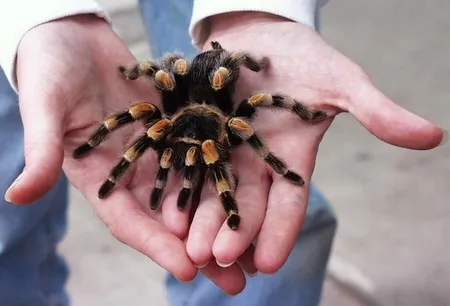
Providing fresh water is essential for a tarantula’s health. They need a constant source of hydration to survive. Maintaining the correct humidity and providing water should be a key part of your tarantula care routine.
Providing Clean Water
A shallow water dish, such as a bottle cap or a small dish designed for reptiles, is a good option for providing water. Make sure the dish is shallow enough that the tarantula can easily access it, and regularly clean and refill it with fresh water. You can also mist the enclosure occasionally, allowing the tarantula to drink droplets.
Monitoring Hydration Levels
Observe your tarantula to ensure it’s drinking enough water. Signs of dehydration include a wrinkled abdomen. If you notice any signs of dehydration, increase the frequency of misting or offer more frequent water changes. Remember that some species get most of their water from their food.
Handling and Safety Precautions

While tarantulas are generally not aggressive, handling them carries risks. They can bite if they feel threatened, and some species have urticating hairs that can cause skin irritation. It’s important to handle your tarantula with caution and respect.
When to Avoid Handling
Avoid handling your tarantula during molting, as they are particularly vulnerable during this period. Also, it’s best to avoid handling after feeding, as they may be more defensive. Refrain from handling if the tarantula appears stressed or agitated, and always be aware of its body language.
Safe Handling Techniques
If you choose to handle your tarantula, do so slowly and gently. Gently coax the tarantula onto your hand. Avoid sudden movements and keep the tarantula close to the ground or a soft surface in case it falls. Always wash your hands before and after handling.
Recognizing and Addressing Health Issues

Like any pet, tarantulas can experience health problems. Recognizing the signs of illness and knowing when to seek veterinary help is essential for their well-being. Regular observation and a proactive approach to health issues are vital.
Common Health Problems
Some common health issues include mites, fungal infections, and parasites. Signs of illness can include lethargy, loss of appetite, and changes in appearance. Mites can be visible as tiny, moving dots on the tarantula or in the enclosure. Fungal infections may manifest as discolored patches on the exoskeleton. Consult with a veterinarian or experienced arachnid keeper to properly diagnose and treat health problems.
When to Seek Veterinary Help
If you notice any signs of illness or injury, such as a loss of appetite, lethargy, or unusual behavior, it’s best to consult a veterinarian specializing in exotic animals. They can provide an accurate diagnosis and recommend appropriate treatment. Early intervention can often prevent serious complications and improve your tarantula’s chances of recovery. Remember, it’s always better to err on the side of caution when it comes to your pet’s health.
Enjoying Your Tarantula Pet

Caring for a tarantula can be a rewarding experience. By providing proper care, you can ensure your pet lives a long and healthy life. Take the time to observe your tarantula’s behavior, learn about its species-specific needs, and enjoy the unique companionship it offers.
With the right knowledge and commitment, you can become a successful tarantula owner and enjoy the fascinating world of these amazing creatures. Remember that every tarantula is unique, so take the time to learn and adapt your care routine as needed. The more you learn and apply the information in “How to Care for a Tarantula 101,” the better you will be able to care for your pet tarantula.