Keeping a tarantula as a pet is a unique and rewarding experience. However, like any pet, tarantulas require proper care to thrive, and a crucial part of this is maintaining a clean habitat. Regular cleaning not only keeps your tarantula healthy but also enhances your enjoyment of owning these fascinating creatures. This guide provides a simple, step-by-step approach to cleaning your tarantula’s cage, ensuring a safe and comfortable environment for your eight-legged friend. Learn the essentials of tarantula cage cleaning to ensure a happy and healthy pet.
Why Clean a Tarantula Cage
Cleaning your tarantula’s enclosure is about more than just aesthetics; it’s essential for your pet’s health and well-being. A clean habitat helps prevent diseases, reduces odors, and provides a more natural and enriching environment for your tarantula. The frequency of cleaning depends on several factors, including the size of the enclosure, the type of substrate, and the age and size of your tarantula. As a general rule, spot cleaning should be done weekly, while a complete cage cleaning is recommended every few months, or as needed. Regularly assess the cage’s condition to determine the best cleaning schedule for your specific pet.
Benefits of a Clean Habitat
A clean tarantula cage significantly improves the health and happiness of your pet. Removing waste and debris helps prevent the buildup of harmful bacteria and fungi that can cause illness. A well-maintained environment also reduces stress for your tarantula, encouraging natural behaviors like burrowing and foraging. Furthermore, a clean cage makes it easier to observe your tarantula, allowing you to quickly identify any health issues. The visual appeal of a clean enclosure also enhances the overall experience of owning a tarantula, making it a more enjoyable hobby.
Risks of a Dirty Cage

A dirty tarantula cage poses several risks to your pet’s health. The accumulation of waste, uneaten food, and shed exoskeletons creates an ideal breeding ground for bacteria and fungi, leading to potential infections. Ammonia buildup from decomposing waste can irritate your tarantula’s respiratory system and cause other health problems. A soiled environment also attracts mites and other pests that can infest your tarantula and its habitat. Regular cleaning is therefore essential to mitigate these risks and ensure your tarantula lives a long and healthy life. See the image below for a visual comparison.
What You’ll Need
Before you begin cleaning, gather all the necessary supplies. This ensures a smooth and efficient process, minimizing stress for both you and your tarantula. Having everything ready also helps prevent accidental contamination or delays. Proper preparation is key to a successful cleaning session.
Essential Cleaning Supplies
Your cleaning kit should include these essentials: a clean container or temporary housing for your tarantula, disposable gloves, a suitable substrate for your tarantula’s cage (e.g., coconut fiber, peat moss, or vermiculite), a spray bottle filled with dechlorinated water, mild unscented soap (optional, for cleaning the enclosure), paper towels, a small scoop or spoon for removing waste, and a soft brush. Consider adding a small, pet-safe disinfectant if needed. Make sure all cleaning products are safe for use around animals. Prioritize non-toxic and unscented options to avoid harming your tarantula. See the image below for a quick visual.
Safety Gear for Cleaning

Always prioritize safety when handling and cleaning your tarantula’s enclosure. Wear disposable gloves to protect yourself from potential bites and to maintain hygiene. Consider wearing eye protection to prevent any substrate or cleaning solutions from getting into your eyes. If your tarantula is known to be defensive, you might also consider wearing long sleeves. Proper safety gear helps you stay safe and makes the cleaning process more comfortable.
Step 1 Remove the Tarantula
The first step is carefully removing your tarantula from its enclosure. This is a crucial step. Handle your tarantula with care and confidence, understanding that your actions directly affect its safety and well-being. Prepare a safe and secure temporary housing setup before attempting to move your tarantula. A small, escape-proof container with ventilation and a moist paper towel for humidity is a good choice. It’s best if the temporary housing resembles the tarantula’s regular setup as much as possible, to minimize stress.
Gentle Handling Techniques
Tarantulas can be sensitive, so handle them gently. The best practice is to coax your tarantula into the container using a soft brush or by gently nudging it. Avoid touching the tarantula directly unless absolutely necessary. If you need to handle it, do so with slow, deliberate movements, and keep the tarantula close to a surface to prevent falls. Never squeeze or grab the tarantula; instead, allow it to walk onto your hand. Always supervise the tarantula while it’s outside its enclosure, and keep it away from potential hazards. See the image for a safe way to handle.
Safe Temporary Housing
Prepare a secure and comfortable temporary enclosure. This can be a plastic container with ventilation holes. Line the container with a layer of the same substrate as your tarantula’s habitat or a clean paper towel, and provide a small water dish or a damp cotton ball for humidity. Make sure the temporary housing is escape-proof, with a secure lid. The setup should mimic the tarantula’s regular environment to reduce stress during this temporary relocation. Consider adding a small hide for the tarantula to feel secure. This ensures a safe and stress-free environment while you clean the main enclosure.
Step 2 Remove Debris
Once the tarantula is safely in its temporary housing, it’s time to remove all debris from the enclosure. This includes uneaten food, shed exoskeletons, and any other waste products. This step helps eliminate potential sources of bacteria, mold, and mites. Removing debris regularly keeps the environment clean and healthy.
Substrate Removal
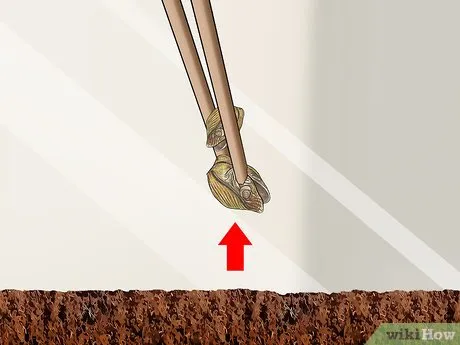
Remove the old substrate. The method of removal depends on the substrate type. For loose substrates like coconut fiber or peat moss, you can scoop or pour it out. Use a small scoop or trowel to carefully remove the substrate, and discard it in a suitable waste container. For deeper substrates, consider only replacing the top layer during a routine cleaning. Make sure to replace the substrate with the correct one for your tarantula.
Waste Removal

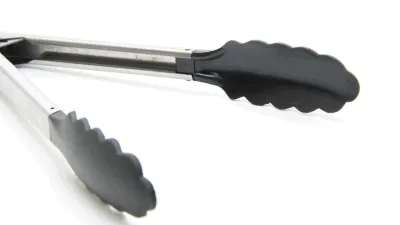
Carefully remove any visible waste, such as fecal matter and uneaten food. Use a small scoop or tweezers to avoid disturbing the substrate. Inspect the entire enclosure for hidden waste, especially around water dishes and hides. Dispose of all waste in a sealed bag to prevent odors and potential contamination. This step helps prevent the growth of mold and bacteria.
Step 3 Clean the Cage
After removing all debris, thoroughly clean the enclosure itself. This step eliminates any remaining bacteria and pathogens. Using the right cleaning materials is essential for maintaining a healthy environment for your tarantula.
Washing the Enclosure
Wash the enclosure with warm water and, if necessary, a mild, unscented soap specifically designed for pet environments. Rinse thoroughly to remove all traces of soap. Ensure there is no soapy residue left in the enclosure, as this can harm your tarantula. Avoid using harsh chemicals or strong detergents, as these can be toxic. Allow the enclosure to air dry completely before reintroducing the substrate and decor.
Disinfecting the Cage

After washing, consider disinfecting the enclosure, especially if you suspect a disease or have noticed any signs of mold or bacteria. Use a pet-safe disinfectant, following the product instructions carefully. Allow the disinfectant to air dry completely before adding the new substrate and decor. Thorough disinfection minimizes the risk of introducing harmful pathogens to your tarantula’s habitat. Be certain to use a safe product.
Step 4 Replace Substrate and Decor
Once the enclosure is clean and dry, replace the substrate and reintroduce the decor. This step prepares the habitat for your tarantula’s return, ensuring a comfortable and stimulating environment. See the image below for a look at fresh substrate!
Choosing the Right Substrate
Choose the right substrate for your tarantula species. Common substrates include coconut fiber, peat moss, and vermiculite. The substrate should be absorbent to maintain the correct humidity levels and should be non-toxic. Make sure to select a substrate that is appropriate for your tarantula’s needs, considering its natural habitat and preferred burrowing habits. Replace the substrate with a fresh, clean layer to ensure a healthy environment.
Reintroducing Decor

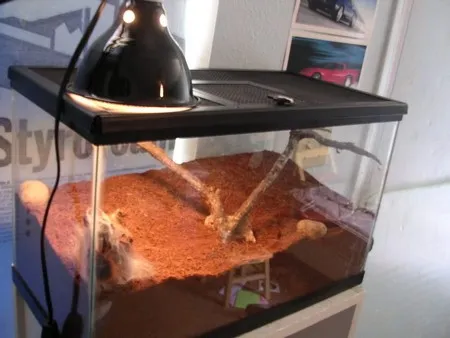
Carefully reintroduce the decor after the substrate has been added. This includes any hides, branches, or water dishes. Ensure all decor is clean and free of debris before placing it back in the enclosure. Arrange the decor to create a comfortable and stimulating environment for your tarantula. Make sure the setup is secure, so it doesn’t topple over and potentially harm your pet. Adding the decor is an important part of preparing the cleaned enclosure for your tarantula.
Step 5 Reintroduce Your Tarantula
With the cage cleaned, the substrate replaced, and the decor reinstalled, it’s time to reintroduce your tarantula to its refreshed habitat. This step should be done with care to minimize stress and ensure a smooth transition. Provide a safe, comfortable, and familiar environment for your tarantula to return to.
Acclimating Your Tarantula
Gently transfer your tarantula back into its clean enclosure. Allow it to explore its new environment at its own pace. Observe its behavior for any signs of stress or discomfort. Provide access to fresh water and ensure that the humidity levels are appropriate for its species. Allow the tarantula to settle in and acclimate to its newly cleaned habitat without disturbance. Give your tarantula time to get used to its clean home.
Monitoring Your Tarantula
Monitor your tarantula closely for a few days after reintroducing it to its enclosure. Observe its feeding habits, activity levels, and overall health. Look for any signs of stress, such as hiding more than usual or refusing to eat. Ensure that the environment remains at the correct temperature and humidity levels. Regular monitoring helps you detect any potential problems early on, ensuring the continued well-being of your tarantula. See the image below for a checklist.
Cleaning your tarantula’s cage is essential for maintaining a healthy and happy pet. By following these simple steps, you can provide your tarantula with a clean, comfortable, and safe environment. Regular maintenance not only benefits your tarantula’s health but also enhances your enjoyment of owning these fascinating creatures.