
Understanding Tarantula Tank Heating
Creating the perfect environment for your tarantula involves more than just a visually appealing enclosure. One of the most critical aspects of tarantula care is maintaining the correct temperature. Tarantulas, being ectothermic creatures, rely entirely on their environment to regulate their body temperature. Providing a suitable heat source is essential for their health, growth, and overall well-being. Without proper heating, your tarantula may experience a range of issues, from slowed metabolism and feeding problems to potentially life-threatening conditions. This guide delves into the specifics of heating your tarantula tank correctly, ensuring your eight-legged friend thrives.
Why Proper Heating is Crucial for Tarantulas
Proper heating affects various aspects of a tarantula’s life. It directly impacts their metabolism, digestion, and activity levels. A tarantula kept at an appropriate temperature will be more active, have a better appetite, and be able to digest food efficiently. This is especially important for juvenile tarantulas, as they are actively growing and molting, which requires substantial energy. Adequate warmth also supports a healthy immune system, making the tarantula less susceptible to diseases. Moreover, the right temperature is crucial for successful molting. The tarantula needs to be warm enough to shed its exoskeleton properly, a process vital for growth. Failure to provide these conditions can lead to serious health complications.
Risks of Improper Heating

Both overheating and underheating pose significant risks to your tarantula. Overheating can lead to dehydration, heat stress, and even death. Tarantulas cannot sweat or pant to cool themselves down, making them highly vulnerable to excessive heat. Underheating, on the other hand, can slow down their metabolism, leading to lethargy, reduced appetite, and difficulties with molting. Chronic underheating can weaken their immune system, making them susceptible to various health problems. In extreme cases, prolonged exposure to temperatures that are too low can be fatal. Therefore, monitoring the temperature and adjusting the heating system accordingly is crucial for the well-being of your tarantula.
Choosing the Right Heating Equipment
Selecting the right heating equipment is crucial for providing a safe and effective heating solution. Several options are available, each with its advantages and disadvantages. The choice depends on factors such as the size of the enclosure, the specific tarantula species, and your personal preferences. Safety is paramount, so always choose equipment designed specifically for reptile or invertebrate enclosures. Avoid using household lamps or other non-specialized heating sources, as these can be dangerous.
Heat Mats
Heat mats are a popular choice for heating tarantula tanks, especially smaller ones. They are typically placed on the side or bottom of the enclosure, providing a gentle and consistent heat source. Heat mats are generally easy to use and install, and they don’t take up much space. They are a good option for maintaining a consistent ambient temperature within the enclosure, mimicking the warmth of the tarantula’s natural habitat. Always ensure the heat mat is regulated by a thermostat to prevent overheating.
Pros and Cons of Heat Mats

- Pros: Energy-efficient, provide consistent heat, easy to install, suitable for smaller enclosures
- Cons: May not be sufficient for larger enclosures or species needing higher temperatures, can cause the substrate to dry out if not used with a thermostat and proper humidity control, placement is crucial to avoid burns
Heat Lamps
Heat lamps, often used for reptiles, can also be employed to heat tarantula tanks, especially for species that require higher temperatures or those in larger enclosures. Heat lamps typically radiate heat downwards, creating a warmer basking spot. However, it is crucial to use a low-wattage bulb and monitor the temperature carefully to avoid overheating. The use of a reflector can help direct the heat and prevent it from escaping. Avoid using bright light bulbs, as they can stress tarantulas. Consider using a red or infrared bulb for night viewing and heating without disturbing the tarantula’s natural day/night cycle.
Pros and Cons of Heat Lamps
- Pros: Effective for larger enclosures, provides a focused heat source, can be used to create a temperature gradient, suitable for species needing high temperatures
- Cons: Can be energy-intensive, can dry out the enclosure if not managed correctly, risk of burns if the tarantula gets too close, requires careful monitoring to prevent overheating
Ceramic Heat Emitters (CHE)

Ceramic heat emitters (CHE) are a great option for providing a constant source of heat without emitting light. They are particularly beneficial for nocturnal tarantulas or those that may be stressed by bright lights. CHEs screw into a standard lamp fitting and radiate infrared heat, which warms the enclosure effectively. They are typically used in conjunction with a thermostat to maintain the desired temperature. CHEs are a safe option for providing ambient heat in your tarantula enclosure.
Pros and Cons of Ceramic Heat Emitters (CHE)
- Pros: Provide constant heat without light, suitable for nocturnal species, long-lasting, safe when used with a thermostat
- Cons: Can be more expensive than heat mats, can dry out the enclosure if humidity isn’t managed, the emitter can get hot and can cause burns if not correctly installed.
Thermostats
Regardless of the heating method you choose, a thermostat is essential. A thermostat regulates the temperature by turning the heat source on and off to maintain a consistent and safe temperature. This prevents overheating and ensures the tarantula’s environment is always within the ideal range. Place the thermostat probe in the enclosure, close to the heating element, to accurately measure the temperature. There are different types of thermostats available, including on/off and proportional thermostats. Choose a thermostat designed for reptile or invertebrate enclosures for accurate and safe temperature control.
Setting Up Your Heating System

Setting up the heating system correctly is just as important as selecting the right equipment. Careful planning and execution will ensure a safe and effective heating solution for your tarantula. Consider the size of the enclosure, the type of tarantula, and the ambient temperature of the room when setting up the system. It’s always better to start with a lower wattage or heat setting and adjust upwards gradually, as needed. Proper setup also minimizes the risk of accidents and ensures the longevity of your heating equipment.
Placement of Heating Equipment
The placement of your heating equipment directly affects its effectiveness and safety. Heat mats are generally placed on the side or the back of the enclosure, never directly underneath the enclosure, to avoid overheating the substrate and possibly harming the tarantula. For heat lamps and CHEs, secure them above the enclosure, ensuring there is sufficient distance between the heat source and the tarantula to prevent burns. Always follow the manufacturer’s guidelines regarding placement. Ensure the heating elements are out of reach of the tarantula.
Monitoring Temperature
Regular temperature monitoring is critical. Use a reliable thermometer, preferably a digital one, to monitor the temperature inside the enclosure. Place the thermometer in different areas of the enclosure to ensure an even temperature distribution. Use a thermometer/hygrometer combo for humidity as well. Check the temperature daily, and record it for future reference. Consider using a temperature gun to spot-check various spots. This will help you identify any potential problems and make adjustments to the heating system as needed. It is essential to maintain the correct temperature range for your tarantula species at all times.
Humidity Control and Heating
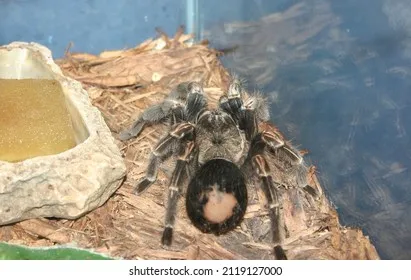
Heating and humidity are often interconnected, especially with heat sources like heat mats and lamps, which can dry out the enclosure. Maintaining the appropriate humidity level is as vital as maintaining the correct temperature. The required humidity varies depending on the tarantula species. Provide water dishes and misting as needed to maintain the correct humidity level, but be careful not to over-saturate the enclosure. A hygrometer is essential to monitor humidity levels. If the enclosure is too dry, it can lead to dehydration, while excessive humidity can lead to mold growth, which can be harmful. Adjust the heating and ventilation to balance temperature and humidity effectively.
Maintaining the Ideal Temperature
Maintaining the ideal temperature is a continuous process. This requires careful monitoring, adjustments, and a good understanding of your tarantula’s specific needs. Regularly check the temperature and humidity levels, and make small adjustments as needed. Avoid sudden temperature fluctuations, as these can stress your tarantula. The goal is to create a stable and consistent environment that mimics the tarantula’s natural habitat as closely as possible, which helps with their health, growth, and overall wellbeing.
Temperature Ranges for Different Tarantula Species
Different tarantula species have different temperature requirements. Research the specific needs of your tarantula species before setting up the heating system. As a general guideline, most tarantulas thrive in temperatures between 70-85°F (21-29°C). Some species may require slightly higher or lower temperatures. For example, arboreal species, which live in trees, often prefer warmer temperatures, while terrestrial species from cooler climates can tolerate lower temperatures. It is important to be precise when creating the perfect environment for your tarantula.
Troubleshooting Heating Issues

Even with careful planning, issues can arise with your heating system. Regular monitoring and a proactive approach will help you identify and address problems quickly. Troubleshooting is part of the care process, and it can make you a more responsible and knowledgeable tarantula keeper. Be vigilant in monitoring and adjusting for your spider’s well-being.
Overheating
Overheating is a common and dangerous problem. Symptoms of overheating include lethargy, rapid movement, and the tarantula attempting to escape the heat. If you suspect overheating, immediately turn off the heat source and move the enclosure to a cooler location. Provide fresh, cool water, and mist the enclosure to help cool the tarantula. Check the thermostat and the heating equipment to ensure it is functioning correctly. Always double-check the temperature with a reliable thermometer. Preventative measures, such as using a thermostat, can greatly reduce the risk of overheating.
Underheating
Underheating can be more subtle but just as detrimental. Symptoms of underheating include sluggishness, decreased appetite, and difficulty molting. If you suspect underheating, check the thermometer to confirm the temperature. Increase the heat source or adjust the thermostat to raise the temperature gradually. Be patient and avoid making drastic changes. A gradual adjustment is less stressful for the tarantula. Ensure the heating system is operating correctly. If the issues persist, consider adjusting the enclosure setup or seeking advice from an experienced tarantula keeper.
Conclusion

Properly heating your tarantula tank is essential for the health and well-being of your pet. By understanding the importance of temperature control, selecting the right equipment, and setting up the system correctly, you can create a comfortable and safe environment for your tarantula to thrive. Regular monitoring, troubleshooting, and a commitment to learning about your specific tarantula species are vital. With careful attention and dedication, you can ensure your tarantula lives a long and healthy life. Creating the perfect habitat ensures your tarantula can live its best life.