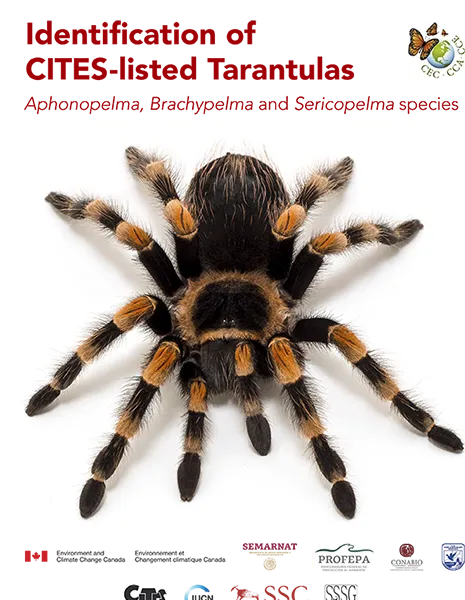
What is a Tarantula
Tarantulas are large, hairy spiders belonging to the Theraphosidae family. These fascinating arachnids are known for their impressive size, with some species having leg spans exceeding 10 inches. Found in diverse habitats around the world, from tropical rainforests to arid deserts, tarantulas have captivated humans for centuries. They are typically nocturnal hunters, using their fangs to inject venom into prey. Although their appearance might be intimidating, most tarantulas are not considered highly dangerous to humans. Their bites are often compared to a bee sting, though allergic reactions are possible. Understanding these basic characteristics is the first step in learning how to identify them quickly.
Types of Tarantulas
Tarantulas are broadly categorized into two main groups based on their geographical origins New World and Old World tarantulas. This classification is crucial for identification, as it often dictates behavior, venom potency, and appearance. Furthermore, within these categories, there’s an incredible diversity of species, each with its unique characteristics. Knowing the general type of tarantula you’re observing is a fundamental step in narrowing down the possibilities for identification. Understanding these distinctions helps to appreciate the wide array of tarantula species found throughout the world, each with its own unique traits and adaptations.
New World Tarantulas

New World tarantulas are native to the Americas, including North, Central, and South America. They are generally considered less venomous and have urticating hairs, which they flick off their abdomen as a defense mechanism. These hairs cause skin irritation and can deter potential predators. The appearance of New World tarantulas varies greatly, with colors ranging from vibrant blues and oranges to more subdued browns and blacks. Their temperament can also differ significantly; some are docile, while others may be more defensive. Common examples include the Mexican Redknee and the Chilean Rose Hair tarantulas. Understanding the characteristics of New World tarantulas is a key element in rapid identification.
Old World Tarantulas
Old World tarantulas originate from regions in Africa, Asia, and Australia. They typically lack urticating hairs, relying instead on more potent venom and a more defensive posture. These tarantulas are often more aggressive and have a faster strike than their New World counterparts. Their coloration can be striking, but their patterns are generally less diverse than those of New World species. Some popular Old World species include the Indian Ornamental and the King Baboon tarantulas. Because of their more potent venom and defensive nature, caution is advised when identifying Old World tarantulas.
Key Characteristics of Tarantulas for Identification
Identifying tarantulas quickly relies on observing several key physical features. These characteristics include size, leg span, coloration, and the presence or absence of urticating hairs. Understanding these aspects allows you to narrow down the possibilities and quickly distinguish between different species. By focusing on these elements, you can make a more informed assessment of the tarantula you are observing and significantly speed up the identification process. It is the foundation of any successful identification attempt, providing essential clues that will lead to the correct classification.
Size and Leg Span

Size and leg span are fundamental characteristics for identifying tarantulas. These spiders range in size from about an inch to over 10 inches in leg span. Comparing the size of the tarantula to known sizes of different species is an initial step. Note the size in relation to a common object to compare their leg span to something familiar, aiding in the initial assessment. The size can help immediately rule out various species. When using this method for rapid identification, use images and comparisons to other known individuals. Careful measurements, when possible, provide additional confirmation. Knowing the average size range for tarantulas is crucial for narrowing down your possibilities.
Coloration and Pattern
Coloration and pattern are also crucial for identifying tarantulas. These spiders exhibit a wide range of colors, including browns, blacks, reds, oranges, blues, and even metallic hues. Patterns vary from simple solid colors to complex stripes, bands, and spots. When observing color, pay close attention to the color distribution on the body, legs, and chelicerae (mouthparts). Photographs in tarantula identification books are an excellent resource to use for comparison. The specific combination of colors and patterns is a key feature of tarantula species. Therefore, documenting and noting these features will help you narrow down the possibilities for a quick and accurate identification.
Habitat and Geographic Location
Considering the tarantula’s habitat and geographic location is vital to identify it quickly. Knowing where the tarantula was found can instantly narrow down the possible species. Different species are found in different regions. Tarantulas can inhabit diverse environments, from rainforests and grasslands to deserts. Recording the specific location and habitat details is key. Was the tarantula found in a tree, burrow, or under a rock? These details provide critical context. Understanding the climate and the local ecosystem can provide further clues. By combining this information with physical characteristics, you can significantly improve your ability to identify tarantulas quickly.
Using a Tarantula Identification Book
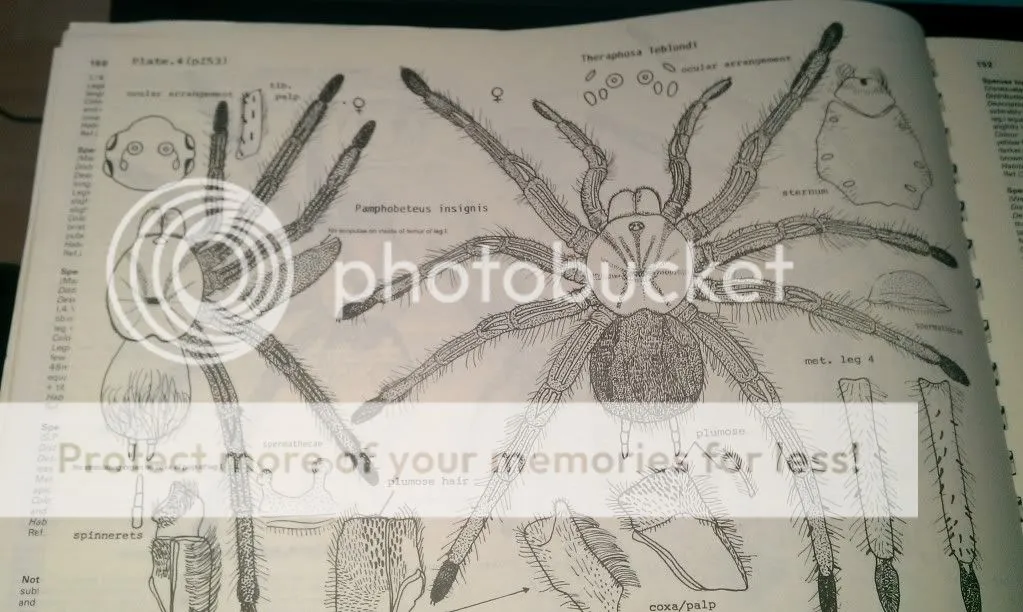
A good tarantula identification book is an invaluable resource for quickly and accurately identifying tarantulas. These books provide detailed descriptions, high-quality photographs, and range maps to facilitate identification. They often include information on the physical characteristics, behavior, and habitat of different species. The identification books are the cornerstone of the identification process. There are a variety of guides available that can act as a key tool to enhance one’s knowledge about spiders. Selecting and using a good tarantula identification book is the difference between a successful and a failed identification attempt.
Key Features of a Good Identification Book
A good tarantula identification book should have a number of key features to support quick and accurate identification. Firstly, it should contain high-quality photographs, preferably in color, that clearly illustrate the various tarantula species. Secondly, the book should provide detailed descriptions of the key identifying characteristics, including size, color patterns, and the presence or absence of specific features like urticating hairs. Information on habitat and range maps is also useful for quick identification. Detailed information on the behavior and any potential danger or unique features can also add to the book’s value. A well-structured and user-friendly layout, making it easy to find and compare different species, is also essential for facilitating the rapid identification of tarantulas.
Step-by-step Identification Process
The following step-by-step process can help you identify tarantulas quickly using an identification book. Begin by observing the tarantula, noting its size, color, and patterns. Then, consult the identification book, using the characteristics you observed to narrow down the possible species. Compare the tarantula with the photographs and descriptions in the book. Consider the tarantula’s habitat and geographic location. This will further help you to confirm the identification. Check for any unique features like the presence of urticating hairs or the type of spinnerets. When uncertain, compare the tarantula with multiple species and seek expert opinions to confirm your identification. Following this process will significantly improve your ability to quickly and accurately identify tarantulas.
Examine the Spider’s Physical Features

Carefully examining a tarantula’s physical features is the first step in using an identification book. Begin by noting the overall size and leg span. Observe the color and pattern on the body, legs, and chelicerae. Look for unique markings, such as stripes, spots, or bands. Examine the presence or absence of urticating hairs on the abdomen. Note the shape and size of the chelicerae and the overall appearance of the carapace. Consider the size and shape of the eyes. Document any notable details to allow for comparison against images in a tarantula identification book. With these details, you can start the process of matching the tarantula you are observing against the descriptions provided in the identification book.
Compare with Images and Descriptions
Once you have examined the tarantula’s physical features, the next step is to compare your observations with the images and descriptions in the identification book. Find the section of the book that corresponds to the size, color, and pattern you observed. Compare the tarantula’s features with the illustrations and descriptions provided. Pay close attention to details such as leg markings, the shape of the carapace, and the arrangement of the eyes. Carefully check any other unique features mentioned in the description. If the tarantula has urticating hairs, check to see if the book specifies the type and arrangement of those hairs. Match the tarantula with the species in the book. This comparison helps narrow down the possibilities and confirms your tentative identification. Be thorough to ensure accuracy.
Consider the Habitat Information
Habitat information is a critical element in the identification process. Consult the range maps and habitat descriptions provided in the identification book. Use this information to determine whether the tarantula’s location aligns with the known distribution of the potential species. Does the habitat match the environment described in the book? Are the climate and vegetation appropriate? Consider any relevant details about the spider’s behavior or the environment in the book. Ensure that the species found in the specific location and habitat is consistent with your observations. Review the habitat information to reduce the number of possible identifications. This crucial step validates your tentative identification. If there are any inconsistencies, it may be necessary to re-evaluate your observations or consult additional resources.
Tips for Accurate Tarantula Identification

Accurate tarantula identification relies on several important tips to help you avoid common mistakes and improve your accuracy. By incorporating these steps in your identification efforts, you can increase the reliability of your findings and become more confident in identifying different species. With practice and attention to detail, you will be able to identify tarantulas quickly and efficiently.
Avoid Handling Tarantulas Without Expertise
Never handle a tarantula unless you have the necessary experience and expertise. Handling tarantulas can be dangerous, as they may bite if they feel threatened. Even if a tarantula appears calm, it can still react defensively. It is much safer to observe the tarantula from a distance. Use appropriate equipment like a camera or binoculars. If it is necessary to handle a tarantula, consult with an experienced handler. Prioritize safety at all times. By following these guidelines, you can observe and appreciate these amazing creatures while avoiding potential injury.
Document Your Findings
Always document your findings carefully. Take detailed notes on the tarantula’s physical characteristics, including size, color, and patterns. Record the exact location where the tarantula was found. Include habitat information, such as the type of environment and vegetation. If possible, take photos or videos. Include any relevant observations regarding behavior. Accurate documentation will support your identification efforts and enable you to review and confirm your conclusions. Sharing your notes with experts or online communities can provide validation. Detailed documentation will also serve as a valuable resource for your further studies.
Common Tarantula Identification Challenges

Identifying tarantulas can present some common challenges, even for experienced individuals. Understanding these potential pitfalls is crucial for avoiding mistakes and ensuring the accuracy of the identification process. Be aware of the difficulty of identifying tarantulas and work to mitigate them. There are several areas that commonly cause issues, particularly when comparing tarantulas. These challenges are inherent to the process of identifying the creatures.
Misidentification Due to Similar Species
One of the most frequent challenges is misidentification due to similar species. Many tarantulas share very similar physical characteristics, making it difficult to differentiate them based on appearance alone. Furthermore, juvenile tarantulas may not exhibit all the features that are seen in adults. Variations within species can cause further issues, and there is always the potential for color variations, so different individuals of the same species can display different appearances. Therefore, it is extremely useful to consult multiple sources and seek expert opinions. Comparing multiple images and descriptions is essential to confirm a definitive identification. Taking extra precautions will help minimize this risk.
Importance of Accurate Identification
Accurate tarantula identification is important for several reasons. Precise identification supports scientific research, providing accurate data on species distribution, behavior, and ecology. Correct identification facilitates responsible conservation efforts, allowing for the protection of vulnerable species and their habitats. Accurate identification is essential for people who keep tarantulas as pets or interact with them. It helps in managing tarantulas properly and avoiding any potential health risks. Knowing the species aids in understanding the tarantula’s unique behavior and its place in the ecosystem. Accurate identification will allow for a deeper appreciation of these amazing arachnids.
Conservation and Responsible Tarantula Observation

Tarantulas play a vital role in their ecosystems. Observing them responsibly is essential for their conservation. When observing tarantulas in the wild, avoid disturbing their habitat. Take care not to harm the tarantula or its environment. Photographing tarantulas from a safe distance is a great way to record your findings. Educating yourself about tarantula behavior can reduce the chance of unwanted interaction. When keeping tarantulas as pets, provide the proper care and habitat requirements. Support conservation organizations. By taking these steps, you can contribute to the conservation of these amazing creatures.