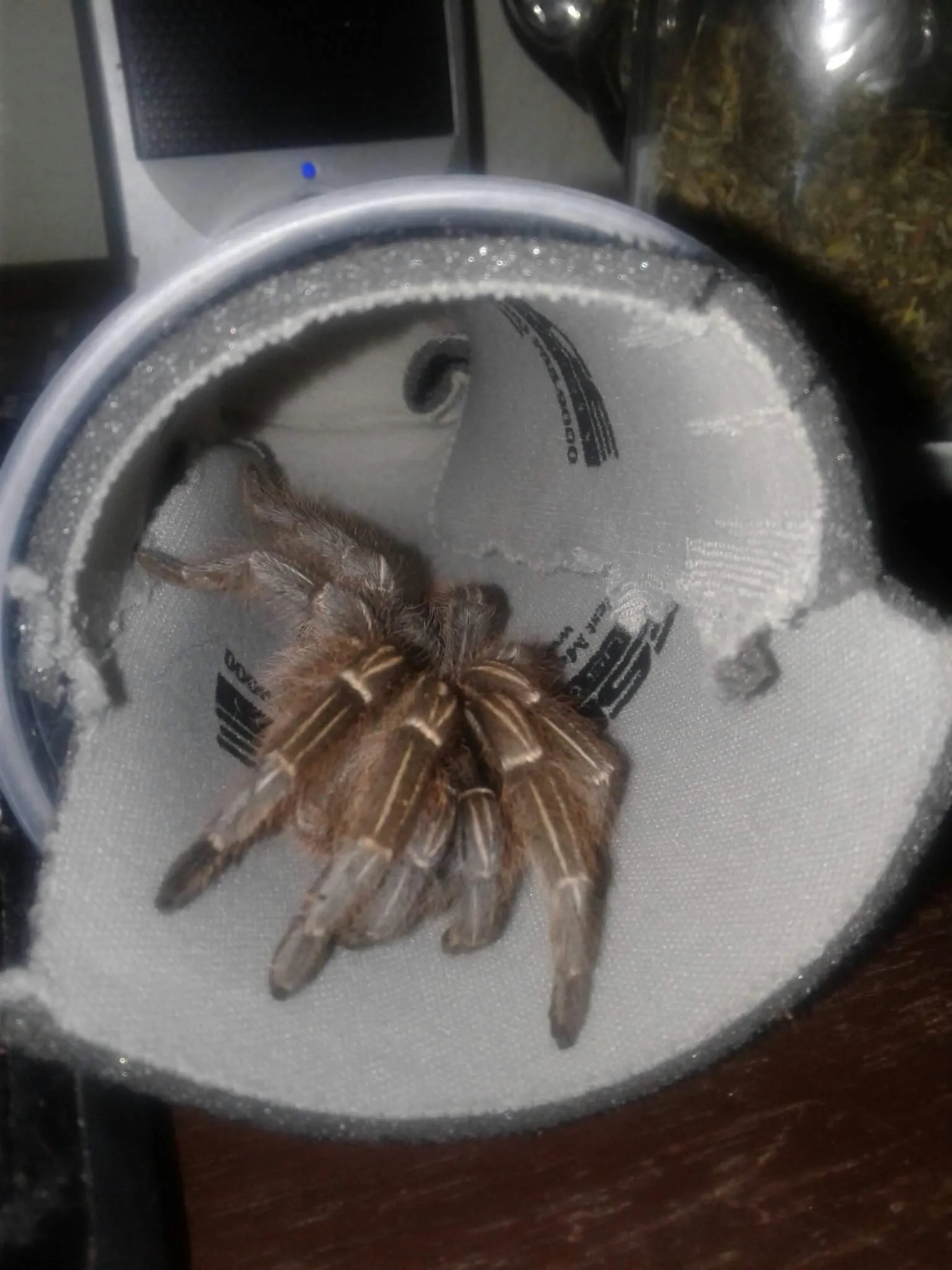
Keeping a tarantula can be a fascinating and rewarding experience for any pet enthusiast. These captivating arachnids, with their diverse appearances and relatively low-maintenance needs, have become increasingly popular pets. This beginner’s guide provides comprehensive information on how to care for a tarantula, ensuring its health and happiness, from species selection and habitat setup to feeding, handling, and health considerations. Whether you’re a seasoned reptile keeper or a complete novice, this guide will equip you with the knowledge to successfully keep a tarantula.
Choosing Your Tarantula [Species Selection]
The first step in tarantula keeping is selecting the right species. Not all tarantulas are created equal when it comes to care requirements and temperament. Beginners should focus on species known for their docile nature and ease of care. Researching different species and understanding their specific needs is crucial to a successful tarantula keeping experience. Consider your experience level, the space you have available, and the amount of time you can dedicate to care. Some species are more tolerant of handling than others, and this will influence your choice. Consider also the size the tarantula will grow to.
Popular Tarantula Species
Several tarantula species are particularly well-suited for beginners due to their relatively docile temperaments and straightforward care needs. The Chilean Rose Hair (Grammostola rosea) is a classic beginner species, known for its calm disposition and tolerance of handling. Mexican Red Knee tarantulas (Brachypelma hamorii) are another excellent choice, recognized for their striking coloration and gentle nature. Other species to consider include the Pinktoe tarantula (Avicularia avicularia) known for its arboreal lifestyle and the Cobalt Blue tarantula (Cyaneopubescens) which are both docile and make a great addition to any collection. Before acquiring any tarantula, research its specific needs to ensure you can provide appropriate care.
Size and Temperament Considerations

When selecting a tarantula species, consider both the adult size and the temperament. Some species can grow to be quite large, requiring a spacious enclosure. The temperament of a tarantula can vary greatly between species. Some tarantulas are docile and less prone to defensive behaviors like flicking urticating hairs, while others may be more defensive. Researching the temperament of a species is essential, especially if you plan on handling your tarantula. Consider that all tarantulas can bite if they feel threatened, so handle them with care and respect their space.
Habitat Setup Essentials
Creating the right habitat is crucial for your tarantula’s well-being. A proper enclosure provides a safe and comfortable environment, allowing your pet to thrive. This involves selecting the right enclosure type and size, choosing appropriate substrate, and maintaining the correct temperature and humidity levels. Understanding these habitat essentials ensures your tarantula lives a long and healthy life, and feels secure and comfortable within its habitat.
Enclosure Size and Type
The size and type of enclosure will depend on the species and the size of your tarantula. For terrestrial tarantulas, a rectangular enclosure that is wider than it is tall is best. Arboreal species need taller enclosures, as they spend most of their time climbing. The enclosure should be large enough for the tarantula to move around comfortably, but not so large that it feels overwhelmed. As a general guideline, the width of the enclosure should be at least twice the tarantula’s leg span. A secure lid is a must, as tarantulas are expert escape artists.
Substrate Selection

The substrate is the bedding material that lines the bottom of the enclosure. The substrate helps to maintain humidity and provides a natural environment for the tarantula. The best substrate for most tarantulas is a mixture of peat moss, vermiculite, and coconut fiber. This combination retains moisture well while allowing for burrowing. The depth of the substrate should be appropriate for the species; burrowing species need a deeper substrate than those that do not burrow. Avoid substrates like sand or gravel, which can be difficult to maintain at the correct humidity level and can be harmful if ingested.
Temperature and Humidity Control
Maintaining the correct temperature and humidity is vital for your tarantula’s health. Most tarantulas thrive in temperatures between 75-85°F (24-29°C). Use a heat lamp or a heat mat placed on the side of the enclosure to maintain the ideal temperature. Humidity levels vary depending on the species, but a general range of 60-80% is typical. Use a hygrometer to monitor humidity levels. Increase humidity by misting the enclosure with water and ensuring proper ventilation to prevent mold growth. Ensure there is a shallow water dish available for the tarantula to drink from.
Feeding and Watering Your Tarantula
Proper feeding and watering are critical for a tarantula’s survival and well-being. Understanding the right diet and hydration methods ensures that your pet receives the necessary nutrients and fluids to thrive. The frequency of feeding, the types of food to offer, and the watering techniques are key aspects of providing excellent care.
What to Feed Your Tarantula

Tarantulas are primarily insectivores, meaning they eat insects. The staple diet should consist of commercially available insects such as crickets, mealworms, dubia roaches, and hornworms. The size of the prey should be appropriate for the size of the tarantula, with juvenile tarantulas requiring smaller insects than adults. Feed your tarantula two or three times a week, depending on its size and metabolism. It’s important to remove any uneaten insects within 24 hours to prevent them from stressing or potentially harming the tarantula. The insect should be gut-loaded with nutritious food prior to feeding, ensuring they are fortified with essential nutrients.
Watering Techniques
Tarantulas need a constant supply of fresh water. Provide a shallow water dish that is accessible and easy to access. Ensure the dish is shallow enough to prevent the tarantula from drowning. Refill the water dish regularly, typically every one or two days, and clean it to prevent bacteria growth. For some species, especially those that prefer higher humidity, you may also mist the enclosure lightly with water one or two times a week. However, avoid over-misting, as this can lead to mold and other problems.
Handling and Safety
While tarantulas can be fascinating creatures, it’s important to handle them with care and respect. Always prioritize your safety and the tarantula’s well-being when interacting with your pet. Understanding safe handling practices and recognizing signs of stress will help you avoid bites and ensure a positive experience for both you and your tarantula. Not all species are created equal when it comes to handling; some are more docile than others, while others are more likely to be defensive.
Safe Handling Practices

Handling a tarantula should be done with caution, and some keepers choose to avoid handling altogether. If you decide to handle your tarantula, do so with care. Handle your tarantula low to the ground, in case it falls. Approach the tarantula slowly and gently, never making sudden movements. If the tarantula seems agitated or defensive, it’s best to leave it alone. Avoid forcing a tarantula to come out of its enclosure. Always wash your hands thoroughly before and after handling your tarantula.
Understanding Tarantula Behavior
Understanding tarantula behavior is vital for safe handling. Tarantulas can exhibit defensive behaviors such as rearing up, raising their front legs, or flicking urticating hairs. These are warnings that the tarantula feels threatened. If your tarantula displays these behaviors, it’s best to leave it alone. Some tarantulas are more skittish and prone to bolting, so be prepared for that possibility. Always respect the tarantula’s personal space and avoid any actions that could provoke it. Learn to read the body language of your specific species, as different species can have different behaviors.
Health and Common Issues
Like all pets, tarantulas can experience health problems. Recognizing common issues and knowing how to provide preventative care will help you keep your tarantula healthy and happy. Being observant and proactive in your tarantula care routine is key to identifying any potential problems early on. This section will give you the information you need to maintain the well-being of your pet tarantula, from spotting symptoms to seeking appropriate veterinary advice.
Identifying Common Health Problems

Several health problems can affect tarantulas. Dehydration is a common issue, often caused by low humidity or lack of access to water. Symptoms include lethargy and a shriveled appearance. Respiratory problems, such as mold or fungal infections, can occur if the enclosure is too humid or poorly ventilated. Check for any unusual behavior or symptoms, such as loss of appetite, changes in color, or abnormal movements. If you notice any of these signs, consult with a veterinarian experienced with exotic pets for guidance and treatment. Mites and parasites are also a potential concern; inspect your tarantula and its enclosure regularly for these pests.
Preventative Care Tips
Preventative care is crucial for maintaining a healthy tarantula. Provide a clean, appropriately sized enclosure with correct temperature and humidity levels. Maintain a balanced diet with a variety of insects. Regularly clean the enclosure, removing any uneaten food and replacing the substrate as needed. Always wash your hands before and after handling your tarantula. Quarantine new tarantulas for a few weeks before introducing them to your existing collection. If you notice any signs of illness, isolate the affected tarantula and consult with a veterinarian specializing in exotic animals for prompt diagnosis and treatment.
Creating a Thriving Tarantula Habitat
Creating a thriving tarantula habitat is more than just setting up an enclosure. It’s about providing an environment that caters to the species’ specific needs, allowing the tarantula to thrive. By following the guidelines in this beginner’s guide, you can create a secure, comfortable, and stimulating habitat that allows your tarantula to exhibit natural behaviors and live a long, healthy life. Remember that each species has unique requirements, so conduct thorough research and tailor the habitat accordingly.
Keeping a tarantula can be a rewarding experience. By following the guidelines in this guide, you can provide a safe, healthy, and enriching environment for your arachnid companion. Remember to research the specific needs of your chosen species, be patient, and enjoy the fascinating world of tarantula keeping. With proper care and attention, your tarantula will become a captivating and cherished member of your family.