
What is Tarantula Substrate
Tarantula substrate is the bedding material used to line the enclosure of a pet tarantula. It serves multiple crucial functions beyond just providing a surface for the spider to walk on. The right substrate is vital for the health, well-being, and overall happiness of your tarantula. It helps maintain appropriate humidity levels, which is essential for the spider’s ability to molt properly and breathe comfortably. A good substrate also provides a naturalistic environment, allowing the tarantula to exhibit its natural burrowing behaviors and feel secure. Furthermore, it can help absorb waste and odors, contributing to a cleaner and healthier living space for both the tarantula and the keeper. Choosing the right substrate and maintaining it correctly is one of the most fundamental aspects of tarantula care.
Why is Substrate Important for Tarantulas
The substrate is more than just a decorative element it is a necessity for tarantula health. Substrate plays a pivotal role in regulating the enclosure’s humidity, a critical factor for the tarantula’s molting process. Insufficient humidity can lead to molting difficulties, posing serious health risks. It also provides a medium for the tarantula to burrow, a natural behavior that offers security and stress relief. Furthermore, the substrate acts as a buffer against temperature fluctuations, contributing to a stable and comfortable environment. Moreover, it aids in waste management, absorbing waste products and helping to control odors within the enclosure. In essence, a suitable substrate is essential for mimicking the tarantula’s natural habitat and supports its physical and psychological well-being.
Key Components of Tarantula Substrate
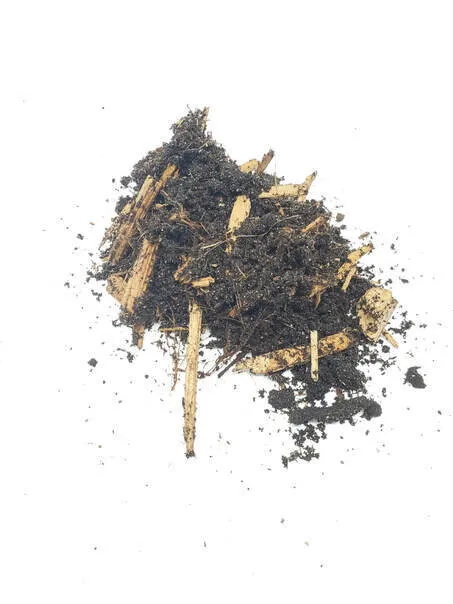
A good tarantula substrate is typically a blend of different materials. The ideal mix should be able to retain some moisture while allowing for adequate ventilation to prevent mold and mildew growth. A common base for many tarantula substrates includes coconut fiber or peat moss, both of which have excellent moisture-retention capabilities. Other components, such as sphagnum moss, can be added to increase humidity levels, while vermiculite or perlite might be used to improve drainage and aeration. The specific combination depends on the tarantula species, as requirements can vary. The key is to strike a balance that meets the spider’s specific needs and promotes a healthy, thriving environment. It is important to avoid components such as sand or wood chips, which can be harmful.
Coconut Fiber
Coconut fiber, also known as coco coir, is a popular choice for tarantula substrate. It’s a byproduct of the coconut industry and is widely available and affordable. Its benefits include excellent water retention, good drainage, and a neutral pH, making it a safe option for tarantulas. It also has a natural resistance to mold and mildew, further reducing the risk of issues. Coconut fiber is typically sold in compressed bricks that expand when water is added, making it easy to store and transport. It provides a suitable base for burrowing and encourages natural behaviors. Remember to always rinse the coconut fiber before use to remove any potential salts or chemicals that may have been introduced during processing.
Peat Moss
Peat moss, derived from decomposed sphagnum moss, is another excellent component for tarantula substrate. It boasts high water retention capacity and, like coconut fiber, offers a stable pH. Peat moss is particularly useful for species requiring higher humidity levels. However, peat moss can sometimes be more acidic than coconut fiber, so it’s important to monitor the substrate’s pH to ensure it remains within the tarantula’s comfort zone. It’s also crucial to purchase peat moss from a reputable source to avoid any potential contaminants. Peat moss can compact over time, so mixing it with other components like perlite can help improve aeration and prevent this issue. Peat moss also tends to break down more quickly than coconut fiber, so it may require more frequent replacement.
Sphagnum Moss

Sphagnum moss is often added to a tarantula substrate mix to boost humidity. It has superior water retention properties and, when added in moderate amounts, helps maintain optimal humidity levels in the enclosure. Sphagnum moss is particularly beneficial for species that thrive in humid environments. It is often placed in a corner of the enclosure, which provides a humidity gradient that allows the tarantula to self-regulate. Always ensure the sphagnum moss is clean and free from any pesticides or chemicals before use. It can be rehydrated easily and can last for a reasonable period. However, it’s essential to monitor for mold growth and replace it if needed, since sphagnum moss can become a breeding ground for harmful microorganisms if not properly maintained.
Vermiculite and Perlite
Vermiculite and perlite are often added to tarantula substrate mixes to improve drainage and aeration. Vermiculite is a mineral that can absorb a significant amount of water, helping to regulate moisture levels, whereas perlite is a volcanic glass that is very porous and aids in creating air pockets within the substrate. Adding these components helps prevent the substrate from becoming overly compacted, promoting healthy root growth for any live plants that might be present in the enclosure. While both are inert and safe for tarantulas, it’s advisable to use them in moderation, as too much can dry out the substrate. They are especially valuable in habitats where excess moisture or poor ventilation might be a concern.
Step-by-Step Guide to Making Tarantula Substrate
Creating the perfect substrate involves more than just throwing ingredients together. It’s a process that requires careful attention to detail and an understanding of your tarantula’s needs. The following steps will guide you through the process. Each tarantula species has unique requirements, so research your specific species before starting. Factors like the desired humidity levels and the tarantula’s burrowing behavior should influence the choice of components and the final substrate mix. By following these steps and making the right choices, you can create a healthy and comfortable home for your tarantula.
Gathering Your Materials

Before you start, gather all necessary materials. You will need the primary substrate components (coconut fiber, peat moss), any additives (sphagnum moss, vermiculite, perlite), a clean container for mixing, and a source of dechlorinated water. Ensure that all ingredients are of high quality and free from any chemicals or pesticides. It’s advisable to have a spray bottle on hand to add water gradually and control the moisture levels. Also, have a pair of gloves ready to keep your hands clean. The quantity of each material depends on the size of the enclosure and your tarantula’s specific requirements, but it’s always better to have a little extra on hand. Make sure you have everything you need to make the process smooth and efficient.
Mixing the Components
Once your materials are ready, start by mixing the primary substrate components in your container. A common starting point is a 21 ratio of coconut fiber or peat moss. If you plan to add sphagnum moss, sprinkle a small amount throughout the mix. Then, add vermiculite or perlite to improve drainage. Use your hands or a clean tool to thoroughly combine the ingredients. Make sure that all components are evenly distributed. It is better to make the mix a bit at a time. The goal is to create a homogeneous mixture where each ingredient is well-integrated. This uniformity ensures that the substrate provides consistent support and maintains the proper moisture levels throughout the enclosure. This will also help maintain the correct humidity levels.
Adding Water and Achieving Proper Humidity
After mixing the dry components, slowly add dechlorinated water. The amount of water will depend on the substrate composition and the humidity needs of your tarantula species. Begin by spraying small amounts of water using a spray bottle, mixing well after each addition. The substrate should be damp but not soaking wet. A good test is to squeeze a handful of the substrate; it should hold its shape and release a few drops of water, but not gush. Humidity levels can vary, so it is best to start moderately and increase as needed. This helps prevent over saturation, which could lead to mold growth and health problems. Adjust the water quantity according to the texture and feel of the substrate.
Testing and Adjusting the Substrate

Before adding the substrate to the tarantula’s enclosure, test its moisture content and make any necessary adjustments. Use a hygrometer to monitor humidity levels within the enclosure after the substrate is in place. If the humidity is too low, lightly mist the substrate with dechlorinated water or add a layer of sphagnum moss. If the humidity is too high, improve ventilation or reduce the amount of water added. The goal is to provide a balance that is appropriate for your specific tarantula species. It may take a few adjustments to get the substrate just right. Regular monitoring and minor adjustments are key to maintaining the ideal environment for your tarantula.
Maintaining Your Tarantula’s Substrate
Maintaining the substrate is a continual process to ensure your tarantula’s health and happiness. Proper maintenance involves both monitoring and periodic cleaning and replacement. These maintenance activities are essential to keep the environment clean, healthy, and suitable for your tarantula. By keeping a regular routine, you will prevent the accumulation of waste, control odors, and support the tarantula’s natural behaviors. The goal is to replicate and maintain an environment that is as close as possible to the tarantula’s natural habitat, which is why these maintenance actions are essential.
Monitoring Humidity Levels
Regular monitoring of humidity levels is crucial for maintaining a healthy environment for your tarantula. Use a hygrometer to measure the humidity within the enclosure. The ideal humidity level varies depending on the species, so research the specific requirements for your tarantula. Check the hygrometer daily and make any necessary adjustments. If humidity levels are too low, lightly mist the substrate with dechlorinated water. If they are too high, improve ventilation by adjusting the enclosure’s airflow. A consistent monitoring schedule helps prevent sudden fluctuations and ensures the environment stays suitable. Make sure to place the hygrometer in a place inside the enclosure where it can provide accurate readings.
Cleaning and Replacing Substrate
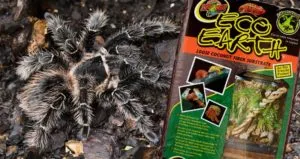
Cleaning and replacing the substrate is essential for preventing the buildup of waste products and maintaining a healthy living environment. Spot-clean the substrate regularly, removing any visible waste, uneaten food, and molts. The frequency of spot-cleaning depends on the size of the enclosure and the amount of waste produced. Full substrate replacement should be done periodically, generally every 6-12 months, or sooner if the substrate becomes heavily soiled or moldy. When replacing the substrate, remove all old material, clean the enclosure thoroughly, and replace it with fresh, prepared substrate. This process helps control odors, prevent the buildup of harmful bacteria, and keeps the environment fresh and healthy for your tarantula.
Common Mistakes to Avoid
Several common mistakes can compromise the quality of the substrate and affect your tarantula’s health. Avoiding these pitfalls will help ensure a safe and suitable environment for your pet. Understanding these mistakes is the first step towards preventing them. Paying attention to these common errors will help you avoid problems and keep your tarantula healthy and happy. Taking preventative measures will help improve the quality of life of your tarantula.
Overwatering
Overwatering is a frequent mistake that can lead to several problems. Excessive moisture can cause mold and mildew growth, which is harmful to tarantulas. Overly wet substrate can also make burrowing difficult and potentially lead to skin infections. To avoid this, always monitor the moisture content of the substrate and adjust the watering schedule accordingly. Ensure the substrate is damp but not waterlogged. Proper ventilation is equally important in preventing excessive moisture build-up. If you notice signs of mold, replace the substrate immediately. This will help maintain a healthier and safer habitat for your tarantula.
Using Incorrect Materials

Using inappropriate materials is another common error. Avoid using substrates that can be harmful to tarantulas, such as sand, wood chips, or cedar shavings. These materials can be dusty, potentially leading to respiratory problems, or contain oils that can be toxic to the spider. Always research the best substrate options for your species before setting up the enclosure. Stick to safe and proven materials like coconut fiber, peat moss, and sphagnum moss. Remember to avoid any materials that can introduce chemicals or pollutants, as these can be fatal. Choosing the right components is essential for the tarantula’s health and well-being.
Conclusion
Creating and maintaining the right substrate is fundamental to tarantula care. By understanding the purpose of substrate, the key components, and the step-by-step process of creating it, you can establish a healthy and enriching environment for your tarantula. Regular monitoring, cleaning, and adjustments will ensure that the substrate remains suitable, contributing to the spider’s health and happiness. Avoid common mistakes like overwatering and using incorrect materials to maintain a safe and comfortable habitat. With proper care and attention, you can provide your tarantula with the perfect living space, allowing it to thrive and exhibit its natural behaviors. Enjoy the fascinating world of tarantula keeping, and take pride in providing the best possible care for your pet.