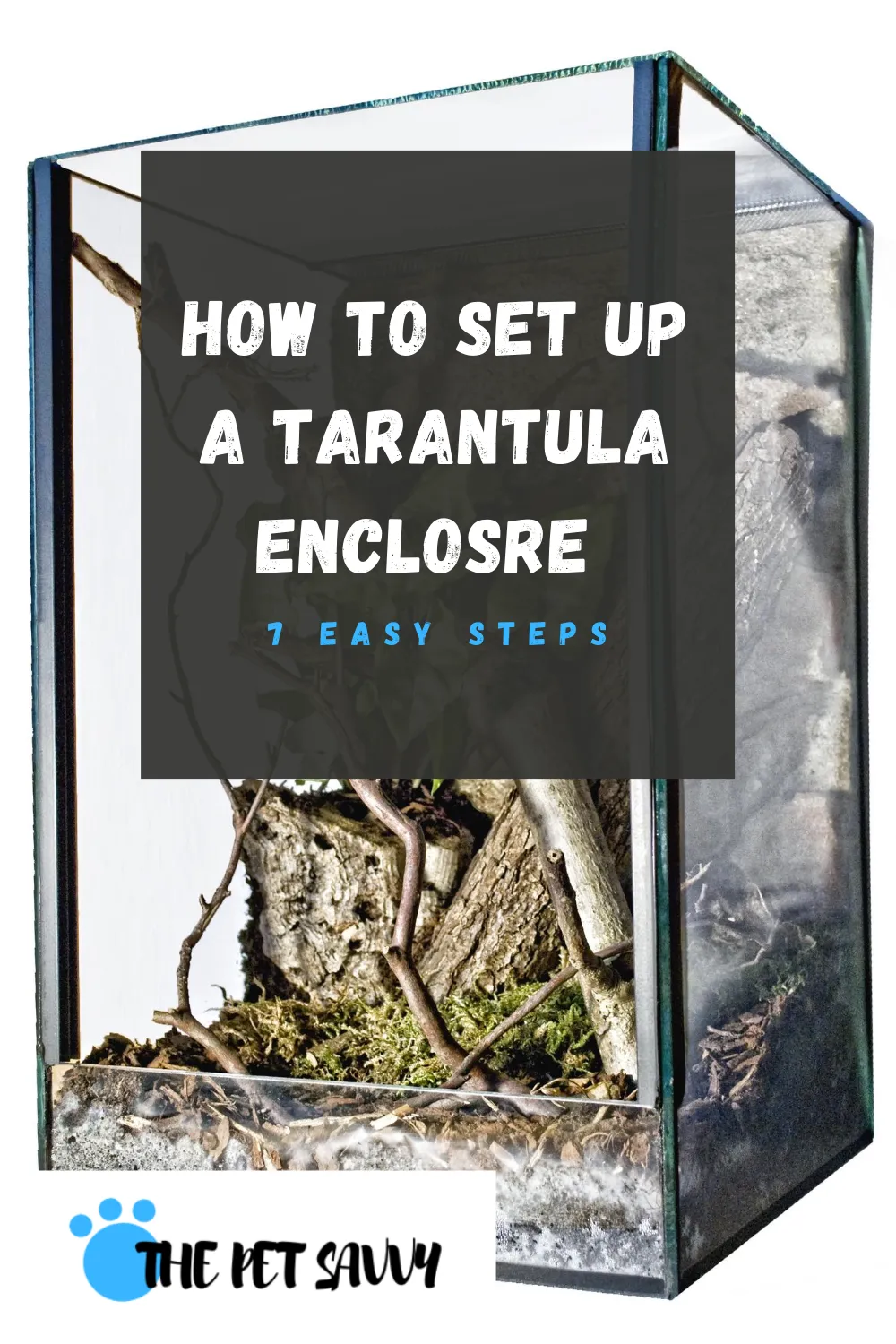
Setting up a tarantula enclosure is crucial for the health and well-being of your eight-legged friend. A well-designed habitat provides a safe, comfortable, and stimulating environment, allowing your tarantula to thrive. This ultimate guide will walk you through every step, from choosing the right enclosure to maintaining it, ensuring you provide the best possible care for your pet tarantula. Properly setting up a tarantula enclosure is one of the most important steps in tarantula care. It is essential that the enclosure is appropriately sized, secure, and provides the necessary environmental conditions for the species. Incorrect setup can lead to stress, health issues, and even premature death of your tarantula. With a little knowledge and preparation, you can create an amazing home for your tarantula.
Choosing the Right Tarantula Enclosure
The foundation of a healthy tarantula is the right enclosure. This means selecting one that is the correct size, offers secure housing, and is made of suitable materials. Consider the size of your tarantula species and its specific needs. Researching the particular species of tarantula you are planning to own will help you to choose the enclosure that best suits its requirements. Always prioritize safety and security when choosing an enclosure, ensuring your tarantula cannot escape and that the environment is stable and suitable for your species of tarantula. This not only protects your pet but also prevents potential issues with the local environment or anyone else in your home.
Enclosure Size and Type Considerations
The size and type of the enclosure are essential to a comfortable tarantula. A good rule of thumb is that the enclosure should be at least twice the tarantula’s leg span in width, and for terrestrial species, the height should be enough to prevent escape during molting or climbing. The enclosure should also have a secure lid that will prevent escape, and it is important that the enclosure is made of a material which will not break or crack under pressure. Remember to consider the long-term needs of your tarantula, including potential growth. This ensures that your pet has enough space to grow into, and doesn’t feel cramped.
Appropriate Size for Tarantula Species

Different tarantula species have different space requirements. Terrestrial species, such as the Chilean rose hair, typically need more floor space, while arboreal species, like the pinktoe tarantula, require more vertical space for climbing. For example, a juvenile tarantula might do well in a small deli cup with ventilation, but as it grows, it will require a larger terrarium. Overcrowding can lead to stress, which can affect the tarantula’s behavior and health. Researching the specific needs of your species will allow you to create an ideal habitat. By providing an appropriately sized enclosure, you give your tarantula the chance to exhibit natural behaviors and thrive.
Glass vs. Acrylic Enclosures
Both glass and acrylic enclosures have their advantages. Glass enclosures are typically more durable and scratch-resistant, and can be more affordable. They also offer excellent visibility, allowing you to easily observe your tarantula. Acrylic enclosures are lighter and offer better insulation, maintaining temperature and humidity more effectively. They are also less likely to shatter if dropped. However, acrylic can scratch more easily. When choosing between the two, consider the needs of your species and your own preferences. Both enclosure types can be suitable as long as they meet the necessary requirements for size, ventilation, and security. Consider the pros and cons to decide which one is best suited to your personal circumstance.
Substrate Selection for Your Tarantula
The substrate is the foundation of your tarantula’s habitat, providing a comfortable surface for burrowing (for terrestrial species) and helping to maintain humidity. It also plays a vital role in the overall well-being of your tarantula, offering a place to hide, thermoregulate, and feel safe. The right substrate provides the appropriate environmental conditions, preventing issues that might arise from the enclosure environment. Choose a substrate that is appropriate for your tarantula species and ensures the enclosure provides the necessary conditions for your tarantula to thrive.
Types of Substrates and Their Benefits

There are several suitable substrates for tarantulas, and each has its own benefits. Coconut fiber is a popular choice, as it holds humidity well and is readily available. Sphagnum moss can also be used to increase humidity in localized areas, providing ideal conditions for molting. Peat moss is another good option, and it is often combined with other substrates for its moisture-retention properties. Avoid substrates like cedar or pine shavings, which can be toxic to tarantulas. The ideal substrate should also be non-toxic, safe, and easy to clean. Regularly check the substrate and spot-clean when necessary to remove any waste or uneaten food. Replacing the substrate entirely every few months can help to maintain a healthy environment.
Maintaining Substrate Humidity Levels
Humidity is critical for tarantulas, especially during molting. The substrate should be slightly damp, but not soggy. The correct humidity level depends on the species; some require higher humidity than others. You can monitor humidity levels with a hygrometer and adjust by misting the enclosure with water. Provide a water dish, and avoid overwatering. Overwatering can lead to mold growth and other issues. Always research the specific humidity needs of your tarantula species. Proper humidity promotes healthy molting, aids in respiration, and contributes to the overall well-being of your tarantula.
Providing Proper Ventilation
Proper ventilation is essential for preventing mold and maintaining air quality. Stagnant air can lead to the growth of harmful fungi and bacteria, posing a threat to your tarantula’s health. The right ventilation helps to ensure an environment that is safe and suitable for your tarantula. The correct ventilation also helps to regulate humidity levels and prevent the buildup of ammonia and other harmful gases. This is why it is so important to include ventilation in your enclosure design, as it is crucial to the health of your pet tarantula.
Ventilation Methods and Their Importance

Ventilation is achieved through strategically placed air vents. Most tarantula enclosures have vents along the top and sides. The size and placement of the vents depend on the species and humidity requirements. The goal is to allow for airflow without excessive loss of humidity. Adequate ventilation is critical for preventing mold growth and maintaining air quality within the enclosure. Without the right ventilation, your tarantula may suffer from health issues. Consider the ventilation needs of your particular species. The right ventilation will provide the ideal living conditions for your tarantula.
Preventing Mold and Mildew
Mold and mildew can be detrimental to your tarantula’s health, so preventing their growth is crucial. Ensure good ventilation and avoid overwatering. Spot-clean the enclosure regularly, removing uneaten food and waste. Inspect the substrate for signs of mold and replace it if necessary. The development of mold can have serious consequences. It can lead to respiratory issues and other health problems for your tarantula. Regular maintenance and adequate ventilation are essential for preventing these issues. Maintaining a healthy environment ensures that your pet tarantula lives a long and happy life.
Creating a Safe and Comfortable Environment
In addition to the basics, adding decor, hiding spots, and appropriate temperature and heating creates a more enriching and healthy habitat. These elements provide opportunities for natural behaviors, such as hiding, burrowing, and exploring, which reduces stress. A comfortable environment is essential for a happy and healthy tarantula. The addition of various decorations helps to create a visually stimulating habitat. These items also enhance the overall aesthetic appeal of the enclosure. Carefully consider the specific needs of your tarantula species when planning the decor of the enclosure.
Essential Decor and Hiding Spots

Tarantulas thrive in environments that offer secure hiding spots. Cork bark, hollow logs, and artificial plants can provide these essential hiding places. Providing a secure hiding spot allows the tarantula to retreat when it feels threatened or during molting, reducing stress and promoting a sense of security. Artificial plants can provide cover without taking up a large amount of space, and they can help to maintain humidity levels. Arrange the decor in a way that allows your tarantula to move around and explore its enclosure. Choose non-toxic materials and ensure they are secure to prevent any potential hazards.
Temperature and Heating Requirements
Most tarantula species require temperatures between 70-80°F (21-27°C). Use a thermometer to monitor the temperature inside the enclosure. You may need a heat mat or a ceramic heat emitter to provide supplemental heat, particularly if your home is cold. Always place the heat source outside the enclosure to prevent burns. Never place the heat source directly inside. Provide a temperature gradient, allowing the tarantula to choose where it wants to spend its time. It is important to research the ideal temperature for your tarantula species. Proper temperature maintenance is critical to your tarantula’s health. Failure to maintain the ideal temperature can lead to illness or even death.
Water and Feeding Your Tarantula
Providing water and food is fundamental to the survival of your tarantula. Water is essential for hydration, and food provides the energy it needs to live and thrive. Both these elements play a vital role in ensuring your tarantula’s overall health. Understanding the specific needs of your tarantula species, and how to meet these needs, is a key part of caring for your pet tarantula. The right approach to watering and feeding will contribute significantly to your tarantula’s overall well-being.
Water Dish Options and Placement

A shallow water dish is essential for providing your tarantula with a constant source of fresh water. The dish should be shallow enough to prevent the tarantula from drowning. Place the water dish in a safe and accessible location within the enclosure. Water dishes should be cleaned regularly to prevent the growth of bacteria and mold. You can use a small, shallow dish, such as a bottle cap or a commercial water dish designed for reptiles. Keep the water dish clean and filled with fresh water at all times. The right placement will ensure that your tarantula always has access to fresh water. This ensures your tarantula stays well-hydrated.
Feeding Frequency and Food Choices
The feeding frequency for tarantulas depends on their age, species, and size. Younger tarantulas need to be fed more often than adults. In general, feed juveniles every few days and adults once a week or every other week. Offer a variety of insects, such as crickets, roaches, and mealworms. The size of the prey should be appropriate for the size of the tarantula. Remove any uneaten food within 24 hours to prevent mold and decay. Always research the specific feeding requirements of your tarantula species. Feed your tarantula healthy food and monitor its weight and activity. The right feeding schedule will ensure that your tarantula gets the nourishment it needs.
Cleaning and Maintaining the Enclosure
Regular cleaning and maintenance are crucial for maintaining a healthy environment for your tarantula. This process involves spot cleaning, or removing waste and uneaten food, as well as full enclosure cleaning. The right cleaning practices help to prevent the buildup of bacteria and maintain a clean environment for your tarantula. Regular cleaning helps to minimize any potential health issues and improves the quality of life for your pet tarantula. The process is very simple, but it is also very important to keep on top of the cleaning process.
Spot Cleaning and Full Enclosure Cleaning

Spot cleaning should be done regularly, ideally every few days. Remove any uneaten food, feces, and any other waste products. Full enclosure cleaning involves replacing the substrate and cleaning the enclosure thoroughly. The frequency of full cleanings depends on the species, size of the enclosure, and the amount of waste produced. Replace the substrate every few months or as needed. The right cleaning routine is critical for a healthy environment for your tarantula. This will help prevent the development of mold and bacterial growth. Remove any waste to maintain a clean enclosure.
Best Practices for Cleaning
When cleaning the enclosure, use a safe and non-toxic disinfectant, such as a diluted solution of bleach or a reptile-safe cleaner. Always rinse the enclosure thoroughly after cleaning to remove any residue. When replacing the substrate, be sure to remove all of the old substrate and replace it with fresh, clean substrate. Always wash your hands thoroughly before and after handling your tarantula or its enclosure. Keeping the enclosure clean helps keep your tarantula safe and healthy, minimizing the risk of any health problems. The best practice ensures a safe environment for your tarantula.
In conclusion, setting up a tarantula enclosure is a rewarding experience. By following this ultimate guide, you can create a safe, comfortable, and stimulating habitat for your tarantula. Remember to research your specific species and adjust the setup accordingly. With proper care and attention, your tarantula can live a long and healthy life, and be a rewarding companion. Creating an ideal environment helps to ensure that your tarantula is healthy, and ensures a more enjoyable experience for you as the owner.