Choosing the Right Enclosure for Your Indian Ornamental Tarantula
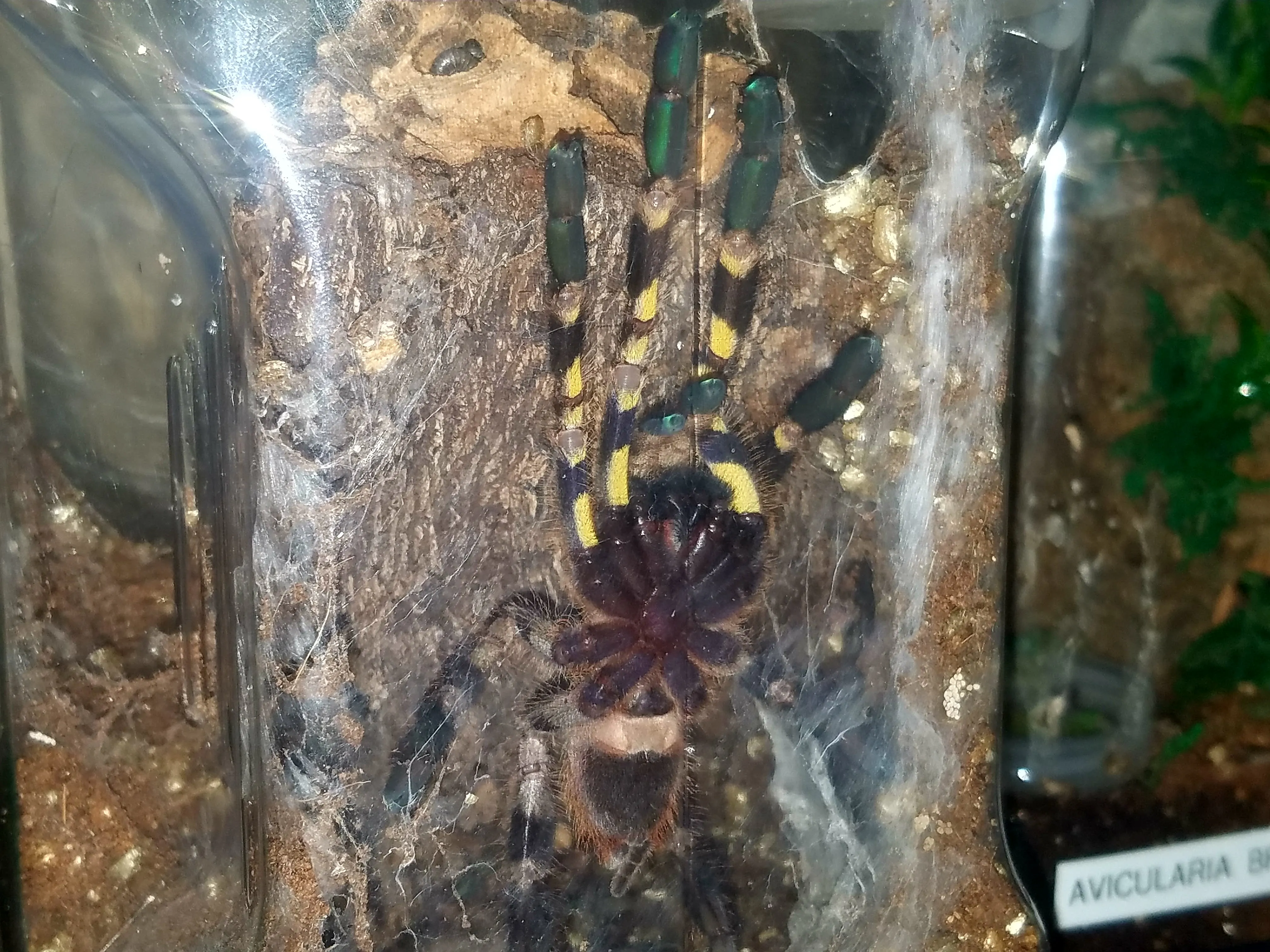
Creating the ideal Indian Ornamental Tarantula habitat is crucial for its health, well-being, and longevity. The enclosure serves as its home, providing shelter, regulating temperature and humidity, and facilitating natural behaviors like burrowing and molting. A well-designed habitat mimics the tarantula’s natural environment, minimizing stress and maximizing the chances of a happy, thriving pet. Understanding the specific needs of your Indian Ornamental Tarantula is the first step toward creating a successful and enriching habitat. This guide will delve into the essential components of a proper enclosure, ensuring you provide the best possible care for your fascinating arachnid companion. From choosing the right size and ventilation to selecting appropriate substrate and decor, we’ll cover everything you need to know to create a thriving environment.
Size Matters: Appropriate Enclosure Dimensions
The size of your tarantula’s enclosure directly impacts its comfort and ability to thrive. Indian Ornamental Tarantulas, known for their arboreal nature, require an enclosure that prioritizes height over floor space. A good rule of thumb is to provide a space that is at least twice the tarantula’s leg span in width and three times its leg span in height. This allows ample room for climbing, web-building, and molting. Consider the adult size of your tarantula when selecting an enclosure for a juvenile. A small juvenile can be housed in a smaller enclosure, but remember to provide a larger home as it grows. An adult Indian Ornamental Tarantula often requires an enclosure that is approximately 12x12x18 inches or larger, although the exact dimensions can vary based on the individual spider. Avoid enclosures that are excessively large, as this can make it harder for the tarantula to find food and feel secure.
Ventilation is Key: Ensuring Proper Airflow

Proper ventilation is paramount for maintaining a healthy Indian Ornamental Tarantula habitat. Stagnant air can lead to mold and mildew growth, which is detrimental to your tarantula’s health. The enclosure should have cross-ventilation, with ventilation holes or mesh screens located on opposite sides or the top and sides of the enclosure. This allows for the circulation of fresh air, which is essential for preventing the buildup of harmful gases and maintaining optimal humidity levels. Ensure the ventilation holes are appropriately sized to prevent the tarantula from escaping, while still allowing for sufficient airflow. Regularly check the ventilation to ensure it is not blocked by substrate or decor. A well-ventilated enclosure contributes significantly to a healthy and thriving Indian Ornamental Tarantula.
Substrate Selection: Creating a Natural Environment
The substrate, the material that forms the bottom of the enclosure, plays a crucial role in the Indian Ornamental Tarantula habitat. It provides a surface for the tarantula to walk on, burrow in, and molt. Furthermore, the substrate helps regulate humidity levels, which are critical for the spider’s health and well-being. Choosing the right substrate mimics the tarantula’s natural habitat, offering a sense of security and contributing to a stress-free environment. A good substrate should also be able to retain moisture, allowing you to maintain the required humidity levels without frequent misting. When selecting substrate, avoid materials that can be toxic or harmful to your tarantula. The ideal substrate creates a comfortable, functional, and aesthetically pleasing environment for your pet.
Ideal Substrate Mixes for Indian Ornamentals
A mix of substrates often works best for Indian Ornamental Tarantulas. A common and effective mix includes a combination of peat moss, vermiculite, and coco fiber. These components provide excellent moisture retention, aeration, and drainage, creating an environment that is both comfortable and functional for your tarantula. Peat moss and coco fiber provide a good base for burrowing and retaining moisture. Vermiculite further enhances moisture retention while also aerating the substrate. Other acceptable additions include a small amount of sphagnum moss, which aids in maintaining humidity in localized areas. Avoid using substrates that are too dusty or could potentially irritate your tarantula. Always ensure the substrate is free of pesticides or other harmful chemicals.
Maintaining Substrate Humidity Levels

Maintaining the correct humidity level is critical for the health of your Indian Ornamental Tarantula. These tarantulas thrive in a moderately humid environment. To maintain optimal humidity, mist the enclosure with dechlorinated water every few days or as needed. The frequency of misting depends on the ventilation and the type of substrate used. The substrate should be moist but not waterlogged; excessive moisture can lead to mold growth. Use a hygrometer to monitor the humidity levels, aiming for a range of 65% to 75%. If the humidity drops too low, increase the misting frequency. If the humidity is too high, increase ventilation. Regular monitoring and adjustments are crucial for creating a stable and comfortable environment for your pet. The proper humidity ensures the tarantula molts successfully and remains healthy.
Essential Decor: Furnishing the Habitat
Adding appropriate decor to your Indian Ornamental Tarantula’s habitat is not just about aesthetics; it’s also essential for the spider’s well-being. Decor provides hiding places, helps the tarantula feel secure, and encourages natural behaviors. Choose decor that is non-toxic, doesn’t have sharp edges, and can withstand the humidity of the enclosure. The goal is to create an environment that mimics the tarantula’s natural habitat, providing enrichment and reducing stress. The right decor will enhance your tarantula’s life and create a more interesting and engaging display for you.
Providing Hiding Places and Climbing Structures
Indian Ornamental Tarantulas are arboreal, meaning they prefer to climb and live in elevated locations. Providing climbing structures is essential. Cork bark, branches, and sturdy artificial plants are excellent choices. These structures offer the tarantula opportunities to climb, explore, and create webs. Also, include a secure hiding place, such as a piece of cork bark or a hide made for reptiles. A hide is vital for the tarantula’s sense of security, especially during molting. Ensure the hiding place is large enough for the tarantula to comfortably fit inside. Arrange the decor to allow the tarantula to move easily throughout the enclosure and feel safe in its surroundings. A well-furnished enclosure reduces stress and promotes natural behaviors.
The Importance of Live Plants

Live plants can significantly enhance the Indian Ornamental Tarantula habitat, both aesthetically and functionally. They help to maintain humidity levels by releasing moisture into the air through transpiration, reducing the need for frequent misting. Choose plants that are non-toxic, such as Pothos, Sansevieria (snake plant), or small ferns. These plants will add visual appeal to the enclosure. Ensure the plants are well-established in the substrate before introducing them to the tarantula’s habitat. It is important to monitor them for any signs of pests or diseases that could harm your tarantula. Live plants offer enrichment for the tarantula, creating a more natural and stimulating environment, while also helping to regulate humidity. Make sure you provide proper lighting for the live plants.
Temperature and Humidity Control
Temperature and humidity are critical environmental factors that must be carefully controlled to ensure the health and well-being of your Indian Ornamental Tarantula. These tarantulas require specific temperature and humidity ranges to thrive. Monitoring and maintaining these parameters is crucial for successful tarantula keeping. Investing in reliable thermometers and hygrometers will help you to keep track of the environment inside the enclosure.
Optimal Temperature Ranges
Indian Ornamental Tarantulas do best in a temperature range of 75°F to 85°F (24°C to 29°C). Maintaining the correct temperature is essential for their metabolism and overall health. If the room temperature is consistently below the recommended range, you may need to use a heat source, such as a low-wattage heat lamp or a heat mat placed on the side of the enclosure. However, avoid placing the heat source directly under the enclosure, as this can cause the substrate to dry out too quickly. Monitor the temperature regularly using a reliable thermometer and adjust the heat source as needed to maintain the optimal range. A consistent and appropriate temperature allows the tarantula to properly digest its food and remain active.
Humidity Requirements for Indian Ornamentals

Humidity plays a crucial role in your tarantula’s health. As mentioned, Indian Ornamental Tarantulas thrive in a humidity range of 65% to 75%. Use a hygrometer to monitor the humidity levels. To maintain the appropriate humidity, mist the enclosure with dechlorinated water, as needed. Adjust the frequency of misting based on the ventilation and the type of substrate. If the humidity is too low, increase misting. If it is too high, increase ventilation. Consistent monitoring and adjustments are critical to maintaining the right balance for your tarantula. Remember that proper humidity is important for molting and general well-being.
Feeding and Watering Your Tarantula
Proper feeding and watering are essential for the health and longevity of your Indian Ornamental Tarantula. Understanding its dietary needs and providing fresh water are vital components of responsible tarantula care. Regular feeding and access to clean water ensure your tarantula receives the necessary nutrients and stays hydrated.
Appropriate Food Sources and Feeding Frequency
Indian Ornamental Tarantulas are insectivores, which means their diet consists primarily of insects. The most common and appropriate food sources include crickets, mealworms, dubia roaches, and other feeder insects. The size of the insects should be appropriate for the size of your tarantula; generally, the prey should be no larger than the tarantula’s body. Feed juveniles every 2 to 3 days and adults every 1 to 2 weeks. Remove any uneaten insects within 24 hours to prevent them from stressing the tarantula. Provide a varied diet to ensure your tarantula receives a range of nutrients. Always ensure the insects are gut-loaded before feeding them to your tarantula by feeding the insects nutritious foods to enhance their nutritional value, which gets passed on to your tarantula.
Providing Fresh Water

Always provide your Indian Ornamental Tarantula with fresh water. Use a shallow water dish, such as a bottle cap or a small dish made for reptiles, and fill it with clean, dechlorinated water. Ensure the water dish is shallow enough to prevent the tarantula from drowning. Regularly change the water, ideally every 1 to 2 days, to keep it fresh and prevent bacterial growth. Make sure the water dish is placed securely to prevent it from tipping over. Providing clean water ensures your tarantula stays hydrated and contributes to its overall health and well-being. Regularly cleaning the water dish is also an important part of good hygiene in the enclosure.
In conclusion, creating the perfect habitat for your Indian Ornamental Tarantula involves careful consideration of various factors. From choosing the right enclosure size and substrate to maintaining optimal temperature and humidity levels, every detail plays a crucial role in the tarantula’s health and well-being. Providing appropriate decor, including hiding places and climbing structures, enhances the tarantula’s comfort and encourages natural behaviors. Furthermore, understanding its dietary needs and providing access to fresh water are essential aspects of responsible tarantula care. By following these guidelines, you can create a thriving and enriching environment for your Indian Ornamental Tarantula, ensuring it lives a long and healthy life. Remember that ongoing observation and adaptation are key to providing the best possible care for your fascinating arachnid companion.