What Is a Mexican Red Knee Tarantula?
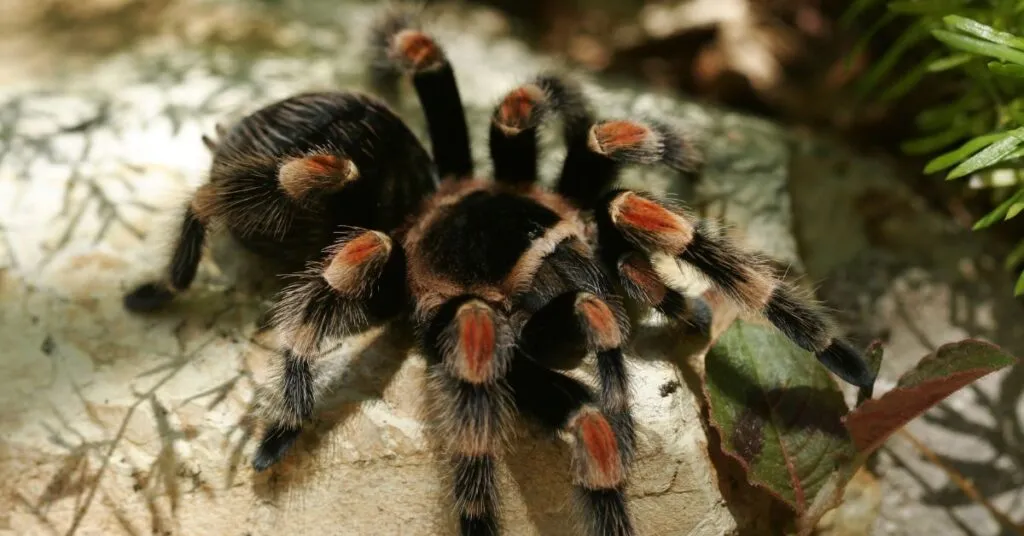
The Mexican Red Knee Tarantula (Brachypelma hamorii) is a popular pet tarantula species, known for its striking appearance and relatively docile temperament. Native to the Pacific coast of Mexico, these spiders are recognizable by their black bodies and distinctive red-orange markings on their leg joints, resembling “knees.” They are a terrestrial species, meaning they live on the ground, and they typically burrow or find shelter in burrows, logs, or under rocks. Their popularity as pets is due to their manageable size, relatively slow movement, and the fact that they are generally not aggressive, making them a good choice for beginner tarantula owners. They are long-lived, with females often surviving for over 20 years in captivity.
Appearance and Characteristics of the Mexican Red Knee Tarantula
Mexican Red Knee Tarantulas exhibit a fascinating appearance. Adult females can reach a leg span of up to 6 inches, while males are typically smaller. The black body is covered in fine hairs, with the most distinguishing feature being the bright red-orange coloration on the leg joints. This vibrant pattern contrasts sharply against the black body, making them visually striking. They also have a carapace (the shell on their upper body) that is often a darker shade, providing camouflage in their natural habitat. These spiders have eight eyes arranged in a cluster, which give them limited vision. They rely more on vibrations and sensory hairs to detect prey and navigate their environment. They also have chelicerae, or fangs, which they use to inject venom into their prey.
Is a Mexican Red Knee Tarantula Venomous or Poisonous?

The critical distinction between venomous and poisonous is essential when discussing tarantulas. The Mexican Red Knee Tarantula, like all tarantulas, is venomous, not poisonous. This is an important point to clarify because it impacts how we understand the risks associated with these creatures. The term “venomous” means that the animal injects a toxic substance (venom) into its prey or a potential threat through a bite or sting. “Poisonous,” on the other hand, refers to substances that are harmful when ingested, inhaled, or absorbed through the skin. Tarantulas do not secrete harmful substances through their skin or emit toxic fumes, and therefore, cannot be considered poisonous.
Venom vs. Poison Understanding the Difference
The terms “venom” and “poison” are often used interchangeably, but they have distinct meanings. Venom is a toxic substance injected into a victim by bite, sting, or other means. Animals like snakes, spiders, and certain insects use venom to subdue prey or defend themselves. Poison, on the other hand, is a substance that causes harm when ingested, inhaled, or absorbed through the skin. Examples include certain plants, toxic mushrooms, and some chemicals. The key difference lies in the method of delivery: venom is injected, while poison is absorbed. Understanding this difference is crucial for accurately assessing the risks associated with different animals and substances. For example, handling a poisonous frog could lead to harm through skin contact, while being bitten by a venomous snake injects toxins directly into the body.
The Nature of Tarantula Venom
Tarantula venom is a complex mixture of enzymes, peptides, and proteins. The primary function of the venom is to immobilize and begin digesting their prey. The venom composition varies between tarantula species, but in the case of the Mexican Red Knee Tarantula, the venom is generally considered to be of low toxicity to humans. While a bite from a tarantula can be painful due to the mechanical injury caused by the fangs, the venom itself is not usually life-threatening. The effects of the venom are typically localized, causing symptoms such as pain, redness, swelling, and itching around the bite area. In rare cases, people with allergies or sensitivities might experience more severe reactions.
What Happens If a Mexican Red Knee Tarantula Bites You?

If a Mexican Red Knee Tarantula bites you, the experience is often compared to a bee sting. The bite itself is usually painful, due to the size of the fangs and the puncture wound they create. The tarantula uses its fangs to inject venom, which is designed to subdue prey. However, the venom of a Mexican Red Knee Tarantula is not particularly potent to humans. The effects vary depending on individual sensitivity, but usually include localized pain, redness, and swelling around the bite area. The bite is not generally life-threatening, but it can be uncomfortable. It is essential to monitor the bite site and seek medical attention if you experience more severe symptoms, such as difficulty breathing or widespread allergic reactions.
Symptoms of a Mexican Red Knee Tarantula Bite
The symptoms of a Mexican Red Knee Tarantula bite are typically localized and relatively mild. The most common symptom is immediate pain at the bite site, often described as a sharp or stinging sensation. Redness and swelling around the bite are also common. Other possible symptoms include itching, burning, and muscle cramps. In some individuals, especially those with allergies or heightened sensitivities, the symptoms might be more severe. This could include increased swelling, hives, or, in very rare cases, difficulty breathing. If you experience more severe symptoms after a tarantula bite, it’s crucial to seek immediate medical attention.
Severity of a Mexican Red Knee Tarantula Bite
The severity of a Mexican Red Knee Tarantula bite is generally low for most people. While the bite can be painful and cause localized symptoms, it is rarely life-threatening. Most people will experience mild to moderate symptoms, such as pain, redness, and swelling, which usually subside within a few days. The risk of serious complications is very low, unless the individual is allergic to the venom. However, the severity can depend on several factors, including the size of the spider, the amount of venom injected, and the individual’s sensitivity. For people who are allergic, the bite can trigger a more severe reaction, requiring medical attention. It is always a good idea to monitor the bite site and seek medical advice if you have any concerns.
Fact 1 Tarantulas Are Venomous, Not Poisonous

This is the most fundamental fact to understand. Mexican Red Knee Tarantulas are venomous, meaning they inject a toxin into their victim via fangs. This is different from being poisonous, which means the organism is harmful when ingested, inhaled, or touched. Tarantulas do not possess any poison. Their defense mechanism and method of attack rely solely on their venom. When a tarantula bites, it injects venom designed to immobilize its prey and begin the digestive process. This key distinction helps to clarify the potential dangers involved: the risk stems from the venom itself, not from the tarantula’s body.
Fact 2 The Venom’s Effect on Humans
The venom of a Mexican Red Knee Tarantula is generally considered to be of low toxicity to humans. A bite will likely cause localized pain at the bite site, along with redness, swelling, and possibly itching. The venom is primarily designed to affect insects and small animals. For humans, the effects are typically similar to a bee sting. The symptoms usually resolve within a few days without the need for medical treatment. The venom does not contain potent toxins that would cause severe systemic reactions in most individuals. However, it is still important to monitor the bite and seek medical advice if the symptoms worsen or if you experience any signs of an allergic reaction.
Fact 3 Allergic Reactions and Sensitivities
While the venom of a Mexican Red Knee Tarantula is not highly toxic to humans, some individuals might experience allergic reactions or sensitivities. These reactions can vary in severity, ranging from mild to severe. Mild reactions might include increased swelling, itching, or hives around the bite area. More severe reactions can involve difficulty breathing, dizziness, nausea, or a widespread rash. In rare cases, a severe allergic reaction can lead to anaphylaxis, a life-threatening condition requiring immediate medical attention. If you suspect you are having an allergic reaction after a tarantula bite, it is crucial to seek prompt medical care.
Fact 4 First Aid for Tarantula Bites

If you are bitten by a Mexican Red Knee Tarantula, immediate first aid can help alleviate symptoms. First, remain calm and try to stay still to minimize the spread of the venom. Clean the bite area gently with soap and water. Apply a cold compress to reduce pain and swelling. You can also take an over-the-counter pain reliever, such as ibuprofen or acetaminophen, to help manage the discomfort. Monitor the bite site for any signs of a severe reaction, such as difficulty breathing or extensive swelling. If you notice any severe symptoms, seek immediate medical attention. Even if the symptoms are mild, it is always a good idea to consult with a medical professional for advice and to ensure there are no complications.
Fact 5 Preventing Bites When Handling a Mexican Red Knee Tarantula
Preventing bites is the best way to avoid any potential negative effects from a Mexican Red Knee Tarantula. When handling these tarantulas, it is essential to be cautious and follow safety guidelines. Avoid sudden movements or loud noises that could startle the tarantula. Always handle the tarantula over a soft surface, such as a bed or a carpet, to minimize the risk of injury if it falls. Use a long pair of tongs to move the tarantula into or out of its enclosure, reducing direct contact. Avoid putting your hands near the tarantula’s fangs. Be aware of the tarantula’s behavior and body language; if it appears agitated or defensive, it is best to leave it alone. Thoroughly wash your hands after handling a tarantula, even if there was no bite.
Mexican Red Knee Tarantula Bite Prevention Tips
To minimize the risk of being bitten by a Mexican Red Knee Tarantula, implement the following prevention strategies. Always handle the tarantula with care and respect its space. Never provoke or harass the tarantula; respect its territorial boundaries. Use tongs or a similar tool to move the tarantula when possible. Keep children and other pets away from the enclosure to prevent accidental interactions. Regularly inspect the enclosure for any signs of escape. Before handling the tarantula, ensure you are calm and relaxed, as stress can transfer to the animal. By following these tips, you can significantly reduce the likelihood of a bite and ensure a safe and enjoyable experience with your pet.
Conclusion

In conclusion, while the Mexican Red Knee Tarantula is venomous, it is not poisonous. Their venom is generally considered to be of low toxicity to humans, with bites typically causing localized pain, redness, and swelling. Serious complications are rare, and the risk of a life-threatening reaction is very low. However, it is essential to understand the difference between venom and poison, to practice safe handling techniques, and to be aware of the potential for allergic reactions. By following these guidelines, you can safely enjoy the company of these fascinating creatures and minimize any risks associated with keeping them as pets. Remember to always handle them with respect and caution, and to consult with a medical professional if you have any concerns about a bite.