What is a Goliath Birdeater
The Goliath birdeater (Theraphosa blondi) is one of the largest spider species in the world, known for its impressive size and formidable appearance. Found in the rainforests of northern South America, this arachnid captivates both scientists and enthusiasts alike. Despite its name, the Goliath birdeater rarely consumes birds, though it is capable of doing so. More commonly, its diet consists of insects, worms, and small vertebrates. Its imposing size and unique characteristics make it a fascinating subject for anyone interested in the world of spiders.
Defining Tarantulas
Tarantulas belong to the Theraphosidae family, characterized by their large size, hairy bodies, and eight legs. These spiders are found in various habitats around the world, from deserts to rainforests. They are nocturnal hunters, using their fangs to inject venom into their prey. Tarantulas are generally not considered aggressive, but they can bite if provoked. They also possess urticating hairs on their abdomen, which they can flick at predators as a defense mechanism. Understanding the basic characteristics of tarantulas is crucial for appreciating the Goliath birdeater’s place within this diverse group.
Goliath Birdeater’s Taxonomy

The Goliath birdeater’s classification is as follows Kingdom Animalia, Phylum Arthropoda, Class Arachnida, Order Araneae, Family Theraphosidae, and Genus Theraphosa. Its scientific name, Theraphosa blondi, reflects its belonging to the Theraphosidae family, confirming its identity as a tarantula. Taxonomic classification helps in understanding the evolutionary relationships and characteristics of a species, and in this case, clarifies its status within the tarantula family, allowing for the distinction between the Goliath birdeater and other spider species.
Physical Characteristics
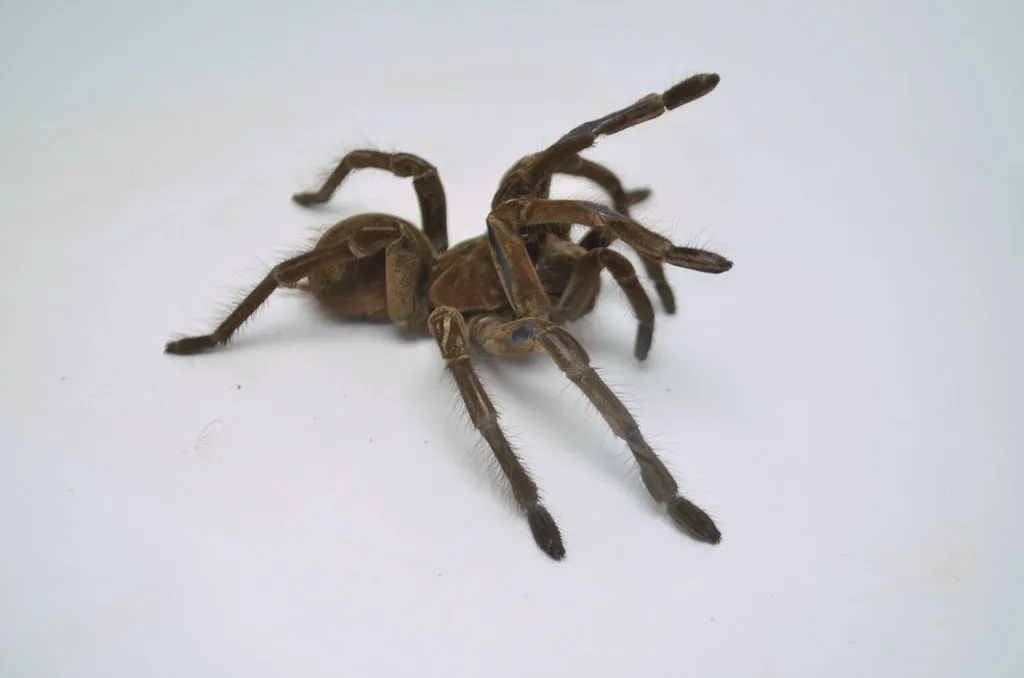
The Goliath birdeater boasts several distinctive physical traits that set it apart. Its imposing size is the most obvious, with a leg span that can reach up to 12 inches. Other notable features include its hairy body, large fangs, and urticating hairs. The coloration of the Goliath birdeater is typically brown or dark brown, providing effective camouflage in its natural habitat. These characteristics collectively contribute to its imposing appearance and predatory prowess. Understanding these traits is key to recognizing and appreciating this giant spider.
Size and Appearance
As one of the largest spiders in the world, the Goliath birdeater is truly impressive. Its leg span can extend up to 12 inches, rivaling the size of a dinner plate. The body itself can measure over 4 inches long. This considerable size, combined with its robust build, gives the Goliath birdeater a commanding presence. This immense size is an adaptation to its lifestyle, allowing it to hunt and defend against predators effectively. Its appearance, with its thick legs and large fangs, certainly makes it a memorable arachnid.
Coloration and Markings

The Goliath birdeater typically exhibits a brown or dark brown coloration, which provides excellent camouflage within its rainforest environment. This color blends seamlessly with the forest floor and the bark of trees, helping it ambush prey and avoid predators. Subtle variations in shade and marking can sometimes be observed, but overall, the Goliath birdeater’s coloration is designed for concealment. The hairy body and subtle markings contribute to its overall camouflage, making it a master of stealth in its natural habitat.
Is the Goliath Birdeater a Tarantula
Yes, the Goliath birdeater is indeed a tarantula. As a member of the Theraphosidae family, it shares all the defining characteristics of this group of spiders. Its taxonomy places it firmly within the tarantula classification, with its physical attributes and behavior further confirming this. The Goliath birdeater’s size, hairy body, and venomous fangs are all classic traits of a tarantula. Thus, the answer is a definitive yes; the Goliath birdeater is a tarantula, though an exceptionally large one.
Key Facts about Goliath Birdeater
Here are five key facts to help you appreciate this fascinating creature. These facts provide a glimpse into the life and characteristics of the Goliath birdeater, highlighting its significance in the arachnid world.
Fact 1 Size and Weight

The Goliath birdeater is the largest spider by mass, with some individuals weighing over 6 ounces. This is equivalent to the weight of a small puppy or a large hamster. Its leg span can reach up to 12 inches, making it a truly imposing sight. This massive size allows it to hunt larger prey and fend off potential threats. Their sheer size sets them apart from other tarantulas and spiders in general.
Fact 2 Habitat and Distribution
Goliath birdeaters are native to the rainforests of northern South America, including countries like Brazil, Venezuela, and Guyana. They live in burrows on the forest floor, often near swamps or marshy areas, where the humidity is high. These spiders prefer a warm and humid environment, which supports their overall health and activity. Understanding their habitat is important in appreciating the spider’s needs and its ecological role within the South American rainforests.
Fact 3 Diet and Feeding Habits
Despite its name, the Goliath birdeater’s diet primarily consists of insects, worms, and other invertebrates. It may occasionally consume small vertebrates, such as frogs, lizards, and even small birds, but this is less common. They are ambush predators, waiting patiently in their burrows or near the entrance for prey to pass by. When a target is within range, they quickly pounce, injecting venom to immobilize their meal. Their hunting strategy and varied diet contribute to their success as predators.
Fact 4 Venom and Bite

The Goliath birdeater does possess venom, but its bite is generally not considered lethal to humans. The venom is primarily used to subdue its prey, causing localized pain and swelling. While a bite can be painful and may cause some discomfort, it is not typically life-threatening. More concerning are the urticating hairs on its abdomen, which can cause skin irritation and respiratory problems if they come into contact with the skin or are inhaled. Proper caution should be exercised when handling these spiders.
Fact 5 Lifespan and Reproduction
Female Goliath birdeaters can live for 15 to 25 years, while males typically have a shorter lifespan of 3 to 6 years. The reproduction process involves the male transferring sperm to the female after a courtship ritual. The female then lays eggs in a silken egg sac, which she guards until the spiderlings hatch. The long lifespan of females allows them to produce multiple egg sacs, contributing to the species’ survival. The reproductive behavior of the Goliath birdeater provides insights into its life cycle and conservation status.
Goliath Birdeater vs Other Tarantulas
While the Goliath birdeater is impressive, many other tarantulas also exhibit unique features. The pinktoe tarantula is known for its arboreal lifestyle and colorful appearance. The Chilean rose tarantula is popular in the pet trade due to its docile nature. The cobalt blue tarantula is striking with its vibrant coloration. Each species has distinct characteristics that make them unique. Comparing the Goliath birdeater to other tarantulas highlights the diversity within the Theraphosidae family and the amazing variations in size, behavior, and habitat adaptation among different species.
Goliath Birdeater Care and Handling

For those interested in keeping a Goliath birdeater as a pet, understanding their care requirements is crucial. They require a secure enclosure with appropriate substrate, humidity, and temperature levels. They also need access to fresh water and a diet of insects. Handling should be kept to a minimum due to the potential for bites and urticating hairs. Careful and informed care can lead to the successful keeping of these magnificent arachnids, making them a fascinating addition to any collection, provided safety is taken into account.