What Makes a Tarantula ‘Largest’?
When we talk about the ’largest’ tarantula, we are generally referring to size, which can be measured in several ways. Body size, which is the length of the tarantula’s body excluding legs, is one metric. Another is leg span, the distance from the tip of one leg to the tip of the opposite leg when the tarantula is fully extended. Weight also plays a role, with the heaviest tarantulas often considered among the largest. Determining the ’largest’ is not always straightforward because measurements can vary depending on how they are taken and the individual tarantula.
Body Size and Leg Span
Body size gives an idea of the mass of the tarantula. The body length, including the cephalothorax (head and thorax) and abdomen, can be substantial in the largest species. However, leg span is often the measurement that captures attention, with some tarantulas boasting spans comparable to a dinner plate. The leg span is a crucial factor, especially when the tarantula is in a defensive posture, as it appears more intimidating. The size of the chelicerae (fangs) can also be remarkable, contributing to the overall impression of size.
Weight and Overall Impression

Weight is a key indicator of a tarantula’s overall size and mass. Heavier tarantulas tend to be more robust and have a larger body mass, which can influence their hunting and defensive capabilities. While leg span and body size can be impressive, the sheer weight of a tarantula often contributes to the ‘wow’ factor. The weight also affects how the tarantula moves and the stress it places on its exoskeleton. Heavier tarantulas may appear slower but possess more power.
Meet the Goliath Birdeater Tarantula (Theraphosa blondi)
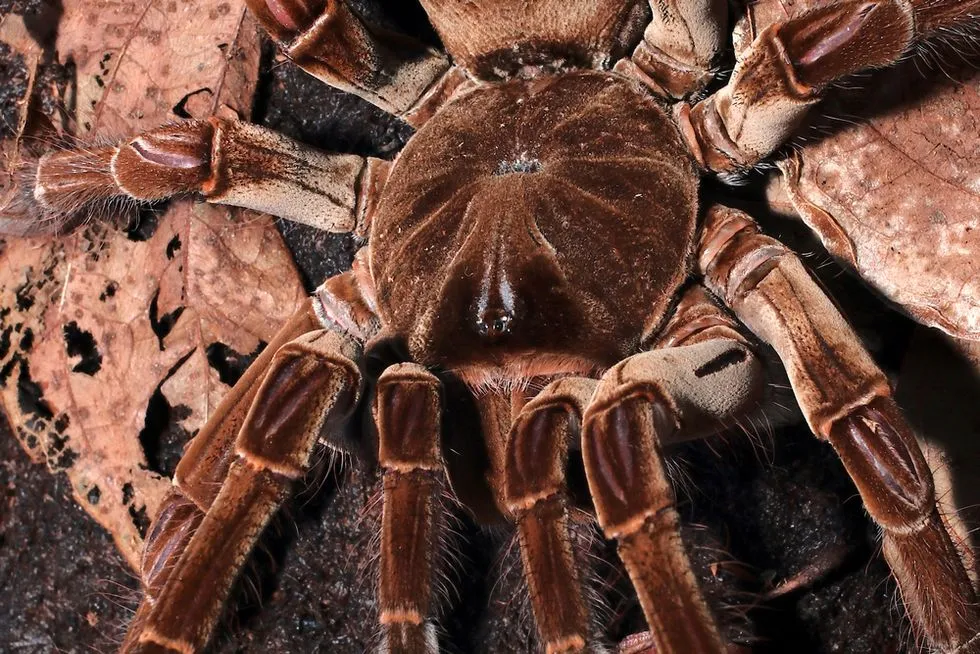
The Goliath Birdeater (Theraphosa blondi) is frequently cited as the largest tarantula in the world. Native to the rainforests of northern South America, the Goliath Birdeater is known for its impressive size and imposing presence. They can have leg spans of up to 12 inches or more, and they can weigh over 6 ounces. These tarantulas are a sight to behold. The Goliath Birdeater is not just the largest in size; it also boasts a significant venom yield and a striking appearance, with reddish-brown coloration and long, thick hairs.
Habitat and Geographic Distribution
The Goliath Birdeater thrives in the humid rainforests of northern South America, including countries like Brazil, Venezuela, Guyana, Suriname, and French Guiana. Their natural habitat consists of burrows in the ground, under rocks, or within the roots of trees. They prefer areas with high humidity and temperatures, providing them with the ideal environment to thrive. They are primarily terrestrial and are well-adapted to navigating the forest floor in search of prey. Understanding their habitat is critical to their conservation.
Physical Characteristics

The Goliath Birdeater exhibits several distinctive physical characteristics. Their legs are covered in dense hairs, which provide sensory input and help them navigate their environment. Their chelicerae, the fangs, are exceptionally large and can be used to inject venom into their prey. They also have a reddish-brown coloration, which serves as camouflage. Additionally, they have urticating hairs, which they can flick off their abdomen as a defense mechanism, causing irritation to potential predators. Their size and appearance make them instantly recognizable.
Diet and Feeding Habits
Despite their name, Goliath Birdeaters do not primarily feed on birds, although they are capable of catching and consuming small birds. Their diet mostly consists of insects, earthworms, and other invertebrates. They are opportunistic hunters and will also consume small vertebrates such as lizards, frogs, and rodents. They use their large fangs to inject venom, which immobilizes their prey. They then inject digestive enzymes to break down the prey, and they suck up the liquefied remains.
Behavior and Temperament
Goliath Birdeaters are generally defensive and can be aggressive if threatened. They may rear up, exposing their fangs, and make a hissing sound as a warning. They can also flick urticating hairs towards perceived threats. However, in captivity, they can become somewhat habituated to their keepers and are occasionally handled, but this should be done cautiously. Their behavior is largely driven by survival, and their defensive tactics are meant to deter predators and protect themselves. When feeling threatened, they are quick to defend themselves.
Challenges in Determining the Largest Tarantula

Determining the exact ’largest’ tarantula isn’t always straightforward due to variations in measurement methods, individual growth rates, and environmental factors. Measurements can be taken from different angles, leading to variations. Individual tarantulas of the same species can also vary in size due to differences in genetics, food availability, and environmental conditions. These inconsistencies can make it difficult to make definitive comparisons between different species or even within the same species. Accurate measurement techniques are crucial for precise comparison.
Variations in Measurement
Different measurement methods can lead to different results. For instance, leg span can be measured with the legs fully extended or in a more natural posture. The body size can also be measured from different points, such as the front of the chelicerae to the end of the abdomen. These variances make it harder to establish a universally accepted size record. It is essential to consider the methodology when comparing sizes across species. Accurate, standardized measurement protocols are required for precise comparisons.
Other Contenders for ‘Largest’
While the Goliath Birdeater often takes the top spot, other tarantula species can rival it in size. These contenders also warrant recognition. Some species may have exceptional leg spans, while others have impressive body sizes or weight. This highlights the diversity of the tarantula family. The continuous discovery and study of tarantula species mean that the ranking of largest tarantula is subject to changes.
The Theraphosa apophysis

The Theraphosa apophysis, also known as the “Pinkfoot Goliath,” is a close relative of the Goliath Birdeater and is another large tarantula. While slightly less common, it can reach impressive sizes, with some specimens boasting leg spans close to or even exceeding those of the Goliath Birdeater. Its coloration is a distinctive pinkish hue on the legs, which sets it apart. The Theraphosa apophysis inhabits similar environments to the Goliath Birdeater, with the same adaptations to survive and thrive in the rainforest. It is a strong contender for the title of largest tarantula.
The Theraphosa stirmi
Theraphosa stirmi, another species within the Theraphosa genus, is often considered a close relative to the Goliath Birdeater. This tarantula can also grow to impressive sizes, and some specimens might rival the Goliath Birdeater in size. The Theraphosa stirmi, often called the burgundy goliath, is characterized by its reddish-brown coloration, which can be quite striking. Because they share the same genus, they share several traits with the Goliath Birdeater, including their size, predatory habits, and habitat preferences.
The Importance of Conservation
Conservation efforts are crucial for protecting tarantula populations, including the largest species. Habitat destruction, over-collection for the pet trade, and climate change pose serious threats to these fascinating creatures. Conservation initiatives focus on preserving their natural habitats, reducing the impact of the pet trade, and raising awareness about the importance of tarantulas in the ecosystem. Protecting tarantulas also ensures their survival for future generations. Collaborative conservation efforts are essential.
Threats to Tarantula Populations

The main threats to tarantula populations include deforestation, which leads to habitat loss; the illegal pet trade, which causes over-collection; and climate change, which can alter their habitats. Habitat destruction is perhaps the most significant threat. The loss of forests and the transformation of their natural environments have a direct impact on tarantula survival rates. The pet trade also drives the collection of these spiders, often from the wild, further endangering populations. Climate change is a growing threat and could modify the temperature and humidity levels of their preferred ecosystems.
Captive Care and Breeding
If you’re interested in keeping a tarantula as a pet, responsible captive care is essential. Tarantulas require specific environmental conditions, including appropriate temperature, humidity, and substrate. They also need a diet of live insects and a secure enclosure to prevent escapes. Breeding tarantulas is a more complex undertaking that requires a good understanding of their mating behavior and environmental requirements. Captive breeding can help reduce the pressure on wild populations and is critical for the long-term conservation of these species.
Ethical Considerations
Keeping tarantulas as pets raises ethical considerations. It is important to acquire tarantulas from reputable breeders who do not contribute to the illegal wild collection. Providing a suitable environment that mimics their natural habitat is critical for their wellbeing. Ethical considerations include ensuring the tarantula’s safety, proper nutrition, and enrichment. Responsible pet ownership is essential, including understanding their requirements and providing appropriate care.
Where to See the Largest Tarantula
For those interested in seeing the largest tarantulas, there are several options. Zoos and specialized insectariums often feature these spiders. Some reputable breeders showcase their tarantulas at exhibitions or events. Furthermore, educational institutions can also provide opportunities to see and learn about these fascinating creatures. A number of online resources provide information and documentation. Viewing these tarantulas requires respecting them and understanding their needs and behaviors. These venues offer valuable opportunities to learn about these creatures.