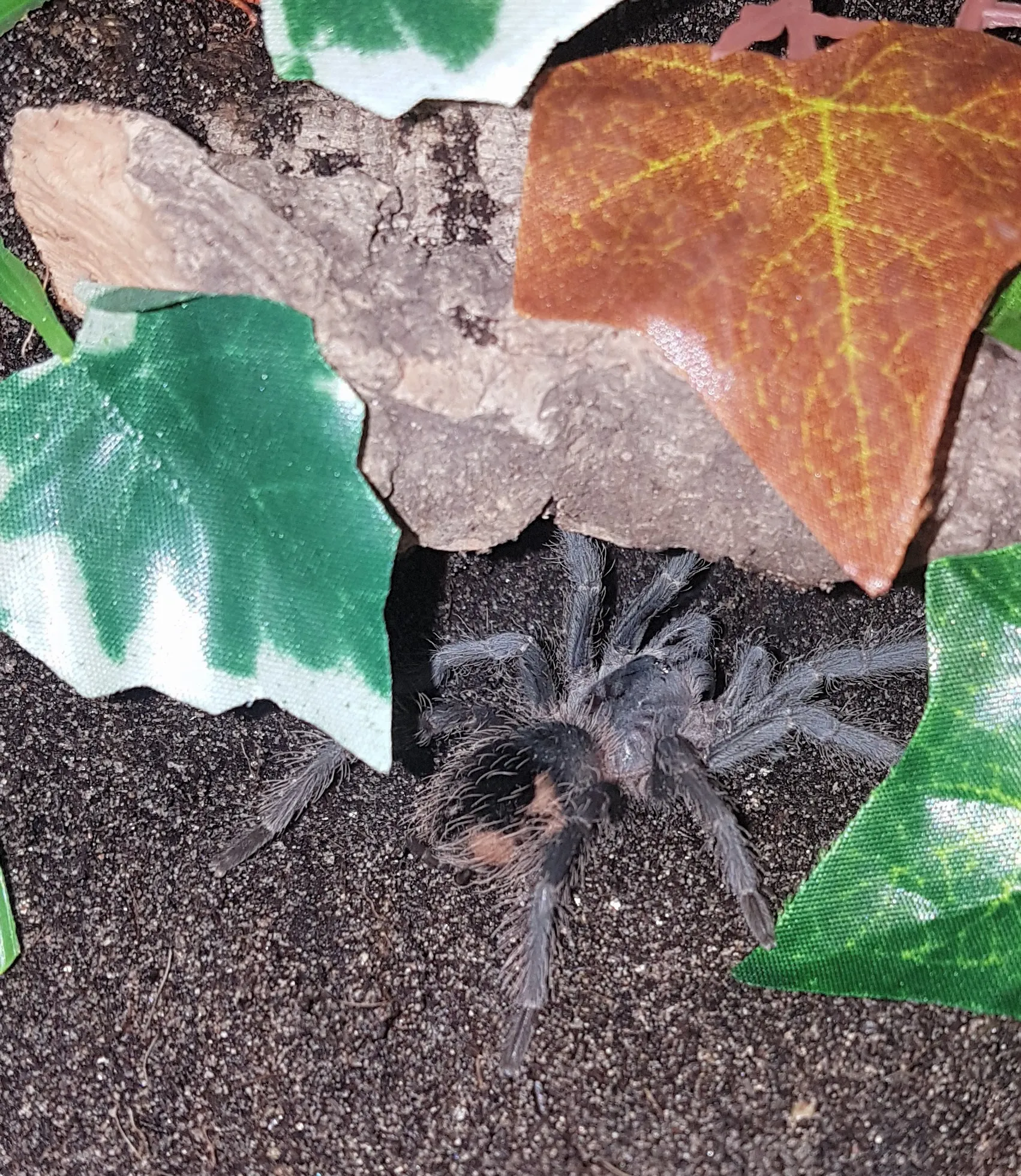
The Lasiodora parahybana, often called the Brazilian salmon pink tarantula, is a popular choice for tarantula enthusiasts due to its impressive size, relatively docile temperament, and striking coloration. This comprehensive guide provides essential information on how to care for your Lasiodora parahybana, ensuring its health, happiness, and longevity. Owning a tarantula can be a rewarding experience, but it’s crucial to be well-informed about their specific needs. This article will walk you through every aspect of Lasiodora parahybana care, from choosing your pet to breeding them.
Choosing Your Lasiodora Parahybana
Before bringing a Lasiodora parahybana home, careful consideration is necessary. These tarantulas can live for many years, so it’s a commitment. Research reputable breeders or pet stores that specialize in arachnids. Avoid purchasing tarantulas from sources with questionable practices. Healthy tarantulas are active, alert, and exhibit no signs of illness or injury. Look for a tarantula with a plump abdomen, indicating it is well-fed. Always check local regulations regarding exotic pet ownership, as some areas may have restrictions.
Where to Buy Your Lasiodora Parahybana
The best place to buy a Lasiodora parahybana is from a reputable breeder or a specialized pet store. These sources typically have healthier specimens and can provide valuable advice and support. Avoid purchasing from mass-market pet stores where the staff might not be well-versed in tarantula care. Online forums and social media groups dedicated to tarantulas can also be excellent resources for finding reliable breeders and learning from experienced keepers. Always ask about the tarantula’s origin and feeding history before making a purchase.
Identifying a Healthy Tarantula

A healthy Lasiodora parahybana should be active and responsive to its environment. Look for a tarantula that moves with ease and doesn’t appear sluggish. The abdomen should be plump, not shrunken, which suggests good hydration and nutrition. Check for any visible injuries or parasites. The fangs should be intact, and the legs should move freely. Avoid tarantulas that are constantly hiding or appear weak. A healthy tarantula will typically exhibit a confident posture and readily explore its enclosure. Examine the tarantula’s overall appearance for any signs of stress or illness, such as unusual body positions or changes in color.
Housing Your Lasiodora Parahybana
Providing the right housing is critical to your Lasiodora parahybana’s well-being. A suitable enclosure should offer adequate space, proper ventilation, and the right environmental conditions. It’s important to replicate the tarantula’s natural habitat as closely as possible. The enclosure should be escape-proof and easy to maintain. Consider the size of the tarantula as it grows, as a juvenile will need a smaller enclosure than an adult. Proper housing minimizes stress and promotes healthy molting and overall longevity.
Appropriate Enclosure Size
The enclosure size depends on the tarantula’s size. A juvenile Lasiodora parahybana can start in a smaller enclosure, such as a clear plastic container or a small terrarium. As the tarantula grows, it will need a larger space. An adult tarantula typically requires an enclosure of at least 10 to 20 gallons. The enclosure should be wider than it is tall, as these tarantulas are terrestrial. Ensure that the enclosure has a secure lid to prevent escapes. Consider the tarantula’s ultimate size when choosing an enclosure to avoid needing to upgrade frequently.
Substrate Selection

The substrate is the bedding material in the enclosure, and it’s crucial for maintaining humidity and providing a natural environment. A good substrate should retain moisture but not become waterlogged. Coconut fiber (coir) is an excellent choice because it holds moisture well and is safe for tarantulas. Other options include peat moss, vermiculite, and a mix of these. Avoid using materials like sand or gravel, which can be difficult to clean and may not retain moisture effectively. The substrate should be deep enough for the tarantula to burrow if it chooses. Replace the substrate periodically to prevent mold growth and maintain cleanliness.
Temperature and Humidity
Lasiodora parahybana thrive in a temperature range of 75-85°F (24-29°C). Use a thermometer to monitor the temperature in the enclosure. Supplemental heating may be needed in cooler climates. Avoid direct sunlight, which can overheat the enclosure. Humidity levels should be maintained between 60-70%. This can be achieved by misting the enclosure with water a few times a week or by providing a water dish. A hygrometer is useful for monitoring humidity levels. Proper temperature and humidity are essential for the tarantula’s health, molting, and overall well-being.
Feeding Your Lasiodora Parahybana
Proper nutrition is vital for a healthy Lasiodora parahybana. These tarantulas are voracious eaters, but it’s important to provide them with the right food in the appropriate quantities. Overfeeding can lead to health problems, while underfeeding can cause stress and slow growth. Offer a variety of food items to ensure your tarantula receives a balanced diet. Regular feeding schedules help the tarantula maintain a healthy weight and energy levels. Always remove uneaten food to prevent mold growth and maintain cleanliness.
What to Feed Your Tarantula

The staple diet for Lasiodora parahybana consists of insects. Crickets, roaches, mealworms, and superworms are all suitable options. Vary the diet to provide a range of nutrients. Dust the insects with a calcium and vitamin supplement to ensure your tarantula gets the essential nutrients. Avoid feeding insects that have been exposed to pesticides. For smaller tarantulas, pre-killed insects can be offered to prevent injury. Always make sure the prey is smaller than the tarantula’s body size. Remove any uneaten insects within 24 hours to prevent them from stressing the tarantula.
Feeding Frequency
Feeding frequency depends on the tarantula’s age and size. Spiderlings (young tarantulas) should be fed two to three times a week. Juvenile tarantulas can be fed once or twice a week. Adults only need to be fed every one to two weeks. Observe your tarantula’s abdomen; if it appears plump, reduce feeding frequency. Adjust the feeding schedule based on the tarantula’s activity level and overall health. Always provide fresh water, regardless of the feeding schedule. Monitor the tarantula’s molting cycle, as they typically stop eating a few weeks before molting.
Watering and Hydration
Water is crucial for your Lasiodora parahybana’s survival. Always provide a shallow water dish with fresh water. The water dish should be shallow enough that the tarantula can easily access it, but it must be deep enough to avoid the tarantula drowning. Change the water regularly to prevent the growth of bacteria and algae. You can also mist the enclosure lightly with water a few times a week to maintain humidity, especially during molting. Ensure the water is clean and free from chemicals. The water dish should be placed in a stable location to prevent spills.
Handling and Safety Precautions

While Lasiodora parahybana are generally considered docile, it’s essential to handle them with caution. Tarantulas can bite if they feel threatened, and their bites can be painful, though not usually life-threatening. Always prioritize the tarantula’s safety and well-being. Never handle a tarantula unless you have a secure, controlled environment and understand the risks involved. Handling should be kept to a minimum, as it can stress the tarantula. Always supervise children around tarantulas.
Understanding Tarantula Behavior
Understanding tarantula behavior is crucial for safe handling. Tarantulas communicate through their behavior; watch for signs of stress, such as raising their front legs, flicking hairs, or moving rapidly. These are warning signs and indicate that the tarantula feels threatened. Avoid sudden movements and loud noises, which can startle the tarantula. Observe the tarantula in its enclosure to understand its personality and preferences. Tarantulas can be sensitive to vibrations, so avoid tapping on the enclosure or placing it near noisy appliances. Patience and observation are key to handling tarantulas safely.
Safe Handling Techniques
If you choose to handle your Lasiodora parahybana, do so with extreme caution. Handle the tarantula over a soft surface, such as a bed or a couch, in case it falls. Use a soft brush to gently coax the tarantula onto your hand, if necessary. Avoid grabbing the tarantula, as this can make it feel threatened and increase the risk of a bite. Never handle a tarantula if you are feeling stressed or anxious. Always wash your hands thoroughly before and after handling. If the tarantula shows signs of aggression, such as raising its front legs or flicking hairs, immediately put it back into its enclosure.
Health and Common Issues

Like all pets, Lasiodora parahybana can experience health problems. However, with proper care, most health issues are preventable. Keeping the enclosure clean, providing a balanced diet, and maintaining the correct environmental conditions are essential for preventing health problems. Regularly inspect your tarantula for any signs of illness or injury. If you notice anything unusual, consult with a veterinarian experienced in exotic animals. Early detection and treatment can improve the chances of a successful recovery.
Recognizing Molting Signs
Molting is a natural process where tarantulas shed their exoskeleton to grow. Before molting, your Lasiodora parahybana will typically stop eating and may become less active. They might also create a web mat to prepare for molting. The tarantula will often lie on its back during the molting process. Do not disturb the tarantula during molting. The molting process can take several hours or even days. After molting, the tarantula’s new exoskeleton will be soft and vulnerable. Do not feed the tarantula for a week or two after molting, giving its fangs and exoskeleton time to harden.
Treating Common Health Problems
Several health problems can affect Lasiodora parahybana. Parasites are rare but can sometimes be an issue. If you suspect a parasitic infection, consult a veterinarian. Mites are another possible problem; proper hygiene in the enclosure can help prevent these. Dehydration is a common issue that can be avoided by providing a water dish and maintaining proper humidity levels. Injuries can occur if the tarantula falls or is handled roughly. If your tarantula has an injury, seek veterinary care. For any health concerns, consult a vet with experience in arachnids.
Lasiodora Parahybana Breeding

Breeding Lasiodora parahybana can be a fascinating but challenging endeavor. It requires specialized knowledge, experience, and careful planning. Successful breeding involves selecting healthy, mature specimens and creating the right conditions for mating. You’ll need to have separate enclosures for the female and the male before introducing them. The process can be complex and requires patience. It’s essential to be prepared for the care of the spiderlings, which can number in the hundreds. Breeding these tarantulas is only recommended for experienced keepers.
Sexing Your Tarantula
Sexing a Lasiodora parahybana can be done in several ways. The most reliable method involves examining the exuviae (shed skin) after molting. Under the microscope, you can look for the presence of spermathecae, which are present in females. Another method is to examine the tarantula’s underside. Mature males often have tibial hooks on their front legs, which they use to hold the female’s fangs during mating. The presence of these hooks is a reliable indicator of the tarantula’s sex. Accurate sexing is crucial for breeding, as you need to pair a male and a female.
Breeding Process
The breeding process involves introducing a mature male to a mature female’s enclosure. The female must be well-fed to prevent her from seeing the male as prey. The male will typically drum on the female’s enclosure to attract her attention. If the female is receptive, she will allow the male to mate. The male inserts his palps into the female’s epigastric furrow, where he deposits sperm. After mating, the female may become aggressive and attempt to consume the male. The female will lay an egg sac a few weeks after mating. Raising the spiderlings requires specialized care, including providing small prey and maintaining appropriate environmental conditions.
Caring for a Lasiodora parahybana is a rewarding experience. With proper research, dedicated care, and a commitment to their well-being, you can enjoy the company of these fascinating creatures for many years. Always prioritize the tarantula’s safety and comfort, and be prepared to provide them with the best possible care.