Introduction
The Skeleton Tarantula (Ephebopus murinus) a fascinating arachnid, has captured the attention of both novice and experienced tarantula keepers. Their striking appearance, marked by a unique skeletal pattern on their legs and carapace, makes them a sought-after addition to many pet collections. But before you decide to welcome one of these intriguing creatures into your home, it’s essential to understand the commitment involved, especially regarding their lifespan. This comprehensive guide delves into the lifespan of the Skeleton Tarantula, exploring the various factors that influence their longevity and offering insights into providing the best possible care to ensure a long and healthy life for your eight-legged companion. Understanding the needs of a Skeleton Tarantula is the first step to responsible pet ownership.
Understanding the Skeleton Tarantula
What is a Skeleton Tarantula

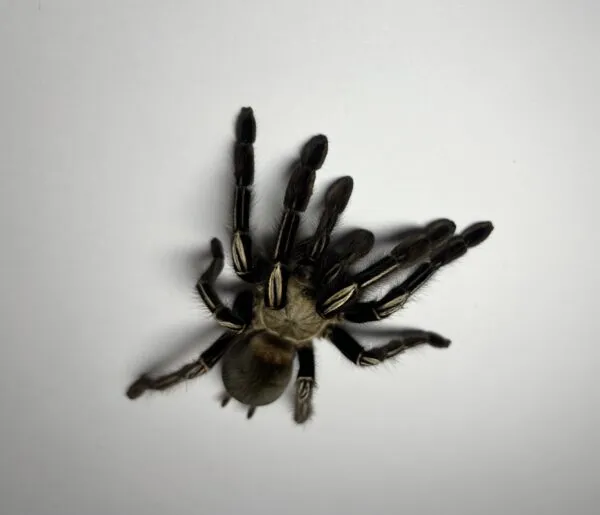
The Skeleton Tarantula, aptly named for the stark white markings on its black legs, presents a dramatic visual contrast. These tarantulas are medium-sized, generally reaching a leg span of about 4-5 inches. Their bodies are covered in fine hairs, which, coupled with their skeletal markings, give them a distinctive appearance. Skeleton Tarantulas are known to be a bit more defensive than some other tarantula species, but with proper handling and a suitable environment, they can become engaging pets. Their unique look and the moderate level of care they require make them an appealing choice for those looking to expand their knowledge of the tarantula world.
Origin and Habitat of Skeleton Tarantulas
Native to the rainforests of French Guiana, Suriname, and Brazil, Skeleton Tarantulas inhabit a warm, humid environment. In their natural habitat, they dwell in burrows, often at the base of trees or under rocks, providing them with shelter from the elements and potential predators. The ecosystem they come from is critical to understanding their needs in captivity. Replicating these environmental conditions is essential for their well-being and, consequently, their lifespan. They thrive in areas with high humidity and stable temperatures, mirroring their native rainforest environment. Learning about the environment of the skeleton tarantula will give you great insights into their survival and lifespan.
Factors Influencing Skeleton Tarantula Lifespan
Several factors play a crucial role in determining how long a Skeleton Tarantula will live. These include genetics, gender, diet, environmental conditions, and the presence or absence of diseases and parasites. Understanding and managing these elements is essential for maximizing your tarantula’s lifespan. A healthy and well-cared-for Skeleton Tarantula can live for many years, providing its owner with an engaging and rewarding pet experience. Proper care is a responsibility and an investment in the creature’s long-term health and happiness. Keeping the spider safe from harm is another important factor that affects its lifespan.
Gender Differences in Lifespan

As with many tarantula species, there is a significant difference in lifespan between male and female Skeleton Tarantulas. The reason for this difference is primarily due to the role of reproduction. Males typically have shorter lifespans because their primary goal is to mate, and once they do, their life often comes to an end soon after. Females, on the other hand, have the potential to live much longer, as they are not subject to the same biological constraints. This natural difference in lifespan influences the care strategies employed by enthusiasts and experienced tarantula keepers. Knowing the gender of your skeleton tarantula will allow you to better understand and anticipate your pet’s lifespan and the changes it may experience.
Male Skeleton Tarantula Lifespan
Male Skeleton Tarantulas generally have a lifespan of 2-3 years. After reaching maturity, their primary focus is reproduction. They molt into their adult form, which is characterized by the presence of tibial hooks, and soon after, they begin searching for a mate. The stress of searching for a mate, the physical exertion, and the eventual mating process, all contribute to their shorter lifespan. Because of this, owners of male skeleton tarantulas should understand that their time with their pet is limited. Proper care and a comfortable environment can still play a role in maximizing their lifespan within these constraints.
Female Skeleton Tarantula Lifespan
Female Skeleton Tarantulas, with their extended lifespans, can live for 10-15 years or even longer. This extended lifespan is one of the appealing characteristics of this species. They continue to molt throughout their lives, though the frequency decreases as they mature. Given proper care, including a balanced diet, a suitable environment, and regular health checks, female Skeleton Tarantulas can become long-term companions. This makes them a good pet option for owners who are looking for a commitment that will last for years to come.
Impact of Diet on Longevity

A balanced diet is fundamental to the health and longevity of Skeleton Tarantulas. A varied diet, consisting mainly of insects such as crickets, mealworms, and roaches, provides the necessary nutrients for growth, molting, and overall well-being. The size of the prey should be appropriate for the tarantula’s size, with younger tarantulas requiring smaller insects. Overfeeding can be just as detrimental as underfeeding, so monitoring the tarantula’s abdomen size and adjusting the feeding schedule accordingly is crucial. Supplementing the diet with occasional vitamins or calcium dust can provide additional support. A proper diet will help ensure your tarantula stays healthy throughout its life.
Importance of Proper Hydration
Hydration is a critical aspect of Skeleton Tarantula care. These tarantulas absorb moisture through their food and by drinking from a water source. A shallow water dish filled with fresh, clean water should always be available in their enclosure. The water should be changed regularly to prevent contamination and ensure the tarantula has access to safe drinking water. Misting the enclosure periodically can also help to maintain the required humidity levels, which is crucial for molting and overall health. Dehydration can quickly lead to serious health issues, underscoring the importance of a constant water supply.
The Role of Enclosure and Environment
The enclosure plays a significant role in the well-being of a Skeleton Tarantula. It should be of appropriate size, allowing the tarantula to move and hunt comfortably. The substrate should be suitable for burrowing, such as a mix of peat moss, vermiculite, and coconut fiber. The enclosure should be well-ventilated to prevent the buildup of mold and maintain air quality, but it must also retain sufficient humidity. Providing a secure and enriching environment, with hiding places like cork bark or artificial plants, can reduce stress and promote healthy behavior. Proper enclosure setup will improve the quality of the Skeleton Tarantula’s life and help it thrive.
Temperature and Humidity Requirements

Maintaining the correct temperature and humidity levels is paramount for Skeleton Tarantula health. The ideal temperature range is between 75-85°F (24-29°C). This can often be achieved with room temperature, but a heat source, such as a heat mat, may be required in cooler climates. Humidity levels should be kept between 70-80%, which can be monitored with a hygrometer. Regular misting, a shallow water dish, and the use of appropriate substrate will help in maintaining these levels. Fluctuations in temperature and humidity can lead to health issues, emphasizing the need for consistent environmental control.
Preventing Diseases and Parasites
While Skeleton Tarantulas are relatively hardy, they are still susceptible to certain health issues. Maintaining a clean enclosure and providing a balanced diet are the first lines of defense against diseases and parasites. Regularly removing uneaten food and fecal matter prevents the growth of harmful bacteria and fungi. Quarantine new tarantulas to observe for any signs of illness before introducing them to an established collection. Common health issues include parasitic mites and fungal infections, which can be prevented with good hygiene and proper environmental conditions.
Common Health Issues in Skeleton Tarantulas
Some common health issues that can affect Skeleton Tarantulas include parasitic mites, fungal infections, and injuries during molting. Mites can infest the tarantula and cause considerable irritation, while fungal infections can develop in humid environments. Inadequate humidity levels or a poor molting environment can lead to molting problems. Regularly inspecting your tarantula for any signs of illness, such as lethargy, loss of appetite, or unusual behavior, can help in early detection and treatment. Consulting with a veterinarian experienced with exotic animals is recommended if any health concerns arise.
Signs of Aging in Skeleton Tarantulas

As Skeleton Tarantulas age, they may exhibit certain signs that indicate their advanced years. These can include a slower metabolism, decreased activity levels, and a reduction in appetite. They might also show a loss of color in their exoskeleton or exhibit a reluctance to molt. While these are natural signs of aging, it’s essential to ensure that the tarantula’s environment remains optimal and that it continues to receive proper care. Providing a comfortable and stress-free environment can help older tarantulas maintain a good quality of life as they reach the end of their lifespan. Always consult with an expert for any changes in their behavior.
Caring for a Senior Skeleton Tarantula
Caring for a senior Skeleton Tarantula involves adjusting the care routine to accommodate their changing needs. Provide a warm, stable environment with easily accessible food and water. The enclosure should be kept clean and free of hazards. Because senior tarantulas may have less energy, providing smaller, more frequent meals may be beneficial. It’s also important to be patient and understanding, allowing them to move at their own pace. Ultimately, caring for an elderly tarantula is about ensuring their comfort and well-being during their final years. Careful and attentive care will help them live their life to its fullest.
Conclusion
The lifespan of a Skeleton Tarantula is a fascinating aspect of their biology, influenced by factors such as gender, diet, and environmental conditions. By understanding these factors and providing appropriate care, you can significantly impact your tarantula’s longevity. Remember that responsible pet ownership involves a commitment to providing the best possible environment and care. By paying attention to the details, from the correct temperature and humidity levels to the provision of a nutritious diet, you can help ensure that your Skeleton Tarantula thrives for many years. With proper care, these captivating creatures can provide years of enjoyment and fascination, making them a rewarding addition to any arachnid enthusiast’s collection.