Top 5 Amazing Facts about Longest Living Tarantulas
Tarantulas, with their imposing size and intriguing behaviors, have captivated the interest of many. But have you ever wondered about their lifespans? Unlike many other pets, certain tarantula species can live for decades, making them a long-term commitment for any enthusiast. Understanding the factors that contribute to their longevity and the species that boast the longest lifespans is crucial for proper care and appreciation of these fascinating creatures. This guide delves into the amazing world of tarantula lifespans, providing you with essential facts and insights to better understand these incredible arachnids.
What Factors Influence Tarantula Lifespan?
A tarantula’s lifespan is not solely determined by its species. Several factors significantly influence how long these creatures live. Understanding these elements is vital for providing optimal care and maximizing their potential lifespan. Proper care can make a huge difference in how long your tarantula lives. Poor living conditions and incorrect diet will shorten their life.
Genetics and Species

Just like with any animal, genetics play a significant role in the lifespan of a tarantula. Some species are naturally predisposed to live longer than others. The genetic makeup of a tarantula determines its overall health, resilience to diseases, and metabolic rate, all of which contribute to its longevity. Species like the Grammostola and Theraphosa genera are known for their long lifespans. Choosing a species known for longevity is the first step in owning a long-lived tarantula.
Diet and Nutrition
A balanced and appropriate diet is essential for a tarantula’s health and lifespan. Tarantulas are carnivores, and their diet should consist mainly of insects, such as crickets, roaches, and mealworms. The size and nutritional content of the prey are critical. Overfeeding can lead to health problems, while underfeeding can stunt growth and reduce lifespan. Providing a variety of insects ensures a balanced intake of nutrients, vitamins, and minerals. Always make sure there is a fresh water source available.
Environmental Conditions
The environment in which a tarantula lives significantly impacts its lifespan. Maintaining the correct humidity, temperature, and enclosure setup is crucial for their health and well-being. Incorrect environmental conditions can lead to stress, dehydration, and molting issues, all of which can shorten a tarantula’s life. Careful monitoring and adjustment of these conditions are essential for providing a healthy habitat. These conditions are essential to replicating a tarantula’s natural environment.
Humidity and Temperature

Humidity and temperature must be carefully regulated to mimic the tarantula’s natural habitat. Most tarantulas thrive in a humidity range of 60-80% and temperatures between 75-85°F (24-29°C). Regular misting and the use of a substrate that retains moisture help maintain the right humidity levels. Monitoring the temperature with a thermometer is also important. Deviations from these ideal conditions can stress the tarantula, leading to health issues and a shorter lifespan. Different species have different needs, so research is vital.
Enclosure and Substrate
The enclosure should be appropriate for the tarantula’s size and species, with enough space for movement and enrichment. The substrate plays a vital role in maintaining humidity and providing a comfortable environment. Coconut fiber, peat moss, and vermiculite are popular choices. The substrate should be deep enough for burrowing species. Regular cleaning and maintenance of the enclosure prevent the buildup of harmful bacteria and mold, which can affect the tarantula’s health and longevity. Providing hiding places and climbing structures can also enrich the environment.
Top 5 Longest Living Tarantula Species
Several tarantula species are renowned for their impressive lifespans. These species, given the proper care, can become long-term companions. Here are five of the longest-living tarantula species, along with some key facts about each.
The Goliath Birdeater

The Goliath Birdeater (Theraphosa blondi) is one of the largest tarantula species in the world. Females can live for up to 25 years. They require a large enclosure and high humidity, and their diet mainly consists of insects. They can grow up to 12 inches. The Goliath Birdeater has a fearsome reputation, but with proper care, they can make fascinating pets.
The Pinkfoot Goliath
Related to the Goliath Birdeater, the Pinkfoot Goliath (Theraphosa apophysis) is another giant tarantula. Their lifespans are similar to the Goliath Birdeater, with females living up to 25 years. Their care requirements are also comparable, needing a large, humid enclosure and a steady supply of insects. Their pink feet are a key feature of this species.
Mexican Red Knee Tarantula
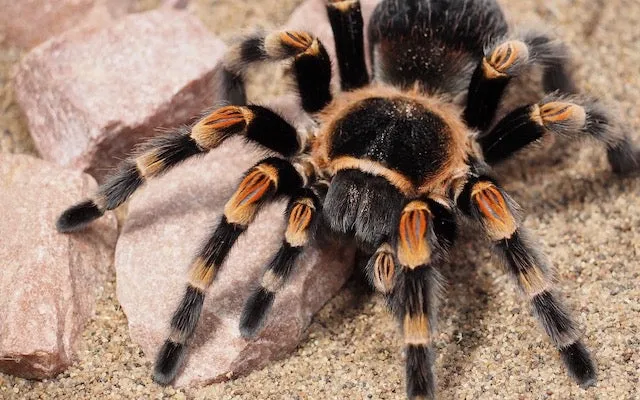
The Mexican Red Knee Tarantula (Brachypelma hamorii) is a popular pet due to its striking appearance and relatively docile temperament. Females can live for up to 25 years, while males typically have a shorter lifespan. They are native to the deserts of Mexico. They are relatively easy to care for, making them a good choice for beginner tarantula owners.
Chilean Rose Tarantula

Chilean Rose Tarantulas (Grammostola rosea) are one of the hardiest and longest-living tarantula species. Females can live for 20 years or more, making them a long-term commitment. They are known for their calm disposition and relatively low care requirements, making them popular pets. They are native to the deserts of Chile, and are generally docile spiders.
Understanding the Gender Difference in Lifespan
One of the most significant differences in tarantula lifespan is between males and females. Generally, female tarantulas live much longer than males. This difference is primarily due to the biological roles each gender plays in the reproductive process. It’s essential for potential tarantula owners to understand this difference to have realistic expectations.
Female Tarantulas
Female tarantulas, particularly those of long-lived species, can live for 20 to 30 years or even longer. Their longer lifespan is because they do not expend energy on reproduction as frequently as males. The absence of mating-related stress and the physical demands of egg production contribute to their longevity. They grow more slowly and undergo fewer molts, conserving energy and extending their lifespan.
Male Tarantulas

Male tarantulas typically have significantly shorter lifespans than females, often living only 5 to 10 years. This is because their primary biological role is to reproduce. After reaching maturity, male tarantulas go on a search for mates, which is a very dangerous and energy-consuming task. They often cease feeding and may die shortly after mating. Their shorter lifespan is a natural consequence of their reproductive strategy.
How to Care for a Long-Lived Tarantula
Providing proper care is essential for maximizing the lifespan of a tarantula. This includes creating the ideal habitat, feeding them appropriately, and conducting regular health checks. Careful attention to these aspects can make a huge difference in the longevity and well-being of your pet tarantula. Following these practices is key to ensuring your tarantula lives a long and healthy life.
Creating the Ideal Habitat
The habitat should be designed to replicate the tarantula’s natural environment as closely as possible. The enclosure must be the right size and securely ventilated. Provide a substrate suitable for burrowing or ground dwelling species. Maintain the correct temperature and humidity levels using a thermometer and hygrometer. The enclosure should also have hiding places and decor to provide enrichment and reduce stress. Regular cleaning of the enclosure is also necessary to maintain a healthy environment.
Feeding and Watering

Provide a varied diet of appropriately sized insects. Avoid overfeeding, which can lead to health problems. Ensure that fresh water is available at all times in a shallow dish. Remove uneaten prey to prevent the build-up of mold and bacteria. Adjust feeding frequency based on the tarantula’s age, species, and growth stage. Healthy eating habits are crucial for the tarantula’s overall well-being and longevity.
Regular Health Checks
Regularly inspect your tarantula for any signs of illness or distress. Watch for changes in behavior, such as loss of appetite, lethargy, or unusual postures. Check for any signs of parasites, injuries, or molting issues. Seek veterinary care from an experienced arachnid veterinarian if you notice anything concerning. Early detection and treatment of health issues can significantly increase the lifespan of your pet tarantula.
Conclusion
The lifespan of a tarantula can be a fascinating topic, and understanding the factors that contribute to their longevity allows for proper care and appreciation of these amazing creatures. From the species that boast the longest lifespans to the influence of genetics, diet, and environmental conditions, there are many aspects to consider. By providing the right care, you can ensure that your tarantula lives a long, healthy, and fulfilling life, allowing you to enjoy the unique companionship of these remarkable arachnids for many years to come.