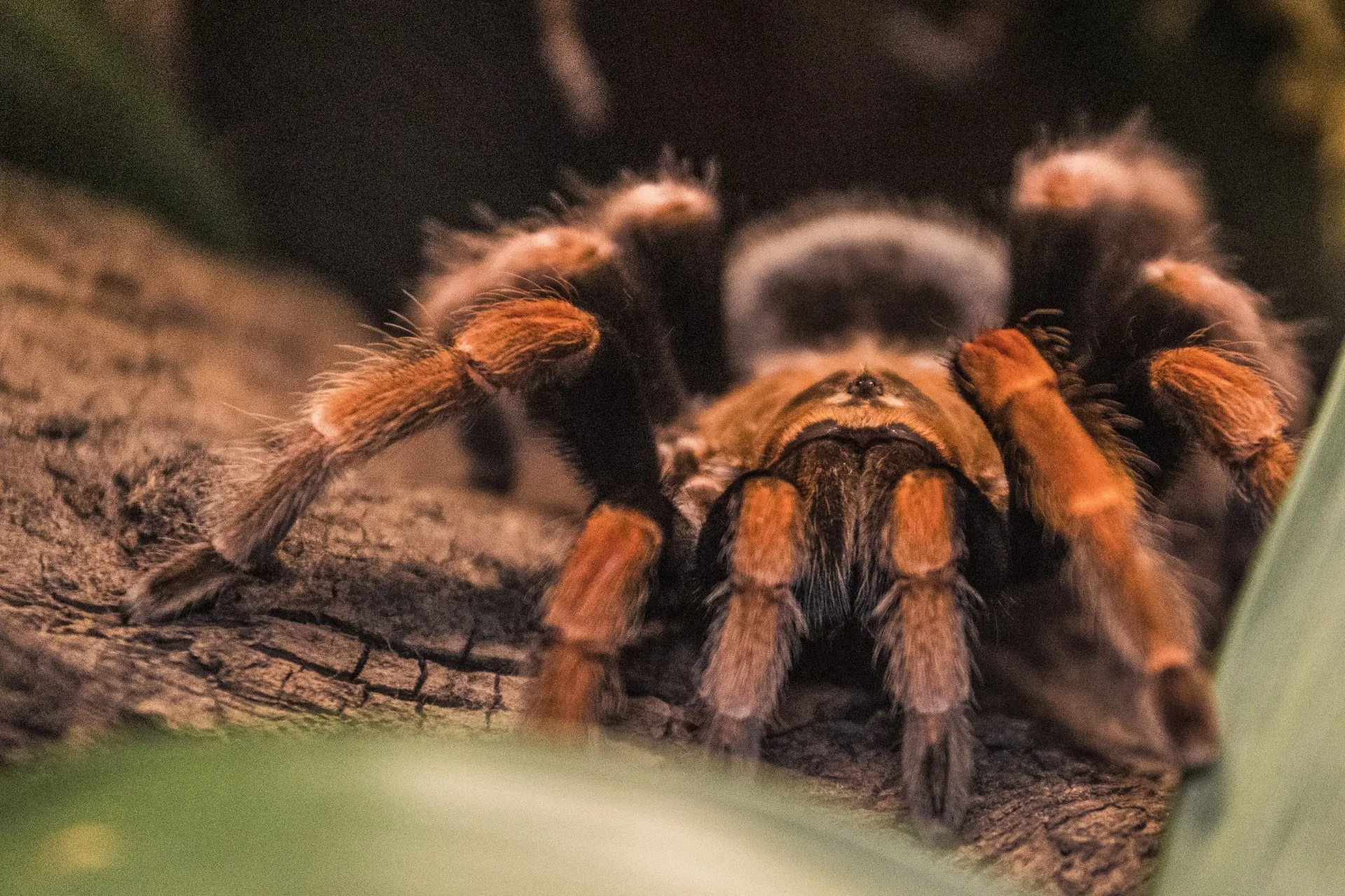
The Mexican Fireleg Tarantula (Brachypelma boehmei) is a stunning and popular pet tarantula, known for its vibrant orange leg hairs against a black body. These captivating arachnids are relatively docile and, with proper care, can thrive in captivity. This comprehensive guide will walk you through everything you need to know about providing the best possible care for your Mexican Fireleg Tarantula, from choosing a healthy specimen to understanding its specific needs and ensuring its well-being. Owning a tarantula is a rewarding experience, and understanding their needs is key to a successful and enjoyable pet-owner relationship. This care sheet is designed to provide detailed information for both beginners and experienced keepers alike, ensuring your tarantula lives a long, healthy, and fulfilling life.
Choosing Your Mexican Fireleg Tarantula
Selecting a healthy Mexican Fireleg Tarantula is the first crucial step towards successful ownership. A well-chosen tarantula is more likely to acclimate to its new environment and exhibit the vibrant colors and behaviors that make them so captivating. Patience and careful observation during the selection process can save you from potential health issues and ensure you get a pet that thrives. Always purchase your tarantula from a reputable breeder or pet store that specializes in arachnids. This increases the likelihood of acquiring a healthy specimen that has been properly cared for from the start. Avoid purchasing tarantulas from unreliable sources.
Selecting a Healthy Tarantula
When selecting your tarantula, pay close attention to its overall appearance and behavior. A healthy tarantula should be active, alert, and responsive to its environment. Observe the tarantula’s movements; they should be steady and not jerky or uncoordinated. Look for a tarantula that is actively exploring its enclosure or resting in a natural posture. A tarantula that is constantly hiding or appears lethargic could be a sign of illness or stress. It’s also important to inquire about the tarantula’s feeding habits. A healthy tarantula should have a good appetite and readily accept food. Ask the seller about the tarantula’s feeding schedule and what it has been eating.
Identifying a Healthy Specimen

Inspect the tarantula’s physical condition. A healthy tarantula should have a plump abdomen, indicating that it is well-fed and hydrated. Avoid tarantulas with a shrunken or wrinkled abdomen, as this could be a sign of dehydration or starvation. Check for any missing limbs or damage to the pedipalps (the small leg-like appendages near the mouth). While minor injuries can heal, it is best to choose a tarantula without significant damage. Look closely at the tarantula’s fangs; they should be intact and not damaged. The legs should be fully intact and have no signs of damage or discoloration. Also, check the tarantula for any signs of parasites or mites. Look at the book lungs (located on the underside of the abdomen) to make sure they are clean and free of debris.
Quarantine and Acclimation
Once you bring your new tarantula home, it’s essential to quarantine it for a period of time, typically 30-60 days. This period allows you to observe the tarantula for any signs of illness or parasites without risking the health of other pets you might own. During quarantine, keep the tarantula in a separate enclosure, away from other pets and in a quiet area. Provide the appropriate habitat setup, including the correct substrate, hiding place, and water source. Regularly observe the tarantula for any signs of illness, such as lethargy, loss of appetite, or unusual behavior. Maintain the proper temperature and humidity levels to help the tarantula acclimate to its new environment. After the quarantine period, you can begin to introduce the tarantula to its permanent enclosure if you haven’t already. Gradual acclimation minimizes stress and helps your tarantula adjust to its new home.
Setting Up the Perfect Habitat
Creating the right environment is critical for the health and well-being of your Mexican Fireleg Tarantula. These spiders have specific habitat requirements that must be met to ensure they thrive in captivity. The enclosure setup should mimic their natural environment as closely as possible, providing the necessary elements for thermoregulation, humidity control, and security. A well-designed habitat will not only keep your tarantula healthy but also allow you to observe its fascinating behaviors. Remember to choose a location away from direct sunlight, drafts, and excessive noise or vibrations.
Enclosure Size and Type

The size of the enclosure depends on the size of your tarantula. For a juvenile Mexican Fireleg Tarantula, a 5-10 gallon terrarium is usually sufficient. As the tarantula grows, you’ll need to upgrade to a larger enclosure. A fully grown adult will need an enclosure that is at least 10-20 gallons, or even larger. The enclosure should be made of either glass or acrylic, with a secure, well-ventilated lid. The enclosure should be wider than it is tall, as these tarantulas are terrestrial and spend most of their time on the ground. Avoid enclosures with excessive height, as a fall from a significant height can injure the tarantula. Ensure the enclosure is escape-proof, as tarantulas can squeeze through small openings. Consider the tarantula’s burrowing behavior when choosing an enclosure; providing enough substrate is crucial for this species.
Substrate and Decoration
The substrate is the material that lines the bottom of the enclosure and serves multiple purposes, including providing a surface for the tarantula to walk on, helping to maintain humidity levels, and allowing the tarantula to burrow. For Mexican Fireleg Tarantulas, a mixture of peat moss, vermiculite, and coconut fiber is ideal. This combination retains moisture well while providing a good surface for the tarantula to burrow. The substrate should be deep enough to allow the tarantula to burrow comfortably, typically 4-6 inches for adults. Add decorations like cork bark, artificial plants, and artificial caves to provide hiding places and enrich the environment. These decorations provide security and encourage natural behaviors, such as web-spinning and hiding. Make sure any decorations are sturdy and will not topple over and potentially injure the tarantula.
Temperature and Humidity
Maintaining the correct temperature and humidity levels is essential for the health of your Mexican Fireleg Tarantula. The ideal temperature range is between 75-85°F (24-29°C). You can use a heat mat placed on the side of the enclosure or a low-wattage heat lamp to maintain the desired temperature. Avoid placing the heat source directly beneath the enclosure, as this can cause the substrate to dry out too quickly. Humidity levels should be kept at 60-70%. You can monitor humidity using a hygrometer. To maintain the correct humidity, mist the enclosure with dechlorinated water 1-2 times per week, depending on the ventilation and humidity levels. Avoid over-misting, which can lead to mold growth and other health issues. Ensure good ventilation to prevent the buildup of excess moisture.
Feeding Your Mexican Fireleg Tarantula

Proper feeding is crucial for the health and growth of your Mexican Fireleg Tarantula. These tarantulas are opportunistic predators and will readily accept a variety of live insects. Providing a balanced diet and appropriate feeding schedule will ensure your tarantula receives the necessary nutrients to thrive. Always handle live prey with care and avoid leaving uneaten insects in the enclosure for extended periods. Also, make sure the food is of the correct size for your tarantula to avoid injury.
Appropriate Food Items
The primary food source for Mexican Fireleg Tarantulas should be live insects. Suitable food items include crickets, mealworms, and dubia roaches. Crickets are a popular choice because they are readily available and easy to handle. Mealworms are another good option, but they are less nutritious and should be offered in moderation. Dubia roaches are highly nutritious and provide a good source of protein. Avoid feeding your tarantula insects that have been exposed to pesticides, as these can be harmful to the tarantula. You can also occasionally offer pre-killed insects to avoid the risk of the tarantula being injured by live prey. Always make sure that the prey items are smaller than the tarantula’s body, or at least no larger than the tarantula’s abdomen, to prevent injury to the tarantula. Before feeding, it is important to “gut load” the insects by feeding them nutritious food like vegetables, fruit, and commercial insect food. This will ensure that your tarantula receives the maximum nutritional benefit from its meals.
Feeding Frequency and Portion Size
The feeding frequency depends on the age and size of your tarantula. Spiderlings and juvenile tarantulas should be fed more frequently than adults. Spiderlings can be fed every other day or every day, while juveniles can be fed 2-3 times a week. Adult Mexican Fireleg Tarantulas can be fed once or twice a week. The portion size should be appropriate for the tarantula’s size. Offer one or two appropriately sized insects per feeding. Remove any uneaten insects within 24 hours to prevent them from stressing the tarantula or potentially injuring it during a molt. Adjust the feeding schedule based on the tarantula’s appetite and overall condition. A tarantula that is not eating may be about to molt or may be experiencing other health issues. It’s also important to provide a water source at all times.
Watering and Hydration
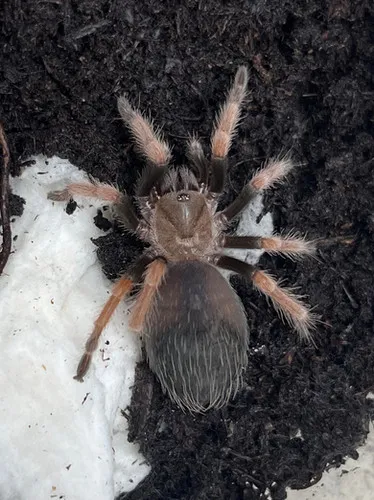
Providing a clean water source is essential for keeping your Mexican Fireleg Tarantula hydrated and healthy. Tarantulas need access to fresh water at all times. Dehydration can lead to serious health problems. Regularly check and maintain the water source, and offer it in a way that minimizes the risk of drowning.
Providing Fresh Water
Provide a shallow water dish filled with fresh, clean water. The dish should be shallow enough to prevent the tarantula from drowning. Use a water dish made of a non-porous material, such as ceramic or plastic, to prevent the water from seeping into the substrate. Check the water dish daily and refill it with fresh water as needed. Avoid using tap water, as it may contain chlorine and other chemicals that can be harmful. Use bottled water, or dechlorinate tap water before offering it to your tarantula. You can also provide water by misting the enclosure, but this should not be the sole source of water, and should be done sparingly to maintain the correct humidity.
Maintaining Humidity Levels
Maintaining the correct humidity level is vital for your tarantula’s health and helps facilitate molting. Aim for a humidity level of 60-70%. You can monitor humidity using a hygrometer placed inside the enclosure. To increase humidity, mist the enclosure with dechlorinated water. The frequency of misting will depend on the ventilation in the enclosure. If the enclosure has good ventilation, you may need to mist more frequently. Avoid over-misting, which can lead to mold growth and other health issues. Adequate ventilation is important to prevent the enclosure from becoming overly humid. If the humidity is too high, you can increase ventilation by providing more air holes in the enclosure lid.
Handling and Safety

While Mexican Fireleg Tarantulas are generally docile, it’s important to handle them with care and caution. Tarantulas can be easily injured if dropped, and their venom can cause localized pain and irritation. Weighing the risks versus the benefits is important when deciding to handle your tarantula. Always prioritize the safety of yourself and your pet.
When to Handle
Handling your Mexican Fireleg Tarantula is not usually necessary and should be kept to a minimum, as it can stress the animal. Some keepers choose to handle their tarantulas, but it is not required for their well-being. If you do choose to handle your tarantula, make sure it is calm and relaxed. Avoid handling your tarantula after it has eaten, during molting, or if it appears stressed. Always wash your hands before handling your tarantula to avoid transferring any substances or odors. If you are nervous, it is best not to handle your tarantula at all. Build trust with your tarantula through observation and providing excellent care.
Safety Precautions
If you choose to handle your tarantula, do so with extreme care. Always handle the tarantula close to the ground or over a soft surface, such as a bed or couch, to minimize the risk of injury if it falls. Avoid sudden movements, and speak softly to the tarantula to reassure it. Never grab or squeeze the tarantula. Instead, gently guide it onto your hand, allowing it to walk on your palm. Be aware that tarantulas can flick urticating hairs (small, irritating hairs) from their abdomen as a defense mechanism. Avoid agitating the tarantula, as this can trigger this defense. After handling, wash your hands thoroughly. Although a tarantula bite is not usually life-threatening, it can be painful. If bitten, wash the area with soap and water and monitor for any signs of allergic reaction. If you experience a severe reaction, seek medical attention immediately.
Common Health Issues

Like any pet, Mexican Fireleg Tarantulas can be susceptible to certain health issues. Recognizing these issues and taking preventative measures is crucial for keeping your tarantula healthy and happy. Regular observation and proper care are the best ways to ensure your tarantula’s well-being. If you are concerned about your tarantula’s health, it is best to consult with a veterinarian experienced in exotic animals.
Recognizing Signs of Illness
Be vigilant in observing your tarantula for any signs of illness. Loss of appetite is a common sign of a problem, and if your tarantula stops eating for an extended period, it could indicate a health issue or that it is about to molt. Lethargy or a lack of activity can also be a sign of illness. A tarantula that is usually active but is now sluggish or unresponsive should be examined closely. Check for physical abnormalities, such as a shrunken abdomen (indicating dehydration or starvation), missing limbs, or wounds. Look for unusual behavior, such as excessive hiding, twitching, or tremors. If you notice any of these signs, consult with a veterinarian experienced in exotic animals. Early detection and treatment are critical for a positive outcome.
Preventative Care
Prevention is always better than cure when it comes to tarantula health. Provide a clean and properly maintained habitat to reduce the risk of illness. Regularly remove any uneaten food and waste to prevent the buildup of bacteria and mold. Maintain the correct temperature and humidity levels to create an environment that supports your tarantula’s health. Feed your tarantula a balanced diet of appropriate live insects. Avoid overfeeding, as this can lead to obesity and other health issues. Avoid handling your tarantula excessively, as stress can weaken its immune system. Quarantine new tarantulas for a period of time to ensure they are healthy before introducing them to your collection. Regularly inspect your tarantula for any signs of illness or injury. These preventative measures will go a long way in ensuring a long and healthy life for your Mexican Fireleg Tarantula.
Molting Process

Molting is a natural process for tarantulas, during which they shed their exoskeleton to allow for growth. This process can be stressful for the tarantula, so it’s important to understand the molting process and how to support your tarantula during this time. Molting frequency varies depending on the age and size of the tarantula. Spiderlings molt more frequently than adults.
Preparing for Molting
Prior to molting, your tarantula may exhibit certain behaviors. It may stop eating for a week or two, and it may become less active. The tarantula may also construct a web mat on the substrate. You might also observe that the abdomen of the tarantula appears darker. These are all normal signs that the tarantula is preparing to molt. Ensure that the enclosure is secure and undisturbed during this time. Avoid handling the tarantula or disturbing its environment. Maintaining the correct temperature and humidity levels will help the molting process.
What to Do During Molting
During the molting process, the tarantula will flip onto its back and shed its exoskeleton. This process can take several hours, and it is important not to disturb the tarantula. Do not try to help the tarantula molt, as you could cause serious injury. Once the tarantula has molted, it will be very vulnerable. Do not offer food to the tarantula for at least a week, as its fangs and exoskeleton will be soft. Allow the tarantula to fully harden before offering food again. Provide fresh water during this time, as the tarantula will need to rehydrate. After molting, the tarantula’s colors may appear more vibrant and its size will have increased. The molted exoskeleton can be left in the enclosure or removed, depending on your preference. The molt can be a great keepsake.
Caring for a Mexican Fireleg Tarantula can be a truly rewarding experience. By following this guide and providing your tarantula with the proper care, you can ensure that your pet thrives and provides you with years of enjoyment. Remember to research and be patient, and enjoy the fascinating world of tarantula keeping! Always prioritize the tarantula’s well-being, and consult with a veterinarian experienced in exotic animals if you have any concerns.