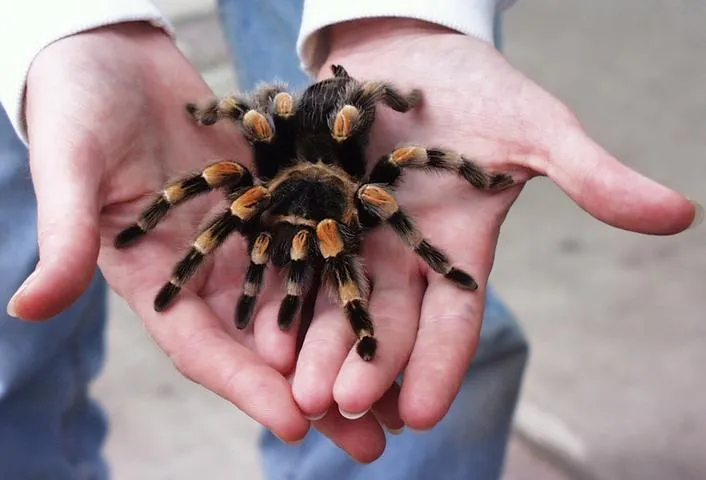
Choosing Your Mexican Red Knee Tarantula
Bringing a Mexican Red Knee Tarantula into your home is an exciting experience, but it’s crucial to start with a healthy specimen. These beautiful arachnids, known for their striking red and black coloration, can make fascinating pets. However, proper care begins even before you bring your tarantula home. Choosing the right tarantula is the first step towards ensuring its well-being and your enjoyment as a pet owner. This guide provides the essential information you need to select a healthy Mexican Red Knee Tarantula, setting you up for a successful and rewarding experience.
Selecting a Healthy Tarantula
When selecting a Mexican Red Knee Tarantula, observe its overall appearance and behavior. A healthy tarantula will be alert and responsive. Avoid tarantulas that appear lethargic, sluggish, or uncoordinated. Look for a tarantula with a full abdomen, indicating it is well-fed, but not excessively plump. The abdomen should be free of any visible wounds or damage. A tarantula’s body condition can tell you much about its health and past care, so always perform a thorough visual inspection before making your choice. The tarantula should also have all its legs, and be able to walk without problems. A missing leg or legs could indicate a problem, but not always.
Recognizing Healthy Characteristics

Look for a tarantula with a glossy exoskeleton. The colors should be vibrant and clear, especially the red markings on the knees. Check for any signs of parasites or mites. These are typically visible as tiny specks or moving dots on the tarantula’s body. A healthy tarantula will move with confidence and agility. It should react to stimuli, such as a gentle puff of air or a light touch. Avoid tarantulas that appear to be in distress or have difficulty moving. A tarantula’s behavior is a good indicator of its overall well-being. Observe how it interacts with its environment. A healthy tarantula will exhibit normal behaviors such as exploring its surroundings and responding to the presence of prey.
Setting Up the Perfect Habitat
Creating the right habitat is crucial for the health and happiness of your Mexican Red Knee Tarantula. The enclosure should mimic its natural environment, providing a secure and comfortable space where it can thrive. Proper housing involves several key factors, including the size and type of enclosure, the substrate used, and the maintenance of appropriate humidity and temperature levels. Attention to these details will help to ensure your tarantula lives a long and healthy life. A well-designed habitat provides the necessary conditions for molting, feeding, and overall well-being.
Enclosure Size and Type
The enclosure should be appropriately sized for the tarantula’s current size and eventual adult size. A good rule of thumb is to provide an enclosure that is at least three times the tarantula’s leg span in length and width. A ten-gallon tank is usually suitable for juveniles and sub-adults, while a twenty-gallon long tank is better for adult Mexican Red Knee Tarantulas. The enclosure should be escape-proof, with a secure lid that fastens tightly. Glass or clear plastic enclosures are ideal as they allow for easy viewing. Make sure the enclosure has adequate ventilation to prevent the buildup of humidity, but avoid excessive airflow that could dry out the enclosure.
Substrate and Decoration

The substrate is the bedding material that covers the bottom of the enclosure. It provides a natural environment for your tarantula to burrow and feel secure. A good substrate for a Mexican Red Knee Tarantula is a mixture of peat moss, coco fiber, and a small amount of vermiculite. This mixture holds moisture well, which helps to maintain the proper humidity levels. The substrate should be deep enough for the tarantula to burrow, typically 4-6 inches. Decorate the enclosure with items that mimic the tarantula’s natural habitat. Include a hide, such as a piece of cork bark or a half-log, for the tarantula to retreat to and feel safe. Provide some foliage, such as artificial plants, to provide cover and enhance the enclosure’s aesthetic appeal.
Maintaining Optimal Humidity and Temperature
Mexican Red Knee Tarantulas thrive in a temperature range of 75-85°F (24-29°C). Use a thermometer to monitor the temperature within the enclosure. You may need to use a heat lamp or a heat mat attached to the side of the enclosure to maintain the proper temperature, especially in cooler climates. Humidity levels should be maintained between 60-70%. Use a hygrometer to monitor the humidity. To maintain humidity, lightly mist the substrate with water every few days. Avoid over-misting, as this can lead to mold growth. Ensure the enclosure has proper ventilation to prevent the buildup of excess moisture. Regular monitoring of temperature and humidity is essential for your tarantula’s well-being.
Feeding Your Tarantula
Feeding your Mexican Red Knee Tarantula is a simple process, but it requires attention to detail. The correct diet and feeding schedule will help your tarantula grow and thrive. Understanding the nutritional needs of your tarantula and providing appropriate food is crucial. Ensuring your tarantula is well-fed is a critical aspect of its care, impacting its health, growth, and overall quality of life. Follow these guidelines to make sure your tarantula gets what it needs.
What to Feed

Mexican Red Knee Tarantulas are primarily insectivores. Their diet should consist mainly of live insects. Crickets, mealworms, and roaches are excellent choices. The size of the insects should be appropriate for the size of your tarantula. As a general rule, the prey should be no larger than the tarantula’s body. Avoid feeding your tarantula insects that have been exposed to pesticides or insecticides, as these can be harmful. You can dust the insects with a calcium and vitamin D3 supplement to provide additional nutrients. Always ensure the insects are freshly sourced and healthy before feeding them to your tarantula.
Feeding Frequency
Juvenile tarantulas should be fed more frequently than adults, usually every 2-3 days. Adult tarantulas can be fed once or twice a week. Adjust the feeding schedule based on your tarantula’s appetite and body condition. If your tarantula refuses to eat, it could be a sign that it is about to molt. Remove any uneaten prey from the enclosure after 24 hours to prevent them from stressing or potentially harming your tarantula. Ensure your tarantula always has access to fresh water. It is essential to keep a close eye on your tarantula’s feeding habits to monitor their health and well-being. A sudden change in appetite may indicate an underlying issue.
Providing Water
Always provide your Mexican Red Knee Tarantula with access to fresh water. Use a shallow water dish that is easily accessible. The water dish should be shallow enough to prevent the tarantula from drowning, especially for younger specimens. You can use a cotton ball or a sponge in the water dish to give smaller tarantulas a safe drinking spot. Clean the water dish regularly to prevent the buildup of bacteria and mold. Ensure the water is always fresh and clean. Proper hydration is critical for a tarantula’s health and helps facilitate the molting process.
Handling and Safety

While Mexican Red Knee Tarantulas are generally docile, it is essential to approach handling with caution. Understanding their behavior and taking the necessary safety measures will help to ensure a positive experience for both you and your tarantula. Always handle your tarantula in a calm and controlled manner, and be mindful of its well-being. Taking precautions will reduce the risk of accidents and potential harm. A well-informed approach contributes to a more enjoyable and safe experience when interacting with your tarantula.
When to Handle and When to Avoid
Handling your Mexican Red Knee Tarantula should be kept to a minimum, as it can be stressful for the animal. Avoid handling your tarantula during molting or immediately after a molt, as their exoskeleton is soft and vulnerable. Also, avoid handling if the tarantula appears defensive or agitated. The best time to handle your tarantula is when it is calm and actively exploring its enclosure. Always wash your hands thoroughly before handling to remove any scents or chemicals that could be harmful. Handle your tarantula close to the ground or a soft surface, in case it falls. Never force the tarantula to come out; let it walk onto your hand on its own.
Preventing Bites
Mexican Red Knee Tarantulas are venomous, although their bites are generally not considered life-threatening to humans. The bite can be painful and cause localized swelling and redness. To prevent bites, always approach your tarantula calmly and slowly. Never make sudden movements that could startle the tarantula. Avoid putting your fingers or hands directly in front of the tarantula’s fangs. Use a soft brush or a container to gently guide the tarantula if you need to move it. If bitten, wash the area thoroughly with soap and water and seek medical attention if you experience severe symptoms. Be respectful of the tarantula, and you will significantly decrease the chance of a bite.
Molting and What to Expect

Molting is a natural process for tarantulas, during which they shed their exoskeleton to grow. Understanding the molting process and what to expect will help you provide the best care during this critical period. Molting is a sign of a healthy, growing tarantula. It’s a fascinating process and requires patience and careful attention. Knowing what to anticipate can alleviate any worries and help ensure the well-being of your pet. Observing the molting process is a unique aspect of tarantula ownership.
Understanding the Molting Process
As tarantulas grow, they outgrow their exoskeletons. The molting process involves the tarantula shedding its old exoskeleton and growing a new one. Before molting, the tarantula may stop eating, become less active, and spend more time in its hide. The tarantula will typically flip onto its back during the molting process. The process can take several hours, and the tarantula will be very vulnerable during this time. Once the molt is complete, the new exoskeleton will be soft and take several days to harden. Do not disturb the tarantula during the molting process; just observe.
Caring for a Molting Tarantula
Provide a quiet and undisturbed environment for your tarantula during molting. Ensure the enclosure has proper humidity levels to aid the molting process. Do not feed your tarantula until its new exoskeleton has fully hardened, typically about a week or two after the molt. Do not disturb or remove the shed exoskeleton. The tarantula might eat parts of it to recover nutrients. Once the exoskeleton has hardened, your tarantula will resume normal activities. After molting, the colors of your tarantula might be brighter and more vibrant. Be patient and allow your tarantula time to recover, and you’ll be rewarded with a healthy, thriving pet.