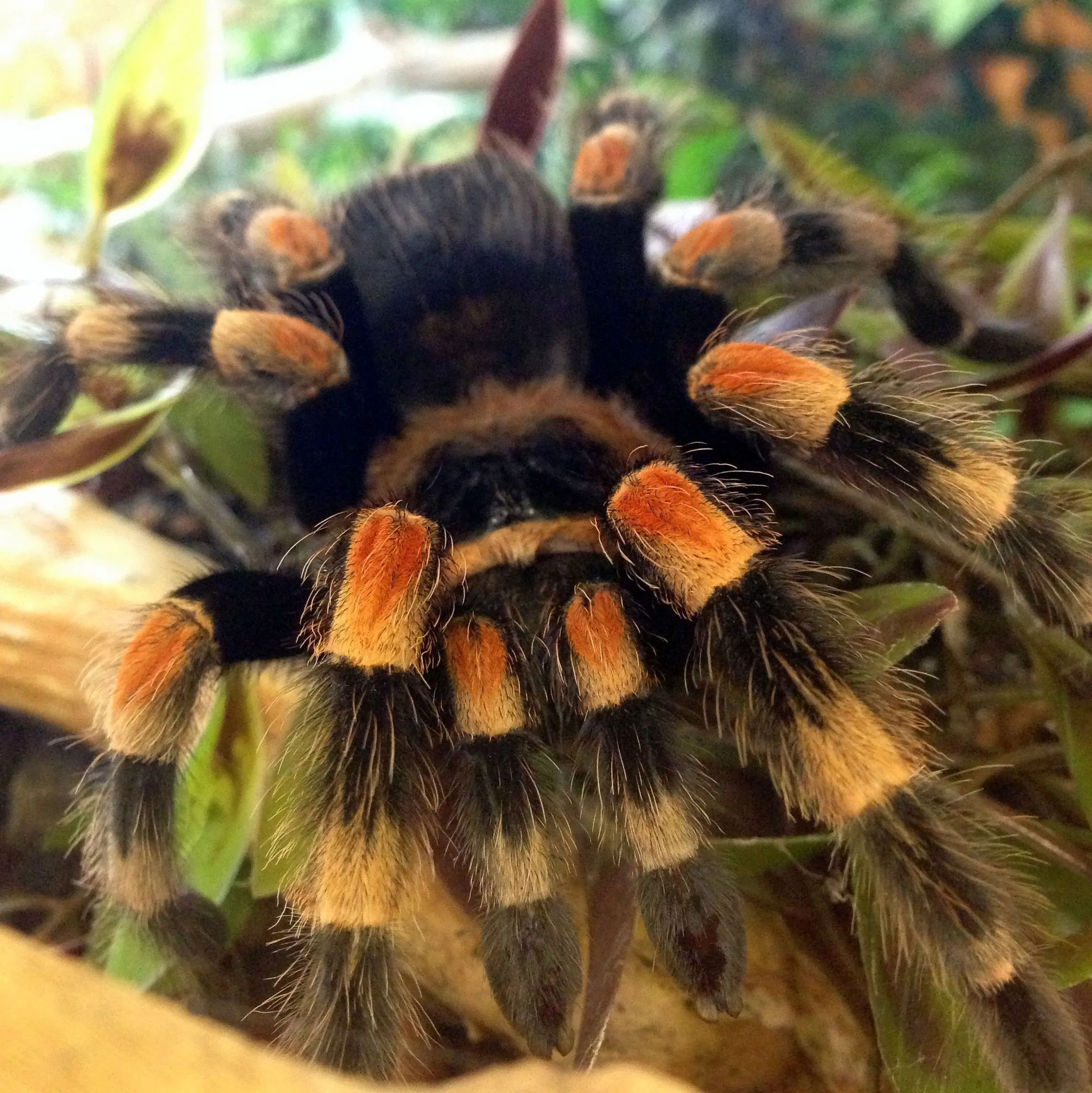
Understanding the Molting Process
Molting is a fundamental and essential biological process for tarantulas, including the captivating Mexican Red Knee Tarantula (Brachypelma hamorii). It’s essentially their way of growing, shedding their old exoskeleton, and revealing a new, larger one beneath. This process isn’t just about size; it’s also about regeneration. During a molt, tarantulas can regenerate lost limbs, repair minor injuries, and replace internal linings. The frequency of molting varies depending on the tarantula’s age, with younger tarantulas molting more often than adults. It is an incredible transformation that showcases the resilience and adaptability of these fascinating creatures. Understanding the molting process is the first step in providing proper care for your Mexican Red Knee Tarantula, ensuring its health, and well-being.
Why Do Tarantulas Molt?
Tarantulas, like all arthropods, have an exoskeleton, a hard, rigid outer shell that protects their bodies. This exoskeleton, while providing excellent protection, does not grow. As the tarantula grows, it becomes too large for its current exoskeleton. Molting is the solution to this problem. During molting, the tarantula sheds its old exoskeleton, allowing it to expand and grow a new, larger one. Besides growth, molting serves other important purposes, such as regenerating lost limbs or repairing any damages on the body. The process also allows the tarantula to replace the lining of its gut and other internal structures. Molting is therefore not just about size; it’s a comprehensive renewal process that keeps the tarantula healthy and thriving. Recognizing the significance of molting helps in appreciating the intricate life cycle of these arachnids and the care they need during this vulnerable period.
Signs Your Tarantula Is About to Molt

Identifying the signs that your Mexican Red Knee Tarantula is about to molt is crucial for providing the right care. One of the most noticeable signs is a change in the tarantula’s behavior. It might become less active, spend more time hiding, and refuse food. You might observe the tarantula sealing itself off in its burrow, web, or hideout. Another clear indicator is a change in the appearance of the abdomen. The abdomen might appear darker, swollen, and shiny. You might also notice the tarantula spending a lot of time on its back, which can be a sign of the molting process starting. Knowing these signs will allow you to prepare the enclosure, minimize disturbances, and support your tarantula through this vulnerable phase. Being observant of these changes and providing the appropriate care ensures that the tarantula molts successfully and continues to live a healthy life.
Creating the Ideal Molting Environment
Creating the right environment is a must for your Mexican Red Knee Tarantula. This includes providing the right temperature, humidity, substrate, and hiding places. During molting, the tarantula is extremely vulnerable, and the proper conditions can significantly improve its chances of a successful molt. A well-prepared enclosure reduces stress and allows the tarantula to focus on the molting process. Providing the correct environment makes sure your tarantula can thrive and grow to its fullest potential. Preparing the ideal molting environment is an important aspect of responsible tarantula ownership, which enables your pet to have a healthy life.
Temperature and Humidity
Maintaining the correct temperature and humidity levels is vital for a successful molt. Mexican Red Knee Tarantulas thrive in temperatures between 75°F and 85°F (24°C and 29°C). Use a reliable thermometer to monitor the temperature, and a small heater if needed, to maintain this range. Humidity levels should be maintained between 60% and 70%. You can use a hygrometer to measure humidity, and raise humidity by lightly misting the enclosure with dechlorinated water, but never directly on the tarantula. Good ventilation is also important to prevent mold and mildew. Stable temperature and humidity levels reduce stress, supporting the tarantula through the molting process. By carefully controlling these environmental factors, you will create an ideal environment for your tarantula.
Substrate and Hiding Places

The substrate and hiding places in your tarantula’s enclosure play a critical role during molting. The substrate should be several inches deep, allowing the tarantula to burrow if it chooses. A good substrate is a mix of coco fiber, peat moss, or a commercial tarantula substrate. This type of substrate retains moisture and provides a comfortable surface for the tarantula. Providing a secure hide, such as a cork bark or a half log, is crucial. The tarantula will retreat to its hide before molting, providing it with a sense of security and protection. Ensure that the hide is large enough for the tarantula to comfortably molt inside. Avoid any objects with sharp edges that could injure the tarantula during molting. The right substrate and hide are essential components of a suitable molting environment.
Providing Optimal Care During Molting
During the molting process, your Mexican Red Knee Tarantula needs your careful support. There are several precautions you can take to minimize any issues and ensure a successful molt. Being patient and attentive during this period is key. Knowing what to do and what to avoid can make all the difference in supporting your pet.
Do Not Disturb
Once your tarantula begins molting, it’s critical to minimize disturbances. Avoid handling the tarantula or moving its enclosure unless absolutely necessary. Loud noises, vibrations, or sudden movements can cause stress, which can disrupt the molting process. If your tarantula has sealed itself in its burrow or hide, resist the temptation to check on it. Molting can take several hours, and the tarantula is most vulnerable during this time. Giving your tarantula the peace and quiet it needs is essential for a successful molt. Minimizing disturbance helps prevent any complications and encourages the tarantula to complete its molt without interruption. A quiet, undisturbed environment is important for the tarantula’s well-being.
Avoid Feeding

Do not offer food to your tarantula when it is preparing to molt or during the molting process. The tarantula will likely refuse food and might even become stressed if offered. Feeding a tarantula that is about to molt can lead to the tarantula abandoning its molt. After the molt, wait a few days before reintroducing food. This allows the tarantula’s new exoskeleton to harden fully, reducing the risk of injury. Offer small portions of food initially and observe the tarantula’s appetite. Only feed when the tarantula is showing interest and can safely consume the food. Following these feeding guidelines will protect your tarantula during and after molting.
Post-Molting Care and Feeding
After a successful molt, your Mexican Red Knee Tarantula requires specific care to ensure it recovers and thrives. The newly molted tarantula is delicate, and its new exoskeleton needs time to harden. Careful handling and a gradual return to its normal routine will assist your tarantula’s recovery.
Reintroducing Food
Wait several days after the molt before reintroducing food. This allows the tarantula’s new exoskeleton to harden completely. Begin with small portions of food, such as a single cricket or a small mealworm. Observe the tarantula’s appetite and feeding behavior. If the tarantula readily consumes the food, you can gradually increase the portion size. Provide a varied diet with crickets, roaches, or other suitable insects. Ensure that the food items are gut-loaded and dusted with calcium and vitamin supplements to provide proper nutrition. Monitoring your tarantula’s eating habits will ensure that it can recover and stay healthy after the molting process.
Handling and Observation

Avoid handling your tarantula immediately after a molt, as its new exoskeleton is still soft and vulnerable. Wait at least a week or two to allow the exoskeleton to fully harden. During this period, continue to observe your tarantula closely. Look for any signs of injury, such as damage to the legs or fangs. Also, watch for changes in behavior or appetite. If you notice any problems, consult an experienced tarantula keeper or a veterinarian familiar with reptiles and arachnids. Careful observation and handling help to ensure that your tarantula stays healthy and avoids injury after molting.
Top 5 Care Tips to Ensure a Successful Molt
- Maintain optimal temperature and humidity levels.
- Provide a suitable substrate and a secure hide.
- Recognize the signs that your tarantula is about to molt.
- Avoid disturbing the tarantula during the molting process.
- Wait to reintroduce food until the exoskeleton has hardened.
Successfully caring for a Mexican Red Knee Tarantula during its molting cycle is about understanding the process, providing the right environment, and offering attentive support. By following these key care tips, you can significantly increase the chances of your tarantula having a healthy and successful molt, allowing it to grow, thrive, and live a long, vibrant life. Patience, observation, and a proactive approach are key to being a responsible tarantula keeper. Enjoy the remarkable experience of caring for these wonderful creatures!