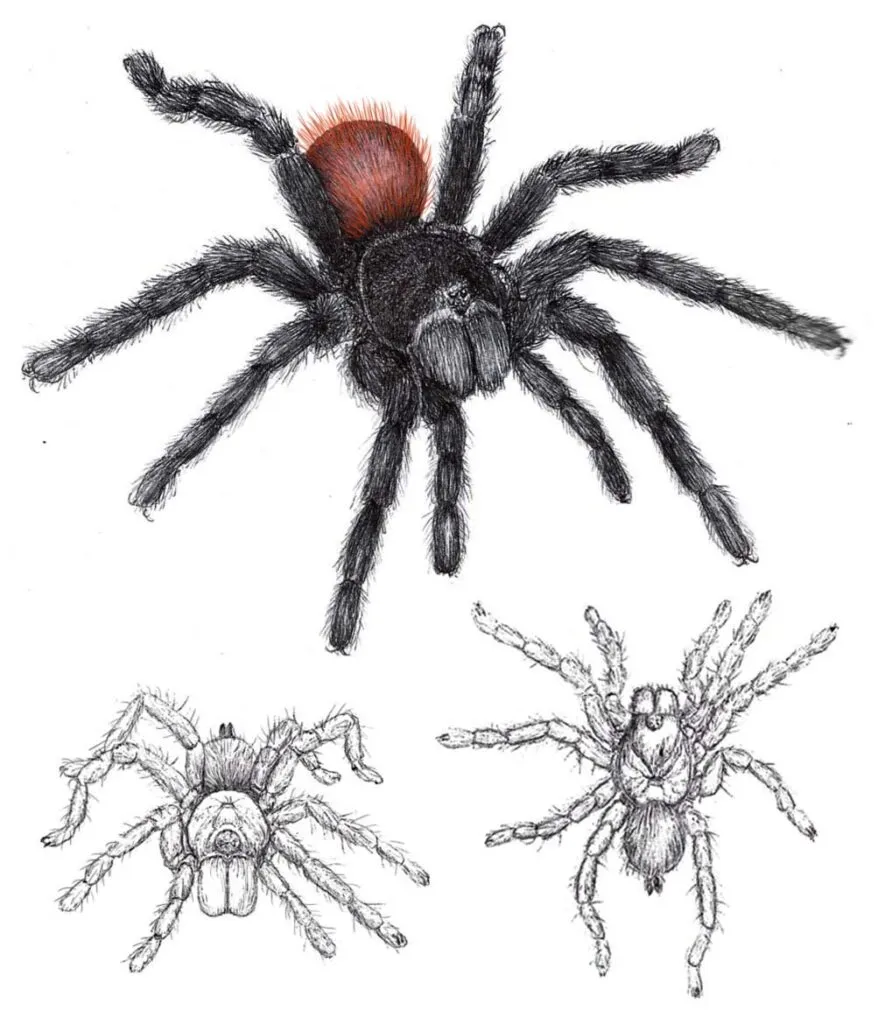
What is Molting for Mexican Red Rumps?
Molting is a fundamental biological process for all arthropods, including the Mexican Red Rump Tarantula (Brachypelma vagans). It’s essentially how these creatures grow and shed their old exoskeletons (outer shells) to reveal a new, larger one underneath. This exoskeleton is made of chitin and provides protection and support. Because it’s rigid, the tarantula must shed it periodically to increase in size. Molting is a vulnerable time for the tarantula, but it’s also a sign of a healthy and growing spider. Understanding the molting process is crucial for any tarantula owner to provide proper care and ensure the well-being of their pet. It’s an exciting process to observe, but it’s essential to know how to support your tarantula during this sensitive period.
The Molting Process
The molting process is a fascinating, yet delicate, event. It begins with the formation of a new exoskeleton beneath the old one. This new exoskeleton is soft and pliable initially. The tarantula then stops eating and becomes less active as it prepares for the shed. The spider will position itself on its back, a vulnerable posture, and use a combination of muscle contractions and internal pressure to split the old exoskeleton along pre-determined lines, usually at the carapace (the top part of the cephalothorax) and the abdomen. Once the old exoskeleton is shed, the tarantula is left with its new, soft exoskeleton. This new exoskeleton will gradually harden over a few days, during which time the tarantula is particularly vulnerable.
Premolt Signs

Recognizing premolt signs is vital for tarantula owners. Several indicators suggest your Mexican Red Rump is preparing to molt. The most common sign is a change in appetite; the tarantula will likely stop eating, or drastically reduce its food intake, sometimes weeks or even months before the molt. Also, the abdomen may appear darker, especially in the days leading up to the molt, as the new exoskeleton forms beneath the old one. As the spider gets closer to the molt, their behavior will become more lethargic and they may start to construct a web mat to lie on, which is common for this species.
Changes in Appearance
In addition to behavioral changes, the physical appearance of your Mexican Red Rump will also change. The abdomen may appear swollen and shiny due to the development of the new exoskeleton. The existing hairs on the spider’s body might appear duller and less vibrant. The tarantula’s fangs may also appear a bit different, and the spider might start to lose some of its leg hairs. Keep a close eye on these physical changes, as they offer valuable clues about the molting process.
Behavioral Changes
During premolt, Mexican Red Rumps often display specific behavioral changes that signal the impending molt. They become less active, spending more time in their hide or burrow. They may also refuse food, even if they were previously a voracious eater. Some tarantulas might start to seal themselves off inside their hide, creating a barrier of webbing. Understanding these behavioral cues can help you to adjust your care routine to accommodate your tarantula’s needs during this stressful period. Any change in behavior, especially a decline in appetite, are strong indicators of premolt.
The Molting Stage

The molting stage itself is a spectacle of nature. The tarantula usually flips onto its back, a posture that allows it to shed its old exoskeleton. The old exoskeleton will split open, usually along the carapace and abdomen, and the tarantula will slowly wriggle out. This can take anywhere from a few minutes to several hours, depending on the size and age of the spider. The newly molted tarantula will be pale and soft, and its fangs will be incredibly delicate. It is very important not to disturb the tarantula during this phase.
Creating the Right Environment
Providing the right environment is crucial for a successful molt. The enclosure should be appropriately sized for your Mexican Red Rump, providing enough space for the tarantula to maneuver and turn over. The substrate should be deep enough for the tarantula to burrow, as this helps the spider to create a stable environment for molting. Maintaining proper humidity and temperature levels will further facilitate the molting process and reduce the risk of complications. Moreover, it’s best to avoid any disturbances during the molt, such as vibrations or sudden movements around the enclosure. Remember that a safe and stable environment is essential for your tarantula’s successful molt.
Humidity and Temperature
Maintaining proper humidity and temperature levels are essential for healthy molting. Mexican Red Rumps thrive in a moderate humidity level, typically around 60-70%. Regular misting of the enclosure, or providing a water dish, can help to maintain the correct humidity. The temperature should be kept between 75-85°F (24-29°C). You can monitor both humidity and temperature using a digital thermometer and hygrometer. Incorrect humidity and temperature levels can cause molting problems, so it is crucial to keep a close eye on environmental conditions. Remember to adjust these levels as needed depending on the specific needs of your tarantula.
Avoid Disturbances

During the molting process, it’s vital to avoid any disturbances that could potentially stress or harm your tarantula. Refrain from handling the tarantula, even if it appears to be molting successfully. Avoid making loud noises or vibrations near the enclosure. If possible, place the enclosure in a quiet area, away from heavy foot traffic. Observe the tarantula from a distance, and do not disturb the spider until it has completely hardened after molting. Patience and a hands-off approach are key to ensuring a successful and safe molt for your Mexican Red Rump.
Post-Molt Care
Once the molting process is complete, and the tarantula’s new exoskeleton has hardened, it’s time to provide post-molt care. The tarantula will be very vulnerable during this period. It’s best to wait a week or two before offering food. Ensure the water dish is clean and full to give the tarantula an opportunity to hydrate. The new exoskeleton is still soft at first and takes time to harden completely. During this time, the tarantula will be more susceptible to injuries. Avoid handling the tarantula for a few days after the molt to allow the new exoskeleton to harden completely. Proper post-molt care will greatly contribute to your tarantula’s health.
Feeding Your Tarantula
After the molt, your tarantula will likely have a ravenous appetite. However, it’s essential to wait a few days or even a week before offering food. This allows the fangs to harden, ensuring that the tarantula can effectively eat its prey. Once you decide to feed your tarantula, start with smaller prey items, especially during the first post-molt feeding. Gradually increase the size of the prey as the tarantula’s exoskeleton continues to harden. Overfeeding should be avoided, and you should always remove any uneaten prey within 24 hours to prevent potential stress or injury to the tarantula.
Identifying Potential Problems During Molting

While molting is a natural process, complications can arise. Recognizing these potential problems can help you intervene and seek professional help when necessary. Some of the most common problems include a stuck molt, where the tarantula is unable to fully shed its old exoskeleton, and limb loss. Other complications can include injuries to the new exoskeleton or even death. Careful observation and a proactive approach are necessary to mitigate these risks and ensure the well-being of your Mexican Red Rump during molting.
Stuck Molt
A stuck molt is a serious issue where the tarantula is unable to fully shed its old exoskeleton. This can be caused by various factors, including low humidity, dehydration, or health problems. If you notice that your tarantula is struggling to molt, seek immediate advice from an experienced tarantula keeper or a veterinarian. They might suggest gently misting the enclosure to increase humidity or using other methods to help the spider shed its old exoskeleton. In some cases, the stuck molt can be manually assisted, but this is a delicate process that should only be done by an expert, to avoid causing harm to the spider.
Limb Loss
Limb loss can occur during a molt, especially if the tarantula is struggling to shed its exoskeleton. The tarantula may lose a leg or two. The new exoskeleton will regrow the lost limb, but the new limb may be smaller than the other legs. If your tarantula loses a limb during a molt, do not panic. The tarantula will usually regrow the limb during the next molt. Provide proper care, including a suitable habitat and diet, and the tarantula should recover well. Always provide a safe and secure environment to reduce the risk of further injury or problems.
Conclusion

Molting is a fascinating and essential part of a Mexican Red Rump Tarantula’s life cycle. By understanding the molting process, recognizing premolt signs, and providing the right environment, you can ensure that your tarantula molts successfully. Proper post-molt care and awareness of potential problems will further contribute to the health and well-being of your pet. With careful observation and appropriate care, you can enjoy the unique experience of watching your tarantula grow and thrive. Remember, patience, and attention to detail are key to being a responsible and successful tarantula keeper.