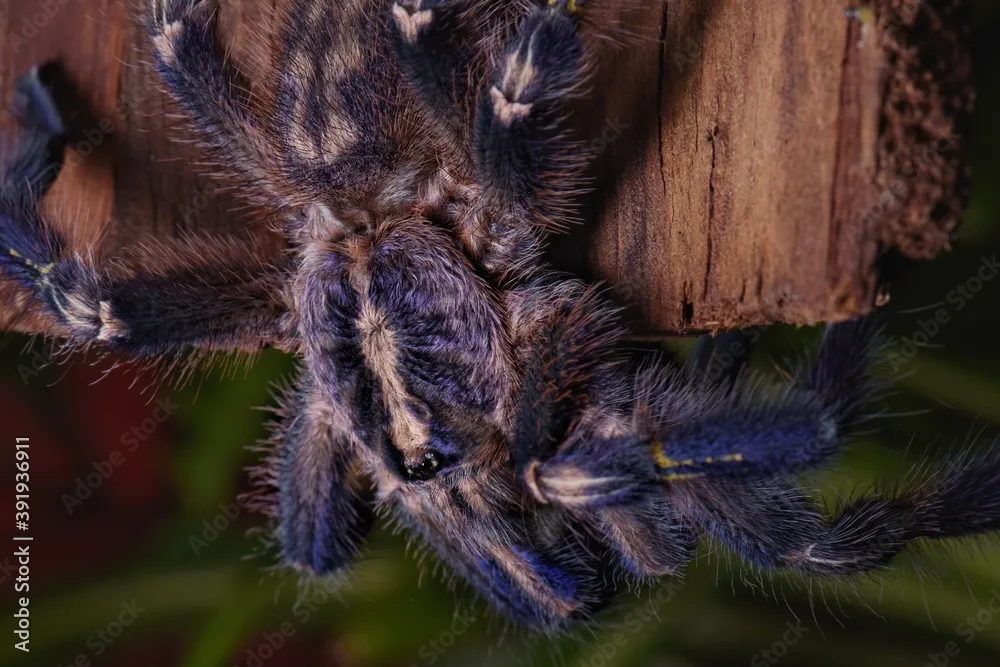
5 Most Beautiful Old World Tarantulas You Must See
Old World tarantulas are renowned for their striking appearance, captivating many with their vibrant colors, intricate patterns, and impressive size. These arachnids, native to regions across Asia, Africa, and Australia, are a testament to nature’s artistry. Their beauty extends beyond the surface, encompassing fascinating behaviors and unique adaptations that make them a captivating subject of study and admiration. This article will delve into the aesthetics of these incredible creatures, focusing on five of the most visually stunning species, while also providing a basic guide on how to care for them. Prepare to be amazed by the diversity and splendor of these often-misunderstood animals.
The Beauty of Old World Tarantulas
The beauty of old world tarantulas is multifaceted, encompassing a combination of physical attributes that make each species unique and visually appealing. This beauty is often a result of evolutionary adaptations that serve purposes such as camouflage, attracting mates, or warning off predators. The diverse range of colors and patterns found in these spiders is truly remarkable, making them a favorite among enthusiasts and a subject of fascination for scientists.
What Makes a Tarantula Beautiful

Several factors contribute to a tarantula’s aesthetic appeal. The play of light on their exoskeletons can create iridescence and a sense of depth. These features are not merely decorative; they also serve essential functions. For instance, the vivid colors of some species might be used for camouflage, helping them blend with their environment. The patterns, whether stripes, spots, or intricate designs, might break up the spider’s outline, making it harder for predators to spot. The overall size and body structure also play a role, with some species exhibiting a more robust or elegant form.
Color and Pattern Variations
The color palettes found among old-world tarantulas are exceptionally diverse, ranging from deep blues and vibrant purples to striking oranges and contrasting blacks. These colors are often a result of pigments within their exoskeletons and hairs, creating a kaleidoscope of visual experiences. Patterns are equally varied, with some species displaying complex mosaic designs while others have simpler, more uniform colorations. This variability allows for a wide range of aesthetic preferences, ensuring that each tarantula species offers something unique and captivating to observe.
Size and Body Structure
The size and overall body structure are also crucial components of a tarantula’s beauty. Some species are known for their large size, with leg spans exceeding 10 inches, presenting an imposing and majestic presence. Others are admired for their more delicate and slender builds, often accompanied by intricate patterns. The shape and proportions of the cephalothorax (the combined head and chest), abdomen, and legs all contribute to the overall visual appeal. The arrangement of hairs and setae (sensory bristles) on the body adds another layer of texture and detail, further enhancing their unique beauty.
5 Must-See Old World Tarantula Species

Selecting just five species is a challenge, but here are some of the most visually stunning old-world tarantulas that are a must-see for any enthusiast. Each species possesses a unique combination of colors, patterns, and behaviors, making them fascinating subjects to observe. Keep in mind that all these tarantulas require careful handling and specialized care.
The Cobalt Blue Tarantula
The Cobalt Blue Tarantula (Cyriopagopus lividus) is renowned for its striking iridescent blue coloration, which covers its legs and body. Its appearance is truly captivating, making it a highly sought-after species among collectors. This tarantula’s metallic blue hue is a result of structural coloration, where the arrangement of microscopic structures on its exoskeleton reflects light in a unique way.
Habitat and Care
Cobalt Blue Tarantulas thrive in humid environments with temperatures between 75-85°F. A well-ventilated enclosure with deep substrate, such as coco coir or peat moss, is essential for burrowing. Providing a water dish and regular misting ensures adequate humidity. These spiders are known for their speed and defensive nature, so careful handling is crucial. When housed properly, they can live for several years.
Appearance

The most noticeable feature is the iridescent blue coloration of its legs and body, which intensifies with maturity. They have a dark carapace (the top of the cephalothorax) and abdomen. They are medium-sized tarantulas, with a leg span that typically reaches 5-6 inches. Their beauty is matched by their striking appearance, a truly unforgettable visual experience.
The Thai Black Tarantula
The Thai Black Tarantula (Haplopelma minax) offers a unique beauty with its velvety black coloration. The contrast between its dark body and the subtle patterns on its legs create a striking and elegant appearance. It is a medium-sized tarantula and is prized for its mysterious and sophisticated look.
Habitat and Care
Thai Black Tarantulas need a warm and humid environment. Providing a substrate that allows them to burrow is critical, along with a water dish for hydration. Maintaining a temperature between 75-85°F and ensuring adequate humidity is crucial for their well-being. They are generally docile but can be defensive, and it’s important to handle them with care, especially when young.
Appearance

These spiders are characterized by their uniformly black coloration, which creates a sophisticated look. Their overall appearance gives them a mysterious and powerful presence. Their size usually reaches 6-7 inches in leg span, which adds to their impressive look.
The Gooty Sapphire Ornamental Tarantula
The Gooty Sapphire Ornamental Tarantula (Poecilotheria metallica) is known for its striking blue and yellow coloration. Their pattern is unique, with a metallic blue base and vibrant yellow markings, making them a standout species. The intricate patterns on their legs and body create a mesmerizing visual display.
Habitat and Care
This species is arboreal, meaning it prefers to live in trees, and so requires a tall enclosure with vertical climbing structures. They need temperatures around 75-85°F and moderate humidity. Good ventilation is crucial to prevent mold and fungus. They are known for their speed and potent venom, so experienced keepers are recommended. Careful handling is essential.
Appearance

The Gooty Sapphire Ornamental Tarantula has a metallic blue body with striking yellow markings on its legs. Its appearance is genuinely exceptional, with the contrast between the blue and yellow creating a visual masterpiece. They usually reach about 7-8 inches in leg span, making them a substantial and eye-catching species.
The Indian Violet Tarantula
The Indian Violet Tarantula (Chilobrachys hardwickei) is recognized for its stunning violet coloration. The iridescent hues create a dazzling effect, and the overall appearance is elegant and eye-catching. Their dark bodies are contrasted by shimmering violet hairs, creating a striking visual experience.
Habitat and Care
This species thrives in warm, humid environments. A burrowing substrate is necessary, and providing a water dish is essential. Temperatures between 75-85°F and moderate humidity are ideal. They are known to be defensive, so gentle handling is vital. The Indian Violet Tarantula is an excellent specimen to showcase the beauty of the old-world tarantulas.
Appearance

The Indian Violet Tarantula showcases an elegant dark body with violet highlights, and it is usually around 5-6 inches in leg span. The metallic sheen of their violet hairs gives them a mesmerizing appearance, making them a sought-after species for enthusiasts.
The Singapore Blue Tarantula
The Singapore Blue Tarantula (Cyriopagopus longipes) is another stunning specimen. Their legs are known to display a vibrant blue hue, and their overall appearance is striking. This species combines beauty and grace, making them a captivating sight to see.
Habitat and Care
Singapore Blue Tarantulas need a warm, humid environment. Providing a burrowing substrate and a water dish will help create the perfect environment. Temperatures between 75-85°F and moderate humidity are crucial. They are relatively skittish and fast-moving, so cautious handling is important.
Appearance
These tarantulas are recognized by their blue legs and dark bodies. Their overall coloration is unique, and they have a leg span of about 5-6 inches. They are undoubtedly one of the most beautiful old-world species.
Caring for Your Beautiful Tarantulas
While old-world tarantulas are admired for their beauty, their care requirements should not be overlooked. Providing a suitable environment is essential to ensure their health and well-being. Proper care involves understanding the specific needs of each species, including their habitat, diet, and handling procedures. Doing the research beforehand is vital.
Essential Habitat Requirements
Creating the right habitat is the cornerstone of tarantula care. This includes selecting an appropriately sized enclosure that allows ample space for movement and burrowing, depending on the species. The substrate should be suitable for burrowing, such as coco coir or peat moss, to replicate their natural environment. The enclosure should also be secure, with a tight-fitting lid to prevent escapes. Proper habitat can help to keep your tarantula happy and thriving.
Temperature and Humidity
Maintaining the correct temperature and humidity levels is crucial for tarantula health. Most old-world tarantulas thrive in temperatures between 75-85°F, which can be maintained using heat pads or ceramic heat emitters. Humidity levels should be monitored and adjusted based on the specific needs of each species, typically using a hygrometer to ensure they are in the optimal range. Misting the enclosure regularly, using a water dish, and proper ventilation are all ways to control humidity.
Substrate and Enclosure
The substrate serves multiple purposes, including providing a burrowing medium, maintaining humidity, and acting as a natural environment for the tarantula. The substrate should be deep enough for burrowing species to create their habitats. Enclosures should be sized appropriately for the tarantula’s size and species, with adequate ventilation to prevent mold growth. Secure enclosures are essential to prevent escapes and ensure the safety of the tarantula.
Feeding and Diet
A well-balanced diet is crucial for the tarantula’s health and longevity. Tarantulas are primarily insectivores, with crickets, mealworms, and roaches being common food sources. The size of the prey should be appropriate for the tarantula’s size, ensuring that it can be easily captured and consumed. The frequency of feeding depends on the tarantula’s age and metabolism, with younger tarantulas requiring more frequent feedings than adults. Always ensure that the prey is gut-loaded with nutritious foods to provide the tarantula with the necessary nutrients. Also, ensure that fresh water is always available.
Water and Hydration
Providing access to fresh water is an essential aspect of tarantula care. This can be achieved using a shallow water dish, which is easily accessible and prevents drowning. The water should be changed regularly to ensure cleanliness and to prevent the growth of bacteria. Some keepers also mist the enclosure to increase humidity and provide an additional source of water. Ensuring proper hydration is critical for the overall health and well-being of your tarantula.
Conclusion
Old world tarantulas are undeniably some of the most beautiful creatures in the world. Their vibrant colors, intricate patterns, and varying sizes make them a unique and fascinating addition to any collection. By understanding the specific needs of each species, from habitat requirements to dietary needs, keepers can ensure that these stunning arachnids thrive. With careful planning and proper care, you can create a thriving environment for these amazing spiders, enjoying their beauty and learning more about their fascinating world. Observing these creatures is sure to bring you joy and appreciation for the wonders of nature.