Nicaraguan Curly Hair Tarantula Top 5 Facts
The Nicaraguan Curly Hair Tarantula (Tliltocatl albopilosus), a popular pet among arachnid enthusiasts, is a fascinating creature. This article will delve into five key facts about this intriguing species, providing valuable insights for both potential and current owners. From their unique appearance to their manageable temperament, the Nicaraguan Curly Hair Tarantula offers a rewarding experience for those interested in the world of exotic pets. Understanding these facts is essential for ensuring the health and happiness of your tarantula, making your pet-keeping journey a success. Whether you are a seasoned hobbyist or a curious newcomer, this guide will provide you with the essential information you need to know about the captivating Nicaraguan Curly Hair Tarantula.
Appearance and Characteristics
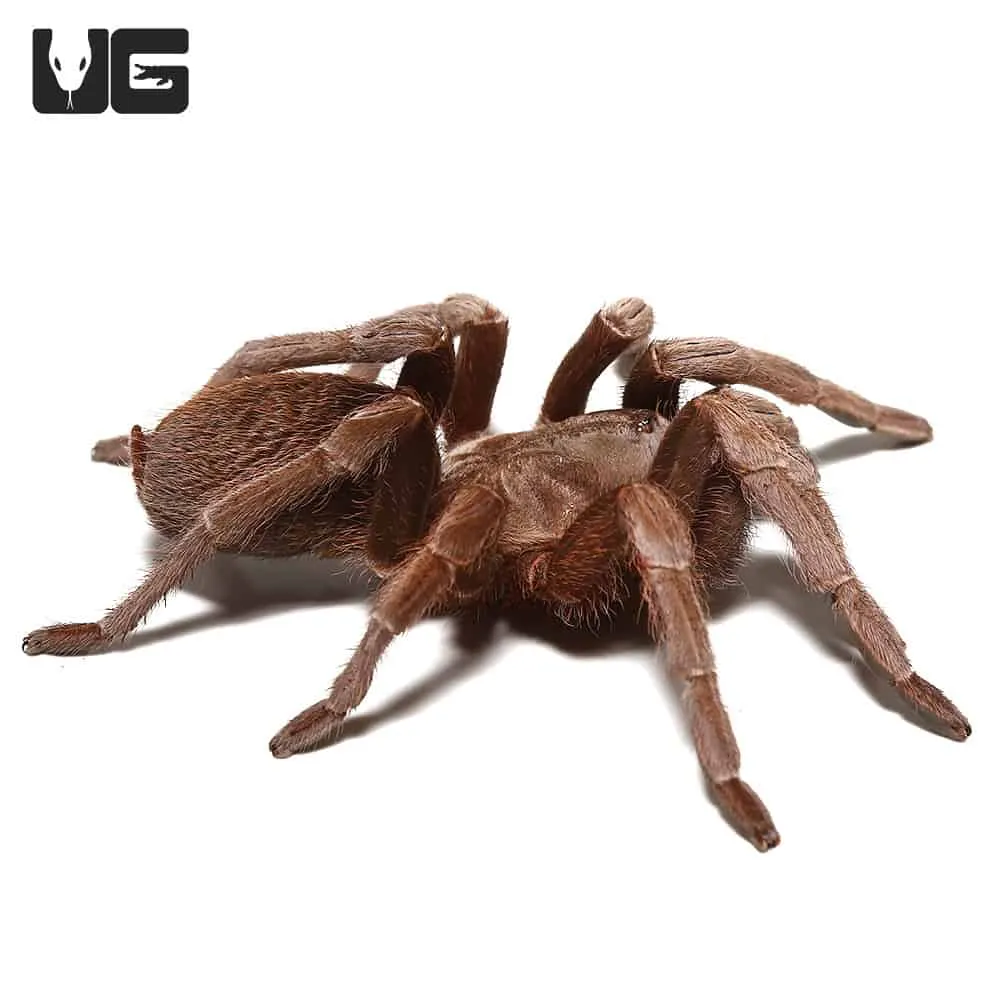
The Nicaraguan Curly Hair Tarantula is instantly recognizable due to its unique appearance. Its body is covered in a multitude of hairs, which, when viewed closely, appear to be a mix of straight and curly, hence the name. These hairs vary in color, often displaying a striking combination of dark browns and golden hues. The coloration can range from a deep, chocolate brown to a lighter, more reddish-brown, with the characteristic golden hairs providing a beautiful contrast. Their legs are robust, and their bodies are relatively compact, making them quite the sight to behold. They possess chelicerae that are used for capturing prey and injecting venom. These tarantulas are a true testament to nature’s artistry, displaying an intricate pattern of colors and textures that make them highly sought after in the exotic pet world.
Physical Description of Nicaraguan Curly Hair Tarantulas

The physical attributes of the Nicaraguan Curly Hair Tarantula are essential to understand for proper care. The overall size is typically moderate, with females generally being larger than males. Their bodies are covered in a dense coat of hairs, which gives them their characteristic appearance. The legs are sturdy and well-suited for both walking and climbing. The carapace, the top part of the cephalothorax, displays a distinct pattern and color, contributing to their overall appeal. The abdomen is usually rounded and covered in the same type of hair as the rest of the body. Overall, the appearance of these tarantulas makes them a unique and captivating pet. Regular observation and understanding of these physical characteristics will help you assess the health and well-being of your Nicaraguan Curly Hair Tarantula.
Size and Growth Rate
The size and growth rate of the Nicaraguan Curly Hair Tarantula are important aspects of their care. As mentioned earlier, females generally grow to a larger size than males. A mature female can reach a leg span of up to 6 inches, whereas males are often slightly smaller. The growth rate is relatively slow, especially compared to other tarantula species. They go through a process of molting as they grow, shedding their exoskeleton to reveal a new, larger one. This process can be stressful, but it is a necessary part of their development. Regular monitoring of their size and growth allows owners to adjust their housing and feeding accordingly. Ensuring proper nutrition and a suitable environment will promote healthy growth and allow your Nicaraguan Curly Hair Tarantula to thrive.
Habitat and Distribution
Understanding the natural habitat of the Nicaraguan Curly Hair Tarantula is crucial for replicating their needs in captivity. They are native to the tropical regions of Central America, particularly in countries such as Nicaragua and Costa Rica. Their natural habitat is typically characterized by warm temperatures and high humidity levels. They are often found in burrows under the forest floor, where they create a safe haven for themselves. These tarantulas are terrestrial, meaning they primarily live on the ground. Knowing their natural environment allows you to create the ideal conditions for your pet. This includes providing a substrate that allows for burrowing, maintaining the correct humidity, and ensuring an appropriate temperature gradient. Mimicking their natural environment will lead to a happier and healthier tarantula.
Natural Habitat of the Nicaraguan Curly Hair Tarantula

The natural habitat is an essential factor to consider when caring for your Nicaraguan Curly Hair Tarantula. In the wild, these tarantulas thrive in tropical environments. They are typically found in areas with dense vegetation, such as rainforests and humid woodlands. Their primary shelter is a burrow, usually dug in the ground, under rocks, or among the roots of trees. These burrows provide them with protection from predators and a stable microclimate. The substrate is often composed of soil, leaf litter, and other organic materials, which help maintain moisture levels. They are well-adapted to this type of environment, and replicating these conditions in captivity is crucial for their well-being. Understanding their natural habitat ensures that you can provide your pet with a safe and comfortable home.
Ideal Environmental Conditions
Creating the ideal environmental conditions is a critical aspect of owning a Nicaraguan Curly Hair Tarantula. The temperature should be maintained between 75-85°F (24-29°C) to mimic their natural tropical environment. High humidity levels are also essential, typically between 60-70%. This can be achieved by misting the enclosure regularly or providing a shallow water dish. The substrate should be a mixture of soil, peat moss, and coconut fiber to allow for burrowing and maintain humidity. Ventilation is important to prevent mold growth, but it should not be excessive, as it can lead to a drop in humidity. By carefully managing these factors, you can ensure that your tarantula has a healthy and comfortable living space. Proper environmental conditions are a cornerstone of successful tarantula care.
Temperament and Behavior
The temperament and behavior of the Nicaraguan Curly Hair Tarantula are often cited as a significant reason for their popularity among pet owners. These tarantulas are generally considered to be docile and relatively calm, making them a good choice for those new to tarantula ownership. They are not known for being particularly defensive, and their bite is considered to be mild, though it is always advisable to handle them with care. They are primarily active during the night, and they spend most of their time hiding in their burrows or under shelter. Observing their behavior, such as feeding responses and molting patterns, can be fascinating. Their gentle nature and predictable habits make them an enjoyable pet for many.
Nicaraguan Curly Hair Tarantula Temperament

The temperament of the Nicaraguan Curly Hair Tarantula is generally considered to be quite docile. They are not known for being aggressive, and they typically prefer to retreat rather than attack. This makes them a relatively safe pet to handle, as long as proper precautions are taken. However, it is important to remember that all tarantulas can bite if they feel threatened. They are not typically prone to displaying defensive behaviors, such as raising their front legs or flicking urticating hairs, which are more common in other species. This calm demeanor contributes to their appeal as pets, especially for beginners. While they are not aggressive, handling should always be done with care and respect for the animal.
Handling and Interaction
Handling and interacting with your Nicaraguan Curly Hair Tarantula should be approached with caution. While they are generally docile, it’s crucial to respect their boundaries and avoid unnecessary stress. When handling, it is recommended to do so close to the ground, in case the tarantula falls. Use gentle movements and avoid sudden gestures, which could startle the spider. Always wash your hands before and after handling, and avoid using any scented lotions or soaps, as these can irritate the tarantula. Some owners may choose to avoid handling altogether, which is perfectly acceptable, as these tarantulas can thrive without direct interaction. Observing them in their enclosure can be just as enjoyable. Always prioritize the tarantula’s well-being and safety.
Diet and Feeding Habits
Understanding the diet and feeding habits of the Nicaraguan Curly Hair Tarantula is essential for their health. They are carnivores, feeding primarily on insects in the wild. In captivity, they can be fed a variety of insects, such as crickets, mealworms, and roaches. It is important to offer a varied diet to ensure that they receive all the necessary nutrients. The frequency of feeding depends on the size and age of the tarantula. Younger tarantulas require more frequent meals, while adults can be fed less often. Overfeeding can lead to obesity, which can be detrimental to their health. Always ensure that the food offered is appropriate in size, as tarantulas cannot chew their food. Providing proper nutrition ensures the health and longevity of your pet.
Nutritional Needs of the Tarantula

Providing the correct nutritional needs for the Nicaraguan Curly Hair Tarantula is crucial for its overall health. They require a diet that is high in protein. Crickets and roaches are excellent options. It is also important to consider the nutritional content of the prey insects. It’s recommended to dust feeder insects with calcium and vitamin supplements to ensure the tarantula receives all the necessary nutrients, especially during molting. Avoid feeding them insects that have been exposed to pesticides or other harmful chemicals. A varied diet, supplemented with vitamins and minerals, will ensure the tarantula’s proper growth and development. Fresh water should always be available. Always monitor your tarantula’s body condition to ensure it is receiving adequate nutrition.
Feeding Frequency and Prey
The feeding frequency and appropriate prey for the Nicaraguan Curly Hair Tarantula depend on their size and age. Spiderlings and juveniles typically need to be fed more frequently, often two to three times a week. As they mature, the frequency can be reduced to once a week or even less. The size of the prey should be appropriate for the tarantula, ensuring it can easily consume the meal. Crickets and roaches are common choices. It is essential to remove uneaten prey within 24 hours to prevent stress and potential harm to the tarantula. Avoid feeding wild-caught insects, as they may carry parasites or diseases. Careful observation of the tarantula’s feeding behavior and body condition will help you fine-tune the feeding schedule. Always adjust feeding according to the tarantula’s appetite and stage of life.
Lifespan and Reproduction
The lifespan and reproduction of the Nicaraguan Curly Hair Tarantula are noteworthy aspects of this species. Females can live for a remarkably long time, often up to 10-15 years in captivity, sometimes even longer. Males, on the other hand, have a shorter lifespan, usually living for only a few years after reaching maturity. Reproduction in captivity is possible, but it requires careful planning and management. The process involves mating, egg sac production, and the raising of spiderlings. It is a rewarding experience, but also demands a significant level of expertise. Understanding their lifespan and reproductive cycle is essential for providing proper care, particularly if you intend to breed them. These tarantulas’ longevity, particularly the females, makes them a long-term commitment.
Lifespan of Nicaraguan Curly Hair Tarantulas

The lifespan of the Nicaraguan Curly Hair Tarantula is one of their most intriguing characteristics. Female tarantulas are known for their longevity, frequently living for over a decade in captivity. Some well-cared-for females can even live for 15 years or longer. Males, however, have a much shorter lifespan. After reaching maturity, which typically occurs within a few years, they often only live for an additional year or two. This significant difference is a key factor when considering these tarantulas as pets. The female’s long lifespan offers a long-term companionship, while the male’s shorter lifespan is an interesting biological aspect. Proper care, including a suitable environment and balanced diet, significantly contributes to the lifespan of these fascinating creatures.
Reproduction and Breeding
Reproduction and breeding of the Nicaraguan Curly Hair Tarantula require specific knowledge and careful planning. The process begins with mating, where the male transfers sperm to the female. Following successful mating, the female will produce an egg sac, which contains a large number of eggs. Incubating and raising these eggs correctly is vital to producing healthy spiderlings. This typically involves maintaining the proper temperature and humidity levels. The spiderlings must be separated into individual enclosures to prevent cannibalism. Breeding is a complex process that requires a good understanding of tarantula biology and care. It’s essential to research extensively and be prepared to provide the necessary resources for the spiderlings. Successfully breeding these tarantulas can be an incredibly rewarding experience for the dedicated hobbyist.