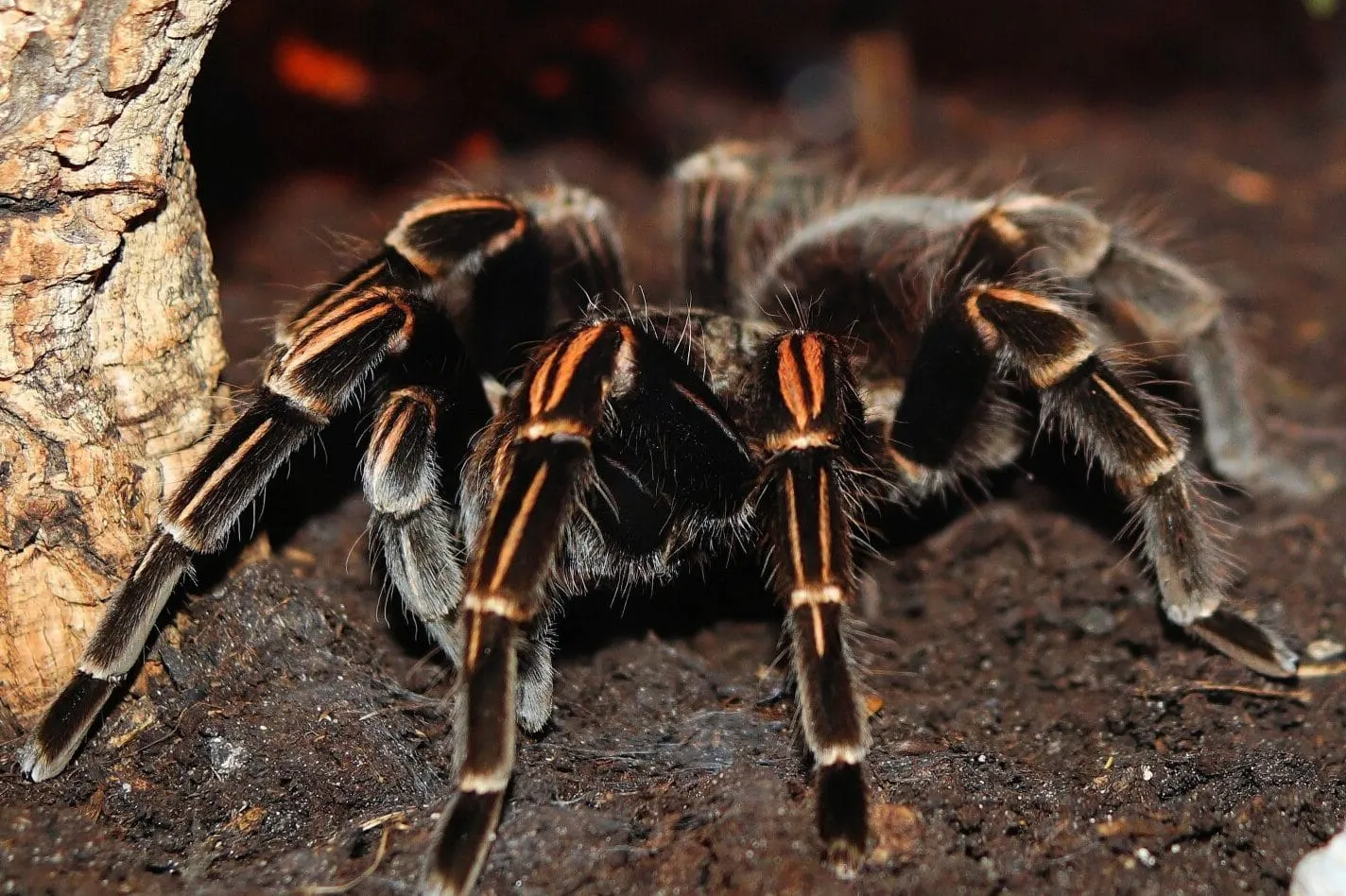
Old World vs New World Tarantulas
The world of tarantulas is vast and diverse, broadly categorized into Old World and New World species. These classifications aren’t just geographical; they represent significant differences in behavior, defense mechanisms, and even the care they require. For both novice and experienced keepers, understanding these distinctions is crucial for responsible pet ownership and appreciation of these fascinating creatures. The primary contrast stems from their evolutionary paths, influencing everything from their habitats to their interactions with potential threats. This article explores five key differences between Old World and New World tarantulas, highlighting their unique characteristics and helping you navigate the fascinating world of these eight-legged wonders. Careful consideration of these differences is paramount when choosing a tarantula, as it will shape the kind of experience you will have, influencing everything from the construction of their enclosures to their interactions with keepers and potential handling.
Origin and Habitat
The most fundamental difference between these two groups is their origin. Old World tarantulas, as their name suggests, are native to regions in Asia, Africa, and Europe. They inhabit diverse environments, including grasslands, forests, and deserts. New World tarantulas, on the other hand, originate from the Americas, ranging from North to South America. This distinction in geographic origin is the starting point for understanding the subsequent differences between the two types of tarantulas. This initial factor impacts everything from their preferred climate and environments to the defenses they have evolved to protect themselves. Understanding this basic difference enables one to have a deeper appreciation for the variations that have occurred across the families.
Geographic Distribution

The geographic distribution of Old World tarantulas is primarily in Asia, Africa, and parts of Europe. They are more likely to be found in areas with warmer climates, but they exhibit amazing adaptability to a number of environmental extremes. New World tarantulas’ native range stretches across North, Central, and South America. This vast spread results in a diverse range of species that are suited to a variety of habitats, from tropical rainforests to arid deserts. Each species has adapted to its environment in unique ways, influencing their behavior, appearance, and defenses. These adaptations are crucial for survival and are something to appreciate when encountering them or considering them as pets.
Environmental Preferences
Environmental preferences vary significantly. Old World tarantulas are often found in more open habitats, like grasslands or savannas, and can tolerate a wider range of conditions. New World tarantulas, however, often prefer environments with higher humidity and more cover, such as rainforests or wooded areas. These preferences influence their behavior and the type of enclosure they require. Mimicking these natural environments is essential for the well-being of the tarantula in captivity. The environmental settings play a significant role in their overall health, happiness, and longevity.
Defensive Mechanisms
One of the most significant differences is the defensive mechanisms employed by each group. Old World tarantulas rely primarily on their venom and a more aggressive temperament. They may bite readily if they feel threatened. New World tarantulas, however, have evolved a different defense system. The difference can be of vital importance to keepers and anyone encountering these animals. It emphasizes the different approaches to both avoiding and handling these creatures. This divergence is crucial when it comes to the relative safety of keeping or interacting with each type. The defensive tools of these tarantulas highlight the evolutionary paths each has taken.
Urticating Hairs

New World tarantulas possess urticating hairs on their abdomen. These hairs are barbed and act as a significant deterrent against predators. When threatened, the tarantula will flick these hairs into the air, causing intense irritation to the eyes, skin, and respiratory tract of potential attackers. Old World tarantulas lack these hairs, relying instead on their venom and quick bites as primary defensive mechanisms. The absence of urticating hairs in the Old World tarantulas means that they tend to depend on their venom and a more aggressive temperament.
Bite Potency
Old World tarantulas, lacking urticating hairs, often have more potent venom. While not typically lethal to humans, their bites can be significantly more painful, causing localized pain, muscle cramps, and sometimes systemic effects. New World tarantulas’ venom is generally less potent, and the primary defense is the irritation caused by the urticating hairs. Thus, while a bite from an Old World tarantula is more likely to be painful and impactful, New World tarantulas rely more on avoiding threats altogether.
Temperament and Handling
Temperament and handling are key considerations for tarantula keepers. Old World tarantulas are generally more aggressive and prone to biting. They are not typically recommended for handling, as the risk of a bite is significantly higher. New World tarantulas are often more docile and less likely to bite. However, even with New World species, handling should be kept to a minimum as it can stress the tarantula. Understanding the temperament of each type is crucial for both their care and the safety of the handler. Proper handling techniques are essential for responsible ownership.
Docility and Aggression

New World tarantulas are often described as being more docile, which means they are less likely to bite. They are more inclined to run and hide if threatened. Old World tarantulas, on the other hand, can be highly aggressive and will often display threat postures or bite if they feel provoked. This difference in docility and aggression is a crucial factor for anyone considering owning a tarantula, particularly for those new to the hobby. The behavioral differences are important to understand before making a selection.
Suitability as Pets
Because of their temperament, many New World tarantulas are considered better suited as pets. Their generally more docile nature and the presence of urticating hairs (which can deter handling) make them a more approachable option for many keepers. Old World tarantulas, with their more aggressive nature and potent venom, are often recommended for experienced keepers only. These animals require a deeper understanding of tarantula behavior and more cautious handling practices. The choice of which is suitable depends on the keeper’s experience and comfort level.
Appearance and Physical Traits
The appearance of tarantulas can vary greatly, and the distinction between Old World and New World species is no exception. This difference also influences the choice of tarantula. The variations are another aspect of the amazing variety of these species and the factors that influence their choices. Observing their appearances enables one to appreciate the great variances that have taken place between the different groupings and environments they have adapted to.
Coloration and Patterns

Both Old World and New World tarantulas exhibit a diverse range of colors and patterns, but there can be general trends. New World species often have more vibrant colors and complex patterns, such as the striking blues, oranges, and yellows seen in many species. Old World tarantulas tend to be more muted in color, with browns, blacks, and earthy tones being more common. However, exceptions exist, and the specific appearance varies greatly between species within each group. There are exceptions to every rule, and the beauty of these species can only be appreciated on an individual basis.
Size and Build
Size can vary significantly within both groups, but some general trends exist. Some of the largest tarantula species are found in the Old World, with certain species capable of reaching impressive sizes. However, many New World tarantulas are also quite large. The overall build and proportions of the tarantulas also can vary, with some species having a more robust build and others being more slender. The size and build, when compared with other characteristics, help inform the keepers of the overall needs of the tarantula and the housing accommodations it might need.
Care Requirements
Caring for Old World and New World tarantulas involves different considerations, stemming from their different natural environments and behaviors. The environmental and dietary needs are paramount. Understanding and being able to reproduce these conditions are vital. This will allow the keeper to enjoy them more fully. These factors are what influence everything from their survival to the potential of observing natural behaviors. There are significant differences, and it’s crucial to understand these to provide appropriate care.
Humidity and Temperature

Humidity and temperature requirements are crucial. New World tarantulas often need higher humidity levels, which can be achieved through regular misting of the enclosure. Maintaining the correct temperature range is also essential. Old World tarantulas, depending on the species, may prefer slightly drier conditions and a wider range of temperatures. Using a reliable hygrometer and thermometer is important for monitoring these conditions. This is crucial for the well-being of the spider, and regular checking helps ensure their good health.
Feeding Habits
Both groups are carnivores, primarily feeding on insects such as crickets, roaches, and mealworms. However, the frequency of feeding and the size of prey may vary depending on the species and age of the tarantula. It’s important to offer the appropriate size of food to prevent the spider from becoming stressed. Providing fresh water is also a key requirement, whether via a shallow dish or other means. The diet affects the overall health and growth of the tarantula.
Conclusion
Understanding the key differences between Old World and New World tarantulas is essential for both appreciating these fascinating creatures and for responsible pet ownership. From their origins and defensive mechanisms to their temperaments and care requirements, these two groups of tarantulas exhibit significant differences. Recognizing these distinctions will help you choose the right tarantula for your experience level and provide the appropriate care to ensure your tarantula thrives. Whether you’re drawn to the vibrant colors of a New World species or the more aggressive nature of an Old World tarantula, a thorough understanding of their unique characteristics is the foundation for a rewarding experience. By gaining the knowledge you need, you can successfully care for your tarantula and have a deeper appreciation for these amazing creatures. Happy tarantula keeping!