
Top 5 Pet Tarantula App Care Tips
Bringing a pet tarantula into your home can be an incredibly rewarding experience, but it comes with responsibilities. The Pet Tarantula App offers comprehensive guidance on tarantula care, making it easier than ever to provide a healthy and happy life for your eight-legged friend. To ensure your tarantula thrives, this guide highlights the top 5 essential care tips, drawing from the app’s extensive resources and expert advice. From setting up the perfect habitat to recognizing signs of illness, this information will help you become a knowledgeable and confident tarantula owner. This article will explore each tip in detail, providing practical advice and insights to help you create an optimal environment for your tarantula to flourish. Let’s dive in and discover how the Pet Tarantula App can help you succeed in the world of tarantula keeping!
Understanding Tarantula Habitats
Creating the right habitat is crucial for your tarantula’s well-being. The Pet Tarantula App emphasizes the importance of replicating the natural environment of your tarantula species. This includes providing the correct temperature, humidity, substrate, and enclosure size. A well-designed habitat reduces stress, promotes natural behaviors, and helps your tarantula stay healthy. The app offers species-specific information, guiding you through the process of setting up the perfect home for your pet. The app provides detailed guidance, ensuring you have all the knowledge needed to create a thriving environment.
Temperature and Humidity Requirements

Temperature and humidity are critical factors in tarantula care. Most species thrive in a temperature range between 75-85°F (24-29°C). Use a reliable thermometer to monitor the temperature within the enclosure, and adjust heating methods such as heat mats or ceramic heat emitters as needed. Humidity levels vary depending on the species; tropical tarantulas require higher humidity (70-80%), while desert species need drier conditions (50-60%). Use a hygrometer to measure humidity, and mist the enclosure with dechlorinated water to maintain the correct levels. The Pet Tarantula App provides specific temperature and humidity recommendations for each tarantula species.
Choosing the Right Enclosure
The size and type of enclosure are essential for your tarantula’s comfort and safety. Choose an enclosure that is appropriate for your tarantula’s size, and provides ample space for movement and burrowing. Glass or acrylic terrariums are excellent choices, as they offer good visibility and ventilation. Ensure the enclosure has a secure lid to prevent escape. The Pet Tarantula App advises on the appropriate enclosure size for each species, and offers tips on how to properly furnish the habitat with substrate, hiding places, and water dishes. Make sure the enclosure provides enough space for your pet to molt successfully, and is easy to clean and maintain.
Maintaining a Clean Environment
Regular cleaning is crucial to prevent the buildup of bacteria and maintain a healthy environment. Remove uneaten food, molts, and any other waste promptly. Spot-clean the enclosure weekly, removing any visible debris. Replace the substrate partially or completely every few months, depending on the species and the amount of waste produced. The Pet Tarantula App offers guidance on the best cleaning practices, including the use of safe and effective cleaning solutions, and avoiding harsh chemicals that could harm your tarantula. A clean habitat not only keeps your pet healthy but also prevents unwanted odors and promotes a pleasant living space.
Proper Feeding Schedule

Feeding your tarantula correctly is vital for its health and growth. The Pet Tarantula App’s feeding guide provides specific recommendations based on the tarantula’s age, species, and size. Understanding your tarantula’s feeding habits is key to providing it with the right nutrition. Overfeeding can lead to health issues, while underfeeding can stunt growth. The app provides essential advice on the types of food to offer, the frequency of feeding, and how to adjust the diet as your tarantula grows. Proper feeding not only keeps your tarantula healthy but also helps it molt successfully and thrive in its environment.
What to Feed Your Tarantula
Tarantulas are primarily insectivores, meaning they eat insects. The most common food items are crickets, mealworms, and roaches. The Pet Tarantula App suggests offering a variety of insects to provide a balanced diet. It also recommends gut-loading the insects before feeding them to your tarantula; this involves feeding the insects nutritious food before they are offered to your pet, thus enriching their nutritional value. Avoid feeding your tarantula insects caught outdoors, as they may carry parasites or pesticides. It’s important to provide a consistent food source to keep your tarantula happy and healthy.
How Often to Feed
The feeding frequency depends on the age and size of your tarantula. Spiderlings (juvenile tarantulas) should be fed more frequently, typically every 2-3 days, while adults can be fed once a week or even less often. The Pet Tarantula App provides detailed feeding schedules for each species and age group. It’s important to remove any uneaten food within 24 hours to prevent mold and mites. Observe your tarantula’s behavior; if it refuses food, it may be in premolt (preparing to molt), or it may be full. Adjust the feeding frequency as needed to ensure your tarantula maintains a healthy weight.
Water and Hydration

Providing fresh water is essential for your tarantula’s survival. The Pet Tarantula App emphasizes the importance of keeping a clean water source available at all times. Tarantulas need water to stay hydrated, and a constant supply helps them maintain their health and well-being. The app provides valuable insights on how to set up a proper water source, including the best type of water dish and how to ensure that the water remains clean and fresh. Hydration is crucial for your tarantula’s molting process and overall health.
Providing Fresh Water
Always provide a shallow water dish with fresh, clean water. The dish should be shallow enough to prevent your tarantula from drowning, especially spiderlings. Change the water daily or every other day to prevent bacterial growth. The Pet Tarantula App recommends using distilled or dechlorinated water to avoid harmful chemicals found in tap water. You can also provide water by misting the enclosure, but this should not be the sole source of hydration. Ensure that the water dish is placed in a secure location where it cannot be easily tipped over. A constant supply of clean water is vital for your tarantula’s health.
Recognizing Dehydration
Dehydration can be fatal for tarantulas. Signs of dehydration include a wrinkled abdomen, lethargy, and loss of appetite. If you suspect your tarantula is dehydrated, the Pet Tarantula App recommends increasing humidity and providing more frequent access to water. You can mist the enclosure lightly, but avoid over-misting, as this can lead to mold growth. Offering a shallow water dish is a key step in preventing dehydration. If your tarantula’s condition does not improve, it’s important to consult with a veterinarian who has experience with exotic pets. Early intervention is key to ensuring your tarantula’s recovery.
Handling and Safety Precautions

Handling your tarantula should be approached with caution. The Pet Tarantula App strongly advises against handling your tarantula unless absolutely necessary, as stress can be harmful. However, if handling is required, following the app’s safety guidelines is crucial. It’s important to understand that tarantulas can be unpredictable and may bite if they feel threatened. Proper handling techniques minimize the risk of both bites and injury to your pet. The app provides essential tips for both your safety and your tarantula’s well-being.
When to Handle
Handle your tarantula only when necessary, such as during enclosure maintenance or when relocating it. Avoid handling your tarantula unnecessarily, as this can cause stress. The Pet Tarantula App advises against handling a tarantula shortly after it has molted, or when it is in premolt, as it is more vulnerable during these times. If you must handle your tarantula, do so gently and with utmost care. Always wash your hands thoroughly before and after handling to prevent the transfer of any oils or substances.
Safe Handling Techniques
When handling, always be gentle and avoid sudden movements. The Pet Tarantula App advises allowing the tarantula to walk onto your hand rather than trying to pick it up. Support the tarantula with both hands, and keep it close to the ground to prevent injury in case it falls. Avoid touching the tarantula’s fangs or any sensitive areas. Be aware of its behavior; if it seems agitated or defensive, it’s best to gently put it back into its enclosure. Never handle a tarantula if you’re nervous or unsure, and always supervise children when they are near the enclosure or handling the pet.
Monitoring Health and Behavior
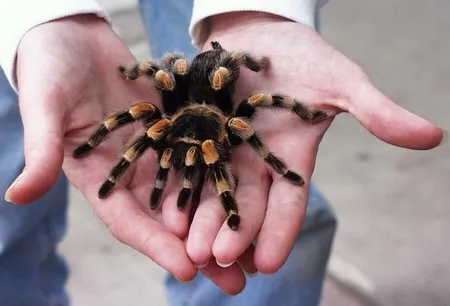
Regularly monitoring your tarantula’s health and behavior is vital for detecting potential problems early. The Pet Tarantula App offers detailed guidance on recognizing signs of illness or distress. By observing your pet’s habits, you can quickly identify any issues and seek professional help if needed. Understanding your tarantula’s normal behavior will allow you to spot any anomalies that could indicate a health problem. Early detection of any issues can make a big difference in your tarantula’s recovery and well-being.
Identifying Signs of Illness
The Pet Tarantula App lists several signs of illness to watch for, including loss of appetite, lethargy, unusual posture, and changes in behavior. Other signs include tremors, difficulty walking, and fluid buildup. If you observe any of these symptoms, it is important to consult with a veterinarian experienced in exotic animals. Keep a record of your tarantula’s behavior and any changes you notice, as this information will be helpful for your vet. Early detection of illnesses can help to prevent serious issues, so be vigilant and attentive to your tarantula’s health.
When to Seek Veterinary Care
If you notice any signs of illness, it’s essential to consult with a veterinarian who specializes in exotic pets. The Pet Tarantula App provides a list of resources for finding qualified veterinarians in your area. Do not attempt to treat your tarantula yourself, as improper treatment can be harmful. Provide your vet with as much information as possible about your tarantula’s symptoms, its enclosure, and its care routine. Early and appropriate veterinary care can make a significant difference in your tarantula’s prognosis. Preventative care, such as maintaining a clean environment and providing proper nutrition, is key to avoiding health issues.
In conclusion, the Pet Tarantula App is an invaluable resource for all tarantula keepers. By following these top 5 care tips – from understanding habitats and proper feeding to providing hydration, handling safely, and monitoring health – you can ensure a long, healthy, and fulfilling life for your tarantula. Always remember to consult the Pet Tarantula App for species-specific guidance and expert advice. With the right knowledge and care, you can enjoy the unique and fascinating world of tarantula keeping.