Understanding the Pink Toe Tarantula
The Pink Toe Tarantula (Avicularia avicularia) is a captivating and popular pet tarantula, prized for its docile temperament and striking appearance. Originating from the tropical rainforests of South America, these arboreal tarantulas are known for their vibrant coloration and unique behaviors. This comprehensive guide will provide you with the essential knowledge needed to successfully care for a Pink Toe Tarantula, ensuring its health, happiness, and longevity. From setting up the perfect habitat to understanding their dietary needs and recognizing signs of illness, this guide covers everything you need to know to become a responsible Pink Toe Tarantula owner. Get ready to embark on a rewarding journey into the world of these fascinating creatures!
Appearance and Characteristics
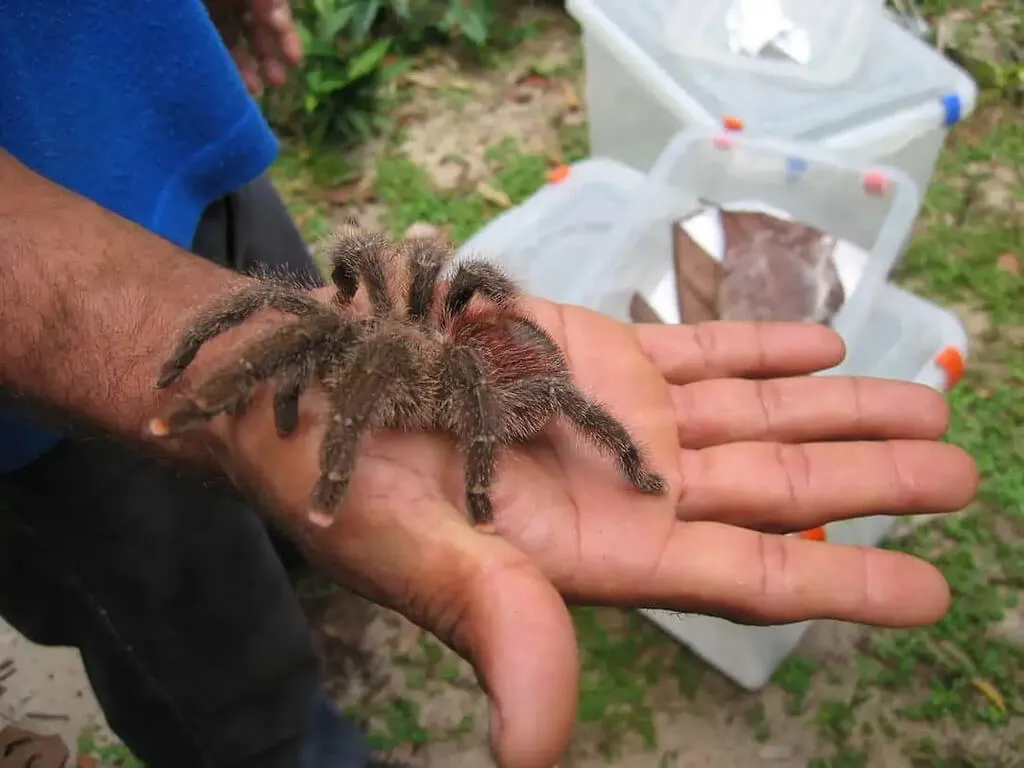
Pink Toe Tarantulas are aptly named for the pink or reddish coloration on the tips of their legs. Their bodies are typically a dark gray or black, and they possess a velvety texture. These tarantulas are relatively small, with a leg span of about 4 to 6 inches when fully grown. They are arboreal, meaning they spend most of their time in trees and prefer to climb. Their bodies are covered in urticating hairs, which they can flick off as a defense mechanism. These hairs cause skin irritation, so it’s important to handle them with care and avoid direct contact whenever possible. This species’ beauty and relatively manageable size make them an attractive choice for both novice and experienced tarantula keepers, but their specific needs demand careful attention to their well-being and proper care.
Habitat and Natural Behavior

In their natural habitat, Pink Toe Tarantulas live in trees, constructing silken nests within the foliage. They are ambush predators, waiting patiently for their prey to wander within striking distance. These tarantulas are nocturnal, meaning they are most active at night. They are generally docile but can become defensive if they feel threatened. Understanding their natural behaviors is crucial for replicating their needs in captivity, ensuring they thrive in their new home. Providing a habitat that mimics their natural environment, including appropriate climbing structures, humidity levels, and hiding places, will significantly contribute to their well-being, allowing them to exhibit their natural instincts and behaviors.
Creating the Perfect Pink Toe Tarantula Habitat
Setting up the perfect habitat for your Pink Toe Tarantula is crucial for its health and happiness. Providing the right environment will help them thrive and exhibit their natural behaviors. The ideal enclosure should replicate their natural arboreal habitat, offering climbing opportunities, proper ventilation, and the right temperature and humidity levels. This section will walk you through the essentials, from choosing the right enclosure size to selecting the appropriate substrate and décor. Proper habitat setup is a cornerstone of Pink Toe Tarantula care, creating a safe and comfortable space where your tarantula can live a long and fulfilling life. Let’s dive into the details of creating a thriving environment for your new pet.
Enclosure Size and Setup
A suitable enclosure for a Pink Toe Tarantula should be tall rather than wide, as they are arboreal. A good rule of thumb is to provide an enclosure that is at least three times the tarantula’s leg span in height. For a juvenile, a small, clear container with good ventilation is sufficient. As they grow, upgrade to a larger enclosure. Ensure the enclosure has a secure lid to prevent escape and adequate ventilation to maintain airflow and prevent mold growth. Avoid using screen tops, as tarantulas can get their claws caught. A vertical setup with branches, cork bark, or artificial plants offers ample climbing opportunities, fulfilling their natural arboreal tendencies. Providing plenty of vertical space encourages activity and allows them to build their silken nests.
Substrate and Decor
The substrate should be moisture-retentive and provide a comfortable surface for the tarantula. Suitable options include a mix of coco fiber, peat moss, and vermiculite. Avoid substrates like sand or gravel, as they can be difficult for the tarantula to navigate and may pose health risks. Add a layer of substrate that is at least two to three inches deep to help maintain humidity and provide a place for the tarantula to burrow if it chooses. Decorate the enclosure with cork bark, branches, and artificial plants to create a naturalistic environment and provide climbing opportunities. A water dish, shallow enough to prevent drowning, is essential for hydration. Ensure all décor is secure and doesn’t have any sharp edges that could injure your tarantula. Avoid using any objects treated with chemicals or pesticides.
Temperature and Humidity Requirements
Pink Toe Tarantulas thrive in a warm and humid environment. Maintain a temperature between 75-85°F (24-29°C). You can use a heat lamp or a heat mat placed on the side of the enclosure to provide gentle warmth. Regularly monitor the temperature with a thermometer. Humidity should be maintained between 70-80%. This can be achieved by misting the enclosure with a spray bottle, providing a water dish, and ensuring proper ventilation to prevent mold. Use a hygrometer to monitor humidity levels. Avoid extreme fluctuations in temperature and humidity, as this can stress your tarantula. Regular monitoring and adjustments are crucial to ensure your Pink Toe Tarantula’s comfort and well-being.
Feeding Your Pink Toe Tarantula
Proper nutrition is vital for your Pink Toe Tarantula’s health and growth. They are voracious eaters, and understanding their dietary needs is key to providing them with the best care. Feeding them the right type of food and at the correct frequency will ensure they get the necessary nutrients to thrive. This section delves into the specifics of their diet, including suitable prey items, feeding schedules, and ensuring your tarantula stays well-hydrated. By following these guidelines, you can guarantee your Pink Toe Tarantula remains healthy and active.
What to Feed and Feeding Frequency

Pink Toe Tarantulas primarily feed on insects. Suitable prey items include crickets, roaches, mealworms, and small flies. The size of the prey should be appropriate for the tarantula’s size; it should be no larger than the tarantula’s abdomen. Juvenile tarantulas should be fed two to three times a week. Adult tarantulas can be fed once a week, or even less frequently. Remove any uneaten prey within 24 hours to prevent stress and potential harm to the tarantula. Always ensure the insects are gut-loaded (fed nutritious food) before offering them to your tarantula. This enriches the nutritional value of the prey.
Watering and Hydration
Providing a clean water source is essential for your Pink Toe Tarantula’s hydration. A shallow water dish should always be available, ensuring it’s shallow enough to prevent drowning. Change the water regularly to keep it fresh and clean. You can also mist the enclosure once or twice a week, depending on the humidity levels. Watch for signs of dehydration, such as a wrinkled abdomen. If you observe such signs, increase the frequency of misting or provide additional water sources. Regularly monitoring your tarantula’s hydration is key to keeping it healthy and preventing any unnecessary discomfort.
Handling and Interaction
While Pink Toe Tarantulas are generally docile, handling them is not always recommended. They are delicate creatures, and improper handling can lead to injury or stress. If you choose to handle your tarantula, it’s crucial to do so with caution and respect. Understanding their behavior and taking necessary precautions will minimize risks and create a safer experience for both you and your tarantula. This section provides guidance on safe handling practices and insight into tarantula behavior, ensuring a positive interaction experience, if any.
Safe Handling Practices

If you choose to handle your Pink Toe Tarantula, do so with extreme care. Avoid handling them unless absolutely necessary. Handle them close to the ground or over a soft surface, in case they fall. Gently encourage the tarantula to walk onto your hand; never try to grab or force them. Wash your hands before and after handling to remove any lingering scents that might stress your tarantula. Avoid handling if the tarantula appears stressed, is about to molt, or has recently eaten. Be mindful of their urticating hairs, which can cause irritation. It’s always best to observe your tarantula in its habitat and admire its natural behavior.
Understanding Tarantula Behavior
Understanding tarantula behavior is key to providing the best care. They may exhibit various behaviors, such as hiding, webbing, and flicking their legs, which can signal different needs or emotions. Hiding is normal, especially after a disturbance or during the molting process. Webbing is a natural behavior, and they use it to create shelters and catch prey. Flicking their legs or raising their front legs can be a defensive posture. Pay attention to these signs to recognize and address any potential issues. By observing their habits, you can better understand your tarantula’s well-being, making it easier to provide the best care possible and ensuring their longevity in your care.
Common Health Issues and Prevention
Pink Toe Tarantulas, like all living creatures, can experience health issues. Knowing how to prevent and address these issues is vital to ensuring your tarantula’s longevity and well-being. This section will outline common health problems and how to identify and prevent them. Regular monitoring of your tarantula’s health, environment, and behaviors is vital for detecting early signs of issues, allowing for prompt and effective intervention, which is critical to their overall health. Regular care and a proactive approach can prevent many of these problems.
Molting and What to Expect

Molting is a natural process where tarantulas shed their exoskeleton to grow. During this time, the tarantula will typically stop eating, become less active, and may lie on its back. Provide a moist environment and avoid disturbing them. Molting can take several hours, and it’s crucial not to interfere. After molting, the tarantula’s new exoskeleton will be soft. Do not feed them for a week or two until the exoskeleton hardens. The molted exoskeleton can provide valuable information about your tarantula’s health. Watch for any signs of difficulty or stress during molting.
Recognizing and Addressing Health Problems
Keep a close eye on your tarantula for signs of health issues. These may include lethargy, loss of appetite, difficulty walking, or unusual behaviors. If you notice any of these, consult with a veterinarian specializing in exotic animals. Other issues include mites, which can be identified as small, moving specks on the tarantula or in the enclosure. Preventative measures include maintaining a clean enclosure and introducing new insects only from a reputable source. Prevent fungal infections by ensuring proper ventilation and avoiding excessive humidity. Address any problems promptly to ensure the health and well-being of your Pink Toe Tarantula. A healthy tarantula is an active and vibrant one.
Breeding Pink Toe Tarantulas
Breeding Pink Toe Tarantulas can be a rewarding but challenging endeavor. It requires a solid understanding of their reproductive behavior and a commitment to providing the specific needs of both the male and female tarantulas, as well as the spiderlings. This section offers valuable insights into the breeding process, from preparing the tarantulas to caring for the young spiderlings. The entire procedure demands patience, attention to detail, and an understanding of the tarantulas’ needs, so careful planning and research are essential. Success depends on mimicking their natural environment and understanding their complex behaviors.
The Breeding Process

Breeding Pink Toe Tarantulas starts with preparing the female by ensuring she is well-fed and healthy. Introduce the male into her enclosure carefully, monitoring their interaction closely. The male may drum on the female’s web to signal his intentions. Mating can be a complex process and can sometimes be dangerous for the male, so careful observation is crucial. If the female accepts the male, they will mate, and the male will typically leave the enclosure. The female will then lay her eggs and create an egg sac. Provide her with a secure and undisturbed environment during this time. The egg sac should be carefully monitored until the spiderlings hatch.
Caring for Spiderlings
Once the spiderlings hatch, they are very small and require specialized care. Provide them with a suitable environment, including small containers with proper ventilation and a substrate to maintain humidity. Feed them tiny, appropriately sized prey, such as fruit flies or pinhead crickets. Separate the spiderlings into individual containers as they grow to prevent cannibalism. Monitor their growth and provide them with adequate food and water. Raising spiderlings is a significant commitment, so be prepared to dedicate the time and resources required for this demanding process. Remember that each spiderling will require individual care.
Conclusion
Caring for a Pink Toe Tarantula can be an incredibly rewarding experience. With the right knowledge, dedication, and commitment, you can provide a healthy, stimulating environment for your tarantula to thrive. This guide has provided you with the essential information on habitat setup, feeding, handling, and health maintenance. Remember to research and continue to learn as much as possible about these fascinating creatures. By staying informed and providing the best care, you can enjoy the unique companionship of a Pink Toe Tarantula for many years to come. Enjoy the journey of tarantula ownership!