Understanding Pink Toe Tarantulas
The Pink Toe Tarantula, scientifically known as Avicularia avicularia, is a captivating arboreal species, gaining popularity among arachnid enthusiasts. These spiders are renowned for their striking appearance, docile temperament, and relatively manageable care requirements, making them a rewarding pet for both novice and experienced keepers. This comprehensive guide provides a detailed insight into the essential aspects of caring for Pink Toe Tarantulas, ensuring a thriving and fulfilling life for these fascinating creatures. Understanding their natural behaviors and needs is crucial for their well-being.
Origin and Habitat
Pink Toe Tarantulas originate from the tropical rainforests of South America and the Caribbean islands, thriving in warm and humid environments. Their natural habitat consists of trees, where they build silken nests in the branches and crevices. They are well-adapted to an arboreal lifestyle, spending most of their time climbing and perching. Replicating their natural environment in captivity is paramount to their health and happiness. This understanding allows us to provide the most suitable environment for the spider.
Appearance and Characteristics

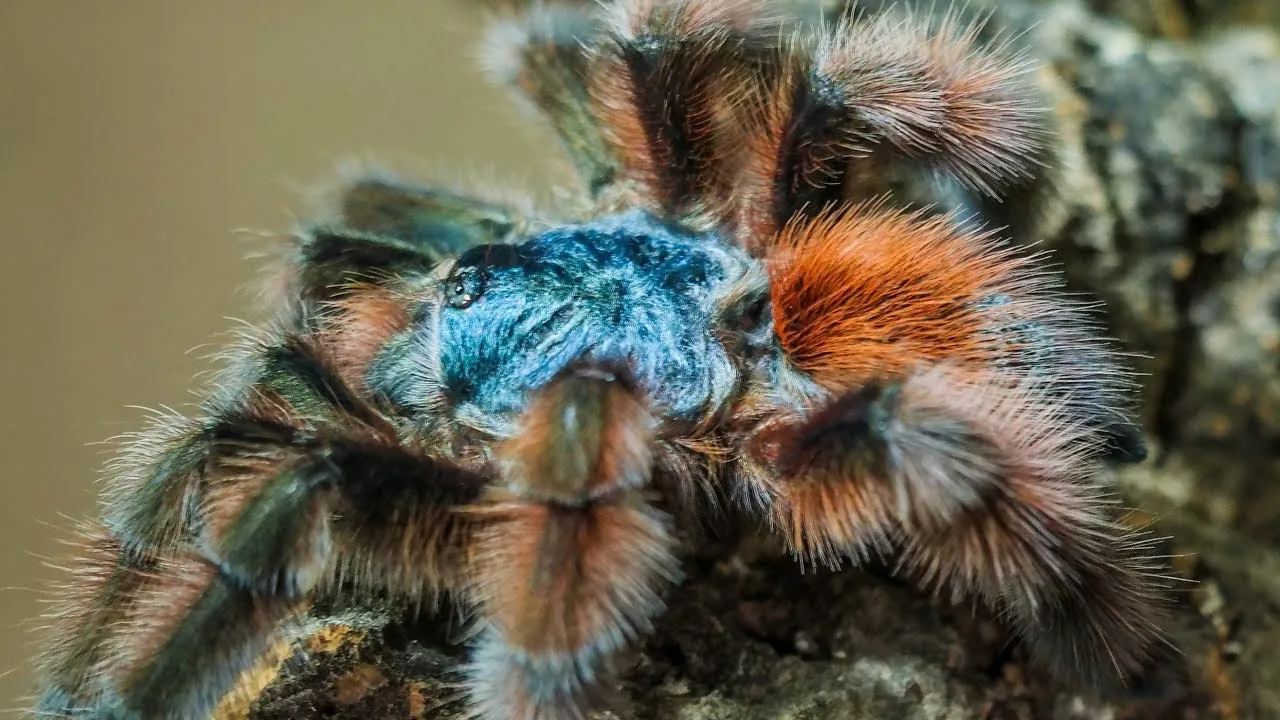
The Pink Toe Tarantula is easily recognized by its distinctive features. They are characterized by their metallic, purplish-black bodies and the namesake pink or reddish coloration on their feet. The carapace, or head, is typically a darker shade, adding to their visual appeal. These tarantulas are moderately sized, with adult females reaching a leg span of up to 5-6 inches. Their calm temperament and relatively slow movements also contribute to their appeal as pets, making them less intimidating than some other tarantula species.
Creating the Perfect Enclosure
Setting up the appropriate enclosure is a critical step in Pink Toe Tarantula care. The enclosure should mimic their natural habitat, providing both security and comfort. A well-designed habitat not only enhances the spider’s well-being but also allows for easy observation and maintenance. Proper enclosure setup reduces stress and encourages natural behaviors, contributing to a longer and healthier life for your pet. Creating a suitable environment is crucial for your tarantula’s survival and happiness.
Choosing the Right Tank Size
Selecting the correct size enclosure is essential. For adult Pink Toe Tarantulas, a terrarium that measures at least 12x12x18 inches (length x width x height) is recommended, providing enough vertical space for arboreal activities. Spiderlings can start in smaller enclosures and be upgraded as they grow. The enclosure should be well-ventilated to prevent mold and maintain air quality. Proper ventilation, combined with adequate space, contributes significantly to the spider’s health and comfort. A suitable habitat supports growth and reduces the risk of stress-related issues.
Substrate and Decor

The substrate should consist of a mix of coco fiber, peat moss, and vermiculite, which helps maintain humidity and allows for burrowing. Provide climbing opportunities with branches, cork bark, and artificial plants. These additions not only create a visually appealing environment but also give the tarantula places to hide and explore. The decor should be arranged to mimic a natural habitat, which is essential for encouraging natural behaviors and reducing stress. The correct combination of substrate and decor is critical for maintaining the appropriate humidity levels.
Temperature and Humidity
Pink Toe Tarantulas thrive in a temperature range of 75-85°F (24-29°C). Use a heat lamp or a heat pad to maintain this temperature. Humidity levels should be maintained between 70-80%. Regular misting and a shallow water dish will help to achieve the desired humidity levels. Monitoring the temperature and humidity with a reliable gauge is crucial. The correct environmental conditions are fundamental to the Pink Toe Tarantula’s health and well-being, supporting proper molting and preventing health issues.
Feeding Your Pink Toe Tarantula
Proper feeding is vital for a healthy Pink Toe Tarantula. A balanced diet ensures the spider receives all the necessary nutrients for growth, molting, and overall health. Understanding the appropriate food items, feeding frequency, and water intake are crucial aspects of responsible pet ownership, contributing to the spider’s longevity and happiness. Providing the right nutrition supports the overall development of your Pink Toe Tarantula.
What to Feed

The diet of a Pink Toe Tarantula primarily consists of insects. Crickets, roaches, mealworms, and other commercially available insects are all suitable food sources. Ensure that the insects are gut-loaded before feeding your tarantula to provide added nutritional value. Variety in the diet is essential, and it is always a good idea to offer different types of insects. Avoid feeding wild-caught insects due to the potential risk of pesticides or parasites. A varied and nutritious diet supports the spider’s overall health and growth.
Feeding Frequency
Feeding frequency depends on the tarantula’s age and size. Spiderlings should be fed two to three times a week, while adults can be fed once or twice a week. Adjust the frequency based on the spider’s abdomen size. A plump abdomen indicates a well-fed tarantula, while a thin abdomen may indicate the need for more frequent feeding. The feeding schedule should align with the spider’s growth stage. Always remove uneaten insects after a day to prevent stress and potential injury to the tarantula.
Watering and Hydration
Clean, fresh water should be available at all times. A shallow water dish should be placed in the enclosure, providing an accessible source of hydration. Regular misting of the enclosure can also help to maintain humidity and provide drinking water. Ensure that the water dish is shallow enough to prevent drowning. Monitoring the water level and cleanliness is essential. Water is critical to the tarantula’s health. Constant access to water ensures the tarantula stays hydrated and healthy.
Handling and Safety

While Pink Toe Tarantulas are generally docile, responsible handling practices are essential to ensure the safety of both the spider and the handler. Understanding the tarantula’s behavior, recognizing stress signals, and taking necessary precautions will minimize potential risks. Responsible handling is crucial for building a positive relationship with your pet. Always prioritize the well-being of the tarantula during interaction.
Handling Guidelines
Handle your Pink Toe Tarantula as little as possible. When you do need to handle it, do so gently and slowly. Avoid sudden movements or dropping the spider. Always handle over a soft surface, such as a bed or a couch, to prevent injury if it falls. Never try to grab or force the tarantula to move. Encourage it to walk onto your hand. Washing your hands before and after handling is also important, to prevent the transfer of germs and oils. Prioritizing a gentle approach builds trust and minimizes stress.
Recognizing Stress Signals
Observe your tarantula for signs of stress, such as defensive postures, fleeing behavior, or fast movements. A stressed tarantula may raise its front legs or flick hairs from its abdomen. If you notice these signs, cease handling immediately and allow the spider to retreat to its enclosure. Give the spider time to calm down, and avoid handling it until it appears relaxed. Recognizing these signs is vital for avoiding bites and minimizing stress. A stressed tarantula can behave unpredictably.
Common Health Issues and Prevention

Like all living creatures, Pink Toe Tarantulas can be susceptible to certain health issues. Proper preventative care can significantly reduce the risk of these issues and ensure a healthy life for your pet. Understanding common health concerns and practicing preventive measures will help ensure the long-term health and happiness of your Pink Toe Tarantula. Early detection and intervention are key.
Moulting Process
Moulting, or shedding, is a crucial process for tarantulas as they grow. During moulting, the tarantula sheds its exoskeleton, allowing it to grow. Before moulting, the tarantula may stop eating, become lethargic, and appear dull in color. The spider will usually flip onto its back during the moulting process. It is essential to avoid disturbing a tarantula during moulting. After moulting, the tarantula’s fangs and body parts will be soft and vulnerable. Leave the exoskeleton in the enclosure until the tarantula has hardened and is ready to move about again. Understanding the moulting process ensures that the spider can grow and thrive.
Parasites and Diseases
Pink Toe Tarantulas are generally hardy, but they can be susceptible to parasites and diseases. Mites and fungal infections are among the common threats. Regular cleaning of the enclosure and quarantine of new tarantulas are essential preventive measures. Maintaining appropriate humidity and ventilation helps prevent fungal issues. Always consult with a veterinarian or experienced tarantula keeper if you suspect a health problem. Prompt intervention and treatment are crucial to avoid complications. Proper maintenance, including a clean habitat, significantly decreases the chance of any parasitic infections.
Breeding Pink Toe Tarantulas

Breeding Pink Toe Tarantulas can be a rewarding experience for experienced keepers. However, it requires careful planning and preparation to ensure the success and well-being of both the male and female tarantulas. It’s crucial to have prior experience with tarantula care, including an understanding of mating behavior and the potential challenges involved. Successful breeding requires significant knowledge and dedication. This process includes understanding how to identify gender, the process of mating, and the handling of eggs and spiderlings.
Identifying Sex
Sexing a Pink Toe Tarantula accurately is crucial for successful breeding. The most reliable method is examining the molt. The female’s molt will show a spermatheca (a sperm storage organ) as a sac-like structure, while the male’s molt will lack this. Alternatively, the presence of tibial hooks on the male’s front legs also indicates the sex, which are used during mating. Correct sex identification is essential for matching a male and a female. Examination of the molt is the most reliable method.
Mating and Egg Laying
Mating Pink Toe Tarantulas involves introducing the male to the female’s enclosure. The female may be receptive, and if so, she will allow the male to mate. The male will deposit sperm into the female’s spermatheca. After mating, remove the male to prevent him from being eaten by the female. The female will then begin to lay eggs and enclose them in a silk egg sac. The egg sac should be carefully incubated under controlled conditions. Once the spiderlings hatch, they should be kept separate to prevent cannibalism. Breeding is a complex process with multiple stages that require diligence and care.
Conclusion
Caring for a Pink Toe Tarantula can be a fascinating and rewarding experience. By providing a suitable habitat, proper nutrition, and careful handling, you can ensure that your tarantula thrives. Always be mindful of the specific needs of these unique creatures. With the right care and dedication, you can enjoy a long and fulfilling relationship with your Pink Toe Tarantula. Continuous learning and careful observation will help you provide the best possible care, ensuring a healthy and happy life for your pet.