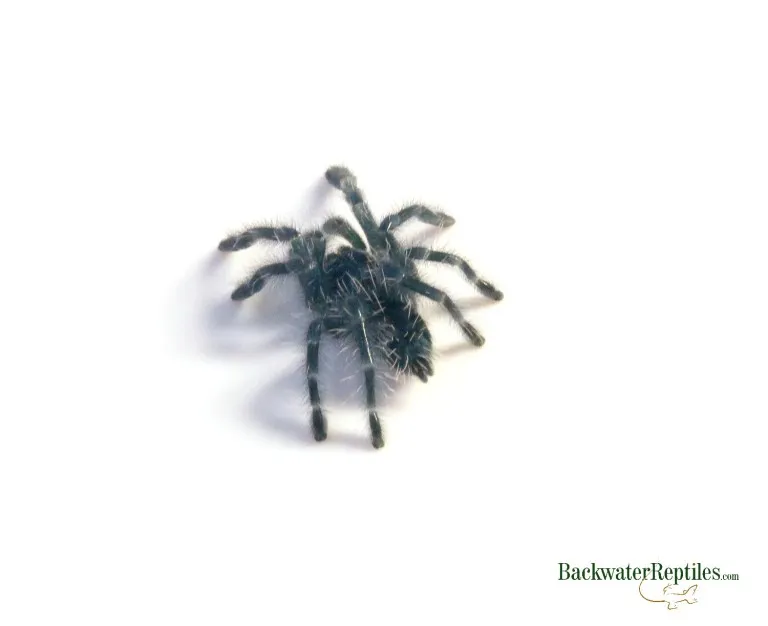
Understanding Antilles Pink Toe Tarantulas (Avicularia versicolor)
The Antilles Pink Toe Tarantula (Avicularia versicolor) is a captivating arboreal species, admired for its vibrant colors and relatively docile nature. Native to the rainforests of Martinique, these spiders are popular among tarantula enthusiasts. Their striking appearance, marked by iridescent blue, purple, and pink hues, coupled with their manageable size, makes them an attractive choice for both novice and experienced keepers. Understanding their natural habitat and behaviors is crucial to providing appropriate care, ensuring a long and healthy life for your pink toe tarantula. These spiders are known for their arboreal lifestyle, meaning they spend most of their time in trees, creating a need for a vertically oriented enclosure. They are also relatively fast and can jump, so careful handling is paramount. Before you embark on the journey of pink toe tarantula ownership, it is imperative to learn about their needs and the commitment required.
Habitat Setup for Your Pink Toe Tarantula
Creating the right habitat is the cornerstone of pink toe tarantula care. The enclosure should mimic their natural arboreal environment, providing a safe and comfortable space. The size of the enclosure, substrate type, decorations, and environmental controls all contribute to the well-being of your tarantula. This is where your tarantula will spend the majority of its life, so giving it a secure, safe and enriched habitat is vital to its health. A well-designed enclosure not only ensures the physical health of the spider, but also reduces stress, allowing your tarantula to exhibit natural behaviors and live a full life. Think of the habitat as a miniature world, and strive to make it a good one.
Enclosure Size and Type

Choosing the correct enclosure size is critical. For a juvenile pink toe tarantula, a 8x8x12 inch enclosure is suitable. As the tarantula grows, upgrade to a 12x12x18 inch or larger enclosure. The enclosure should be made of clear material, such as glass or acrylic, for easy viewing. The most important thing is it must be taller than it is wide or deep, as these are arboreal tarantulas that like to climb. The enclosure must also have a secure lid to prevent escapes, as pink toes are known to be relatively fast. Ventilation is essential, so ensure that there are air holes or a screened top. Consider the adult size of your tarantula when selecting an enclosure to prevent the need for frequent upgrades.
Substrate Selection
The substrate serves as the flooring of the enclosure, providing a surface for the tarantula to walk on, a place to burrow, and a means to maintain humidity. A good substrate for pink toe tarantulas is a mixture of coconut fiber (coco coir), peat moss, and a small amount of sphagnum moss. Coco coir holds moisture well and is a safe substrate, peat moss helps to create a more naturalistic environment, and sphagnum moss can be added to increase humidity in small localized areas. Avoid using substrates with sharp edges or that could cause injury, such as gravel. The substrate should be deep enough to allow for climbing. The depth of the substrate should be approximately 2-3 inches. Remember that the substrate should be kept slightly moist, not wet, to maintain the required humidity levels for your tarantula.
Decorating the Enclosure
Decorating the enclosure adds enrichment and provides climbing opportunities, which is essential for arboreal tarantulas. Include cork bark, branches, and artificial or live plants. These items not only add visual appeal but also create a more natural environment. The cork bark provides a place for the tarantula to hide and molt, while the branches allow it to climb and explore. Artificial plants can help to maintain humidity and provide additional hiding spots. Ensure that all decorations are securely placed to prevent them from falling and potentially injuring the tarantula. Avoid sharp objects or anything that could trap the spider. Provide water dish, it is important to be shallow enough to avoid drowning. The overall goal is to make the enclosure aesthetically pleasing, but primarily functional to enrich the environment.
Temperature and Humidity

Maintaining the correct temperature and humidity levels is crucial for the health and well-being of your pink toe tarantula. The ideal temperature range is between 75-85°F (24-29°C). You can use a heat lamp or a heat pad placed on the side of the enclosure to achieve this. Humidity should be maintained between 70-80%. You can monitor humidity with a hygrometer. To increase humidity, mist the enclosure with dechlorinated water, especially near the substrate and any live or artificial plants. Ensure that there is adequate ventilation to prevent mold growth, which can be harmful to the tarantula. Avoid placing the enclosure in direct sunlight or near drafts.
Feeding Your Pink Toe Tarantula
Feeding your pink toe tarantula correctly is essential for its growth and health. They are opportunistic predators and will readily accept a variety of insects. The diet and feeding frequency should be adjusted based on the tarantula’s age and size. Providing a well-balanced diet will help your tarantula thrive and exhibit its best colors and behaviors. Observing feeding habits is also a good indicator of overall health and well-being.
What to Feed Your Tarantula
Pink toe tarantulas primarily feed on insects. Suitable food items include crickets, roaches (such as dubia roaches), mealworms, and waxworms. Crickets and roaches are a good staple diet, as they are high in protein and nutrients. Mealworms can be given occasionally, but they are higher in fat. Waxworms should be offered sparingly, as they are very high in fat. Always ensure that the insects are gut-loaded before feeding them to your tarantula. Gut-loading involves feeding the insects a nutritious diet (such as vegetables and commercial insect food) before offering them to your tarantula, which enhances the nutritional value of the meal.
Feeding Frequency and Amount

The feeding frequency depends on the tarantula’s age. Spiderlings (juvenile tarantulas) should be fed 2-3 times per week. Sub-adults can be fed 1-2 times per week, and adults can be fed once a week or every other week. Observe your tarantula’s abdomen. If it is plump and rounded, it is well-fed. Adjust the feeding schedule accordingly. The size of the prey should be appropriate for the size of the tarantula. As a general rule, the prey should be no larger than the tarantula’s body. Remove any uneaten prey within 24 hours to prevent stress and potential harm to the tarantula.
Watering and Hydration
Providing fresh water is essential for your pink toe tarantula’s hydration. A shallow water dish, filled with dechlorinated water, should always be available. The dish should be small enough to prevent the tarantula from accidentally drowning. Regularly check the water dish and refill it as needed. In addition to the water dish, misting the enclosure 2-3 times a week is also recommended to maintain humidity and provide an alternative source of water. Always use dechlorinated water, as chlorine can be harmful to tarantulas. During molting, proper hydration is particularly important to help the tarantula shed its exoskeleton.
Handling Your Pink Toe Tarantula Safely
Handling pink toe tarantulas, while not always necessary, can be done, but it must be approached with caution. These tarantulas are known for their speed and ability to jump, which can make handling risky. It is crucial to prioritize the safety of both the tarantula and yourself. Always handle your tarantula over a soft surface, such as a bed or a carpet, in case it falls. Even though they are not venomous, it’s very easy for the tarantula to sustain injury. Proper handling techniques and awareness of the tarantula’s behavior are critical to a safe experience.
When to Avoid Handling

There are several situations where you should avoid handling your pink toe tarantula. During molting, handling can be extremely stressful and potentially fatal. After molting, wait a week or two before handling, allowing the tarantula’s new exoskeleton to fully harden. Avoid handling if the tarantula appears stressed, agitated, or defensive. Signs of stress can include raising its front legs in a defensive posture or flicking hairs. Also, avoid handling if the tarantula is about to molt. Finally, do not handle if you are sick or if you have recently applied any lotions or hand sanitizers, as these can be harmful to the spider.
Signs of a Healthy Tarantula
Recognizing the signs of a healthy pink toe tarantula is crucial for responsible pet ownership. A healthy tarantula will exhibit specific behaviors and physical characteristics that indicate its well-being. Being able to identify these signs will enable you to provide optimal care and quickly address any potential health issues. Regular observation is key to ensuring the long-term health and happiness of your pet tarantula. It is important to recognize and understand the various signs of good health.
Common Health Issues and Solutions
While pink toe tarantulas are generally hardy, they can be susceptible to certain health issues. One common problem is dehydration, which can be caused by low humidity or lack of access to water. Ensure proper humidity and provide a water dish. Another issue is mites, which can infest the tarantula and cause irritation. Quarantine any new tarantulas to prevent the spread of mites and inspect your tarantula and its enclosure regularly. Respiratory infections can occur if the humidity is too high or if the enclosure is not properly ventilated. A more serious problem is a fungal infection, which can develop if the enclosure is too humid. Consult a veterinarian or experienced tarantula keeper if you suspect a health issue.
Molting Process Explained

Molting is a natural process where the tarantula sheds its exoskeleton to allow for growth. Before molting, the tarantula will typically become less active, refuse food, and may hide in its burrow. During the molting process, it will lie on its back and slowly shed its old exoskeleton. Do not disturb the tarantula during this process. After molting, the tarantula’s new exoskeleton will be soft, and it may take a week or two for it to harden. Do not feed your tarantula until its fangs have fully hardened. Molting is a sign that the tarantula is growing and thriving, so it is crucial to support the process and allow your pet to molt peacefully.
Breeding Pink Toe Tarantulas (Advanced)
Breeding pink toe tarantulas is a complex process that should only be undertaken by experienced tarantula keepers. It requires a thorough understanding of the species’ behavior, mating rituals, and environmental requirements. Successful breeding involves proper preparation, the ability to identify the sex of the tarantulas, and meticulous care of the female and her eggs. If you are new to keeping tarantulas, it is best to gain experience with the species before attempting to breed them. Before you attempt to breed, do extensive research and seek guidance from experienced breeders.
Identifying Sex
Sexing pink toe tarantulas is essential for breeding. The most reliable method is to examine the molt, or shed skin, of the tarantula. The presence of spermathecae (receptacles for storing sperm) on the underside of the molt indicates a female. Males have a small, elongated structure called palpal bulbs at the tips of their pedipalps (small appendages near the mouth). While these can be hard to see on juveniles, they become quite noticeable as males mature. Sexing tarantulas can be a tricky and requires practice. So, ask more experienced keepers for assistance.
Mating and Egg Sac Care

Mating pink toe tarantulas requires careful preparation. The female should be well-fed, and the male should be introduced to her enclosure when she is receptive. The mating process can be risky, as the female may attack the male. The male will use his palpal bulbs to deposit sperm into the female’s spermathecae. After mating, remove the male. The female will then produce an egg sac, which she will guard and care for. The egg sac should be kept in a stable environment. If you are successful in breeding your tarantulas, you should be prepared to provide specialized care for the spiderlings and the female tarantula.
Conclusion
Caring for a pink toe tarantula can be a rewarding experience for any pet enthusiast. By providing the correct habitat, proper feeding, and safe handling, you can ensure the health and happiness of your tarantula. Always continue to learn and research, staying up-to-date on the best practices for tarantula care. With proper care and attention, your pink toe tarantula can thrive, providing you with years of enjoyment and fascination. Remember, responsible pet ownership is key to the well-being of these amazing creatures. By understanding their needs and respecting their natural behaviors, you can create a thriving environment for your pink toe tarantula.