How Much Does a Pink Toe Tarantula Cost
The allure of owning a Pink Toe Tarantula, with its delicate beauty and intriguing demeanor, often begins with the question of cost. Understanding the financial commitment required is a crucial first step for any prospective owner. The price of a Pink Toe Tarantula (Avicularia avicularia) can fluctuate based on several factors, but generally, you can expect to pay anywhere from $20 to $100 or more. This range primarily depends on the size, age, and the source from which you purchase the tarantula. Spiderlings, which are younger and smaller, are typically found at the lower end of the price spectrum, while mature adults, especially females (known for their longevity), may command a higher price. Furthermore, the reputation and expertise of the breeder or pet store can also influence the cost, with reputable sources often charging a premium for their quality and health guarantees.
Factors Influencing Pink Toe Tarantula Price
Several factors contribute to the varying prices of Pink Toe Tarantulas. One of the most significant is the tarantula’s age and size. Spiderlings, being smaller and requiring less care initially, are usually less expensive. As the tarantula matures, its value often increases, particularly for females, which can live for over a decade. The seller’s reputation and expertise are also important. Breeders and pet stores that prioritize the health and well-being of their tarantulas, offering guarantees or health checks, may charge more. Moreover, the tarantula’s color and pattern can sometimes influence the price, with individuals exhibiting particularly vibrant or unique traits potentially costing more. Finally, the availability of Pink Toe Tarantulas in your region can impact the price. In areas where they are less common, prices may be higher due to increased demand and limited supply.
The Pink Toe Tarantula Species

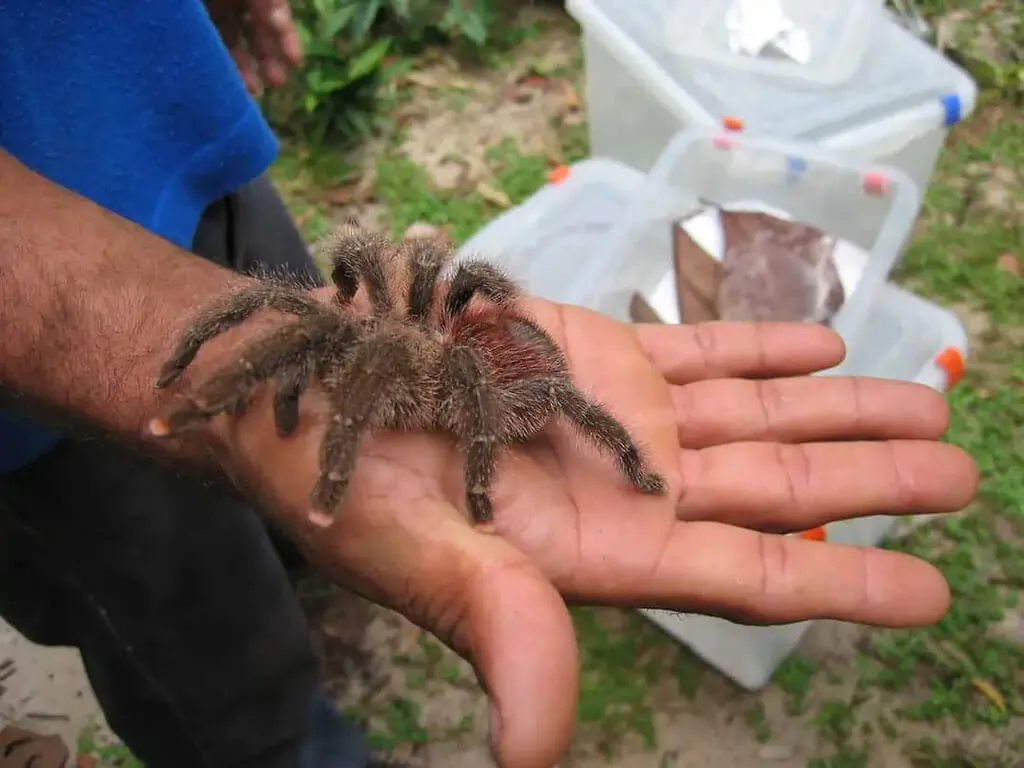
The Pink Toe Tarantula, scientifically known as Avicularia avicularia, is a captivating species admired for its arboreal lifestyle and striking appearance. Native to the rainforests of South America and the Caribbean, these tarantulas are characterized by their iridescent, metallic sheen and distinct pink toe pads, hence their name. They typically reach a leg span of 4 to 5 inches, with females generally being larger than males. Known for their docile temperament, Pink Toe Tarantulas are generally considered suitable for beginner tarantula keepers, although all tarantulas should be handled with caution. These spiders are typically found in a variety of colors including purple, brown, green, and other variations. Their unique appearance and relatively easy care requirements make them a popular choice among exotic pet enthusiasts.
Where to Buy Pink Toe Tarantulas
Finding a Pink Toe Tarantula requires careful research to ensure you are acquiring a healthy specimen from a reputable source. Local pet stores specializing in exotic animals often carry tarantulas. However, selection may vary, and it’s essential to assess the store’s cleanliness and the condition of the tarantulas on display. Online breeders and sellers provide a broader selection and often offer more detailed information about their tarantulas’ origins and health. When purchasing online, always check reviews and ensure the seller offers a live arrival guarantee. Reptile shows and expos are another great option, allowing you to meet breeders and see the tarantulas in person. This can be an excellent opportunity to ask questions and assess the tarantula’s health. Regardless of where you choose to buy, always prioritize the tarantula’s health and the seller’s credibility to ensure a positive experience.
Cost of Supplies for Pink Toe Tarantulas
Beyond the initial cost of the tarantula itself, you’ll need to budget for essential supplies. A suitable enclosure is paramount, with a glass terrarium being a popular choice. The size of the enclosure will depend on the size of your tarantula, but a 10-gallon tank is often sufficient for adults. Substrate, such as coco fiber or peat moss, provides a comfortable environment and helps maintain humidity levels. Decorations like cork bark, artificial plants, and branches provide hiding places and climbing structures. You will also need a water dish and a heat source, such as a low-wattage heat lamp or a heat mat, to maintain optimal temperatures. Other essential supplies include a spray bottle for misting, a feeding dish, and tongs for handling food. The initial cost of these supplies can range from $50 to $150 or more, depending on the size of the enclosure and the quality of the items purchased.
Ongoing Costs of Pink Toe Tarantula Care

Owning a Pink Toe Tarantula involves recurring expenses beyond the initial setup. Food is a significant ongoing cost, with crickets, mealworms, and roaches being common food sources. The cost of live insects will depend on your location and the quantity purchased. You should also budget for substrate replacement, which needs to be changed periodically to maintain cleanliness and hygiene. Regular cleaning of the enclosure and occasional replacement of decorations contribute to the ongoing costs. Furthermore, you may need to invest in specialized items like supplements if you choose to provide them. Unexpected veterinary care could be necessary if your tarantula becomes sick or injured, adding to the potential costs. These ongoing expenses are essential to providing a comfortable and healthy environment for your Pink Toe Tarantula, so it’s important to factor them into your overall budget.
Ensuring a Healthy Pink Toe Tarantula
Providing the right care is crucial to ensure your Pink Toe Tarantula thrives. Maintaining the appropriate temperature and humidity levels is paramount, as these spiders are sensitive to environmental changes. Regularly mist the enclosure to maintain humidity, but avoid over-saturation. Provide a varied diet of appropriately sized insects, ensuring they are gut-loaded with nutritious food before feeding. Clean the enclosure regularly, removing uneaten food and waste. Always handle your tarantula with care, as they can be fragile. Be observant of any changes in behavior, such as loss of appetite or lethargy, as these could be signs of illness. If you notice any concerning symptoms, consult an experienced tarantula keeper or a veterinarian familiar with exotic animals. By following these care guidelines, you can increase the chances of your Pink Toe Tarantula living a long and healthy life.
Comparing Pink Toe Tarantula Costs
When comparing the cost of a Pink Toe Tarantula to other exotic pets, it’s important to consider several factors. While the initial cost of a Pink Toe Tarantula may be relatively low compared to other pets, the ongoing costs of care are essential to evaluate. Consider the cost of food, which is typically less expensive for tarantulas than for mammals or birds. The cost of housing may also be relatively low. On the other hand, veterinary care for tarantulas can be more complex and potentially more expensive than for common pets. Consider the time commitment required. Pink Toe Tarantulas require less daily interaction than some other pets, but they still need regular care. Assess your lifestyle and financial resources. Ensure you are prepared for the long-term commitment of caring for a Pink Toe Tarantula and can provide a suitable and healthy environment. Ultimately, comparing the cost of a Pink Toe Tarantula to other pets involves balancing initial costs, ongoing expenses, and the level of care required.