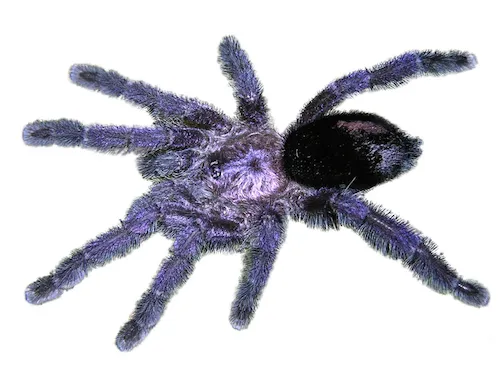
Where to Find a Pink Toe Tarantula for Sale
Finding a Pink Toe Tarantula for sale is an exciting step for any prospective pet owner. These beautiful creatures, known for their vibrant pink toe pads and arboreal lifestyle, are relatively popular in the pet trade. However, finding a healthy tarantula from a reputable source is crucial. This guide will help you navigate the process of locating a Pink Toe Tarantula for sale, ensuring you bring home a happy and healthy spider. Several avenues exist for acquiring your new pet, each with its own pros and cons, from online retailers to local breeders and pet shops, understanding the options will help you make an informed decision and welcome your Pink Toe Tarantula safely.
Online Tarantula Retailers
Online retailers offer a vast selection and convenience. Websites specializing in invertebrates often have a wide variety of tarantulas, including Pink Toes, and frequently provide detailed information on their care. The convenience of browsing from home and the potential for free shipping are significant advantages. However, always research the retailer thoroughly. Check for customer reviews, shipping policies, and guarantees regarding the tarantula’s health. Reputable online sellers will typically provide clear photos, detailed descriptions of the tarantula’s size and temperament, and offer support to new owners.
Reputable Breeders

Breeders often provide the healthiest tarantulas. They specialize in the care and breeding of tarantulas, ensuring the spiders are well-cared for from birth. Breeders can often provide more detailed information about the tarantula’s lineage, age, and health. They usually have extensive knowledge of tarantula care and can offer expert advice to new owners. Finding a local breeder may require some research, but the potential benefits, such as a healthy tarantula and ongoing support, make it a worthwhile endeavor. Ask for references or testimonials to verify their reputation and experience before buying your Pink Toe Tarantula.
Local Pet Shops
Local pet shops can be a convenient option, as you can see the tarantula in person before purchasing. However, the selection may be limited, and the staff may not always have specialized knowledge of tarantula care. If you choose to purchase from a pet shop, carefully observe the tarantula’s enclosure and overall health. Look for signs of a healthy spider, such as a plump abdomen and active behavior. Inquire about the tarantula’s feeding schedule and the shop’s policies regarding returns or guarantees. Ensure the shop prioritizes the health and well-being of their animals. Also verify the shop’s reputation through online reviews and feedback.
Evaluating Seller Reputation
Regardless of where you buy your Pink Toe Tarantula, evaluating the seller’s reputation is essential. A reputable seller will prioritize the health and well-being of their tarantulas and be transparent about their practices. Look for sellers with a good track record, positive reviews, and a willingness to answer your questions. They should be knowledgeable about tarantula care and provide support after the sale. Avoid sellers who seem evasive or unwilling to provide information about the tarantula’s origin or health. Always be cautious and prioritize the health and welfare of the animal.
Check Reviews and Testimonials

Before committing to a purchase, always check online reviews and testimonials for any seller. Look for feedback from other customers regarding their experiences with the seller, including the health of the tarantula, the quality of the packaging, and the seller’s customer service. Sites like Google Reviews, Facebook, and specialized reptile forums are excellent resources for finding honest feedback. Be wary of sellers with numerous negative reviews or a history of complaints. Positive reviews and testimonials will help you to choose a reliable and trustworthy seller for your Pink Toe Tarantula.
Ask About Tarantula Health
Always inquire about the tarantula’s health before making a purchase. A reputable seller will be transparent about the spider’s condition. Ask about its feeding habits, molting history, and any potential health issues. If possible, request pictures or videos to assess the tarantula’s appearance and activity level. A healthy Pink Toe Tarantula should have a plump abdomen (not too skinny or overly large), exhibit active behavior, and have no visible signs of parasites or injuries. Any hesitations or evasiveness on the seller’s part should raise a red flag.
The Importance of Free Shipping
Free shipping can be a significant factor when purchasing a Pink Toe Tarantula, especially from online retailers. Shipping live animals can be expensive, and free shipping can make the overall cost more reasonable. However, be sure to understand the shipping policies and how the seller ensures the tarantula’s safe arrival. Look for sellers who use insulated packaging, heat or cold packs (depending on the weather), and overnight shipping to minimize stress on the spider. Carefully consider shipping costs and the seller’s shipping practices when making your decision, since the well-being of the tarantula is the top priority.
Shipping Costs and Considerations

Shipping costs can vary based on the seller, the distance, and the shipping method. While free shipping is attractive, consider whether the seller offers it and how it affects the packaging quality and shipping time. Overnight shipping is usually recommended for live animals to minimize the time in transit and reduce stress. Some sellers may offer a flat rate or tiered shipping costs based on the order’s value or the destination. Always factor in these costs and weigh them against the seller’s reputation and shipping practices to ensure your Pink Toe Tarantula arrives safely and in good health. If the shipping cost seems too low, inquire about the shipping methods.
Understanding Shipping Policies
Thoroughly review the seller’s shipping policies before completing your purchase. Look for information on what happens if the tarantula arrives DOA (dead on arrival). A reputable seller will typically offer a guarantee in such cases. Inquire about their procedures for handling shipping delays or extreme weather conditions. Understand whether the seller requires the recipient to be present at the time of delivery. Pay attention to any limitations or exclusions in their policy. Knowing the seller’s shipping policies will protect both you and the tarantula. It will also clarify your options if something goes wrong during the shipping process. Always choose a seller with clear and reasonable shipping policies.
Safe Packaging for Tarantulas
Safe packaging is paramount when shipping a Pink Toe Tarantula. The seller should use an insulated container to regulate the temperature. It should also include appropriate ventilation to allow for air circulation. The tarantula should be securely housed in a small, escape-proof container, like a deli cup with substrate and a small water source, to keep it comfortable. Heat or cold packs should be included, as necessary, depending on the weather conditions. The packaging should be clearly labeled with “Live Animal” and any special handling instructions. Ask the seller about their packaging process before purchasing, and ensure that they prioritize the tarantula’s safety during transit. The packaging, as shown in the image below, must be secure to prevent damage.
Acclimation Process After Arrival

Once your Pink Toe Tarantula arrives, it’s crucial to acclimate it properly to its new environment. This process helps the spider adjust to its new home and minimizes stress. Acclimation involves quarantining the tarantula, setting up its habitat, and observing its behavior before interacting with it. This process is extremely important for the health of the tarantula. It helps reduce any stress from shipping, and ensures a smooth transition into its new home.
Quarantine and Observation
Upon arrival, quarantine your Pink Toe Tarantula in its shipping container or a temporary enclosure. Place it in a quiet area away from other pets and distractions. Observe the tarantula for any signs of illness or injury. Check its activity level, eating habits, and overall appearance. This quarantine period can last for a week or two, giving you time to ensure the tarantula is healthy before introducing it to its permanent enclosure. If you notice any issues, contact the seller or a veterinarian specializing in exotic animals for guidance. The quarantine and observation phase is critical to ensuring the health and well-being of your new pet.
Setting Up Your Tarantula’s Habitat
Setting up the proper habitat is essential for the health and happiness of your Pink Toe Tarantula. Choose an enclosure that is appropriate for its size, with enough space for movement. Arboreal tarantulas like Pink Toes need a tall enclosure. They enjoy climbing. Provide a substrate suitable for burrowing and maintaining humidity, such as coconut fiber or sphagnum moss. Include hiding places, like cork bark or artificial plants. Ensure proper ventilation to prevent mold growth. The habitat should mimic the tarantula’s natural environment. This will help your spider feel safe and secure. Always clean the enclosure regularly to maintain a healthy environment.
Temperature and Humidity Requirements

Pink Toe Tarantulas thrive in a specific temperature and humidity range. Maintain a temperature between 75-80°F (24-27°C) and a humidity level of 70-80%. Use a thermometer and hygrometer to monitor these conditions. Use a heat source, like a low-wattage heat lamp or heat mat, if necessary, to maintain the correct temperature. Mist the enclosure regularly to maintain the proper humidity. However, avoid over-misting. This could lead to mold growth. Proper temperature and humidity are crucial for the tarantula’s health, molting, and overall well-being. Regular monitoring is key to maintaining the optimal environment.
Substrate and Enclosure Setup
The substrate and enclosure setup are vital components of a healthy Pink Toe Tarantula habitat. Choose a substrate like coconut fiber, which retains moisture well and allows for burrowing. Provide a substrate depth of 2-3 inches to allow for burrowing if your Pink Toe desires. Include climbing structures, such as cork bark, branches, or artificial plants, as Pink Toes are arboreal. Provide a shallow water dish with fresh water. Make sure the enclosure has adequate ventilation to prevent mold growth. The layout should replicate the tarantula’s natural habitat and offer places for it to hide and feel secure. A well-designed enclosure will contribute to the tarantula’s well-being and make it a more rewarding pet.
Feeding and Care of Your Pink Toe Tarantula
Once your Pink Toe Tarantula has settled in and you’ve ensured a healthy environment, you can begin the feeding and care routine. This includes providing appropriate food, water, and handling the tarantula. Pink Toes, like other tarantulas, have specific dietary requirements and are sensitive to their environment. Always provide a well-rounded diet and maintain a clean and suitable habitat to keep your Pink Toe Tarantula happy.
Choosing the Right Food

Pink Toe Tarantulas are insectivores, meaning they primarily eat insects. Offer a varied diet of appropriately sized insects, such as crickets, roaches, and mealworms. The insects should be smaller than the tarantula’s body. Avoid feeding insects that are too large, as this can stress the tarantula. Always gut-load the insects (feeding them nutritious foods before feeding them to your tarantula) to provide optimal nutrition. Remove any uneaten insects within 24 hours to prevent them from bothering the tarantula or causing harm. A balanced diet is essential for your tarantula’s growth and health.
Water and Hydration
Providing a constant source of fresh water is crucial for your Pink Toe Tarantula’s hydration. Use a shallow water dish filled with clean water, or provide a water source using a cotton ball. The water dish should be small enough to prevent the tarantula from drowning. Check the water dish daily and refill it as needed. In addition to the water dish, mist the enclosure lightly once or twice a week to maintain humidity levels. This ensures your tarantula stays hydrated, which is critical for its health, molting process, and overall well-being.
Handling and Interaction
Pink Toe Tarantulas are not typically recommended for frequent handling. While they are generally docile, they can be skittish and prone to defensive behavior if startled. If you choose to handle your tarantula, do so with extreme care, close to the ground, and in a safe environment. Avoid quick movements and ensure the tarantula is calm before attempting to handle it. Always wash your hands before and after handling, and never force the tarantula to interact. Handling can be stressful for the spider, so limit it and prioritize the tarantula’s safety and well-being. Enjoy watching your Pink Toe Tarantula from its enclosure.