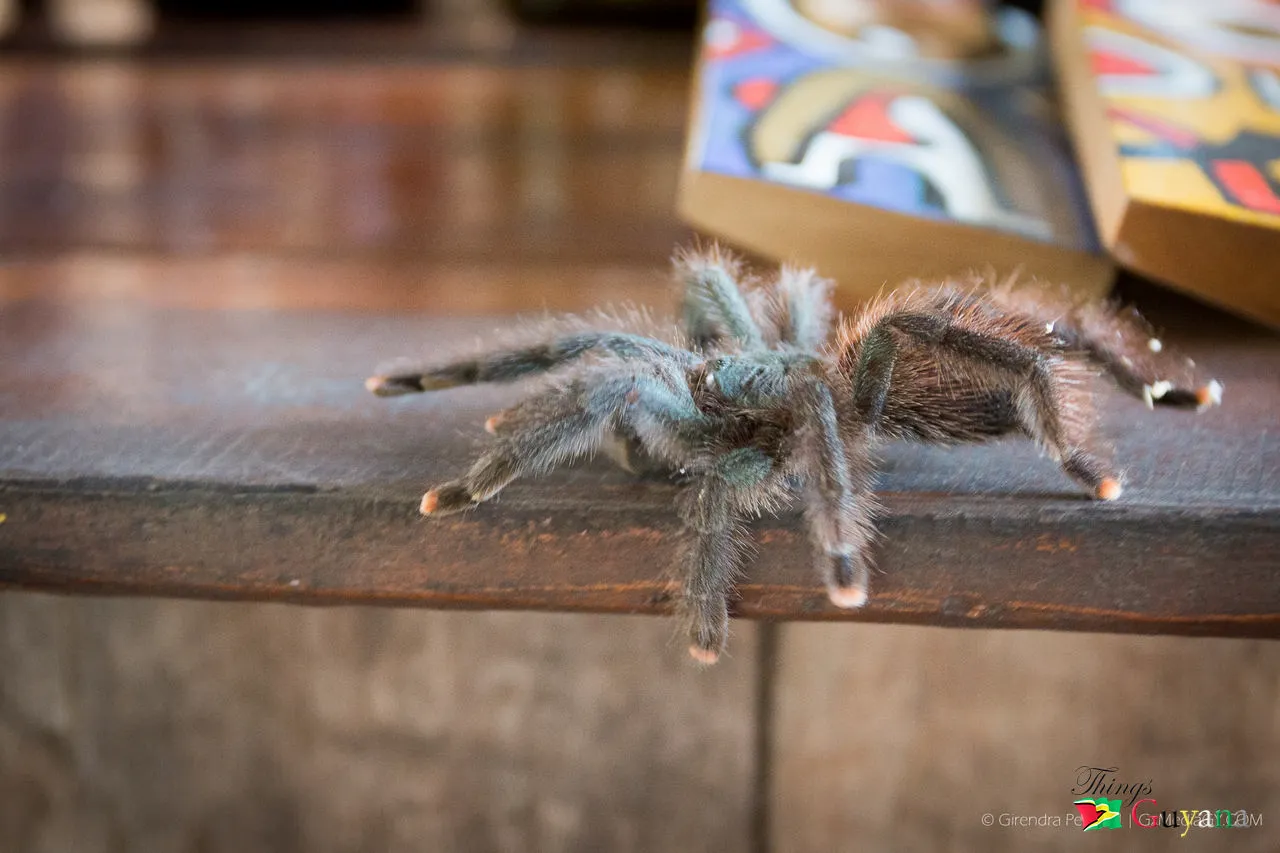
What is a Pink Toe Tarantula?
The Pink Toe Tarantula, scientifically known as Avicularia avicularia, is a captivating species of tarantula that has gained popularity among arachnid enthusiasts. Native to the rainforests of South America, including Guyana, these spiders are known for their striking appearance and relatively docile temperament, making them a fascinating subject of study and a popular choice for pet owners. Their name is derived from the distinctive pinkish hue on the tips of their feet, which contrasts beautifully with their dark bodies. These arboreal creatures spend most of their lives in trees, where they build silken retreats and hunt for their prey.
Origin of the Pink Toe Tarantula
The Pink Toe Tarantula originates from the tropical rainforests of South America. Their presence can be found across several countries, including Guyana, Brazil, Suriname, and French Guiana. These regions provide the warm, humid climate and abundant insect life that are crucial for their survival. They have evolved over millions of years, adapting to a life primarily in the trees. Their arboreal lifestyle has shaped their physical characteristics, such as their ability to climb and their preference for building webs in high places, which is why Guyana’s Pink Toe Tarantulas are uniquely adapted to their environment.
Habitat and Distribution

The Pink Toe Tarantula’s habitat is primarily in the rainforests of South America. The dense foliage and high humidity levels provide the perfect environment for these spiders to thrive. They prefer to live in trees, where they can build their webs and find shelter from predators. The distribution of Pink Toe Tarantulas is quite widespread throughout the Amazon basin, but their specific presence in different areas is subject to environmental changes and deforestation. Understanding their habitat needs is key to their conservation.
Where Pink Toe Tarantulas Live in Guyana
In Guyana, Pink Toe Tarantulas are primarily found in the rainforest regions. These areas, with their lush vegetation and high humidity, provide the ideal conditions for these spiders. They can be found in the canopy of trees, often building their webs amongst the leaves and branches. The Rupununi region, with its diverse ecosystem, is known to be a particularly good place to find them. The specific locations within Guyana where they reside are usually characterized by a lack of human intervention and a rich supply of insects, their primary food source.
Appearance and Characteristics
Pink Toe Tarantulas are visually striking creatures. Their bodies are predominantly dark, ranging from black to dark grey, but their most defining feature is the pink coloration on the tips of their feet. This contrast makes them easily recognizable and gives them their common name. They possess eight eyes, arranged in a specific pattern that helps them see their surroundings, and they also have a pair of chelicerae, or fangs, which they use to inject venom into their prey. Overall, their appearance is a unique blend of elegance and a predatory appearance.
Physical Description

The physical attributes of the Pink Toe Tarantula are adapted to their arboreal lifestyle. Their legs are relatively long and slender, allowing them to move with agility across branches. Their bodies are covered in tiny hairs, which serve a sensory function and help them detect vibrations in their environment. The females tend to be larger than the males, with a body length that can reach up to 7 inches. The males, on the other hand, are usually smaller and have a more slender build. The vibrant pink tips on their feet are not only beautiful but also provide excellent grip when climbing.
Size and Lifespan
The size and lifespan of Pink Toe Tarantulas vary depending on their sex. Females generally live longer, with an average lifespan of 10 to 12 years in captivity. They can grow to have a leg span of up to 6 inches or more. Males, however, have a shorter lifespan, typically living for about 3 to 5 years. They also tend to be slightly smaller than the females. The growth rate is influenced by several factors, including the availability of food, the humidity level, and the temperature of the environment. Pink Toe Tarantulas undergo molting throughout their lives, shedding their exoskeleton to allow for growth.
Behavior and Temperament
Pink Toe Tarantulas are known for their relatively docile temperament. Compared to some other tarantula species, they are less likely to display aggressive behavior unless provoked. They are generally calm and prefer to avoid confrontation. However, it is important to handle them with care, as they can still bite if they feel threatened. They are also arboreal, meaning they prefer to spend their time in trees or elevated areas, building webs as a form of shelter and to catch prey.
Typical Behavior Patterns

The behavior of Pink Toe Tarantulas includes both active and passive periods. They are typically most active during the night, when they search for food and explore their surroundings. During the day, they tend to stay hidden in their webs or burrows. They are also very sensitive to vibrations, which they use to detect potential prey or predators. They are known to be solitary creatures, and they often do not interact with other tarantulas unless it is during mating season. Their behavior is highly dependent on their environment.
Defense Mechanisms
Pink Toe Tarantulas have a few primary defense mechanisms. Their first line of defense is usually to flee. They are incredibly fast and will often try to escape if they feel threatened. If cornered or provoked, they might exhibit a threat posture, raising their front legs and exposing their fangs. They can also flick urticating hairs from their abdomen as a form of self-defense, which can cause irritation. Lastly, they have the ability to bite, injecting venom that, while not lethal to humans, can be painful and cause localized swelling.
Diet and Feeding Habits
Pink Toe Tarantulas are carnivores. In the wild, they feed primarily on insects, such as crickets, roaches, and other small invertebrates. They are ambush predators, waiting patiently for prey to come within range of their webs. Their chelicerae, or fangs, are used to inject venom into their prey, paralyzing it before they consume it. In captivity, their diet can be managed to ensure they get the appropriate nutrition and balanced diet to keep the Pink Toe Tarantula healthy.
What do they eat

The diet of Pink Toe Tarantulas primarily consists of insects. Common food items include crickets, mealworms, roaches, and other small bugs. They can also occasionally consume small vertebrates such as small lizards and frogs. The size of the prey should be appropriate for the size of the tarantula; younger tarantulas should be fed smaller insects, while adults can handle larger prey. A varied diet helps ensure that tarantulas receive all the necessary nutrients for their growth and overall health. It’s important to make sure that the insects given to the Pink Toe Tarantula are gut-loaded to get the most nutrients.
Feeding Frequency
The feeding frequency for Pink Toe Tarantulas varies depending on their age. Spiderlings and young tarantulas need to be fed more often, usually every other day. As they mature, the feeding frequency can be reduced to once or twice a week. Adult tarantulas may only need to be fed once every one to two weeks. It’s important to monitor the tarantula’s body condition; if the abdomen is too small, they need to be fed more frequently. Avoid overfeeding, as this can lead to health problems and shortened lifespan.
Pink Toe Tarantula Guyana Conservation Status
The conservation status of the Pink Toe Tarantula in Guyana and globally is of increasing concern due to several threats. While not currently listed as endangered, their populations are facing challenges. The species is not protected by international treaties, but it is important to be aware of the potential risks and ongoing efforts to safeguard these amazing creatures and the habitat they require. The demand for Pink Toe Tarantulas in the pet trade also impacts their conservation.
Threats to Pink Toe Tarantulas

The primary threats to Pink Toe Tarantulas include habitat loss due to deforestation, the effects of climate change, and the impact of the pet trade. Deforestation destroys their natural habitats, reducing their available living space and food sources. Climate change is impacting the weather and increasing the frequency of extreme events which affects their habitat. Over-collection for the pet trade can reduce wild populations if not managed responsibly. As a result, sustainable practices are essential for their long-term survival.
Conservation Efforts
Conservation efforts for Pink Toe Tarantulas include protecting their natural habitats, promoting sustainable practices in the pet trade, and educating the public about the importance of biodiversity. Supporting organizations that focus on rainforest preservation and promoting responsible pet ownership can also make a difference. Encouraging ethical breeding practices helps to ensure that the demand for the Pink Toe Tarantula is met in a sustainable way, reducing the pressure on wild populations. It is essential that conservation and awareness efforts continue to grow to protect these beautiful tarantulas.
Captive Care Guide
Keeping a Pink Toe Tarantula as a pet requires providing the right environment to ensure their health and well-being. This involves providing proper housing, maintaining the correct humidity and temperature levels, and feeding them regularly. Understanding the specific needs of the species is critical to their long-term survival in captivity. The following sections contain detailed information on how to keep your tarantula healthy and happy.
Housing Requirements

Pink Toe Tarantulas are arboreal, so they need a tall enclosure, not a wide one. A good rule of thumb is a terrarium that is at least three times the tarantula’s leg span in height. The enclosure should have good ventilation and be made of glass or clear plastic. Substrate such as coconut fiber or peat moss should be used to help maintain humidity, and a piece of cork bark is essential for the tarantula to use as a hide. It is important to secure the lid to prevent escape, as tarantulas are master escape artists.
Humidity and Temperature
Maintaining the correct humidity and temperature levels is essential for a Pink Toe Tarantula’s health. The ideal temperature range is between 75 and 85 degrees Fahrenheit (24 to 29 degrees Celsius), which can be achieved with a heat lamp or a heat mat. Humidity levels should be kept between 70% and 80%. This can be achieved by misting the enclosure with water a few times a week. Regular monitoring with a hygrometer and thermometer is essential to ensure the conditions are optimal, which is vital for proper molting and overall health. Ventilation is crucial to prevent mold and other health issues.
Conclusion
The Pink Toe Tarantula is an amazing creature, with its unique appearance and fascinating behavior. From its origins in the rainforests of South America to the essential aspects of its care, this article has covered a wide range of information, from the location of Guyana to the critical actions needed for conservation. Whether you are a seasoned arachnid enthusiast or a curious beginner, the Pink Toe Tarantula is a captivating species that deserves our respect and protection. By understanding their needs, we can contribute to their continued survival, ensuring that future generations can marvel at these remarkable creatures.