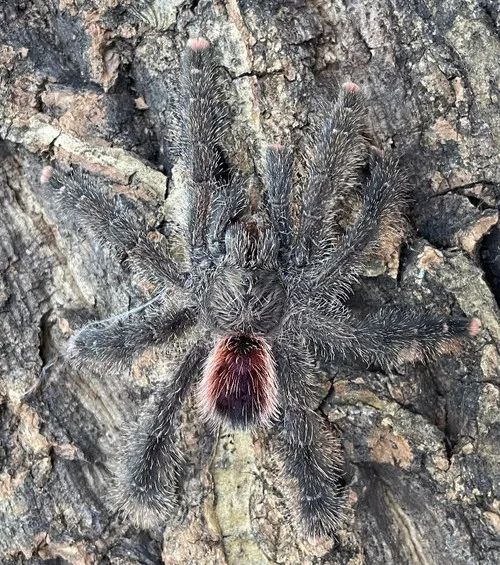
What is a Pink Toe Tarantula Sling
The Pink Toe Tarantula (Avicularia avicularia) is a captivating arboreal tarantula species, highly sought after by arachnid enthusiasts. A ‘sling’ refers to a juvenile tarantula, typically in its early stages of development. When you see a ‘pink toe tarantula sling for sale,’ it means you’re looking at purchasing a baby Pink Toe Tarantula. This guide is designed to provide you with essential information if you’re considering buying one. These young tarantulas are smaller, more delicate, and require specific care to thrive. Understanding their needs and the responsibilities involved is crucial for any potential owner. This guide will walk you through everything you need to know, from choosing a healthy sling to setting up the perfect habitat and ensuring its well-being. This amazing guide will cover the vital aspects of owning a pink toe tarantula sling, helping you make an informed decision.
Appearance and Characteristics
Pink Toe Tarantulas are known for their striking appearance, even at a young age. Slings have a distinctive look, with their namesake pink or reddish-pink toe pads contrasting against their dark bodies. These toe pads are crucial for their arboreal lifestyle, allowing them to grip and climb on various surfaces. Their bodies are typically covered in fine hairs, which provide sensory information and can be used for defense. As they grow, their coloration becomes more vibrant, and the pink hues on their toes become more prominent. They also develop iridescent blue or green tints on their carapace, adding to their allure. Their overall appearance is a key reason for their popularity as pets; their beauty is a constant source of fascination for owners.
Size and Growth of a Sling

Pink Toe Tarantula slings are very small, usually measuring around 1/4 to 1/2 inch in body length when first sold. Their growth rate varies depending on factors such as feeding, temperature, and humidity. Slings grow by molting their exoskeletons. During molting, the tarantula sheds its outer layer, revealing a new, larger one underneath. This process allows the tarantula to grow. Slings molt more frequently than adult tarantulas, sometimes every few months. It’s essential to monitor their growth and provide appropriate care during molting, as this is a vulnerable time. They can reach a leg span of up to 5-6 inches as adults. Patience is key, as raising a sling requires a long-term commitment to ensure their health and well-being.
Why Buy a Pink Toe Tarantula Sling
Benefits of Owning a Pink Toe Tarantula
Owning a Pink Toe Tarantula offers several benefits. These tarantulas are relatively docile and less prone to biting compared to some other species, making them suitable for beginner tarantula keepers. Their unique appearance and arboreal lifestyle make them fascinating to observe. Their low-maintenance nature is also a plus. They don’t require daily interaction and can thrive in a well-maintained enclosure. Watching them grow and develop provides a rewarding experience for any owner. The joy of observing their behavior, feeding, and molting cycles offers a unique and educational experience. Pink Toes are long-lived, with females living for up to 12 years or more, providing years of companionship.
Popularity as Pets
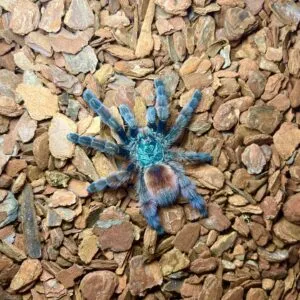
Pink Toe Tarantulas are popular pets due to their beauty, manageable size, and docile temperament. They are a favorite among beginner and experienced keepers alike. Their availability and relatively low cost compared to rarer species also contribute to their popularity. Many people are drawn to the unique experience of owning an exotic pet. They provide a captivating alternative to traditional pets like cats and dogs. Their popularity has led to a wealth of online resources, communities, and breeders, making it easy to find information and support. Their popularity is a testament to their captivating nature and the joy they bring to owners.
Where to Buy a Pink Toe Tarantula Sling
Reputable Breeders and Dealers
When seeking a pink toe tarantula sling for sale, it’s essential to find a reputable source. Look for breeders and dealers with positive reviews and a history of healthy tarantulas. They should be knowledgeable and willing to answer your questions. They should also be able to provide information about the sling’s origin, age, and feeding habits. Visiting their facilities can help you assess their care standards. Breeders who prioritize the health and well-being of their tarantulas are more likely to provide a healthy sling. Always check for health guarantees and inquire about their return policies. This ensures that you receive a healthy specimen and have support if issues arise. Always look for reviews from previous customers to assess their credibility.
Online Marketplaces

Online marketplaces offer a convenient way to find a pink toe tarantula sling for sale. Popular platforms such as MorphMarket and specialized reptile forums connect buyers with breeders. However, it’s crucial to exercise caution when buying online. Check seller ratings and read reviews before making a purchase. Verify the seller’s reputation and experience in the tarantula community. Ask for photos of the sling and its enclosure. Ensure the seller provides safe shipping methods, including proper packaging and heat packs if necessary. It is vital that you have a clear understanding of their return policies. Buying from an online marketplace is convenient, but due diligence is essential to ensure the health and safety of the sling.
Factors to Consider Before Buying
Health and Condition of the Sling
Before buying a pink toe tarantula sling for sale, assess its health and condition. Look for a sling that is active and responsive. A healthy sling will move around its enclosure and react to stimuli. Observe the tarantula’s abdomen; it should be plump and not appear shrunken or dehydrated. Check for any missing limbs or signs of injury. The sling’s exoskeleton should be intact and free of parasites or mites. Inspect the enclosure for cleanliness and ensure it has appropriate ventilation. A healthy sling has a good appetite. Ask the breeder about the sling’s feeding habits and ensure that it has been eating regularly. Do not buy a sling if you notice any signs of illness or injury, as it may be difficult to nurse back to health.
Legality and Regulations

Before purchasing a pink toe tarantula sling for sale, familiarize yourself with local laws and regulations. Some areas may have restrictions on owning exotic pets, including tarantulas. Check with your local authorities to determine if any permits or licenses are required. Be aware of any specific guidelines regarding the care and housing of tarantulas. Understand the legal implications of owning a tarantula in your area to avoid any penalties. Ensure that you comply with all local, state, and federal laws. Knowing and following the regulations ensures responsible pet ownership and protects the well-being of your tarantula. Ignorance of the law is not an excuse, so take the time to investigate thoroughly.
Caring for Your Pink Toe Tarantula Sling
Setting Up the Enclosure
Creating the right enclosure is a critical step when you buy a pink toe tarantula sling. A secure, well-ventilated enclosure is essential. A small, clear plastic container or a specialized arboreal terrarium is suitable for a sling. The enclosure should be appropriately sized for the sling to prevent stress. It should also provide adequate space for climbing. A good enclosure will include a secure lid to prevent escapes. Choose a substrate that retains moisture and provides a comfortable environment. Provide plenty of climbing opportunities, such as cork bark or artificial plants. The enclosure should be located away from direct sunlight and drafts. Regular maintenance and cleaning are essential to keep the enclosure healthy and hygienic. This will create a stress-free environment.
Substrate and Habitat

The substrate is a vital element of your sling’s habitat. A mixture of peat moss, vermiculite, and coco fiber is suitable for retaining moisture and providing a natural environment. The substrate should be deep enough to allow the tarantula to burrow if it chooses. Add some decorative elements, such as artificial plants and cork bark, to provide hiding places and climbing structures. The habitat should mimic the sling’s natural environment. Avoid using gravel or sharp objects that could injure the sling. Keeping the substrate clean and replacing it periodically prevents the build-up of harmful bacteria and mold. Maintaining the correct substrate and habitat ensures the well-being of the sling.
Temperature and Humidity
Maintaining the right temperature and humidity levels is crucial for your pink toe tarantula sling’s health. Pink Toe Tarantulas thrive in temperatures between 75-85°F (24-29°C). Use a heat mat or a small heat lamp to maintain a consistent temperature. Relative humidity should be kept between 70-80%. Use a hygrometer to monitor humidity levels. Mist the enclosure regularly with dechlorinated water to maintain humidity, but avoid oversaturating the habitat. Adequate ventilation prevents mold growth and maintains air quality. Monitor these factors regularly to ensure your sling’s comfort and well-being. Consistent temperature and humidity are essential for successful molting and growth.
Feeding Your Sling
Proper feeding is critical for the growth and health of a pink toe tarantula sling. Slings have a small appetite and require a regular feeding schedule. Feed them small, appropriately sized insects, such as fruit flies or pinhead crickets. Offer food every 2-3 days. Remove any uneaten food after 24 hours to prevent mold and mites. Monitor the sling’s abdomen to ensure it is well-fed and not overfed. Adjust the feeding frequency as the sling grows and its appetite increases. Ensure that the insects you feed are gut-loaded with nutritious food. Providing a varied diet is essential for the overall health and well-being of your sling. Proper feeding promotes healthy growth and ensures a long life.
Food Types and Frequency

The diet of a pink toe tarantula sling mainly consists of small insects. Fruit flies (flightless varieties) are an ideal choice for very small slings. Pinhead crickets are also a suitable food source. As the sling grows, you can gradually introduce larger prey items. Feed your sling every 2-3 days, removing any uneaten food to prevent issues. The size of the prey should be appropriate for the sling. Ensure that the insects you offer are gut-loaded with nutritious food, such as fruits and vegetables. Provide a variety of food to meet the nutritional needs of the tarantula. Monitor your sling’s feeding habits and adjust the frequency and size of the food accordingly. A balanced diet contributes to the overall health and longevity of your pink toe tarantula.
Watering and Hydration
Adequate hydration is essential for a pink toe tarantula sling. Always provide fresh, clean water. Use a shallow water dish or a water source with a sponge or cotton ball. Mist the enclosure lightly every few days to maintain humidity, and allow the tarantula to drink water droplets. Avoid over-misting, as this can lead to mold growth. Ensure that the water source is clean and free of debris. Regularly monitor the humidity levels and adjust as needed. Providing proper hydration is crucial for the sling’s molting process and overall health. Always use dechlorinated water to prevent harmful chemicals from entering the enclosure.
Common Issues and Solutions
Molting and Growth
Molting is a natural process where tarantulas shed their exoskeletons to grow. Slings molt more frequently than adults. During molting, the tarantula becomes vulnerable. Avoid disturbing the sling during this period. Provide a secure environment with appropriate humidity. After molting, the tarantula’s new exoskeleton will be soft; avoid feeding it for a few days. Monitor the sling for any issues during molting, such as difficulty shedding. A healthy molting cycle is a sign of a thriving tarantula. Ensure the enclosure’s conditions are ideal. A successful molt is a positive indicator of health and well-being. Patience and observation are key during this process.
Health Problems and Treatments
Pink Toe Tarantulas can be susceptible to certain health issues. Common problems include mites, fungal infections, and dehydration. Mites can be introduced through contaminated substrate or insects. Quarantine new acquisitions and inspect them carefully. Fungal infections can result from poor ventilation or excessive humidity. Provide proper ventilation and control humidity levels. Dehydration can result from lack of water. Ensure proper hydration by providing fresh water and maintaining humidity. If you notice any health problems, consult with a veterinarian familiar with tarantulas. Proper care and a clean environment are vital for preventing health problems. Early detection and treatment are essential for the sling’s survival and health. Monitor the sling for any changes in behavior or appearance.
Conclusion
Owning a pink toe tarantula sling can be a rewarding experience for those prepared to provide the proper care. This guide provides the essential information needed to acquire and care for your new pet. From choosing a healthy sling to setting up its enclosure and meeting its needs, responsible pet ownership ensures the well-being of your tarantula. By following these guidelines, you can ensure a healthy and fulfilling life for your pink toe tarantula. Remember to research, be patient, and always prioritize the tarantula’s needs. Owning a tarantula is a long-term commitment, and by following this guide, you can be sure to have a happy and thriving pet. Enjoy the captivating journey of owning this beautiful creature!