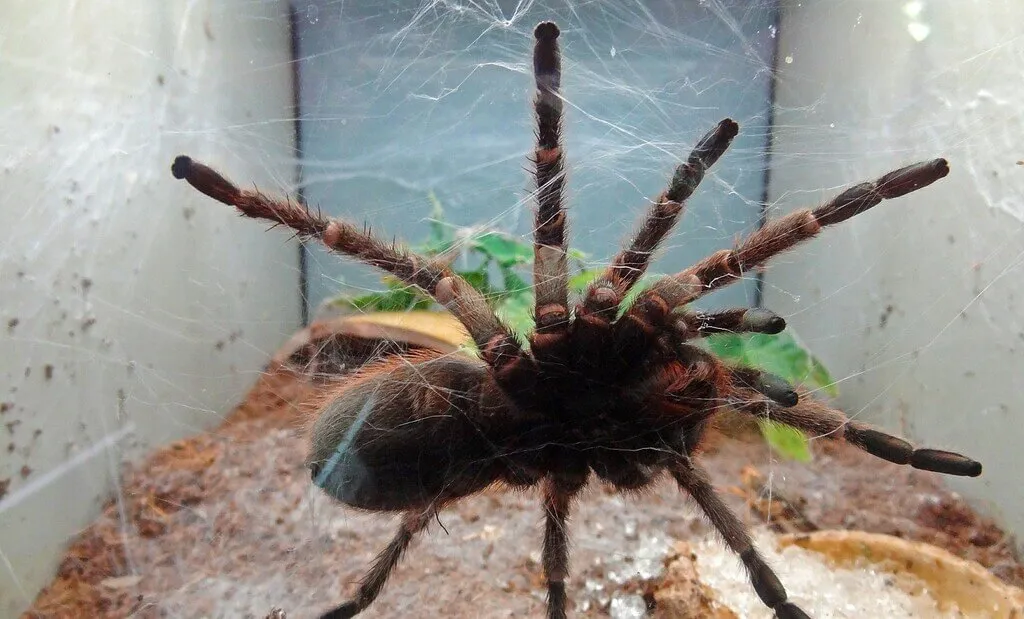
Understanding Pink Toe Tarantula Tank Size Needs
Choosing the correct tank size for your Pink Toe Tarantula (Avicularia avicularia) is crucial for its well-being. Tank size impacts various aspects of your tarantula’s life, from its ability to molt successfully to its feeding habits and overall health. Providing an appropriately sized enclosure minimizes stress, allows for proper movement and exploration, and replicates its natural arboreal habitat. This guide will walk you through the essentials of choosing the perfect home for your fascinating pet, ensuring it thrives in captivity.
Why Tank Size Matters for Pink Toes
Impact of Tank Size on Tarantula Health

A tank that is too small can restrict movement, leading to stress and potentially impacting your tarantula’s health. Limited space can make it difficult for the tarantula to regulate its body temperature, as it can’t move to warmer or cooler areas within the enclosure. Overcrowding can also lead to aggression and competition for resources, particularly during feeding or molting. Conversely, a tank that is excessively large can also pose challenges, such as making it more difficult for the tarantula to find food, especially for younger specimens, and increasing the risk of falls that could lead to injury.
How Tank Size Affects Molting
Molting is a critical process for tarantulas, allowing them to grow and regenerate lost limbs. A suitable tank provides the necessary space and humidity for a successful molt. If the enclosure is too small, the tarantula may have difficulty positioning itself correctly during molting, increasing the risk of a failed molt, which can be fatal. The tank’s dimensions also influence the stability of the molting process, providing adequate surface area for the tarantula to grip and properly shed its exoskeleton. A tank that is too cramped can also stress the tarantula during this vulnerable period.
Tank Size and Feeding Habits
The size of the tank directly influences the tarantula’s hunting and feeding behavior. In an excessively large enclosure, especially for smaller tarantulas, it may be difficult for the spider to locate food, leading to underfeeding and health issues. Furthermore, a large tank can create challenges in maintaining proper humidity levels and temperature gradients, which can also affect feeding. The design should allow for the tarantula to easily access food and water, while also allowing the keeper to monitor feeding habits and prevent uneaten prey from remaining in the enclosure and causing stress or potential harm to the spider.
Choosing the Right Tank Size for Your Pink Toe

Tank Size by Tarantula Size
Tank size requirements change as your pink toe tarantula grows. Providing the appropriate enclosure size at each stage of development is crucial to ensure the spider’s well-being and promote healthy growth. Starting with a smaller enclosure for a spiderling and gradually increasing the size as the tarantula matures ensures it feels secure, reduces stress, and facilitates easier feeding and maintenance.
Selecting a Tank for a Spiderling
For a spiderling (a very young tarantula), a smaller enclosure is best, such as a deli cup or a small plastic container with good ventilation. This helps the spiderling feel secure and makes it easier to find food. Ensure the container has a secure lid to prevent escapes. A tank approximately 4x4x6 inches is usually sufficient for the initial stages, allowing for substrate, a small hide, and a water source. Too much space can stress a spiderling, so starting small is crucial. The small tank allows the keeper to easily monitor the spiderling’s eating and molting behaviors.
Tank Size for Juvenile Pink Toes

As your pink toe grows, it will need a larger enclosure. A juvenile pink toe might thrive in a tank that is approximately 8x8x12 inches. At this stage, provide more climbing space with branches and a cork bark hide. Ensure that there is sufficient cross-ventilation to maintain appropriate humidity levels, which are crucial for molting. Proper tank size encourages the spider to explore and engage in natural behaviors, promoting a healthier and more active tarantula.
Adult Pink Toe Tarantula Tank Size Requirements
Adult pink toe tarantulas need a tank that offers plenty of space for movement and exploration. A good size for an adult is typically around 12x12x18 inches or larger. This provides adequate room for climbing, web-building, and other natural behaviors. This size also accommodates appropriate substrate depth, a large water dish, and multiple hides. An adult tank should also allow for effective temperature and humidity gradient management.
Tank Material Considerations
Glass vs Acrylic Tanks

The choice between glass and acrylic tanks depends on several factors, including your budget, preference, and the specific needs of your tarantula. Both materials offer distinct advantages and disadvantages. Glass tanks are often more affordable and scratch-resistant, while acrylic tanks are lighter, offer better insulation, and provide clearer viewing. Both materials provide suitable environments when properly set up, but the characteristics of each should be considered to ensure the best possible living conditions for your pink toe.
Pros and Cons of Different Materials
- Glass tanks are generally more scratch-resistant than acrylic and often are more budget-friendly.
- Acrylic tanks provide better insulation, reducing temperature fluctuations, and offer clearer viewing due to their superior clarity.
- Glass tanks are heavier, which can make them more difficult to move and clean.
- Acrylic tanks are lighter and less prone to shattering but can scratch more easily.
Essential Tank Features and Setup
Ventilation Requirements

Proper ventilation is crucial for the health of your pink toe. Adequate airflow prevents the buildup of harmful mold and bacteria and helps maintain appropriate humidity levels. Ventilation helps remove excess moisture, which can be detrimental to the tarantula’s health. The enclosure design should include ventilation features to ensure a constant flow of fresh air while preventing escapes. Careful consideration of ventilation will ensure the spider thrives.
Importance of Cross-Ventilation
Cross-ventilation, where air flows in one side of the enclosure and out the other, is ideal. This setup promotes a consistent airflow, preventing stagnant air and maintaining ideal humidity levels. Effective cross-ventilation minimizes the risk of respiratory issues and fungal infections, contributing to the overall health of the tarantula. Ensure the ventilation design prevents the tarantula from escaping. Consider a mesh top with ventilation holes or slotted sides.
Substrate Selection and Depth
Choosing the Right Substrate for Pink Toes

The substrate is the material at the bottom of the tank and serves several purposes, including moisture regulation and providing a surface for the tarantula to walk on and construct webs. For pink toes, a substrate that can hold moisture and allow for burrowing if the tarantula chooses is important. A mix of coco fiber, peat moss, and a bit of sphagnum moss is a good choice. The depth of the substrate should be sufficient to allow the tarantula to burrow if it desires, although pink toes typically prefer to live in the canopy.
Decorating the Tank for Your Pink Toe
Providing Climbing Branches
Pink toe tarantulas are arboreal, meaning they live in trees. Providing climbing branches and cork bark is essential for their well-being. These features allow them to climb, explore, and build webs, which are natural behaviors. Include branches of varying sizes and orientations to give the tarantula options. Secure the branches so they won’t fall and injure the spider, allowing it to safely navigate its habitat.
Adding Hiding Places

Hiding places are crucial for reducing stress and providing the tarantula with a sense of security. Cork bark tubes, artificial plants, and other decorative elements can serve as hiding spots. Providing multiple options allows the tarantula to choose a preferred location and also provides a varied and engaging environment. Ensure the hides are secure and do not pose a risk of injury or entrapment, allowing the spider to feel safe.
Maintaining the Ideal Tank Environment
Temperature and Humidity Control
Maintaining the right temperature and humidity levels is critical to the health of your pink toe. These factors directly impact its ability to molt, eat, and overall well-being. Consistent monitoring and adjustment of the enclosure conditions will help ensure your tarantula thrives. The correct setup closely mimics the tarantula’s natural habitat, reducing stress and promoting natural behaviors.
Monitoring Temperature
The ideal temperature range for a pink toe tarantula is between 75°F and 80°F (24°C and 27°C). Using a thermometer inside the tank allows you to accurately monitor the temperature and make any necessary adjustments. Position the thermometer in a location that provides an accurate reading of the ambient temperature within the enclosure. Use a heat source, such as a low-wattage heat lamp or a ceramic heat emitter, if needed, to maintain the desired temperature. Never place the heat source directly on the substrate or in a way that could overheat the tank.
Monitoring Humidity
Humidity plays a crucial role in the health and molting process of your pink toe. The ideal humidity level should be around 70-80%. A hygrometer is essential for accurately measuring humidity. To increase humidity, mist the enclosure with dechlorinated water regularly, typically once or twice a week, depending on your enclosure’s ventilation and the ambient humidity. Avoid over-misting, as this can lead to mold growth and other health problems. Ensure the humidity levels are suitable to support healthy molting, preventing complications.
Cleaning and Maintenance Schedule
Regular Cleaning Practices
Regular cleaning is essential to maintain a healthy environment for your pink toe. Remove any uneaten food, molted skin, and fecal matter promptly to prevent the buildup of bacteria and mold. Spot clean the substrate as needed, replacing it entirely every 6-12 months, depending on the size of the enclosure and the amount of waste produced. Use a reptile-safe disinfectant to clean the tank and decorations when needed, ensuring the health and safety of your pet.
Watering Your Pink Toe
Fresh water is crucial for your pink toe’s hydration. Always provide a shallow water dish with clean, dechlorinated water. Ensure the water dish is stable and placed in a way that prevents the tarantula from drowning. Refill the water dish regularly, typically every 1-2 days, and clean it as needed to prevent the growth of algae or bacteria. Additionally, mist the enclosure to maintain appropriate humidity levels, providing another source of hydration. Monitoring water availability ensures your tarantula remains properly hydrated.
Avoiding Overwatering
While humidity is essential, overwatering can be detrimental to your pink toe’s health. Avoid saturating the substrate, as this can lead to mold and bacterial growth, which can harm the tarantula. Monitor the substrate’s moisture level and adjust your misting schedule accordingly. If the substrate is consistently wet, increase ventilation and reduce misting frequency. Proper watering practices help prevent potential health issues and create a healthy environment for your pet.