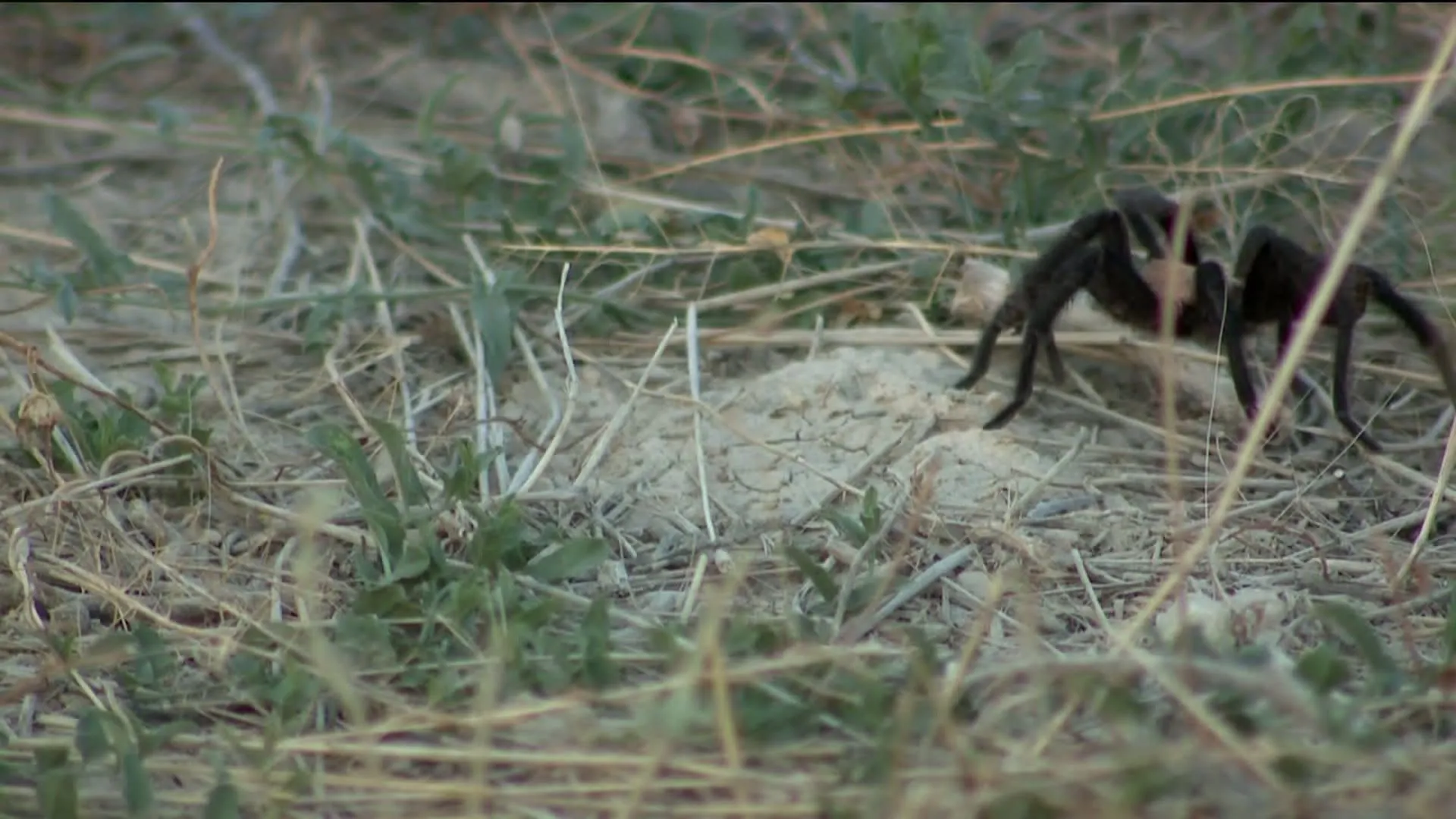
What is the Pueblo Tarantula Migration
The Pueblo tarantula migration is a fascinating annual event where thousands of tarantulas, primarily males, embark on a journey across the landscape. This spectacle typically occurs in the late summer and early fall, making it a unique opportunity for nature enthusiasts and photographers to witness the natural world’s wonders. These large, hairy spiders emerge from their burrows seeking mates, creating a remarkable display of animal behavior. The migration is a significant part of the local ecosystem, drawing attention to the region’s rich biodiversity and promoting conservation efforts. Understanding the migration’s purpose and the tarantulas’ behavior is crucial for appreciating this event and ensuring the spiders’ safety.
The Peak Season for Tarantula Migration
The peak season for the Pueblo tarantula migration usually falls between late August and early October. During this time, the weather conditions are ideal, with temperatures warm enough to encourage the tarantulas to emerge from their burrows. The specific timing can vary slightly each year depending on the weather, but generally, this period offers the best chance to witness the migration in full swing. Local guides and nature organizations often track the migration’s progress and provide updates to the public, allowing enthusiasts to plan their viewing trips accordingly. This period represents a crucial time for the tarantulas’ reproductive cycle.
Best Time to Observe the Migration

The best time to observe the tarantula migration is during the late afternoon and early evening. This is when the spiders are most active, as they move across the open spaces in search of mates. The cooler temperatures of the evening also encourage the tarantulas to emerge from their hiding places. Observing the migration during these hours allows you to witness the full spectacle, as the tarantulas can be seen moving across roads, trails, and open fields. Be sure to bring a flashlight or headlamp to help you spot the tarantulas in the fading light and to avoid accidentally stepping on them.
The Behavior of Tarantulas During Migration
During the tarantula migration, the male tarantulas display a unique set of behaviors driven by their primal urge to reproduce. They are primarily focused on finding a mate, and their movements are deliberate as they actively search for receptive females. Male tarantulas may travel several miles in their quest, moving across diverse terrains. They often raise their front legs in a posture to signal their presence to females or to defend themselves. This behavior is a crucial part of their survival and reproductive cycle, ensuring the continuation of their species. The entire process is a testament to the power of instinct and the complexity of the natural world.
What Triggers the Migration?
Several factors trigger the Pueblo tarantula migration. The primary trigger is the mating season, which is dictated by the tarantulas’ internal biological clocks and the changing environmental conditions. The availability of receptive females, typically ready to mate after molting, also plays a crucial role. Weather conditions also have a significant impact, with warm temperatures and the right amount of humidity creating ideal conditions. These combined triggers cause male tarantulas to emerge from their burrows and begin their search for mates. Understanding the triggers is essential for predicting the migration’s timing and for conservation efforts.
The Mating Ritual

The mating ritual of the Pueblo tarantulas is a remarkable display of natural behavior. When a male tarantula encounters a female, it begins a courtship dance, drumming its pedipalps and legs on the ground. This behavior signals to the female that it is a potential mate. If the female accepts the male, they engage in a mating process where the male deposits sperm into the female’s reproductive structures. After mating, the male usually retreats, often risking being eaten by the female. The female will then lay her eggs in a silken egg sac. The entire mating process is a critical and complex part of the tarantulas’ life cycle, essential for species survival.
Where to Find Tarantulas in Pueblo
Several locations in and around Pueblo, Colorado, are known for hosting the tarantula migration. The open grasslands and canyons provide ideal habitats for these spiders. Identifying these areas allows for safe and respectful viewing. Nature preserves, parks, and areas with minimal human activity offer the best chances to spot the tarantulas in their natural environment. It is essential to research the specific locations beforehand to ensure access and to be aware of any local regulations or guidelines. Always remember to observe the tarantulas from a safe distance and avoid disturbing their natural behavior or habitat. Knowledge of these locations enhances the experience of witnessing the migration.
Popular Viewing Spots
Popular viewing spots for the Pueblo tarantula migration often include areas with open terrain, such as state parks, nature trails, and grasslands surrounding Pueblo. Local nature guides and organizations can provide valuable information about specific viewing locations and the best times to visit. Trails and paths that are less frequented by people offer more opportunities to observe the tarantulas without disturbance. Some of these spots provide opportunities to capture stunning photographs of the tarantulas. Remember to respect the environment and follow any guidelines to protect the habitat and the safety of the tarantulas. Always prioritize responsible wildlife viewing and leave no trace.
Tips for Safe Tarantula Viewing

For safe tarantula viewing, it is crucial to maintain a respectful distance from the spiders. Avoid any actions that could disturb or provoke them, as they may bite in self-defense. Always wear sturdy shoes and long pants to protect yourself from potential bites or scratches. It’s also a good idea to bring a flashlight or headlamp for visibility, especially during the late afternoon and evening. Be mindful of your surroundings to avoid stepping on tarantulas, which may be crossing roads or trails. Never attempt to handle or touch the tarantulas. Following these guidelines ensures a safe and enjoyable viewing experience for both you and the tarantulas.
Interesting Facts About Pueblo Tarantulas
Pueblo tarantulas are fascinating creatures with unique characteristics. They are the largest spiders in Colorado and have a distinct appearance, including their hairy bodies and large fangs. Their behavior, such as the annual migration and courtship rituals, is also highly interesting. These spiders play an essential role in the local ecosystem, helping to control insect populations. Their presence provides valuable insight into the overall health of the natural environment. Understanding these facts adds to the appreciation of these remarkable animals and the importance of conservation efforts.
Lifespan and Size
Pueblo tarantulas have a lifespan that can extend up to 25 years for females, while males typically live for a shorter period, often only a few years. The female tarantulas are the larger of the sexes, reaching a leg span of up to 5 inches. Males are generally smaller. Their size makes them one of the most imposing spiders in the region. The tarantulas’ size and lifespan make them a noteworthy part of the local fauna. The duration of their lives and the size they can attain are essential factors to recognize during observation and in any conservation strategies.
Diet and Habitat

The diet of Pueblo tarantulas consists primarily of insects, such as crickets, grasshoppers, and beetles. They are ambush predators, waiting patiently for their prey to come within striking distance. These spiders usually build burrows in the ground, often in areas with sandy or loamy soil. They line their burrows with silk, creating a safe space. The open grasslands and canyon areas around Pueblo provide suitable habitats for tarantulas. Understanding their diet and habitat is critical for conservation efforts. Protecting their food sources and natural environment ensures the survival of these fascinating creatures.
Protecting the Tarantulas
Protecting the Pueblo tarantulas requires a combined effort to preserve their habitat and promote responsible viewing practices. Supporting conservation organizations helps fund research, habitat restoration, and educational programs. Minimizing human impact on their environment by staying on marked trails, avoiding littering, and not disturbing their burrows are essential steps. Education about the importance of tarantulas in the ecosystem encourages respect and appreciation for these animals. The protection of tarantulas ensures the preservation of biodiversity and the continuation of this remarkable natural phenomenon for future generations.