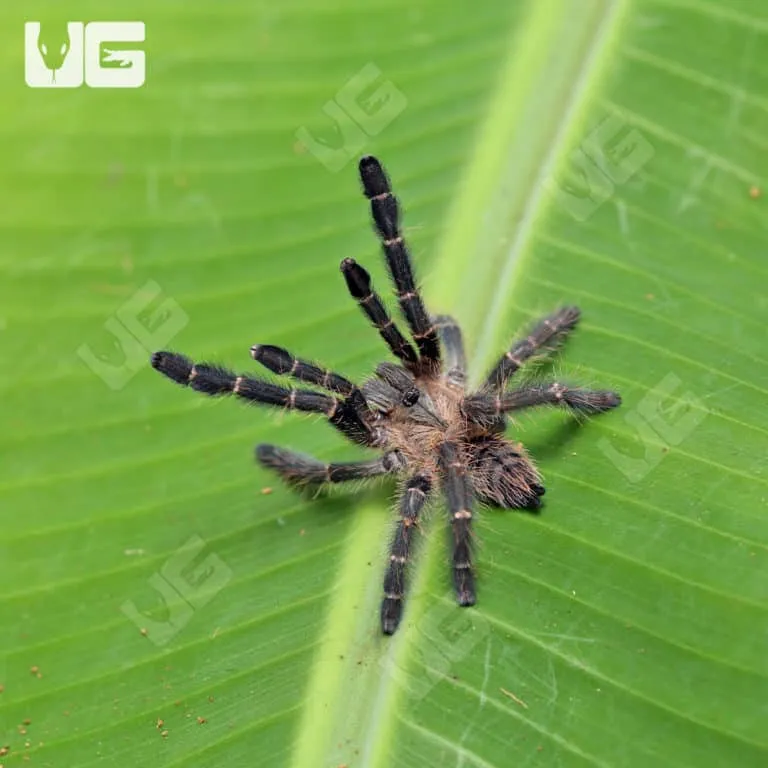
Purple Earth Tiger Tarantula Overview
The Purple Earth Tiger Tarantula (Pamphobeteus sp.) is a stunning and sought-after species in the tarantula hobby. Known for its vibrant purple coloration and impressive size, this terrestrial tarantula captivates enthusiasts with its beauty and relatively manageable care requirements. This comprehensive care sheet will provide you with all the essential information needed to successfully keep and care for a Purple Earth Tiger Tarantula, ensuring its health, happiness, and longevity. From creating the perfect habitat to understanding its specific needs, this guide will equip you with the knowledge to become a responsible and informed tarantula keeper. The Purple Earth Tiger Tarantula is a fascinating creature, and with proper care, you can enjoy observing its unique behaviors and impressive appearance.
Appearance and Characteristics
The most striking feature of the Purple Earth Tiger Tarantula is its coloration. Adults exhibit a rich, vibrant purple hue on their carapace, legs, and sometimes even the abdomen, although the intensity of the purple can vary. The coloration is most pronounced in adult females. These tarantulas are considered a medium-to-large species, with females typically reaching a leg span of 6-8 inches or more. Males are generally smaller and tend to have a less pronounced purple coloration. They are a terrestrial species, meaning they live on the ground, and have a robust build with powerful legs adapted for burrowing and hunting. Their overall appearance is quite impressive, and their relatively docile temperament (compared to some other species) makes them a popular choice among experienced tarantula keepers.
Origin and Habitat

Purple Earth Tiger Tarantulas originate from South America, primarily found in countries such as Colombia and Ecuador. In their natural habitat, they inhabit humid, tropical environments, often burrowing in the earth or utilizing existing burrows under rocks and debris. They thrive in areas with high humidity and relatively consistent temperatures. Understanding their natural environment is crucial for replicating suitable conditions in captivity. Replicating the natural environment is key to the health and well-being of these tarantulas. The goal is to ensure they feel safe and comfortable in their new home.
Creating the Perfect Habitat
Creating the right habitat is paramount for the well-being of your Purple Earth Tiger Tarantula. A well-designed enclosure not only provides a comfortable living space but also allows you to observe and appreciate your tarantula’s natural behaviors. The enclosure should mimic its natural environment as closely as possible. This includes considerations for size, substrate, temperature, humidity, and essential equipment. Providing the correct setup is crucial for your tarantula to thrive. The enclosure should be secure, escape-proof, and aesthetically pleasing to ensure you have a great experience raising your tarantula.
Enclosure Size and Type
A secure and appropriately sized enclosure is essential. For juveniles, a small, clear plastic container (like a deli cup) is suitable, allowing for easy observation. As the tarantula grows, it will need to be upgraded to a larger enclosure. For adult females, a 10-gallon or larger tank is recommended, while males can be comfortably housed in a slightly smaller enclosure. The enclosure should be well-ventilated but secure to prevent escape. Glass or acrylic tanks with secure lids are excellent choices. The enclosure should have enough floor space for the tarantula to move around and ideally, a depth that allows for several inches of substrate for burrowing.
Substrate Selection

The substrate is a critical component of the habitat, serving as a burrowing medium and helping to maintain humidity. A mixture of substrate is best, like a combination of coco fiber, peat moss, and a bit of vermiculite is highly recommended. This combination holds moisture well and provides excellent burrowing opportunities. The substrate depth should be at least 4-6 inches to allow the tarantula to burrow and create a comfortable hide. It should be kept slightly moist, but not waterlogged. Regular spot cleaning is necessary to remove any uneaten food or waste to prevent mold and bacteria growth. Changing the substrate every 6-12 months will help maintain a healthy environment.
Temperature and Humidity
Maintaining the correct temperature and humidity levels is vital for the health of your tarantula. A temperature range of 75-85°F (24-29°C) is ideal. This can usually be achieved with room temperature, but a low-wattage heat lamp or heat pad placed on the side of the enclosure can be used to provide supplemental heat if necessary. Humidity levels should be kept between 70-80%. This can be achieved by misting the enclosure lightly every few days or using a water dish. Monitor humidity levels with a hygrometer. Poorly managed temperature and humidity can lead to health problems.
Essential Equipment
Besides the enclosure and substrate, you will need a few other essential items. A shallow water dish is crucial for providing a constant source of fresh water. Make sure the water dish is shallow enough to prevent accidental drowning. A hide, such as a piece of cork bark or a half-log, provides a secure retreat where the tarantula can feel safe and hide. A hygrometer is essential for monitoring humidity levels. A small spray bottle is helpful for misting the enclosure to maintain humidity. Tweezers or long feeding tongs are useful for feeding your tarantula safely. These items help create a comfortable and healthy environment.
Feeding Your Purple Earth Tiger Tarantula
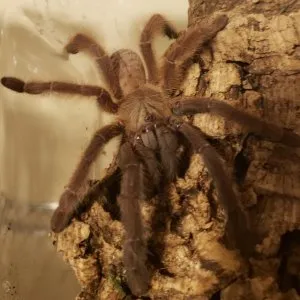
Feeding your Purple Earth Tiger Tarantula is a straightforward process, but it’s important to understand the right diet and feeding frequency to ensure its health. Tarantulas are opportunistic predators and will readily consume a variety of insects. Providing a balanced diet and avoiding overfeeding are key to their well-being. Always remove any uneaten food within 24 hours to prevent the buildup of mold or mites. A well-fed tarantula is a healthy tarantula, but overfeeding can lead to complications.
Diet and Prey
The primary diet for your Purple Earth Tiger Tarantula should consist of live insects. Crickets, roaches, mealworms, and superworms are all suitable options. Varying the diet provides a more balanced nutrition. The size of the prey should be appropriate for the size of the tarantula; generally, the prey should be no larger than the tarantula’s abdomen. Avoid feeding wild-caught insects, as they may carry parasites or pesticides that can harm your tarantula. Before feeding, it’s a good practice to gut-load the insects with nutritious foods like vegetables or commercial insect food, which in turn provides more nutrition to your tarantula. Supplementing with calcium and vitamins isn’t typically necessary, but can be considered.
Feeding Frequency
Feeding frequency depends on the age and size of your tarantula. Spiderlings (juvenile tarantulas) should be fed every 2-3 days. Sub-adults can be fed every 4-7 days, and adult tarantulas can be fed once or twice a week. It is also important to adjust the feeding schedule as the tarantula approaches a molt, as they often refuse food prior to molting. It’s essential to observe your tarantula’s feeding habits. A tarantula that consistently refuses food may be preparing to molt. Avoid overfeeding, as it can lead to health issues. A well-fed tarantula will have a slightly rounded abdomen, but it should not be excessively plump.
Water and Hydration

Providing fresh water is essential for your tarantula’s hydration. A shallow water dish should be available at all times. The water dish should be checked and refilled regularly to ensure it remains clean and full. Mist the enclosure lightly with water every few days to maintain humidity levels, which also provides an additional source of water. Ensure the water dish is shallow enough to prevent the tarantula from accidentally drowning. Clean the water dish regularly to prevent the growth of bacteria and algae. Having water available is key to the well-being of your tarantula.
Handling and Safety
While Purple Earth Tiger Tarantulas are generally considered docile, it’s important to handle them with caution and respect. Tarantulas are not typically pets that enjoy being handled, and unnecessary handling can stress them. When handling is necessary, it should be done carefully and with an understanding of the tarantula’s behavior. Always prioritize the tarantula’s well-being and safety. Knowing the risks and following safety guidelines can help minimize any potential harm.
Safe Handling Practices
Handling should be kept to a minimum and only when necessary, such as for enclosure maintenance or health checks. Always handle your tarantula close to the ground to minimize the risk of injury if it falls. Avoid sudden movements and loud noises, as these can startle the tarantula. If you need to handle your tarantula, gently coax it onto your hand using a soft brush or by allowing it to walk on your hand. Never grab the tarantula, and always be aware of its position and behavior. Wash your hands thoroughly before and after handling to prevent the transfer of any substances or contaminants. It’s always a good idea to handle the tarantula in a well-controlled environment to minimize risks.
Understanding Tarantula Behavior

Understanding your tarantula’s behavior is key to safe handling. Tarantulas can exhibit defensive behaviors, such as raising their front legs, flicking urticating hairs (in some species), or even biting. Learn to recognize these warning signs. If the tarantula is defensive, it is best to leave it alone. Tarantulas are generally more active at night, and their behavior can vary depending on their mood, environmental conditions, and stage of life. Observe your tarantula’s behavior closely to learn its individual personality and preferences. This knowledge will help you to better understand its needs and to handle it safely.
Common Health Issues and Solutions
Like all pets, Purple Earth Tiger Tarantulas can experience health issues. Being aware of common problems and how to address them is important for providing proper care. Regular observation and preventative measures can help to maintain your tarantula’s health. If you notice anything unusual, it is crucial to take action promptly.
Recognizing Signs of Illness
There are several signs that your tarantula may be ill. These include loss of appetite, lethargy, unusual posture, tremors, or changes in color. If the tarantula is not eating, it could be a sign of an upcoming molt, but it could also indicate a health problem. If the tarantula is weak or unable to move properly, it may need immediate attention. If you notice any of these signs, it’s essential to investigate the cause. Contact an experienced tarantula keeper or a veterinarian familiar with exotic animals for advice. Early detection and treatment are often the most effective ways to manage health issues.
Preventative Care

Prevention is the best medicine. Provide a clean, well-maintained habitat with the correct temperature and humidity levels. Feed your tarantula a varied and nutritious diet. Avoid overfeeding, as this can lead to health problems. Regularly inspect the enclosure for any signs of mold, mites, or other pests. Quarantine any new tarantulas before introducing them to your collection. Promptly remove any uneaten prey. Practicing these measures can help you avoid many common health problems.
Molting Process
Molting is a natural and essential process for tarantulas. As they grow, they shed their exoskeletons to allow for growth. Understanding the molting process is important to provide the appropriate care during this vulnerable time. The molting cycle can vary depending on age and growth rate.
What to Expect During Molting
Prior to molting, your tarantula may stop eating, become less active, and may start to spend more time in its hide. The tarantula may also appear darker in color. During molting, the tarantula will typically lie on its back. It will shed its old exoskeleton, revealing a new, larger one. This process can take several hours. Do not disturb your tarantula during this process. It is very vulnerable during this time and any disruption could be fatal. Be patient and allow the tarantula to complete the process without interference.
Post-Molting Care
After molting, the tarantula’s new exoskeleton will be soft, so it is very vulnerable. Do not feed your tarantula for at least a week after molting to allow its fangs to harden. Make sure to keep the humidity levels appropriate. Once the fangs have hardened, you can start feeding your tarantula again. Provide it with plenty of fresh water. It’s common for tarantulas to be extra hungry after molting. Avoid handling your tarantula for a week or two after molting. The new exoskeleton will continue to harden over the next few days.
By following this comprehensive care sheet, you’ll be well-equipped to provide your Purple Earth Tiger Tarantula with a happy, healthy, and fulfilling life. Remember that each tarantula is an individual, so take the time to observe your pet, learn its unique behaviors, and adjust your care accordingly. Enjoy the rewarding experience of keeping these fascinating creatures.