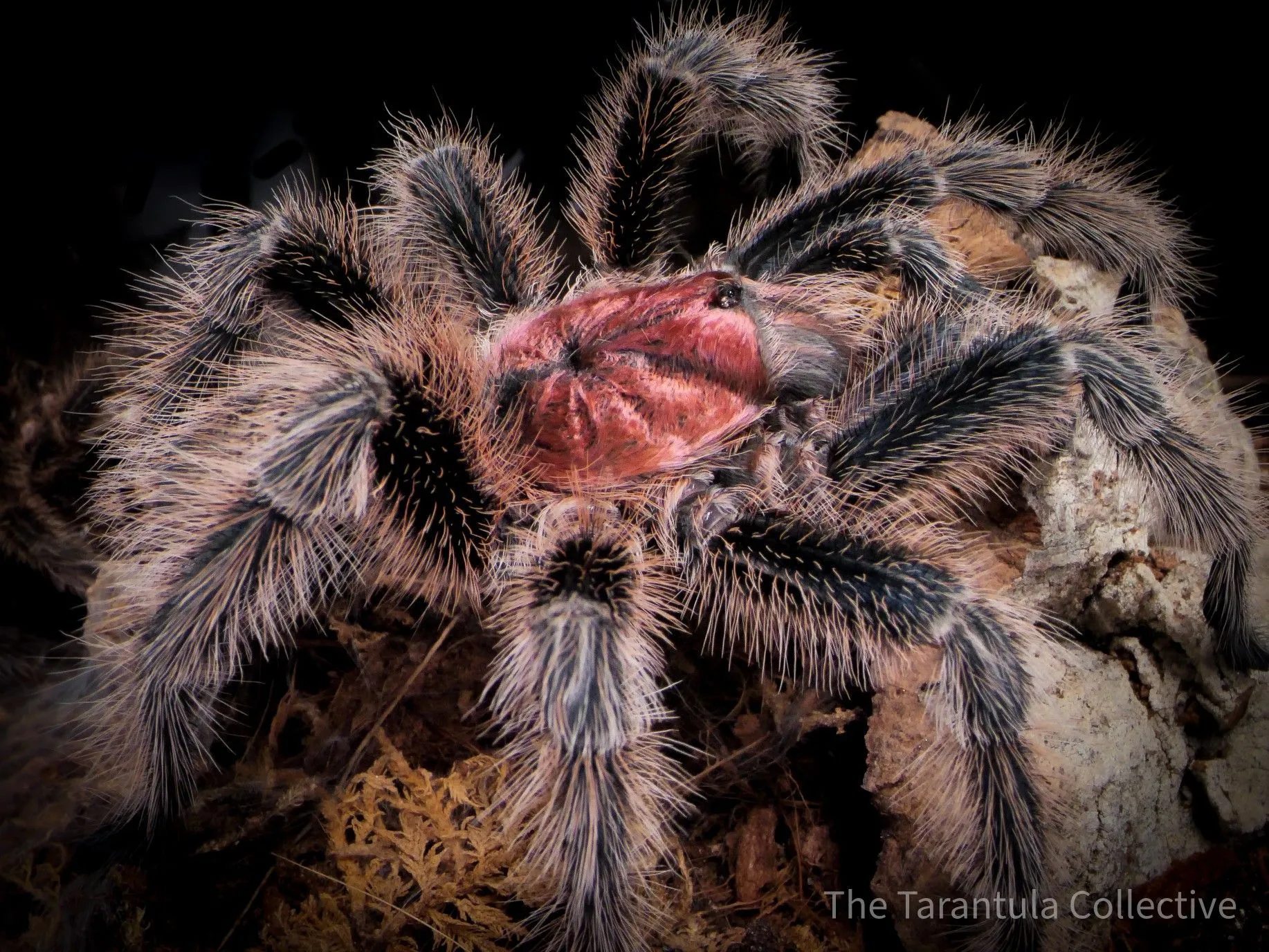
Rose Hair Tarantula Bite Top 5 Symptoms
Owning a rose hair tarantula can be a rewarding experience, these docile creatures are often kept as pets. However, as with any pet, there are potential risks involved, including the possibility of a bite. While not typically life-threatening, understanding the symptoms of a rose hair tarantula bite is crucial for responsible pet ownership. This guide will delve into the top 5 symptoms to watch out for, as well as provide essential information on how to respond if you or someone you know is bitten. Knowing the potential effects of a bite can help you act fast, get the appropriate medical attention, and ensure the health and well-being of yourself or anyone bitten.
Immediate Pain & Discomfort
One of the first symptoms of a rose hair tarantula bite is usually immediate pain. This pain can vary in intensity from a mild sting to a more pronounced ache, depending on the individual and the specific circumstances of the bite. The pain is often described as similar to a bee sting, although the sensation is not always identical. The initial discomfort typically occurs at the bite site, but in some cases, it might radiate outwards. This initial pain is due to the venom injected by the tarantula and the physical trauma of the fangs piercing the skin. It is important to closely monitor the site of the bite for any developing signs of other symptoms.
Localized Swelling & Redness

Following the initial pain, localized swelling and redness are common symptoms. The area around the bite site may begin to swell, and the skin will often appear red or inflamed. The extent of the swelling and redness can vary, from a small, barely noticeable area to a more significant reaction. This is a normal response to the venom and the body’s immune system attempting to neutralize it. Sometimes, the area can become warm to the touch. Monitoring this symptom is very important, as it can help in understanding the severity of the bite. If the swelling becomes excessive or spreads rapidly, it is important to seek medical attention promptly.
Muscle Cramps and Spasms
In some cases, a rose hair tarantula bite can cause muscle cramps and spasms. This symptom is more likely to occur in individuals who are particularly sensitive to the venom. Muscle cramps and spasms may be felt near the bite site, or they could affect other parts of the body. The intensity of these muscle-related symptoms can range from mild twitches to painful and prolonged spasms. If muscle cramps or spasms occur, it is important to remain calm and avoid any strenuous activities. If muscle cramps or spasms persist or worsen, it is advised to consult with a healthcare provider.
Itching and Irritation
Itching and irritation around the bite site are also frequently reported symptoms. This is due to the inflammatory response caused by the venom. The itching can range from a mild nuisance to a more intense, uncomfortable sensation. Scratching the bite area should be avoided, as this can worsen the irritation and potentially lead to a secondary infection. Applying a cold compress or using an over-the-counter antihistamine can help alleviate the itching and discomfort. Keeping the bite area clean is critical to help reduce the risk of infection and promote healing.
Systemic Reactions

While rare, some individuals may experience systemic reactions after a rose hair tarantula bite. These reactions occur when the venom affects the body beyond the immediate bite area. Symptoms of a systemic reaction can include nausea, dizziness, headache, and in extreme cases, difficulty breathing. If any of these systemic symptoms develop, it is critical to seek immediate medical attention. Anaphylaxis, a severe allergic reaction, is extremely rare with tarantula bites, but prompt treatment is crucial in case it occurs. Always be vigilant and aware of any changes after being bitten.
What To Do After A Rose Hair Tarantula Bite
First Aid at Home
If you are bitten by a rose hair tarantula, several first aid steps should be taken immediately. First, wash the bite area thoroughly with soap and water. This helps to remove any remaining venom and reduce the risk of infection. Apply a cold compress to the bite site to reduce swelling and ease pain. Over-the-counter pain relievers, such as ibuprofen or acetaminophen, can be taken to manage any pain. Keep the bite area clean and dry, and avoid scratching the area. Monitoring the symptoms and observing for any signs of a more severe reaction is essential.
When to Seek Medical Attention

While most rose hair tarantula bites do not require medical attention, there are situations where seeking professional help is necessary. If the pain or swelling is excessive, or if symptoms worsen over time, it is best to see a doctor. Any signs of a systemic reaction, such as difficulty breathing, nausea, or dizziness, require immediate medical attention. If you are unsure about the severity of the bite or have any concerns, it is always best to consult with a healthcare professional. They can assess the situation, provide appropriate treatment, and offer reassurance.
Preventative Measures
Preventing a rose hair tarantula bite is always the best approach. Handle your tarantula with care and avoid unnecessary contact. If you must handle your tarantula, do so gently and calmly. Use appropriate tools, like tongs, if necessary to move or handle your tarantula. Always be aware of the tarantula’s behavior and body language, and if it appears agitated or defensive, avoid handling it. Ensure that the tarantula’s enclosure is secure and escape-proof to minimize any risk of accidental bites. Educate yourself and others in your household about safe handling practices and the potential risks associated with rose hair tarantulas.
In conclusion, understanding the symptoms of a rose hair tarantula bite is vital for responsible pet ownership. While these bites are not typically life-threatening, knowing the potential effects of a bite can help you respond quickly and effectively. By recognizing the top 5 symptoms and taking appropriate action, you can minimize the impact of a bite and ensure the well-being of yourself and your pet. Always prioritize safety and seek medical attention when needed. With this knowledge, you can enjoy the rewarding experience of owning a rose hair tarantula with greater confidence.