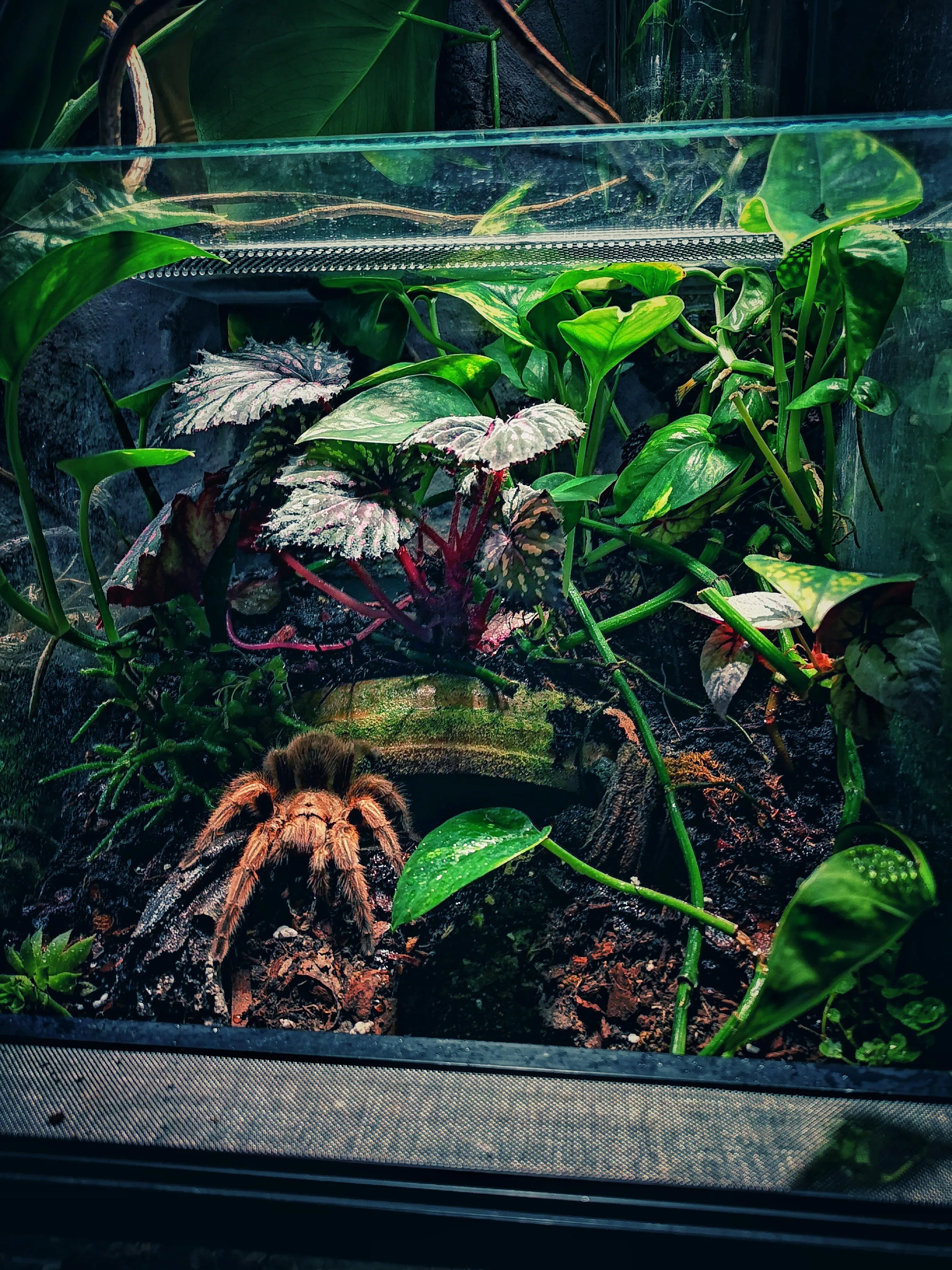
Rose Hair Tarantula Eating Habits
Understanding the eating habits of your rose hair tarantula is crucial for its health and well-being. These fascinating creatures, native to the deserts of South America, have specific dietary needs that, when met, ensure a long and fulfilling life in captivity. Unlike some pets that require constant feeding, rose hair tarantulas are relatively low-maintenance eaters. Their metabolism is slow, meaning they don’t need to eat as frequently as other animals. This, combined with their generally docile nature, makes them a popular choice for beginner tarantula keepers. However, it’s essential to learn about their food preferences, feeding frequency, and how to identify potential issues related to their diet. This comprehensive guide will help you navigate the ins and outs of rose hair tarantula eating habits.
What do Rose Hair Tarantulas Eat
Rose hair tarantulas are primarily insectivores, meaning their diet consists mainly of insects. In the wild, they’ll consume whatever insects they can catch, including crickets, beetles, and even small lizards. In captivity, the most common and readily available food sources are crickets and mealworms. However, it’s important to offer a variety of insects to ensure a balanced diet. The nutritional content of these insects can vary, so providing a mix is generally best for the tarantula’s overall health. Keep in mind that a varied diet also helps prevent the tarantula from becoming too accustomed to a single food source, which can sometimes lead to picky eating habits.
Types of Insects

A balanced diet for your rose hair tarantula includes a variety of insects. Crickets are a staple food and easy to find in pet stores, but it’s also good to offer other options. Mealworms are another common choice, though they have a higher fat content. Dubia roaches are a nutritionally rich option, but require a little more effort to source and keep. Other insects such as grasshoppers, superworms, and even small spiders can be included as occasional treats. It is important to avoid feeding your tarantula wild-caught insects, as these may carry parasites or pesticides that can be harmful. Always ensure the insects you feed are gut-loaded, meaning they are fed nutritious food before being offered to your tarantula, this makes them more nutritious.
Pre-killed vs. Live Prey
You have a choice when it comes to feeding your rose hair tarantula live or pre-killed prey. Live prey allows the tarantula to engage in its natural hunting behavior, which can be entertaining to watch. However, there are risks associated with live feeding. The insects could potentially injure your tarantula during the hunt, particularly if they’re large or the tarantula is molting. Pre-killed prey eliminates this risk. While some tarantulas may not immediately recognize pre-killed food as something to eat, you can often stimulate their interest by wiggling the prey with tongs. The choice depends on your personal preference and your tarantula’s individual habits.
How Often to Feed
The feeding frequency for a rose hair tarantula depends on several factors, including its size and age. As a general rule, juvenile tarantulas need to be fed more frequently than adults. Overfeeding can lead to health problems, so it is important to get this right. You can find this information online easily, but it is a good idea to consult a vet if you have any concerns about your rose hair tarantula’s diet or well-being.
Feeding Frequency by Size

Juvenile rose hair tarantulas, those under an inch in size, typically need to be fed two to three times a week. As they grow, their feeding frequency can be reduced. Sub-adults, which are tarantulas nearing adulthood, can be fed once a week or every ten days. Adult rose hair tarantulas can often be fed every one to two weeks. Always adjust the amount of food based on the tarantula’s appetite and how quickly it consumes its meals. A well-fed tarantula will have a plump abdomen, while a hungry one will appear thinner.
Feeding Frequency by Age
The age of your rose hair tarantula will also influence how often you should feed it. Younger tarantulas need more frequent feeding to support their rapid growth. As they mature, their metabolism slows, and they require less food. Adult tarantulas can go for extended periods without eating, especially if they’re preparing to molt. The key is to observe your tarantula and adjust the feeding schedule based on its behavior and overall condition. Some tarantulas will also refuse food when they are getting ready to molt. Never force feed a tarantula.
Signs of Overfeeding
Overfeeding a rose hair tarantula can be detrimental to its health. One of the most obvious signs of overfeeding is a very large, swollen abdomen. This can put stress on the tarantula’s internal organs. Another sign is a refusal to eat; if your tarantula consistently rejects food, it may be getting too much. If your tarantula appears sluggish or has trouble moving, it could also be a sign that it’s overfed. Regularly monitor the size and activity level of your tarantula and adjust the feeding schedule if you observe any of these signs.
How to Tell If Your Tarantula Is Hungry

Knowing when your rose hair tarantula is hungry is essential. A healthy tarantula usually has a good appetite and will readily eat when offered food. If your tarantula hasn’t eaten in a while, observe its behavior. It might become more active, especially at night when they tend to hunt in the wild. When hungry, a rose hair tarantula may also sit near the entrance of its burrow, waiting for prey. Keep track of when you last fed your tarantula and its behavior. If it consistently refuses food, it may be preparing to molt, so keep an eye on the enclosure and its actions.
Water and Hydration
Besides food, proper hydration is critical for your rose hair tarantula. They need access to fresh, clean water at all times. Provide a shallow water dish in their enclosure and make sure to refill it regularly, especially as the water can evaporate quickly in a dry environment. The size of the water dish should be appropriate for the tarantula’s size; smaller tarantulas might need a water dish with a cotton ball to prevent them from drowning. Regularly clean the water dish to prevent bacteria growth. Make sure the water is always available, as dehydration can be fatal to a tarantula.
Best Practices for Feeding
Here are some of the best practices to follow when feeding your rose hair tarantula. Choose insects that are appropriate in size for your tarantula, never offering prey that is larger than the tarantula’s body. If feeding live prey, always supervise the feeding process. Remove any uneaten prey within 24 hours to prevent it from stressing the tarantula. Make sure the insects you offer are gut-loaded, and the enclosure is clean and provides the right temperature and humidity. Regularly clean the enclosure, and avoid handling your tarantula shortly after feeding, as this can cause it to regurgitate its meal. Always wash your hands before and after handling or feeding your tarantula.
- Gut-load insects with nutritious food before feeding.
- Offer a variety of insect types to ensure a balanced diet.
- Supervise live feeding sessions to prevent injury.
- Remove uneaten prey within 24 hours to avoid stressing the tarantula.
- Provide a shallow water dish with fresh, clean water at all times.