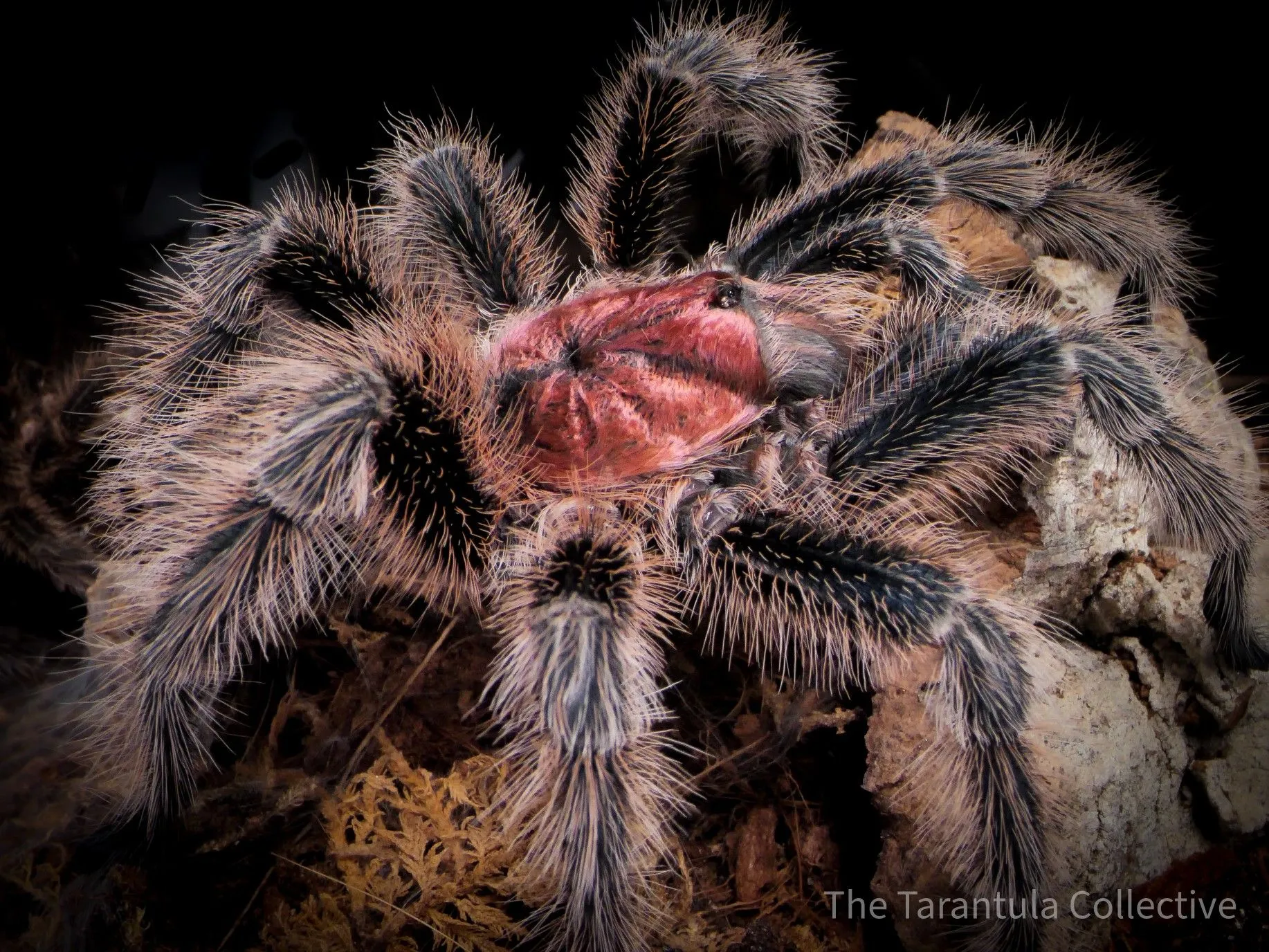
Choosing the Right Rose Hair Tarantula Habitat
Bringing a Rose Hair Tarantula into your home is an exciting step, and providing a suitable habitat is the first and most crucial aspect of their care. These fascinating creatures are relatively low-maintenance pets, but they still require a well-designed enclosure to thrive. Understanding their natural environment allows you to replicate the conditions they need to survive and flourish. This involves careful consideration of factors like tank size, substrate, and ventilation, all of which are essential for a healthy and happy tarantula. A well-prepared habitat will not only keep your pet safe but also allow you to observe its interesting behaviors and appreciate the beauty of this unique species. Proper housing sets the stage for all other aspects of care, ensuring your tarantula has a long and fulfilling life in your care.
Tank Size and Substrate Considerations
The size of the enclosure is a critical factor in your tarantula’s well-being. A good rule of thumb is to provide an enclosure that is at least three times the tarantula’s leg span in length and width. For a juvenile Rose Hair, a 5-gallon tank is often sufficient, while an adult will require a 10-gallon or larger tank. This allows enough space for movement, burrowing (if the tarantula chooses to do so), and maintaining a comfortable environment. The substrate, which is the material covering the bottom of the tank, plays a vital role in regulating humidity and providing a naturalistic environment. A mix of peat moss, vermiculite, and coconut fiber is ideal, as it retains moisture well while allowing for burrowing. Avoid using materials like sand, which can be difficult to maintain and may pose a risk to your tarantula. Ensure the substrate depth is sufficient for burrowing, usually 3-6 inches, depending on the size of your tarantula and its burrowing tendencies.
Proper Ventilation Importance

Ventilation is a key aspect often overlooked, but it’s essential for your tarantula’s health. Proper airflow prevents the buildup of harmful mold and bacteria, and helps to regulate humidity levels within the enclosure. Good ventilation can also prevent the development of stagnant air, which could lead to respiratory issues for your tarantula. Enclosures should have ventilation holes or a screen top to allow for air circulation. Avoid tightly sealed containers, as this can trap moisture and lead to an unhealthy environment. The placement of the ventilation is also important; consider placing vents on opposite sides of the enclosure to create a cross-breeze. This will ensure that air circulates throughout the entire space, helping to maintain a healthy and clean environment for your Rose Hair Tarantula.
Temperature and Humidity Requirements
Rose Hair Tarantulas are native to arid environments, and replicating their natural habitat is critical for their health. Maintaining the correct temperature and humidity levels is paramount to their well-being. These conditions affect their molting process, appetite, and overall activity levels. Incorrect settings can lead to a variety of health problems, including dehydration and difficulty molting, which can be fatal. Monitoring and adjusting these environmental factors is an ongoing responsibility, ensuring your tarantula thrives in a comfortable and safe environment. Regular checks and adjustments will help to keep your pet healthy and happy, and will allow you to enjoy your pet for years to come.
Ideal Temperature Range
The ideal temperature range for a Rose Hair Tarantula is typically between 75°F and 85°F (24°C and 29°C). This temperature range mimics the conditions of their natural environment and promotes healthy activity and feeding. In most homes, room temperature falls within this range, but you should still monitor the temperature using a thermometer. If the temperature drops below this range, you can use a low-wattage heat lamp or a heat pad placed on the side of the enclosure (never directly underneath) to provide supplemental heat. Be sure to monitor the temperature closely to avoid overheating the enclosure, which can be just as harmful as being too cold. Avoid direct sunlight, as it can overheat the tank and stress the tarantula. Regular temperature checks are a simple yet vital aspect of tarantula care, ensuring your pet remains comfortable and healthy.
Maintaining Humidity Levels

Humidity levels are equally crucial for the well-being of your Rose Hair Tarantula. These tarantulas thrive in a humidity range of 60-70%. This level helps with the molting process, and it ensures the tarantula stays properly hydrated. To maintain the correct humidity, you can mist the enclosure with dechlorinated water once or twice a week, depending on the substrate and ventilation. The substrate itself will also help to maintain humidity; the peat moss, vermiculite, and coconut fiber mix mentioned earlier are excellent at retaining moisture. You can also add a water dish (more on that later) to increase humidity levels. Monitor the humidity using a hygrometer, and adjust your misting schedule as needed to maintain the optimal range. Remember, too much humidity can lead to mold growth, so it’s important to strike the right balance.
Feeding Your Rose Hair Tarantula
Feeding your Rose Hair Tarantula is a relatively straightforward task, but it requires attention to detail. These tarantulas are opportunistic feeders, meaning they will eat when food is available. However, providing the right food and the right amount is crucial for their health and longevity. Overfeeding can lead to obesity and health problems, while underfeeding can lead to malnutrition. Understanding their dietary needs, food choices, and frequency guidelines will help you ensure your tarantula thrives in your care. The goal is to provide a balanced diet that supports their growth and keeps them active and healthy. Consistent feeding practices, adjusted for the size and age of your tarantula, are key to their well-being.
Appropriate Food Choices
The best food choices for a Rose Hair Tarantula are live insects. Crickets are a staple diet, but you can also offer mealworms, roaches, and other insects that are commercially available. Ensure the insects are gut-loaded before feeding them to your tarantula. Gut-loading involves feeding the insects a nutritious diet, such as fruits, vegetables, and commercial insect food, for a few days before offering them to your pet. This ensures your tarantula receives the necessary nutrients. Avoid feeding insects that have been exposed to pesticides or chemicals, and always remove uneaten insects within 24 hours to prevent them from stressing your tarantula. The size of the insect should be appropriate for the size of your tarantula, generally no larger than the tarantula’s abdomen.
Feeding Frequency Guidelines

The feeding frequency for a Rose Hair Tarantula depends on its age and size. Spiderlings and juveniles should be fed more frequently than adults, as they are actively growing. Young tarantulas can be fed two to three times a week, while adults can be fed once a week or every other week. Observe your tarantula’s behavior; if it consistently refuses food, it might be approaching a molt, or the feeding intervals may need adjustment. Do not worry if your tarantula refuses food for extended periods; adult tarantulas can go for weeks or even months without eating. Always remove any uneaten food within 24 hours. It’s also essential to have fresh water available at all times, regardless of feeding schedules. Provide a balanced diet and avoid overfeeding to keep your tarantula healthy.
Watering Your Tarantula
Providing fresh water is as important as feeding. Rose Hair Tarantulas need constant access to water to stay hydrated and healthy. Water is vital for their metabolism, molting process, and overall well-being. Dehydration can be a serious issue for tarantulas, so ensuring they have a constant source of fresh, clean water is crucial. The methods used to provide water are straightforward, but it is essential to get them right. Regularly checking and refilling the water source is a simple task that can make a significant difference in your tarantula’s health and happiness. Consistent hydration support all other aspects of care, ensuring your tarantula lives a long and healthy life.
Water Bowl Essentials
A shallow water bowl is a must-have for your Rose Hair Tarantula. The bowl should be shallow enough to prevent drowning, especially for smaller tarantulas. The water should always be fresh and clean; use dechlorinated water to avoid any harmful chemicals. Change the water at least twice a week, or more often if it becomes soiled or the tarantula defecates in it. You can also use a small sponge or cotton ball in the water bowl, especially for spiderlings, as it can provide a safer option and prevent them from accidentally falling in. Place the water bowl in a stable location in the enclosure where it will not be easily tipped over. This simple addition can make a huge difference in your pet’s overall health and hydration.
Cleaning and Maintenance for Your Tarantula

Maintaining a clean enclosure is vital for the health and well-being of your Rose Hair Tarantula. Regular cleaning helps to prevent the buildup of waste, mold, and bacteria, which can lead to health problems. Cleaning is not just about aesthetics; it’s essential for maintaining a healthy environment for your pet. Routine cleaning also helps you monitor your tarantula’s behavior and identify any potential health issues early on. By establishing a cleaning schedule and following proper procedures, you can ensure your tarantula lives in a safe and comfortable environment. Regular cleaning also offers the opportunity to examine the enclosure and make any needed adjustments to lighting, humidity, or temperature settings.
Routine Cleaning Procedures
The frequency of cleaning depends on the size of the enclosure and the tarantula’s habits, but a general guideline is to spot-clean the enclosure weekly and perform a full cleaning monthly. Spot-cleaning involves removing any uneaten food, fecal matter, and dead insects. Use a pair of tongs or a long-handled spoon to remove waste. For a full cleaning, remove the tarantula from the enclosure and place it in a secure container. Remove and discard the old substrate, and clean the enclosure thoroughly with warm water and a mild, unscented soap. Rinse well to remove any soap residue, then allow the enclosure to dry completely before adding fresh substrate. When returning the tarantula to its enclosure, make sure all the environmental settings are correct.
Handling and Interaction Guidelines
While Rose Hair Tarantulas are fascinating creatures, they are not generally meant for handling. They are not social animals and can become stressed when handled. Although their venom is not considered highly toxic to humans, their bite can still be painful. It’s always important to prioritize your tarantula’s well-being and safety. Learning how to interact with your pet in a safe and respectful manner ensures both your and the tarantula’s comfort and prevents unnecessary stress for the animal. This respect leads to a more rewarding experience for the owner and contributes to the tarantula’s overall well-being. Understanding their behavior and knowing when to avoid interaction is crucial for a positive relationship with your pet.
When to Handle Your Tarantula

Generally, it’s best to avoid handling your Rose Hair Tarantula unless absolutely necessary, such as when you need to move it for cleaning or medical reasons. Even then, proceed with caution. If you must handle your tarantula, do so with the utmost care and be aware of your surroundings. Handle your tarantula over a soft surface, such as a bed or a carpet, in case it falls. Gently encourage the tarantula to walk onto your hand rather than picking it up. Never squeeze or put pressure on the tarantula’s body. Observe the tarantula’s behavior; if it appears stressed, defensive, or agitated, gently place it back in its enclosure. Wash your hands thoroughly before and after handling to avoid transferring any substances or germs, and always respect your tarantula’s boundaries for a positive and safe experience for both of you.