Understanding Your Rose Tarantula
The Rose Hair Tarantula, scientifically known as Grammostola rosea, is a popular choice for beginner tarantula keepers due to its docile temperament and relatively easy care requirements. Originating from the arid regions of South America, these captivating creatures offer a fascinating glimpse into the world of arachnids. Understanding their needs is the first step toward providing a happy and healthy environment for your new pet. This guide offers essential rose tarantula care tips, covering everything from habitat setup to feeding and handling. By following these guidelines, you can ensure your rose tarantula thrives in its new home and provides years of enjoyment. Proper care not only extends their lifespan but also allows you to observe their unique behaviors and appreciate their delicate beauty.
Origins and Natural Habitat
Rose Hair Tarantulas are native to the dry scrublands and deserts of Chile, Bolivia, and Argentina. In their natural habitat, they burrow underground or seek shelter under rocks and logs to escape the harsh sun and predators. The environment they inhabit is characterized by low humidity and moderate temperatures. Replicating these conditions in captivity is crucial for their well-being. The more closely you can mimic their natural environment, the better your chances of providing a stress-free life for your pet. This includes understanding their need for a dry, well-ventilated enclosure and a temperature range that closely matches their native climate.
Appearance and Characteristics

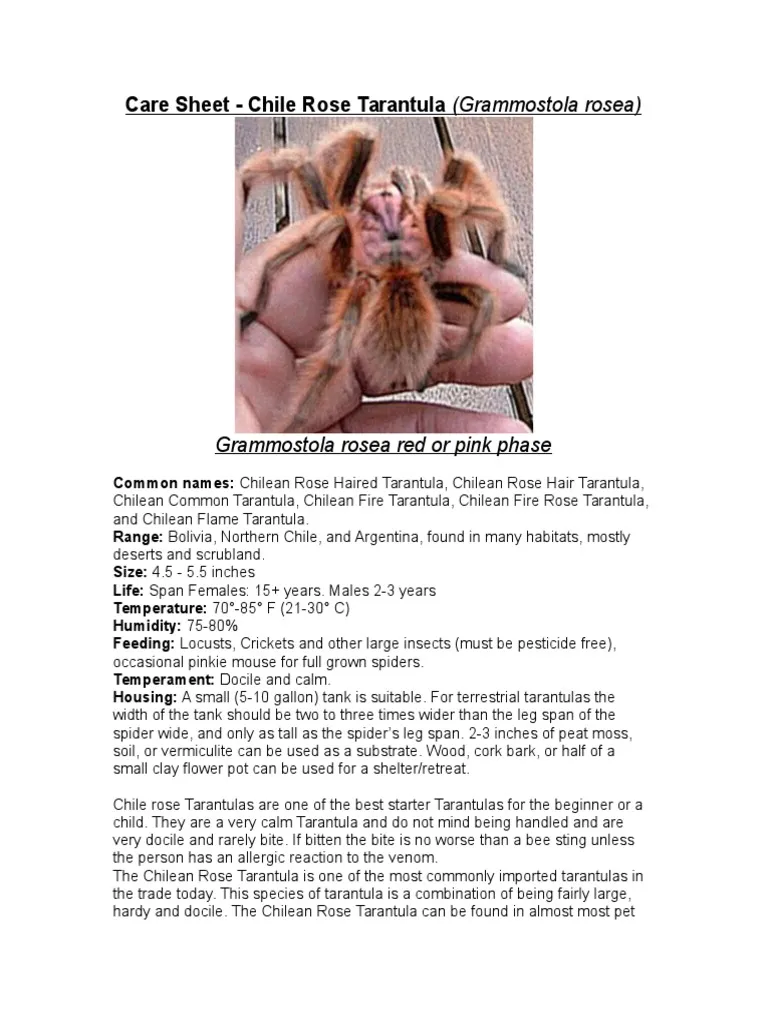
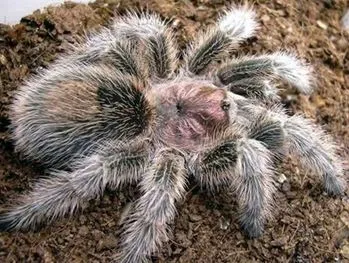
Rose Hair Tarantulas are named for the rose-tinted hairs that cover their bodies, giving them a distinctive appearance. Their coloration can vary from light brown to dark chocolate, with the hairs often appearing pink or red in certain lighting. They are relatively large spiders, with females reaching up to 6 inches in leg span, while males tend to be slightly smaller. These tarantulas are known for their gentle nature, making them an ideal choice for those new to tarantula ownership. Regular observations can reveal interesting behavioral patterns. They are also known to be relatively long-lived, with females often living for over 20 years with proper care.
Creating the Perfect Rose Tarantula Enclosure
Setting up the right enclosure is fundamental to rose tarantula care. A well-designed habitat provides a safe, comfortable, and enriching environment for your pet. It’s essential to create a space that mimics their natural habitat. This involves careful consideration of the tank size, substrate, temperature, and humidity. Failure to provide the correct environment can lead to stress, health issues, and a shortened lifespan. Investing time in proper setup from the start can significantly enhance your tarantula’s quality of life. A properly established habitat also makes it easier for you to observe and interact with your pet without causing unnecessary disturbance.
Choosing the Right Tank
The size of the enclosure is crucial. For a juvenile Rose Hair Tarantula, a 5-10 gallon tank is sufficient. As they grow, you’ll need to upgrade. An adult tarantula will thrive in a 10-20 gallon tank or larger. The tank should be wider than it is tall, as these tarantulas are terrestrial and prefer horizontal space. Ensure the enclosure has a secure lid to prevent escapes. Glass or clear plastic enclosures are both suitable. The choice depends on your personal preference and the availability of the right sizes.
Substrate Selection

The substrate should mimic the tarantula’s natural environment. A mix of coconut fiber (also known as coco coir), peat moss, and a bit of vermiculite is ideal. This combination retains moisture while allowing for good ventilation. The substrate should be deep enough (4-6 inches) to allow the tarantula to burrow. Avoid using substrates that are treated with chemicals or are dusty. Ensure the substrate is kept slightly moist, but not wet, to maintain proper humidity levels. Regular spot cleaning to remove waste and leftover food will also keep the enclosure clean and healthy. See image: rose tarantula substrate
Decorating the Enclosure
Provide a few essential decorations to enrich your tarantula’s environment. A hide, such as a cork bark or a half-log, gives your tarantula a secure place to retreat and feel safe. Place the hide on the substrate to encourage burrowing. Add a shallow water dish that is always filled with fresh, clean water. You can also include artificial plants for aesthetic appeal and to provide additional hiding spots. Avoid sharp objects or anything that could potentially harm your tarantula. The key is to create an environment that allows your pet to feel secure and offers opportunities for natural behaviors.
Temperature and Humidity
Rose Hair Tarantulas thrive in temperatures between 70-80°F (21-27°C). A heat lamp or mat can be used to maintain the correct temperature if necessary, but be cautious not to overheat the enclosure. Humidity levels should be kept relatively low, around 60-70%. Adequate ventilation is essential to prevent the buildup of moisture, which can lead to mold and health problems. You can monitor humidity levels with a hygrometer. Misting the enclosure lightly once or twice a week, or when the substrate becomes too dry, is usually sufficient to maintain the desired humidity. Proper temperature and humidity levels are key factors in successful rose tarantula care.
Feeding Your Rose Tarantula

Proper nutrition is vital for the health and well-being of your Rose Hair Tarantula. These spiders are opportunistic feeders, primarily consuming insects in the wild. Providing a balanced diet of appropriate food items will ensure your tarantula receives the necessary nutrients to thrive. Overfeeding should be avoided, as it can lead to health problems. The frequency and type of food should be tailored to the tarantula’s age and size. Always remove any uneaten food to prevent mold and mites from developing in the enclosure. See image: rose tarantula feeding
What to Feed
The main diet for Rose Hair Tarantulas consists of insects. Good options include crickets, mealworms, dubia roaches, and superworms. The size of the food items should correspond to the size of the tarantula; the prey should be no larger than the spider’s body. It’s best to feed a variety of insects to ensure a balanced diet. You can also occasionally offer pre-killed insects if you are uncomfortable with live feeding. Always gut-load the insects (feeding them nutritious food) before offering them to your tarantula, to provide added nutritional value. This practice ensures the insects are packed with vitamins and minerals, which are then passed onto your tarantula.
Feeding Frequency
The feeding frequency will vary depending on the tarantula’s age and size. Spiderlings (young tarantulas) should be fed 2-3 times per week. Sub-adults can be fed once or twice a week. Adult tarantulas only need to be fed once every 1-2 weeks, and sometimes even less frequently. Adjust the feeding schedule based on your tarantula’s appetite and overall health. A tarantula that refuses to eat may be in premolt (getting ready to shed) or could be experiencing stress. Remove any uneaten food after 24 hours to maintain a clean and healthy environment. Overfeeding can lead to obesity, while underfeeding can hinder growth and development.
Watering Your Tarantula
Fresh water is essential for Rose Hair Tarantulas. Provide a shallow water dish in the enclosure that is always filled with clean water. The dish should be shallow enough that the tarantula can easily access it. Avoid using deep dishes, which could pose a drowning hazard, particularly for smaller tarantulas. The water should be changed regularly, at least once a week, to prevent the growth of bacteria and algae. In addition to the water dish, you can lightly mist the enclosure occasionally to maintain the proper humidity levels. Proper hydration is critical for a tarantula’s health and the shedding process. See image: rose tarantula drinking
Handling and Interaction
While Rose Hair Tarantulas are generally docile, handling them should be approached with caution. They are not pets that enjoy being held, and handling can stress them. However, there are circumstances when you may need to handle your tarantula. If you do decide to handle your tarantula, do so carefully and understand the risks. The main goal is to keep both you and your tarantula safe and stress-free. Always wash your hands before and after handling to avoid transferring any substances that might harm your spider.
Safe Handling Practices
If you choose to handle your Rose Hair Tarantula, do so with care. The best approach is to gently coax the tarantula onto your open palm. Avoid grabbing or squeezing the tarantula, as this can stress it and potentially cause it to bite. Always handle your tarantula close to the ground or a soft surface, in case it falls. Be mindful of the tarantula’s movements and body language. Never handle a tarantula if you are tired, distracted, or have just consumed alcohol or other substances that could affect your coordination. Ensure that children are supervised and taught the proper techniques before interacting with the tarantula. Remember that the tarantula’s well-being should always be your priority.
Recognizing Stress Signals

Tarantulas exhibit specific behaviors that indicate they are stressed or feel threatened. These behaviors include raising their front legs, flicking hairs (urticating hairs), or biting. If your tarantula displays any of these behaviors, it’s best to leave it alone and allow it to calm down. Rapid movements or loud noises can also stress tarantulas, so approach them calmly and slowly. Understanding these signals can help you avoid unnecessary stress for your pet and ensure your safety. If your tarantula seems persistently stressed, reassess the environment and handling practices to identify the cause of the issue.
Health and Common Issues
Rose Hair Tarantulas, like all animals, can experience health problems. Understanding common issues and how to address them is an essential part of responsible rose tarantula care. Regular observation and a proactive approach to health can significantly improve your tarantula’s quality of life. By recognizing the signs of illness and knowing when to seek expert advice, you can help your pet live a long and healthy life.
Shedding and Molting
Shedding, or molting, is a natural process in which the tarantula sheds its exoskeleton to allow for growth. Young tarantulas molt more frequently than adults. Before molting, the tarantula may become less active and refuse to eat. The abdomen will appear darker, and the tarantula may lie on its back. Do not disturb the tarantula during the molting process. Provide extra humidity during molting. Once the molt is complete, the tarantula will be vulnerable, and it may take several days for its new exoskeleton to harden. Feeding should be delayed until the tarantula’s fangs have hardened, usually about a week after the molt is complete. See image: rose tarantula shedding
Identifying and Addressing Health Problems

Common health problems include mites, parasites, and fungal infections. Mites can infest the tarantula and the enclosure and should be treated immediately. Parasites can be introduced through live prey, and fungal infections can result from overly humid conditions. Symptoms of illness include loss of appetite, lethargy, and unusual behaviors. If you suspect your tarantula is ill, isolate it and consult a veterinarian or experienced tarantula keeper for advice. Maintain a clean environment and provide proper care to minimize the risk of health issues. Early detection and treatment are crucial for the tarantula’s recovery and well-being.
Rose Tarantula Behavior
Rose Hair Tarantulas display a range of fascinating behaviors, from burrowing and hiding to foraging and interacting with their environment. Observing your tarantula’s behavior provides valuable insights into its needs and overall well-being. Understanding these behaviors allows you to create a more enriching environment and interpret your pet’s actions. Behavior varies from individual to individual, and what may be normal for one tarantula may not be for another. Regular observation will help you understand what is normal for your pet and when to be concerned.
Understanding Defensive Behaviors
When feeling threatened, Rose Hair Tarantulas may exhibit defensive behaviors. One such behavior is flicking their urticating hairs from their abdomen. These hairs can cause irritation and itchiness upon contact with skin or eyes. They may also raise their front legs in a defensive posture, indicating they feel threatened. The tarantula might also attempt to bite, although this is rare, as it is a last resort. Understanding these defensive behaviors allows you to avoid actions that might trigger them. Always handle your tarantula with care and respect, and provide a secure and comfortable environment where they feel safe.
Long-Term Care and Commitment
Owning a Rose Hair Tarantula is a long-term commitment. These spiders can live for over 20 years, so it is important to be prepared to provide consistent care throughout their lifespan. This includes maintaining a suitable habitat, providing a nutritious diet, and monitoring your tarantula’s health. Consider your lifestyle and your ability to provide ongoing care before acquiring a tarantula. By understanding the long-term commitment, you can ensure that your tarantula enjoys a long, healthy, and fulfilling life. Your dedication to proper rose tarantula care will be rewarded with a fascinating and rewarding pet.