What is a Spider Tarantula Hawk
The spider tarantula hawk is a remarkable and intimidating insect, a species of large, solitary wasps belonging to the family Pompilidae. Known for their painful sting, these wasps are primarily found in arid environments across the globe. They are renowned for their unique hunting behavior, specifically targeting tarantula spiders as their primary prey. The tarantula hawk is a true testament to the diverse and often surprising behaviors found within the insect world. Their existence highlights the intricate relationships between predator and prey within ecosystems, showcasing nature’s complex strategies for survival and reproduction. These fascinating creatures provide a valuable look into the world of entomology and offer valuable insight into the complex relationships that sustain life in our planet.
Appearance and Identification
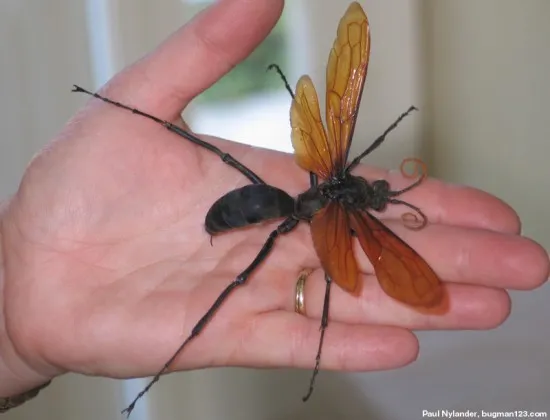
Identifying a tarantula hawk is relatively straightforward due to their size and distinctive appearance. These wasps are typically quite large, often measuring between 1 to 2 inches in length. Their bodies are characterized by a striking metallic blue-black or black color, complemented by vibrant, rust-colored wings. This combination of colors makes them easily recognizable in their natural habitats. Accurate identification is essential for both enthusiasts and those who may encounter them in their environments, as it helps differentiate them from other wasp species.
Size and Physical Characteristics

The impressive size of tarantula hawks is one of their most defining features. They are among the largest wasps in the world, with some individuals reaching up to 2 inches in length. Their robust build and powerful legs are adaptations for their hunting lifestyle. These physical attributes are crucial for their success in subduing and transporting their prey, the tarantula spiders. The size also contributes to their formidable presence, making them easily noticeable in their arid and semi-arid habitats.
Color Variations
While the most common color combination of tarantula hawks is a metallic blue-black body with rust-colored wings, variations can occur. Some species may have bodies that appear black or dark brown, while others may exhibit a more iridescent sheen. Wing colors can also vary slightly, ranging from shades of red to orange or brown. These color variations depend on species and geographic location, but the overall appearance remains distinctive enough for easy identification.
Habitat and Distribution
Tarantula hawks thrive in warm, arid environments. Their geographic distribution spans across the Americas, with various species found in the southwestern United States, Mexico, and South America. They are well-adapted to desert and semi-desert habitats, where they can find their primary food source, tarantula spiders. Understanding their habitat preferences is essential for appreciating their role in their ecosystems and for conservation efforts.
Geographic Range

The geographic range of tarantula hawks is primarily in the Americas, including the southwestern United States, Mexico, and various parts of South America. Different species have adapted to specific regional climates, influencing their distribution. They are not typically found in colder climates, as their survival depends on the warmth of their habitats and the availability of their prey.
Preferred Habitats
Tarantula hawks prefer arid and semi-arid habitats, such as deserts, grasslands, and scrublands. These environments provide both the warm temperatures they need and the presence of tarantulas. They often build their nests in sandy or loamy soils, and their hunting behavior is closely tied to the locations where tarantulas are commonly found, such as under rocks or in burrows. The ability to thrive in harsh conditions is one of their most fascinating adaptations.
Behavior and Lifestyle
The behavior of the spider tarantula hawk is particularly captivating, especially its hunting and nesting behavior. They are solitary wasps, and the female is responsible for all aspects of reproduction and prey acquisition. Understanding their lifestyle provides insights into their ecological roles and the delicate balance within their habitats. Their ability to locate, paralyze, and utilize tarantulas as nurseries is a unique survival strategy.
Hunting and Feeding Habits

Tarantula hawks are renowned for their predatory behavior, specifically targeting tarantula spiders. The female wasp actively seeks out these spiders, which are typically found in burrows or under rocks. The wasp will engage the spider in a fight, using its sting to paralyze it. The paralyzed spider is then dragged back to a burrow where the wasp will lay a single egg on the spider’s abdomen. This fascinating process highlights the tarantula hawk’s crucial role within its ecosystem, a true predator-prey relationship.
The Tarantula Hawk’s Prey
The primary prey of the tarantula hawk is, as the name suggests, tarantula spiders. These large spiders provide a substantial host for the wasp’s larvae. The size of the tarantula hawk’s prey necessitates specialized hunting techniques and a high degree of risk. The female wasps are well-adapted to handling these spiders and have a very high success rate. This specialization is a key aspect of their lifestyle.
The Stinging Process
The sting of the tarantula hawk is among the most painful of any insect. The wasp stings the tarantula to paralyze it, which ensures that the spider remains alive but immobile. The paralyzation allows the wasp to safely transport the spider to its burrow and lay an egg. The venom injected through the sting is specifically designed to incapacitate the spider, ensuring the larva has a live host. The sting is known to be incredibly painful, however, it is not typically life-threatening to humans.
Life Cycle

The life cycle of the tarantula hawk is a fascinating process that highlights the wasp’s role in its ecosystem. It is a complete metamorphosis, with distinct egg, larval, pupal, and adult stages. Each stage is closely tied to the tarantula spider, demonstrating a remarkable interdependency. This well-defined life cycle exemplifies the unique adaptations and survival strategies of this fascinating species.
Egg and Larval Stages
After paralyzing a tarantula, the female tarantula hawk lays a single egg on the spider’s abdomen. This egg hatches into a larva, which begins to feed on the still-living spider. The larva consumes the spider from the outside in, ensuring that the spider remains fresh for as long as possible. This parasitic phase is essential for the larva’s development and survival. The larva is responsible for growing and storing energy for the subsequent stage.
Pupation and Metamorphosis
Once the larva has consumed the tarantula, it pupates within the spider’s burrow. During this stage, it undergoes a complete metamorphosis, transforming into an adult tarantula hawk. The pupal stage is a time of significant change, where the larval body is reorganized into the adult form. This process takes several weeks, after which the adult wasp emerges from the burrow and begins its own life cycle.
Sting and Venom

The sting of a tarantula hawk is infamously painful, often ranked as one of the most painful insect stings. The venom contains a complex mixture of compounds designed to incapacitate its prey. While extremely painful, the sting is not typically life-threatening to humans, though it can be a very unpleasant experience. Understanding the effects of the sting is important for safety and awareness.
Effects of the Sting
The effects of a tarantula hawk sting include immediate, intense pain, described as excruciating. The pain is followed by a period of paralysis, and the area around the sting may swell and redden. The pain typically lasts for several minutes but can persist for up to an hour. Although the sting is extremely painful, it is not generally considered medically dangerous, unless the individual is allergic or suffers multiple stings. The intense nature of the pain makes it memorable and worthy of respect.
First Aid and Treatment
If stung by a tarantula hawk, the first step is to remain calm and move away from the area. The initial treatment involves applying ice packs to reduce swelling and alleviate pain. Over-the-counter pain relievers can help to manage the discomfort. While medical attention is usually not required, individuals who experience severe allergic reactions or multiple stings should seek medical care. The primary goal of first aid is to manage pain and prevent complications.
Conservation Status and Threats

While tarantula hawks are not currently considered endangered, they face potential threats due to habitat loss and pesticide use. Understanding their conservation status is essential for protecting these fascinating insects and their role in their ecosystems. Conservation efforts should focus on habitat preservation and responsible pest management practices.
Predators and Natural Enemies
Tarantula hawks have relatively few predators due to their potent sting. Birds and larger reptiles occasionally prey on them, but their main defense mechanism is their painful sting. Their natural enemies are generally limited, but their survival depends on maintaining a safe environment. This lack of significant predation allows them to thrive in their preferred habitats.
Human Interaction and Impact
Human interaction with tarantula hawks is relatively low, but their presence can impact human activities in certain areas. While they are not aggressive towards humans, their sting can be a significant concern if encountered. Educating the public about their behavior and avoiding them is essential. Promoting responsible land use and minimizing pesticide use will benefit both these insects and overall ecosystem health.
Interesting Facts
The spider tarantula hawk offers several interesting facts that highlight their uniqueness. They are known for their long lifespan, with some individuals living for several years. They have an incredibly low mortality rate due to the defense mechanism. The female wasps have a remarkable ability to locate and hunt tarantulas. They have a crucial role in controlling tarantula populations. Their survival and the unique behaviors make them a captivating subject of study for entomologists and nature enthusiasts.
In conclusion, the spider tarantula hawk stands as a remarkable example of adaptation and survival in nature. Their specialized hunting behavior, potent sting, and complex life cycle make them fascinating creatures. By understanding their role in their ecosystems and the challenges they face, we can better appreciate and protect these incredible insects for generations to come.