Sydney Funnel-Web Spider: Introduction
The world of arachnids is filled with fascinating creatures, and two of the most intriguing are the Sydney funnel-web spider and the tarantula. Both spiders are known for their size, and in some cases, their potent venom. However, they belong to different families and exhibit distinct characteristics. This article aims to unravel the key differences between the Sydney funnel-web spider and the tarantula, providing you with five essential facts to better understand these incredible arachnids. Knowing the differences will help you appreciate their unique features, habitats, and the roles they play in their respective ecosystems. This information is crucial for anyone interested in spiders, venomous creatures, or simply expanding their knowledge of the natural world.
What is a Sydney Funnel-Web Spider?
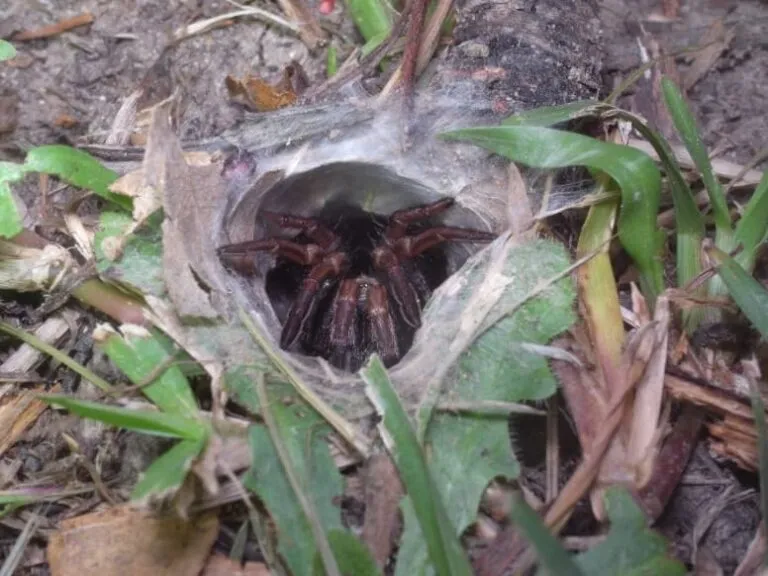
The Sydney funnel-web spider (Atrax robustus) is a highly venomous spider native to Australia, specifically the Sydney region and surrounding areas. Known for its aggressive nature and potent venom, this spider is feared and respected. These spiders are ground-dwelling creatures, often found in moist, sheltered habitats, such as under rocks, in logs, and in burrows. They are characterized by their large fangs, which can pierce through human skin, and their dark coloration, which helps them blend into their surroundings. The male Sydney funnel-web spiders are particularly dangerous, as they possess a more potent venom than the females. Their presence often triggers serious reactions and has led to the development of antivenom, greatly reducing the number of fatalities.
Habitat and Distribution

Sydney funnel-web spiders have a very specific habitat, mostly in the Eastern coast of Australia. They thrive in humid environments, and are often found near rainforests and in urban gardens with adequate ground cover. Their burrows are typically lined with silk and can extend several inches underground. The distribution of the Sydney funnel-web spider is relatively limited, which is primarily confined to a small radius around Sydney. This limited range is crucial for conservation efforts and public health initiatives. Understanding their habitat and distribution helps people avoid encounters, and it also enables scientists to monitor their populations and address any potential threats to their survival. It is important for the public to be aware of the spider’s presence to ensure their safety.
Identifying Features
Identifying the Sydney funnel-web spider involves observing several key physical characteristics. These spiders are typically dark in color, ranging from black to shades of brown. Their bodies are robust, and they have a distinctive glossy carapace (the top of their head). One of the most identifiable features is their large, prominent fangs, which are significantly larger than those of most other spiders. These spiders also have spinnerets at the end of their abdomen, which they use to produce silk. Males and females also exhibit different physical traits, with males generally having longer legs and a smaller body size. Being able to differentiate these spiders from other arachnids is important for safety reasons, enabling people to quickly identify and avoid potential threats in areas where these spiders are known to exist.
Venom and Danger
The venom of the Sydney funnel-web spider is exceptionally dangerous, containing a complex cocktail of toxins that can cause severe health complications in humans. The most critical component of the venom is robustoxin, a potent neurotoxin that affects the nervous system. When bitten, symptoms can include muscle spasms, difficulty breathing, and even death if left untreated. What makes the Sydney funnel-web spider particularly dangerous is its aggressive nature, as it is likely to bite when disturbed. Fortunately, an antivenom has been developed and is highly effective in treating bites. However, prompt medical attention is essential. The potential danger of these spiders reinforces the importance of education, vigilance, and appropriate precautions in areas where they are found. Venom potency also varies, with males usually having more toxic venom.
What is a Tarantula?

Tarantulas are large, hairy spiders belonging to the Theraphosidae family. They are found in various habitats worldwide, including deserts, rainforests, and grasslands. Unlike the Sydney funnel-web spider, tarantulas are not typically aggressive and are generally less dangerous to humans. Tarantulas are known for their size, with some species having a leg span of over 10 inches. They use their fangs to inject venom into their prey, which consists primarily of insects, but some species may also consume small vertebrates. Many people keep tarantulas as pets, and they are often appreciated for their docile temperament and unique appearance. While their bites can be painful, the venom of most tarantula species is not considered life-threatening to humans. They are fascinating creatures that play a vital role in their ecosystems, with their presence contributing to the balance of their environments.
Key Differences Between Sydney Funnel-Web Spiders and Tarantulas
While both the Sydney funnel-web spider and tarantula are arachnids, they have many differences. The Sydney funnel-web spider is a member of the Atracidae family, which is endemic to Australia and its surrounding islands, while tarantulas belong to the Theraphosidae family, found globally in different environments. These spiders differ significantly in their behavior and the level of danger they pose to humans. The Sydney funnel-web spider is aggressive and highly venomous, whereas tarantulas are generally less aggressive, and their venom is less potent. Also, their hunting strategies differ, and their habitats vary extensively. These distinctions underscore the wide diversity within the spider world and explain why these two spiders are classified distinctly.
Size and Appearance
Size and appearance are critical aspects that differentiate the Sydney funnel-web spider from the tarantula. The Sydney funnel-web spider is medium-sized, with a body length of about 1 to 5 centimeters. They are usually dark in color and have a shiny carapace. In contrast, tarantulas are among the largest spiders in the world, with some species having a leg span of up to 30 centimeters. They are typically hairy and come in a range of colors, including brown, black, and even vibrant hues. The overall body shape and the presence or absence of hair are critical visual clues in their identification. These physical differences immediately set them apart and assist in quickly classifying these arachnids. Observing their physical attributes helps in understanding their place in the arachnid family.
Web Structure and Hunting Strategies

The web structure and hunting strategies further distinguish these two spiders. The Sydney funnel-web spider builds a funnel-shaped web, usually in burrows or sheltered locations. These webs have silk trip lines designed to detect vibrations from potential prey, which is essential for their survival. The spider then ambushes its victims. Conversely, tarantulas do not use elaborate webs to capture prey. They are primarily ambush predators, waiting in burrows or hiding spots to pounce on insects, small animals, or any creature that comes within reach. Understanding the type of web and hunting methods highlights how different the two spiders have adapted to catch food and thrive in different environments. The hunting styles and webs also provide insights into the spiders’ evolutionary paths.
Venom Composition and Effects
The venom composition and effects provide significant clues to the differences between these arachnids. The Sydney funnel-web spider’s venom is highly complex, containing potent neurotoxins that can cause severe reactions in humans, potentially leading to paralysis or death. The primary effect of the venom is to disrupt the nervous system. In contrast, tarantula venom is generally less toxic to humans, often producing localized pain and swelling similar to a bee sting. The venom’s composition in tarantulas is primarily used to immobilize their prey, not to defend against larger animals. The variance in venom potency demonstrates the varying levels of risk and the defensive adaptations that both species have developed. The venom’s effects underscore the importance of caution and prompt medical attention when dealing with the Sydney funnel-web spider.
Top 5 Facts Sydney Funnel-Web Spider or Tarantula
Fact 1 The Arachnid Family Tree

Sydney funnel-web spiders belong to the Atracidae family, and tarantulas are part of the Theraphosidae family. This distinction highlights their unique evolutionary paths and physical adaptations. The classification shows how they have diverged to fit into different ecosystems. The spiders’ genetic makeup also dictates their behavior and appearance, including venom composition and the type of webs they build. The family classification helps to organize and study them, highlighting their relationships within the broader arachnid family.
Fact 2 Geographic Location
The Sydney funnel-web spider is endemic to a very specific area of Australia, primarily in the Sydney region. In comparison, tarantulas have a broad geographic distribution across the globe. This includes the Americas, Africa, Asia, and parts of Europe. The differing geographic locations influence the environmental conditions that these spiders have adapted to and the types of prey they hunt. The geographic differences also impact conservation efforts and how the public interacts with these species.
Fact 3 Physical Characteristics
The Sydney funnel-web spider is medium-sized, with a dark body and large fangs. On the other hand, tarantulas are much bigger, with many species having hairy bodies. This stark difference in size, shape, and coloring contributes to easy visual identification. The Sydney funnel-web spider’s fangs are large, and their bodies are more compact. These features reflect how each spider has adapted to their environments and hunting techniques. Physical traits are critical for quickly identifying and understanding the spider, especially in potentially dangerous situations.
Fact 4 Venom Potency
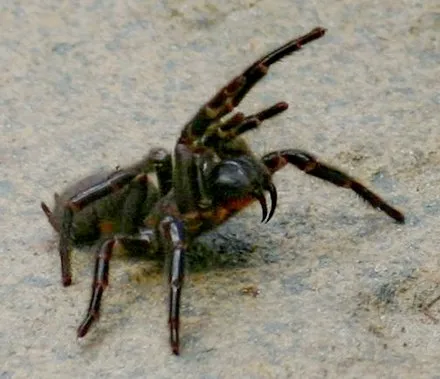
The venom of the Sydney funnel-web spider is incredibly potent, capable of causing severe reactions in humans. Tarantulas, however, generally have venom that is less harmful to humans, which mainly causes local pain. The type and quantity of toxins in the venom play a vital role in the effects caused after a bite. The varying degrees of toxicity show how these spiders use their venom to immobilize prey. The toxicity levels are also a determining factor for the types of medical treatments needed when someone has been bitten.
Fact 5 Behavior and Habitat
The Sydney funnel-web spider is usually aggressive, with a propensity to bite when threatened. They live in burrows and are ground-dwelling. Tarantulas are often more docile and can be found in various habitats, including deserts and rainforests. These behavioral and habitat differences reveal the differences in how they interact with their environment and other creatures. The different hunting styles of spiders also add to the diverse characteristics between the species.
Sydney Funnel-Web Spider or Tarantula Conclusion
In conclusion, the Sydney funnel-web spider and the tarantula are distinctly different arachnids, despite being spiders. The Sydney funnel-web spider is native to a specific area in Australia, and the tarantula has a global distribution. They exhibit a wide range of behaviors and venom compositions, and the funnel-web spider is more dangerous to humans. By knowing the key differences, you can appreciate these arachnids and approach them with respect. Whether you are fascinated by the aggressive Sydney funnel-web spider or the often gentle tarantula, there is much to admire about the amazing world of spiders.