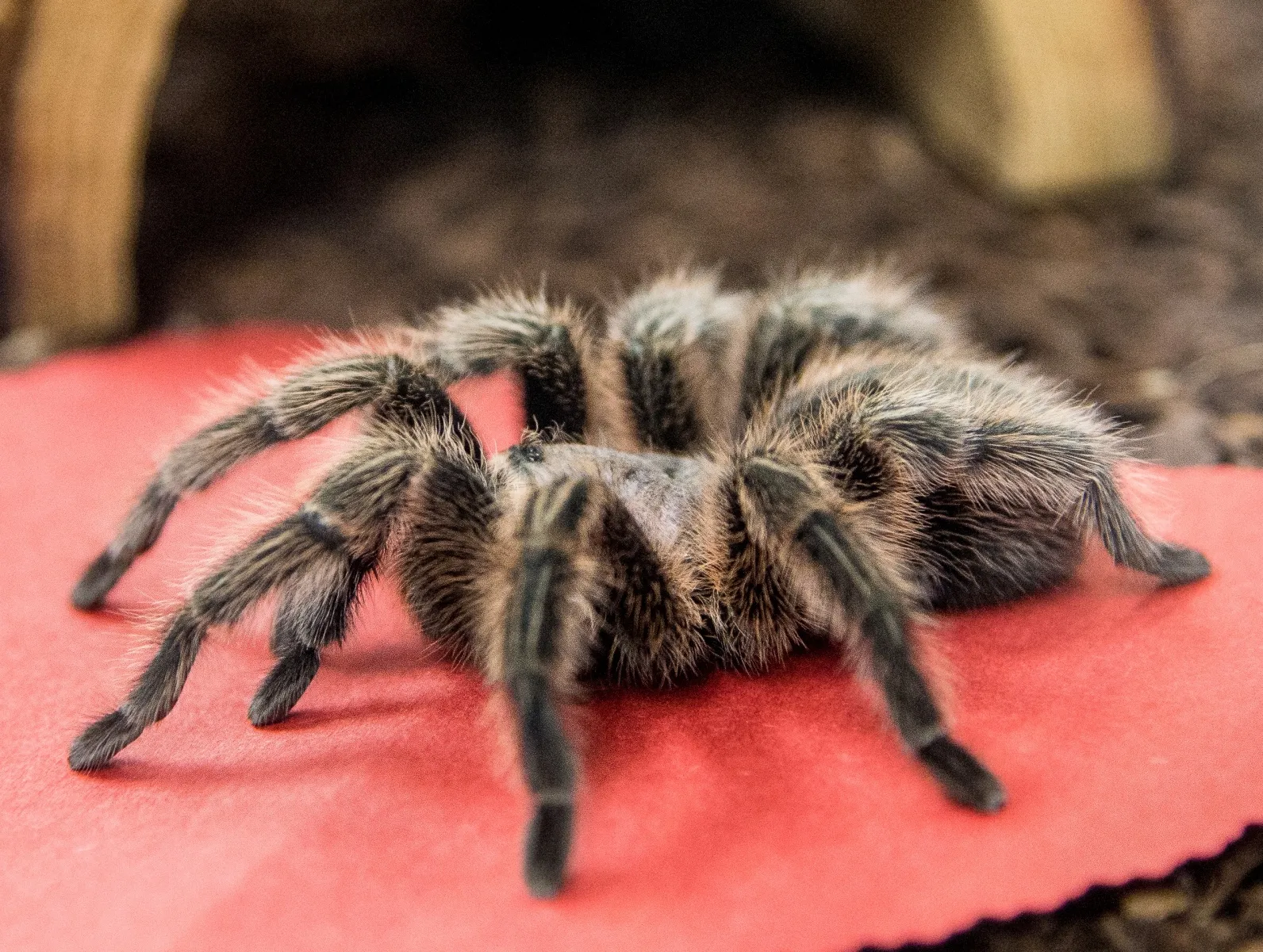
Taming a tarantula is a rewarding experience, but it requires patience, understanding, and respect for these fascinating creatures. Contrary to popular belief, tarantulas are not naturally aggressive and, with the right approach, can become accustomed to human presence. This ultimate guide provides a comprehensive overview of how to tame a tarantula, covering everything from understanding their behavior to advanced handling techniques. Whether you are a novice or an experienced tarantula keeper, this guide will equip you with the knowledge and skills to build a positive relationship with your spider companion. Remember, the goal is not to force interaction but to create a safe and stress-free environment that allows your tarantula to become comfortable with you.
Understanding Tarantula Behavior
Before attempting to tame a tarantula, it’s crucial to understand their behavior. Tarantulas are primarily defensive creatures; their first instinct is to flee rather than attack. Understanding their natural tendencies will help you avoid causing stress and build a foundation of trust. Observing their actions, recognizing their communication signals, and responding appropriately will make the taming process much easier and safer for both you and your tarantula. By learning about their habits and motivations, you can create a handling experience that minimizes stress and maximizes the chance of a successful interaction. This knowledge is the bedrock of any successful taming endeavor.
Why Tarantulas Act Scared
Tarantulas often exhibit fearful behavior due to their inherent nature as prey animals. They are programmed to be cautious and sensitive to movement and vibrations. Sudden movements, loud noises, or perceived threats can trigger a defensive response, such as raising their front legs, flicking urticating hairs, or even attempting to bite. The goal of taming is to gradually desensitize your tarantula to these triggers, showing them that you pose no threat. This is achieved through slow, deliberate movements, gentle communication, and creating a consistent, safe environment where they feel secure.
Tarantula’s Natural Defenses

Tarantulas have several defense mechanisms. Urticating hairs are microscopic barbs on their abdomen that they can flick at potential threats. These hairs cause intense itching and irritation. Tarantulas also have fangs and can bite. While not all tarantula bites are venomous enough to be dangerous to humans, they can still be painful. Understanding these natural defenses allows you to handle your tarantula with respect and caution, minimizing the risk of being exposed to them. It is essential to create a secure and appropriate environment to maintain the safety and wellbeing of both you and your tarantula.
Assessing Your Tarantula’s Temperament
Every tarantula has its own unique personality. Some are naturally docile, while others are more defensive. Before attempting to tame your tarantula, you must assess its temperament. This involves observing its behavior over time and taking careful notes. Understanding your specific tarantula’s personality will help you adjust your approach and determine the most effective taming methods. This initial assessment will help you to decide the most practical way to handle your specific tarantula and reduce any possible risks when handling your tarantula.
Observing Your Tarantula
Spend time observing your tarantula in its enclosure. Pay attention to its posture, movements, and reactions to stimuli, such as your presence or environmental changes. A relaxed tarantula will typically have its legs spread out and move calmly. Signs of stress include a raised abdomen, twitching, or a defensive posture. Take notes on the species of tarantula, as this can influence behavior and should be factored in. The more you understand your tarantula’s baseline behavior, the better you can interpret its reactions and adjust your approach accordingly.
Recognizing Signs of Stress

Knowing how to recognize stress signals is critical. A stressed tarantula might exhibit behaviors such as: raising its front legs, repeatedly flicking urticating hairs, retreating to a corner, or adopting a defensive posture. If you see any of these signs, back off and give your tarantula space. It is essential to allow it to calm down before attempting any interaction. Ignoring stress signals can lead to defensive bites or further stress for the tarantula. Learning these crucial signs will enable you to better understand your pet and increase the likelihood of a positive interaction.
Preparing for Handling
Before you start handling your tarantula, proper preparation is vital. This includes setting up the right environment and gathering the necessary tools. The goal is to create a safe and comfortable experience for both you and your tarantula. Planning ahead and taking the necessary precautions will not only minimize the risk of bites but will also reduce stress for the animal, ultimately leading to a more enjoyable handling experience for both of you. Creating a controlled and safe environment helps you stay calm while handling.
Setting Up the Right Environment
The tarantula’s enclosure should be a safe and comfortable space. Provide a hide, appropriate substrate, and adequate ventilation. Maintain the correct temperature and humidity levels for your tarantula’s species. The enclosure should also be positioned in a quiet area away from sudden movements or loud noises. A well-maintained environment will minimize your tarantula’s stress levels, making it more likely to be receptive to handling. A stressed tarantula is less likely to be open to handling, and a good enclosure helps to avoid this.
Essential Tools for Taming

Gathering essential tools will improve the ease and safety of the taming process. You will need a soft, long-handled tool, like a paintbrush, to gently guide your tarantula. Also, a clear container is helpful for relocating your tarantula if needed. A pair of long tongs can be useful for feeding or removing uneaten food. Always have a secure, escape-proof container nearby. These tools will help you to manage the handling experience and minimize stress for both you and your tarantula. These tools will also act as a safety mechanism to ensure safe handling practices.
The Ultimate Guide to Taming a Tarantula
Taming a tarantula is a gradual process that requires patience and consistency. The goal is to build trust and create a positive association with your presence. This section provides a step-by-step guide to handling your tarantula, minimizing stress, and maximizing the potential for a positive interaction. Remember, every tarantula is different, so adjust these techniques as needed based on your tarantula’s temperament. The key to success is patience and a willingness to adapt to your tarantula’s needs.
Building Trust and Patience
Building trust is the cornerstone of successful taming. Start by simply spending time near your tarantula’s enclosure, talking softly, or making gentle movements. Avoid sudden gestures or loud noises. Allow your tarantula to get used to your presence. This will help them to associate you with calmness, not fear. Patience is key. It may take days, weeks, or even months for your tarantula to become comfortable with handling. The more patient and consistent you are, the more likely your tarantula will be to accept your interaction.
Step-by-Step Handling Techniques

Begin by gently using a soft paintbrush to touch your tarantula’s legs, starting with just a few seconds at a time. Gradually increase the duration and the areas you touch. If your tarantula shows any signs of stress, stop immediately. Once your tarantula is comfortable with gentle touches, you can try encouraging it to walk onto your hand. Offer your open hand and gently guide your tarantula onto it using the paintbrush or other tools. Always keep your movements slow and predictable. If your tarantula doesn’t want to be handled, respect its wishes and try again another day. Avoid forcing your tarantula.
Dealing with Common Issues
Bites are rare, but it is essential to know what to do if a bite occurs. Stay calm, clean the wound thoroughly with soap and water, and monitor for any adverse reactions. If you are bitten, keep your tarantula in view, so you can observe its behavior. Urticating hairs can be a more common issue. If you get these hairs on your skin, use tape to remove them. If they get in your eyes, flush them thoroughly with water. Remember to avoid actions that may cause further distress. A relaxed and stress-free environment will increase the tarantula’s comfort level during and after handling.
Creating a Routine
Creating a routine will help your tarantula feel secure and comfortable. Establish a regular feeding schedule and stick to it. Handle your tarantula at the same time each day, if possible. Consistency helps your tarantula to anticipate and adjust to your presence. Routines can help to build trust. By knowing that you will act in a predictable manner, your tarantula will feel safer and more secure. It helps to establish a clear interaction timeline, which will benefit the long-term wellbeing of your pet.
Feeding Your Tarantula

Feed your tarantula at regular intervals with appropriate food. Most tarantulas eat insects, such as crickets, mealworms, or roaches. Adjust the feeding schedule based on the tarantula’s age, size, and species. Always remove any uneaten food after 24 hours to prevent mold and mites from growing. A well-fed tarantula is usually calmer and more receptive to handling. Feeding time can be a positive association, reinforcing the idea that your presence brings food and not danger.
Cleaning Enclosure
Regularly clean your tarantula’s enclosure to maintain a healthy environment. Remove any waste, shed exoskeletons, and uneaten food. Replace the substrate as needed. A clean enclosure reduces the risk of disease and parasites and helps your tarantula to feel safe and secure. Ensure that the enclosure is cleaned at regular intervals to ensure that the humidity levels are consistent. Keeping the environment clean will reduce the risk of infections. A clean enclosure is important for your tarantula’s physical and psychological health.
Advanced Tarantula Handling
Once your tarantula is comfortable with basic handling, you can explore advanced techniques. These methods can strengthen the bond and allow for a more interactive experience. Always proceed cautiously and prioritize your tarantula’s comfort and safety. These advanced methods should be used only after you have had much experience with your tarantula. These methods are intended to enhance the taming experience and build the relationship between the spider and the handler.
Hand Feeding

Hand feeding is an advanced technique where you offer food directly to your tarantula. Use tongs to hold the insect and gently present it. Hand feeding can strengthen your bond and create a positive association with your presence. Not all tarantulas will accept hand-feeding; respect their choice if they refuse. Never force the tarantula to eat, as this can cause stress. When hand-feeding, be patient and allow your tarantula to make the first move. This will show you if they trust you.
Tarantula Training
Tarantula training is a more advanced method that involves using positive reinforcement to teach your tarantula specific behaviors. This can include encouraging them to walk onto your hand on command or come out of their enclosure. Training requires a great deal of patience and consistency. It’s essential to use positive reinforcement. Always reward desired behaviors with a treat or praise. Never punish or force your tarantula. This will not only damage the relationship but also cause stress. The purpose of training is to create a more interactive experience for both the owner and the spider. Training is not a necessity for bonding; rather, it is a way to build an even stronger relationship.
Conclusion
Taming a tarantula is a journey that requires patience, understanding, and respect. By following this ultimate guide, you can establish a positive relationship with your spider companion and enjoy a rewarding experience. Remember to always prioritize your tarantula’s safety and well-being. By approaching taming with a focus on trust, consistency, and a deep understanding of tarantula behavior, you can create a bond that is both safe and enriching. Enjoy the process of learning and building trust with these amazing creatures!