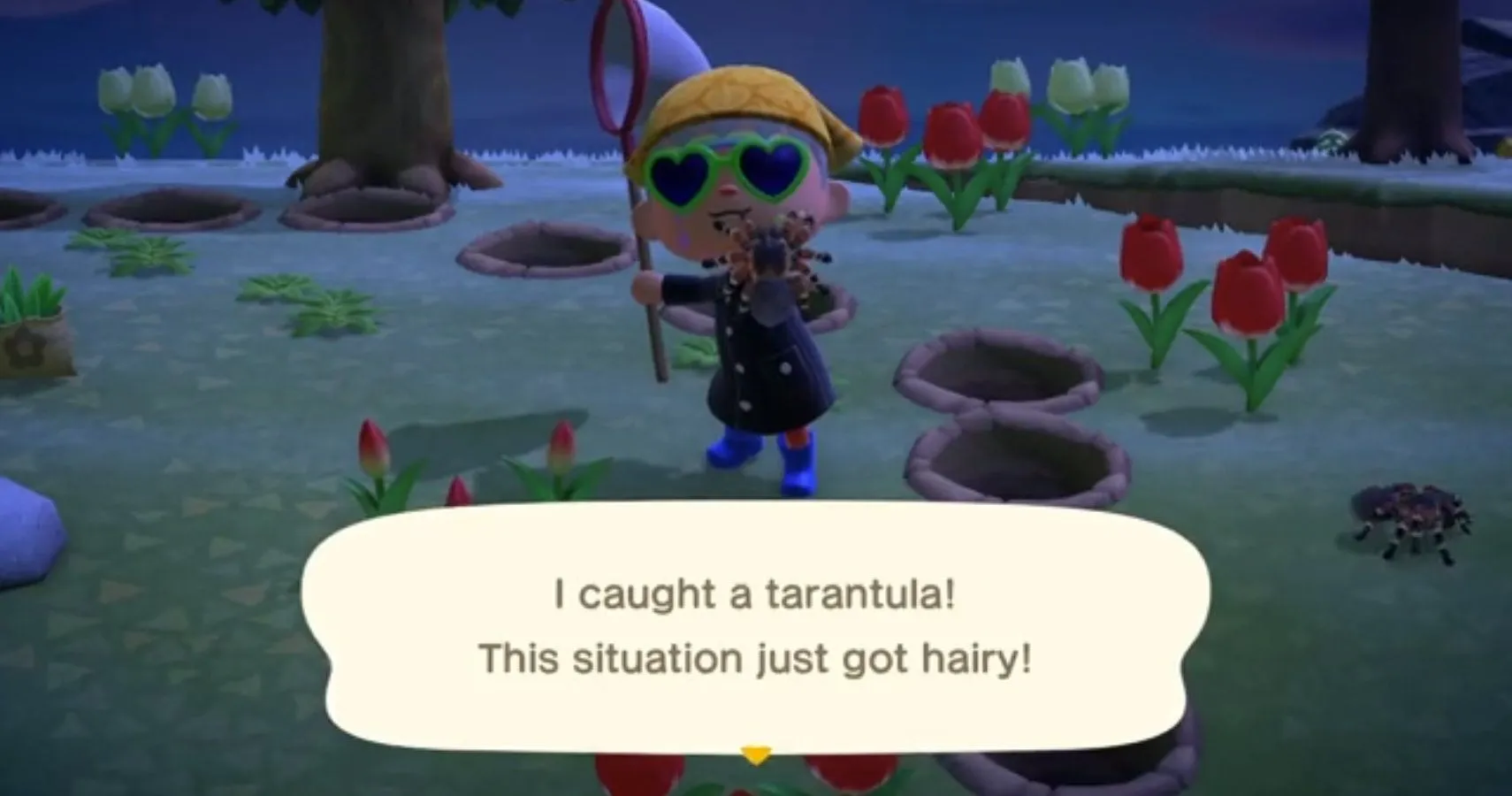
Understanding Tarantula Animal Crossing Season
Animal Crossing New Horizons provides players with the exciting opportunity to catch a variety of creatures, including the elusive tarantula. The tarantula, known for its intimidating appearance and high selling price, becomes a sought-after creature during its specific season. Successfully catching these critters requires knowledge of their behavior, the right tools, and a bit of strategy. This guide will provide you with the essential information to make the most of tarantula season, allowing you to fill your pockets with Bells and expand your museum’s collection. Understanding the timing and the environment is key to a successful hunt.
When Does Tarantula Season Start and End
Knowing the tarantula season start and end dates is crucial for planning your hunting expeditions. The season is not always the same, varying based on your game’s hemisphere setting. Therefore, you must confirm the specific dates for your region to ensure you are ready when the tarantulas arrive. Missing the season means missing out on the opportunity to catch and sell these valuable insects. Preparing in advance helps you make the most of this limited-time event. It’s wise to mark your calendar and set reminders so you do not miss out on the opportunity.
Tarantula Season in Northern Hemisphere

In the Northern Hemisphere, the tarantula season generally runs from November to April. However, the specific dates may vary slightly depending on the game’s updates. The best time to hunt is usually during the night, when tarantulas are most active. Keep an eye on your in-game calendar, and monitor the island’s activity. These months provide ample opportunities to catch tarantulas, providing you with a valuable chance to gather Bells and fill your museum’s insect exhibit. Regular check-ins and preparations are essential during this period.
Tarantula Season in Southern Hemisphere
For players in the Southern Hemisphere, the tarantula season occurs from May to October. This inverse timing offers a unique experience for players in this region. Like the Northern Hemisphere, nighttime is the prime time for tarantula sightings. During these months, players can enjoy the thrill of hunting these creatures while the weather is often more favorable for outdoor activities. Keep an eye on your island’s surroundings and stay vigilant to maximize your hunting success. Being aware of the specific start and end dates ensures you are ready to participate in this exciting aspect of Animal Crossing.
Preparing for Tarantula Hunting
Before embarking on your tarantula hunt, proper preparation is essential. This involves clearing your island to create a more favorable environment and gathering the necessary tools to maximize your chances of success. Taking the time to prepare will prevent unnecessary frustration and ensure that you can focus on catching tarantulas efficiently. Careful preparation will significantly increase your productivity and success. The more prepared you are, the more likely you will be to capture these valuable insects without difficulty.
Clearing Your Island

Tarantulas spawn randomly across your island, and other insects can interfere with their appearance. To maximize tarantula spawns, it’s beneficial to clear your island of flowers, weeds, and other items. This creates more open space, giving tarantulas more room to appear. Removing other insects also reduces the chances of unwanted spawns, such as tiger beetles and wharf roaches, which can hinder your progress. Ensure your island is as open as possible to increase the number of tarantulas you encounter. The more open your island, the easier it will be to spot and catch tarantulas.
Gathering Necessary Tools
The most essential tool for catching tarantulas is a sturdy net. Make sure you have multiple nets on hand, as they will break with repeated use. It’s also wise to have a shovel to dig holes, which can be used as defensive barriers to prevent tarantulas from reaching you. Furthermore, bring any other helpful items such as ladders and vaulting poles to access different parts of your island. Stock up on the necessary tools before you begin hunting to avoid having to interrupt your session to visit Nook’s Cranny. Being prepared with the right equipment will improve your efficiency and the success of your hunts.
The Best Times to Hunt
Tarantulas are most active at night, specifically from 7 PM to 4 AM in the game. Plan your hunting sessions accordingly. Ensure you have enough time to dedicate to the hunt, as the activity can be time-consuming. Consider bringing a friend to your island or visiting theirs to increase your chances of finding tarantulas. Coordinate with your friends to maximize your chances of encounters. The combination of the right time, the right tools, and the right strategy is crucial to a successful hunt. By planning ahead, you will increase your chances of seeing and capturing tarantulas.
Top 5 Tips for Catching Tarantulas

Catching tarantulas requires a blend of patience, strategy, and skill. Here are five expert tips to help you become a successful tarantula hunter. These tips are designed to improve your technique and prevent you from being bitten. Implementing these strategies will greatly increase your success rate. Master these tips to become a top tarantula hunter in Animal Crossing New Horizons. Following these expert tips will make your tarantula-catching experience much more effective and enjoyable.
Tip 1 Slow and Steady Approach
When you spot a tarantula, approach it slowly and deliberately. Hold down the A button to have your net ready, and move forward carefully. If the tarantula raises its front legs, stop immediately and wait for it to lower them. This indicates it’s preparing to attack. Resume your slow approach once it lowers its legs. Practice patience, and take small steps. Rushing will likely result in being bitten, which forces you to reset your progress. A slow, steady approach is the most effective strategy to avoid being bitten.
Tip 2 Using the Net Properly
Timing is critical when using your net. Once you are within striking distance, quickly release the A button to swing the net. Aim to catch the tarantula before it has a chance to attack. If the tarantula raises its legs, back up immediately, and try again when it lowers them. Practice your swings, and learn the best distance for your net. Mastering your net’s range ensures you will be successful in catching them. Proper net usage is key to successfully catching tarantulas. With practice, you can get the hang of the right timing.
Tip 3 Island Transformation
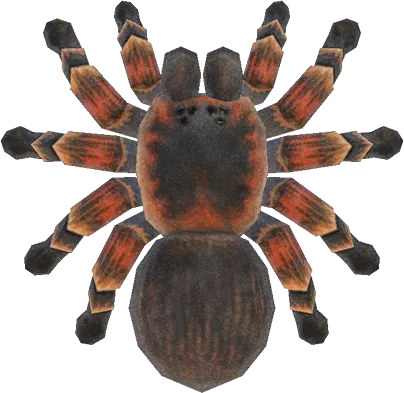
To maximize your tarantula spawns, you can transform your island into a tarantula-friendly habitat. Remove all flowers, weeds, and items. Create a small area, such as a fenced-in zone, where tarantulas can spawn more easily. Dig holes to trap tarantulas, making them easier to catch. The more you prepare your island, the higher your chances will be. Consider rearranging your island layout to optimize the spawn rate. By setting up a dedicated hunting zone, you can significantly increase your tarantula encounters.
Tip 4 Know the Tarantula Behavior
Understanding the tarantula’s behavior is crucial for successful hunting. Tarantulas will raise their front legs when they are about to attack. If you see this behavior, stop moving and wait for them to lower their legs before approaching further. Be patient and learn to recognize their warning signs. Being aware of their movements will allow you to avoid being bitten and maintain your progress. Learn their patterns and movements to increase your success rate. Knowing their behavior allows you to react quickly and improve your chances of success.
Tip 5 Selling Your Catch
Once you have caught a tarantula, you can sell it to Timmy and Tommy at Nook’s Cranny for 8,000 Bells each. They are also great for donating to Blathers at the museum. This is a fantastic way to earn Bells to pay off your home loans and buy new items. Consider selling your catch as soon as possible to maximize your earnings. Always keep at least one tarantula for your museum’s collection. Catching and selling tarantulas is an excellent way to make money in Animal Crossing New Horizons. The value of the tarantula makes it a worthwhile goal for any player.
Maximizing Your Tarantula Hunting Experience

Beyond the basic tips, there are additional strategies to maximize your tarantula hunting experience. This includes knowing what to do with your catches, and also keeping an eye out for other critters that may hinder your progress. By exploring these details, you can refine your hunting techniques and enjoy the experience even more. The more you understand the details, the better your experience. By putting in the effort, you will be a more successful hunter and have a more enjoyable experience in Animal Crossing.
What to do with Tarantulas
You have several options for the tarantulas you catch. You can sell them at Nook’s Cranny for a significant profit. You can donate them to Blathers at the museum, where they will be displayed in the insect exhibit. You can also use them as decoration by placing them in your home. Additionally, you can use them as ingredients for crafting. Decide on your course of action and make the most of your catch. Having options allows you to tailor your approach to your gameplay style. The choices are yours, so make the most of your hunting success.
Other Critters to Look Out For
While hunting for tarantulas, be aware of other insects that can disrupt your efforts. Tiger beetles and wharf roaches often spawn on your island and can interfere with the tarantula spawns. To combat this, consider clearing your island regularly. Remember to keep an eye out for scorpions, which can appear during the tarantula season. Watch out for the various types of insects that might affect your hunt. By knowing what to expect, you can better plan your strategy and ensure a successful hunting session. Keeping an eye out for these critters helps optimize your tarantula hunting experience.
Frequently Asked Questions (FAQ)

Here are some frequently asked questions about the tarantula season in Animal Crossing to help you further. The information in this FAQ can aid in any confusion that you may have. Many players often have similar questions when they start out, so do not feel alone. Below you will find answers to common questions, that will assist you in becoming a successful tarantula hunter.