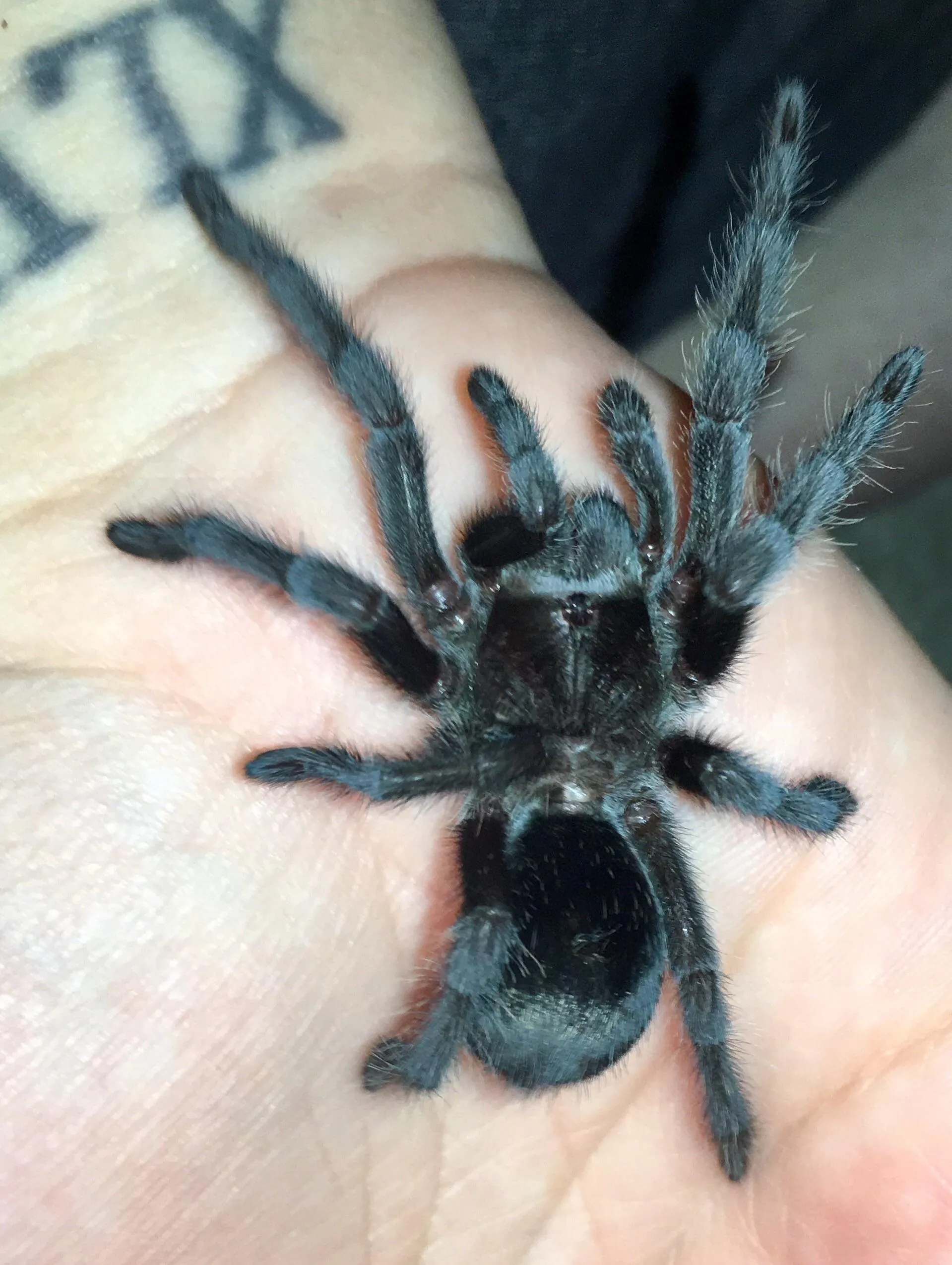
Tarantula Bad Molt Signs & Solutions
Owning a tarantula can be a fascinating experience, but it also comes with responsibilities. One of the most critical aspects of tarantula care is understanding their molting process. Molting is how these arachnids grow, shedding their exoskeleton to reveal a new, larger one. However, sometimes, things go wrong, leading to a bad molt. Recognizing the signs and knowing how to help your tarantula during this challenging time is crucial for their health and well-being. This guide will explore the key signs of a bad molt and the solutions you can implement to support your pet spider.
Recognizing the Signs of a Bad Tarantula Molt
Identifying a bad molt early on can significantly improve your tarantula’s chances of recovery. Several telltale signs indicate that something is amiss during the molting process. These signs require immediate attention and a proactive approach to ensure the tarantula’s survival. The following are some of the most common indicators, signaling you to take action. Always watch closely for anything out of the ordinary during this vulnerable time for your pet, as it is a difficult process for them that can go wrong if the environment is not ideal.
Deformed or Missing Limbs

One of the most visible signs of a bad molt is the presence of deformed or missing limbs. This can occur if the tarantula struggles to shed its exoskeleton properly. Look for legs or pedipalps that are twisted, bent, or missing entirely. This can severely impact the tarantula’s ability to move, hunt, and feed. If you notice this, it’s essential to take steps to improve conditions and observe whether your spider can recover. Sometimes, this is not a fatal outcome and, with care, the spider can return to a normal lifestyle.
Incomplete Molt
An incomplete molt means that parts of the old exoskeleton remain attached to the tarantula. This can happen in various areas, such as around the fangs, legs, or abdomen. The retained exoskeleton can restrict movement, make it difficult to eat, and create other problems. This can become more problematic if it hardens and constricts any of the tarantula’s moving parts, which can potentially lead to death if not resolved quickly. Keep a close eye on your tarantula to ensure that the molt is complete and that no pieces remain attached.
Lethargy and Loss of Appetite
Tarantulas undergoing a bad molt often exhibit lethargy and a loss of appetite. They may become less active than usual, spending most of their time in one spot and showing a lack of interest in food. This is because the molting process is stressful and energy-intensive. Moreover, if the tarantula cannot shed its exoskeleton completely, it may not be able to eat. Monitor your tarantula’s behavior and feeding habits closely, as these can be early indicators of a molting problem. This is a crucial sign to look out for.
Difficulty Extracting from Exuvia

If your tarantula struggles to extract itself from its old exoskeleton (exuvia), this is a clear sign of a bad molt. You may notice that the tarantula is stuck, unable to fully free itself from the old skin. This can be very dangerous, as the tarantula is vulnerable and unable to move properly. The longer the tarantula is stuck, the higher the risk of dehydration, injury, or death. If you see this, you must intervene carefully to assist your tarantula. Be gentle and avoid pulling on any body parts.
Unusual Coloration or Appearance
A tarantula’s coloration and overall appearance can change during a bad molt. You may notice unusual patches, discoloration, or a dull appearance to the new exoskeleton. This can be caused by issues with the molting process itself or underlying health problems. The new exoskeleton may not harden properly, leaving the tarantula vulnerable. Compare your tarantula’s current appearance to its usual coloration and note any significant changes, as this could be another clue that something is amiss. If any of these are seen, it is a cause for immediate action.
Solutions for a Tarantula Bad Molt
If you recognize the signs of a bad molt, there are several steps you can take to help your tarantula. The best solutions focus on improving the conditions and providing support during this vulnerable time. These interventions can improve the chances of a successful molt and prevent further complications. Remember, the key is to act quickly and calmly, as any unnecessary stress can worsen the situation. These solutions need to be done with the utmost care and precision to ensure the health of the tarantula.
Increase Humidity Levels

One of the most important things you can do is increase the humidity in the tarantula’s enclosure. This helps soften the old exoskeleton, making it easier for the tarantula to shed. You can achieve this by misting the enclosure with water or adding a shallow water dish. Monitor the humidity levels with a hygrometer to ensure they are within the appropriate range for your tarantula species. Be careful not to overdo it, as excessive humidity can lead to other problems, such as mold growth. Humidity control is essential to a healthy molt.
Assist the Molting Process
In some cases, you may need to gently assist the tarantula during the molting process. This should only be done if the tarantula is struggling to extract itself from the old exoskeleton. Use a soft, damp cotton swab or small paintbrush to gently encourage the exoskeleton to separate. Never pull on any body parts, as this can cause serious injury. Be patient and work slowly, allowing the tarantula to do as much of the work as possible. This should only be done if there is no other choice as it can be dangerous.
Provide a Safe and Stress-Free Environment
Minimize any disturbances in the tarantula’s environment. Reduce noise, vibrations, and any handling of the tarantula. Cover the enclosure to provide a sense of security and reduce stress. Avoid any sudden movements or changes to the enclosure’s conditions. Make sure the enclosure is in a quiet location and that no other pets can disturb the tarantula. A calm environment can make all the difference during a stressful molt.
Offer Hydration

If your tarantula is struggling to molt, it may become dehydrated. Offer a shallow water dish with fresh, clean water to ensure hydration. You can also mist the enclosure lightly to provide additional moisture. Make sure the water dish is easily accessible, and monitor the tarantula’s water intake. Dehydration can worsen a bad molt, so providing adequate hydration is crucial. This also aids in a good recovery as it supports internal functions.
When to Seek Veterinary Assistance
In severe cases, when a tarantula cannot molt, it’s best to consult a veterinarian who is experienced with exotic pets. A vet can provide professional assessment and may be able to offer more advanced care. They can also identify any underlying health issues contributing to the bad molt. Do not hesitate to seek veterinary help if the situation worsens or if you are unsure how to proceed. Early intervention can often save a tarantula’s life, so taking action is essential.
Preventing Bad Molts in Tarantulas
Prevention is always better than cure when it comes to tarantula care. Several steps can be taken to minimize the risk of bad molts. This ensures that your tarantula is as healthy and stress-free as possible. Creating the right conditions in the enclosure and ensuring the tarantula receives the proper care will minimize the chance of a bad molt. It is essential that tarantula owners should pay close attention to their pet’s molting cycle and know how to keep the environment ideal.
Maintaining Proper Humidity Levels

The correct humidity level is crucial for a successful molt. Research the specific humidity requirements for your tarantula species and maintain these levels consistently. Use a hygrometer to monitor humidity and adjust as needed. Provide a water dish and mist the enclosure regularly if the humidity is too low. Avoid excessive humidity, which can lead to mold and other problems. Keeping the humidity levels stable is a main step in a good molt.
Ensuring a Stress-Free Environment
Minimize stress in your tarantula’s environment by providing a secure and stable enclosure. Avoid excessive handling, loud noises, and vibrations. Provide plenty of hiding places and a substrate that allows the tarantula to burrow. Place the enclosure in a quiet location away from direct sunlight and drafts. A stress-free environment helps the tarantula feel secure and supports a healthy molting process. This provides the ideal conditions for the best outcome.
Providing Adequate Nutrition
A well-nourished tarantula is more likely to molt successfully. Feed your tarantula a varied diet of appropriate insects, such as crickets, roaches, and mealworms. The feeding schedule should be determined by the tarantula’s size and age, but generally, younger tarantulas will need to eat more often. Provide a balanced diet to ensure your tarantula receives all the necessary nutrients for healthy growth and molting. Avoid overfeeding, as this can lead to obesity and other health problems.
Understanding the Molting Cycle

Understanding the molting cycle is essential for responsible tarantula ownership. Familiarize yourself with the signs of an impending molt and the typical molting process for your specific species. This can help you identify problems early on and take appropriate action. Knowing how molting works, the various stages, and what to expect can help prevent potential problems and lead to the best possible outcome. This understanding will also make you a better pet owner.
In conclusion, recognizing the signs of a bad tarantula molt is crucial. By taking proactive measures to provide the best care and support during the molting process, you can significantly increase the chances of a successful molt and the continued health and well-being of your pet tarantula. Remember, patience, attention to detail, and a proactive approach are essential for responsible tarantula ownership.