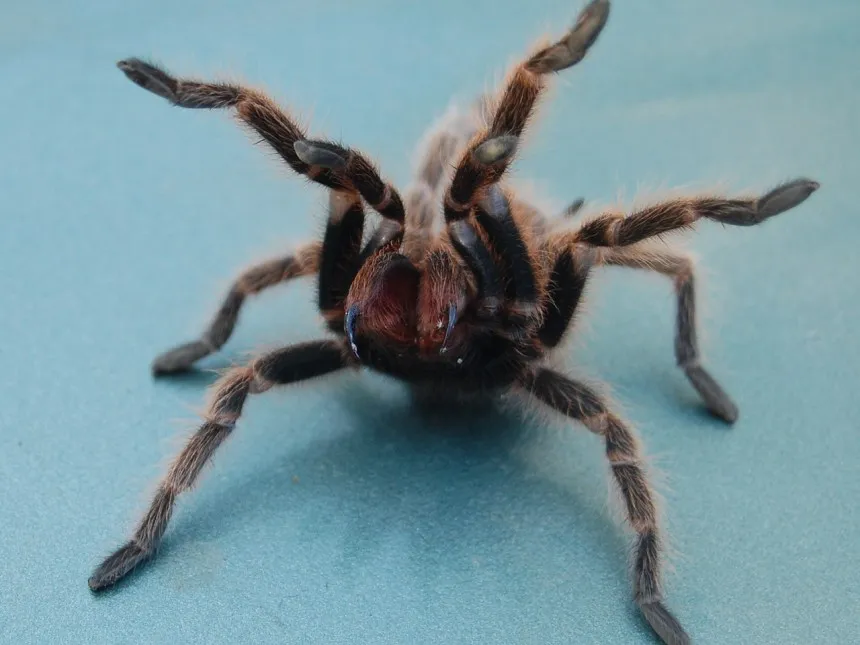
Tarantula Bites Deadly? 5 Facts
Tarantulas, with their impressive size and often hairy appearance, can be a source of both fascination and fear. While they are generally not considered deadly to humans, understanding the potential risks associated with their bites is essential. The common perception of tarantulas as extremely dangerous creatures is often exaggerated. However, their bites can cause discomfort and, in rare cases, lead to more serious complications. This article delves into five crucial facts about tarantula bites, providing a balanced view of their potential effects and the necessary precautions to take. We will explore the factors that influence bite severity, the typical symptoms, and the appropriate steps for treatment and prevention. Furthermore, we’ll address the critical question, “Can tarantula bites kill?” offering a comprehensive understanding of the topic.
Fact 1: Venom Potency Varies
The venom potency of tarantulas is not uniform across all species. Some tarantulas possess venom that is relatively mild, causing only minor localized effects, while others may have venom that induces more significant reactions. The composition of tarantula venom varies depending on the species, their diet, and environmental factors. Generally, the venom is not designed to be lethal to humans. Its primary purpose is to subdue prey, such as insects and small vertebrates. The venom typically contains a mix of enzymes, toxins, and other compounds that disrupt the nervous system or cause tissue damage in the prey. Understanding that the effects of a bite will vary depending on the tarantula species involved is crucial for gauging the potential impact.
How Tarantula Venom Affects Humans

When a human is bitten, the effects of the venom are often localized. Common reactions include pain, swelling, redness, and itching around the bite site. Some individuals may experience muscle cramps or spasms. Systemic symptoms, affecting the entire body, are less common but can include nausea, vomiting, dizziness, and in rare cases, difficulty breathing. These more severe reactions are usually seen in individuals who are allergic to the venom or who have pre-existing health conditions. The severity of the reaction can also depend on the amount of venom injected and the depth of the bite. Most tarantula bites do not require extensive medical intervention, and symptoms typically subside within a few days to a week.
Fact 2: Bite Severity Factors
Several factors influence the severity of a tarantula bite. The tarantula species is a primary determinant, as some species have more potent venom than others. The size of the tarantula and the amount of venom injected also play a role; a larger tarantula may inject more venom during a bite. The location of the bite on the body can also impact the severity, with bites on sensitive areas potentially causing more pain and swelling. The individual’s health and immune system also play a crucial part. People with allergies or pre-existing conditions may experience more severe reactions. The overall health status, age, and immune response of the individual will affect how the body reacts to the venom. Even the presence of secondary infections, due to improper wound care, can extend recovery time and increase the severity of the bite.
Tarantula Species and Bite Danger
Not all tarantula species pose the same level of threat. Some tarantulas, such as those from the Old World, are known to have more potent venom and can deliver more painful bites. In contrast, New World tarantulas generally have milder venom. However, even within the same geographic region, there can be variations in venom potency. It is important to research the specific species of a tarantula before handling it, as this will help you gauge potential risks. Keeping in mind that the venom of most tarantula species is not deadly to humans, but the bite experience can still be unpleasant, with the risk of secondary infection if not properly cared for. Also, some tarantulas have urticating hairs that can cause irritation upon contact, even without a bite.
Individual Health Impact on Bite
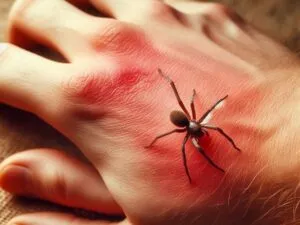
An individual’s overall health significantly impacts how they respond to a tarantula bite. People with weakened immune systems, allergies, or pre-existing conditions may experience more severe reactions. Children and the elderly can also be more vulnerable due to their less robust immune systems. Those with allergies to insect venom or other related allergens are at a higher risk of an adverse reaction. Pre-existing health conditions, such as respiratory issues, can exacerbate symptoms and increase the need for medical attention. It is crucial to consider these factors when assessing the severity of a tarantula bite and determining the necessary medical response. If you have any underlying health concerns, seek medical advice promptly after a bite.
Fact 3: Symptoms of a Tarantula Bite
The symptoms of a tarantula bite can range from mild to severe, depending on several factors, including the species of the tarantula, the amount of venom injected, and the individual’s health. Most bites result in localized symptoms that are not life-threatening. However, understanding the range of possible symptoms is essential for providing appropriate care. Recognizing the symptoms and seeking timely medical attention if necessary can significantly improve the outcome. The common symptoms usually subside within a few days or a week. In rare instances, more severe reactions may necessitate medical intervention.
Local Reactions (Pain, Swelling)
Local reactions are the most common symptoms after a tarantula bite. These usually include immediate pain at the bite site, which can vary in intensity from mild discomfort to sharp pain. Swelling and redness around the bite are also typical, as the body’s immune system responds to the venom. Itching and a burning sensation may also be present. In some cases, the affected area can become hard to the touch and slightly warm. These local reactions typically resolve within a few days to a week with proper care, such as cleaning the wound and applying cold compresses. Keeping an eye on the affected area for any signs of infection is important. Although not life-threatening, they can cause significant discomfort.
Systemic Reactions (Rare, Serious)

Systemic reactions are less common but can be more serious. These occur when the venom affects the entire body, rather than just the bite site. Symptoms may include nausea, vomiting, dizziness, and headache. Some individuals may experience muscle cramps or spasms, which can be quite painful. In rare cases, more severe reactions such as difficulty breathing, rapid heartbeat, or loss of consciousness may occur. These systemic reactions often indicate an allergic response to the venom or underlying health issues. It’s crucial to seek immediate medical attention if such symptoms develop to prevent severe complications. Prompt medical care can significantly reduce the risk of serious health outcomes.
Fact 4: Bite Treatment and First Aid
Prompt and appropriate first aid and medical treatment are crucial in managing tarantula bites. Following the correct procedures can help minimize symptoms, prevent complications, and ensure a safe recovery. Understanding the necessary steps to take immediately after a bite and knowing when to seek professional medical attention can significantly improve the outcome. The goals of first aid are to reduce the spread of the venom, alleviate pain, and prevent infection. Medical treatment may be required for those who experience severe or systemic reactions. Proper care can help speed up recovery.
Immediate Steps After a Bite
The first step after a tarantula bite is to stay calm. Then, gently clean the bite area with soap and water to remove any venom or debris. Apply a cold compress or ice pack to the bite site to reduce pain, swelling, and inflammation. Elevate the affected limb, if possible, to help minimize swelling. Avoid squeezing or sucking the wound, as this is ineffective. Monitor the individual for any signs of an allergic reaction or systemic symptoms, such as difficulty breathing or dizziness. If the person has any underlying health conditions or experiences severe symptoms, seek medical attention immediately. Keeping a record of when the bite occurred, the species of the tarantula if known, and any symptoms that develop can be helpful for healthcare providers.
Medical Attention When Needed

Seek medical attention immediately if the person bitten exhibits any systemic symptoms, such as difficulty breathing, rapid heartbeat, dizziness, nausea, or vomiting. If the bite is from a tarantula known to have potent venom, or if the individual has any pre-existing health conditions or allergies, medical evaluation is also recommended. A healthcare professional can assess the bite, provide appropriate treatment, and monitor the individual for any complications. This treatment may include pain relief medication, antihistamines to reduce allergic reactions, or, in rare cases, antivenom if available and appropriate. Medical professionals can also help prevent secondary infections by ensuring the wound is cleaned and cared for correctly. Do not hesitate to seek medical help if you are concerned about the bite’s severity.
Fact 5: Can Tarantula Bites Kill?
The question of whether tarantula bites can kill is a common concern. The good news is that, in most cases, tarantula bites are not fatal to humans. However, there are certain factors that can increase the risk of complications. While the venom of most tarantulas is not lethal, it can cause discomfort and, in rare cases, serious health issues. Being aware of the risk factors and understanding the overall mortality rate of tarantula bites helps to provide a realistic perspective on the potential dangers. While the risk is generally low, taking the proper precautions and knowing how to react if bitten remains essential.
Risk Factors for Fatalities
Several risk factors can potentially increase the severity of a tarantula bite and, in extremely rare cases, lead to fatalities. Pre-existing health conditions, such as severe allergies or respiratory problems, can exacerbate the effects of the venom. Those with weakened immune systems may also be more vulnerable. Children and the elderly are typically more susceptible to severe reactions due to their less developed or diminished immune responses. Additionally, bites from certain tarantula species with more potent venom pose a higher risk. Secondary infections resulting from improper wound care can also lead to complications and increase the risk of serious health issues. While fatalities are extremely rare, understanding these risk factors is important for assessing the potential danger.
Overall Mortality Rate of Bites

The overall mortality rate from tarantula bites is exceptionally low. Most bites result in mild to moderate symptoms that can be managed with proper first aid and medical treatment. There are very few documented cases of death directly attributable to tarantula bites. Fatalities are typically associated with severe allergic reactions, pre-existing health conditions, or secondary infections. The actual risk is often lower than the perceived risk. The focus should be on understanding the potential for complications, practicing appropriate safety measures when handling tarantulas, and seeking prompt medical attention if necessary. The rarity of fatalities demonstrates that tarantula bites are generally not a significant threat to human life.