What are Tarantulas and Why Bites Happen
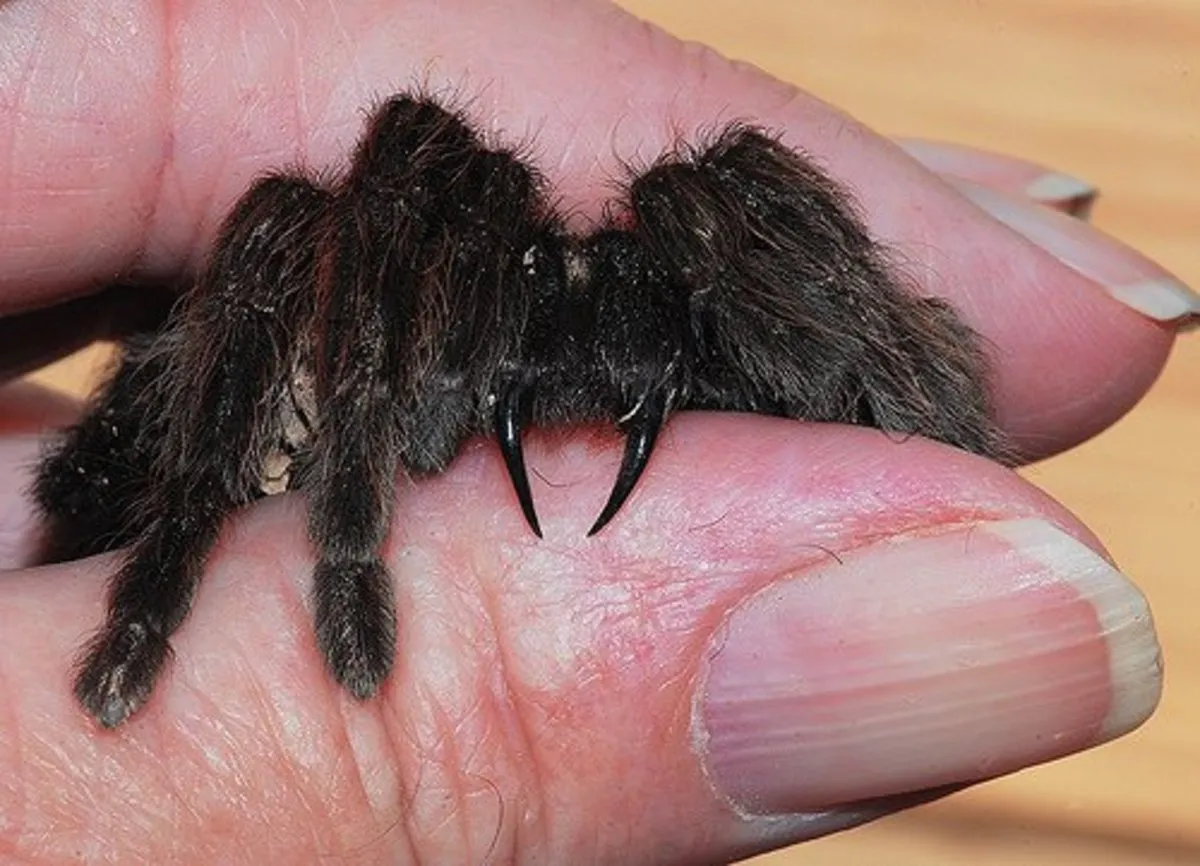
Tarantulas, large and often hairy spiders, are found in various regions worldwide. While their imposing size can be intimidating, their venom is generally not considered highly dangerous to humans. However, the impact of a tarantula bite on a dog can vary significantly. Bites occur when a dog accidentally provokes a tarantula, such as by sniffing or pawing at it. The spider defends itself by biting and injecting venom. Understanding the nature of tarantulas, their habitats, and how they interact with dogs is crucial for pet owners. Different tarantula species have varying levels of venom potency, and the dog’s size and overall health also play a role in the severity of the reaction. Educating yourself about these factors can help you prepare for potential encounters and ensure your dog’s safety.
Tarantula Bite Symptoms in Dogs
Recognizing the symptoms of a tarantula bite is essential for providing timely care to your dog. Symptoms can range from mild to severe, depending on the amount of venom injected and the dog’s sensitivity. The symptoms can manifest as either local reactions, which are localized to the bite area, or systemic reactions, which affect the entire body. It’s important to be vigilant and monitor your dog closely after a potential bite, as early detection and intervention can significantly improve their outcome. Knowing what to look for can make the difference between a quick recovery and a more serious health issue. Familiarize yourself with the common signs to ensure you can take immediate action.
Local Reactions

Local reactions are the most common and often the mildest signs of a tarantula bite. These reactions typically occur at the site of the bite and may include symptoms like redness, swelling, and pain. The affected area might be sensitive to the touch, and your dog might exhibit behaviors indicating discomfort, such as licking, scratching, or avoiding putting weight on the area. In some cases, you might notice a small puncture wound or a raised bump where the bite occurred. It is important to monitor the area for any signs of infection or worsening symptoms. While local reactions are usually not life-threatening, they can still cause significant discomfort for your dog, requiring prompt attention to alleviate their pain.
Systemic Reactions
Systemic reactions indicate that the venom has spread throughout the dog’s body, leading to more severe symptoms. These reactions require immediate veterinary attention. Symptoms can include difficulty breathing, excessive drooling, muscle tremors, vomiting, diarrhea, or even collapse. Your dog might appear weak, lethargic, and disoriented. In severe cases, systemic reactions can lead to more serious complications such as paralysis or organ damage. Recognizing these signs and acting quickly can be critical for your dog’s survival. If you suspect your dog is experiencing a systemic reaction, transport them to a veterinarian as quickly and safely as possible.
First Aid for Tarantula Bites on Dogs
Immediate action following a tarantula bite can significantly influence your dog’s recovery. The goals of first aid are to minimize the venom’s effects and keep your dog comfortable until professional veterinary care is available. Proper handling of the situation can prevent the worsening of symptoms and potentially save your dog’s life. The steps you take in the initial moments following a bite can make a huge difference. Always remember to prioritize your safety first; never put yourself in danger while assisting your pet. Stay calm and act decisively to ensure your dog receives the best possible care.
Immediate Steps

The first steps you take are crucial. Begin by keeping both yourself and your dog safe. If you can, gently restrain your dog to prevent them from scratching or further aggravating the bite area. If possible, identify the tarantula to inform the vet. Then, gently clean the bite area with mild soap and water to remove any remaining venom or debris. Apply a cold compress to the bite site to help reduce swelling and pain. Monitor your dog closely for any signs of a systemic reaction, such as difficulty breathing or weakness. Contact your veterinarian immediately for further guidance. Keep your dog calm and quiet, and avoid giving any medications unless specifically instructed by a vet.
When to Seek Veterinary Care
Knowing when to seek veterinary care is essential. If you observe any signs of a systemic reaction, immediate veterinary attention is necessary. These signs can be difficulty breathing, collapse, or extreme lethargy. Even if the initial symptoms appear mild, it is always advisable to consult your vet, especially if you are unsure about the type of spider or the severity of the bite. The vet can assess the situation, provide appropriate treatment, and monitor your dog’s progress. Early intervention can prevent more severe complications and ensure a quicker recovery. Do not hesitate to seek professional help if you have any concerns about your dog’s health.
Veterinary Treatment and Diagnosis
Once you reach the vet, they will conduct a thorough examination to assess the severity of the tarantula bite and determine the best course of action. This process typically involves diagnostic methods to evaluate the dog’s condition and treatment options to alleviate symptoms and promote healing. Vets are equipped with the knowledge and resources to properly diagnose and treat tarantula bites. They’ll focus on stabilizing your dog, relieving discomfort, and preventing complications. The vet’s expertise is crucial for ensuring your pet’s well-being and a smooth recovery.
Diagnosis Methods

The veterinarian will begin with a physical examination to assess the dog’s vital signs and look for visible signs of the bite and any reactions. They might ask about the circumstances of the bite and any symptoms you’ve observed. Diagnostic tests, such as blood work, may be performed to assess the dog’s overall health and check for any systemic effects of the venom. If available, identifying the tarantula can assist in the diagnosis. This helps the vet to understand the potential toxicity of the venom. All of these diagnostic methods help the vet in determining the extent of the problem and plan the appropriate treatment.
Treatment Options
Treatment options will depend on the severity of the bite and the dog’s condition. The vet will often administer medications to manage pain, reduce inflammation, and combat any systemic effects. This might include antihistamines, corticosteroids, or, in some cases, antivenin if available. Intravenous fluids may be given to support hydration and maintain blood pressure. The vet may also provide supportive care such as oxygen therapy if the dog is experiencing breathing difficulties. In cases of severe reactions, the dog might need hospitalization for close monitoring and intensive care. The veterinarian will tailor the treatment plan to your dog’s specific needs to provide the best chance of a full recovery.
Preventing Tarantula Bites on Your Dog
Prevention is always better than cure. Reducing the risk of tarantula bites on your dog involves understanding tarantula behavior, habitat, and proactive measures. These preventative steps will help you protect your dog and minimize the chances of encountering these spiders. Protecting your pet starts with creating a safe environment and educating yourself about potential hazards. This also reduces the need for emergency visits to the vet. Implementing these preventative measures can provide you with peace of mind and contribute to a healthier, safer environment for your dog.
Identifying Tarantulas in Your Area

Knowing which tarantulas live in your area is an important first step in prevention. Research the local species and their typical habitats to become familiar with their appearance and behavior. Learn when they are most active, often during warmer months or specific times of day. Look for signs of their presence, such as burrows or webs. You can find this information online. Being able to recognize tarantulas can help you avoid areas where they are likely to be found and take extra precautions when walking your dog in those areas. Knowing your local environment is a practical way to help protect your pet from potential harm.
Dog Training and Behavior
Training and behavioral adjustments can reduce the likelihood of your dog encountering tarantulas and being bitten. Teach your dog to stay away from potential hazards, such as areas with dense vegetation or burrows. Leash your dog when walking in areas where tarantulas are known to be present. Supervise your dog closely, especially during nighttime or early morning walks when tarantulas are more active. Reinforce commands such as “leave it” to discourage your dog from investigating or approaching potentially dangerous objects. Training and constant supervision can help make your dog less likely to encounter a tarantula. It’s always better to be proactive, so the training your dog can receive is priceless.
Additional Tips
Here are a few extra tips to help keep your dog safe. Keep your yard clean and free of debris, which can attract tarantulas. Seal any cracks or openings in your home or outdoor structures where tarantulas could potentially enter. Consider using pet-safe insect repellents if you live in an area with a high tarantula population. Regularly inspect your dog for any signs of bites or unusual behavior, especially after outdoor adventures. Share these tips with friends, family, and other pet owners to create a community-based approach to tarantula bite prevention. A proactive and informed approach will help protect your furry friend.
Debunking Tarantula Bite Myths

It’s important to separate facts from fiction when dealing with tarantula bites. One common myth is that all tarantula bites are deadly. In reality, while painful, most tarantula bites are not life-threatening to dogs. Another myth is that all tarantulas inject a large amount of venom. The amount of venom varies by species and the bite itself. Furthermore, some believe that home remedies are always sufficient for treatment. This is false; prompt veterinary care is crucial, particularly if your dog shows signs of a systemic reaction. Knowing the truth can help you make informed decisions and provide the best care for your pet.