What Are Tarantulas?
Tarantulas are large, hairy spiders belonging to the Theraphosidae family. These impressive arachnids are known for their size, with some species having leg spans exceeding 10 inches. They are found in various habitats around the world, including the Americas, Africa, Asia, and Australia. Tarantulas are generally nocturnal hunters, feeding on insects, small reptiles, and even small mammals. Despite their intimidating appearance, most tarantulas are relatively harmless to humans, although their bite can be painful. Understanding tarantulas involves learning about their behavior, habitat, and the potential risks associated with them. These fascinating creatures play a vital role in their ecosystems.
Texas Brown Tarantula Overview
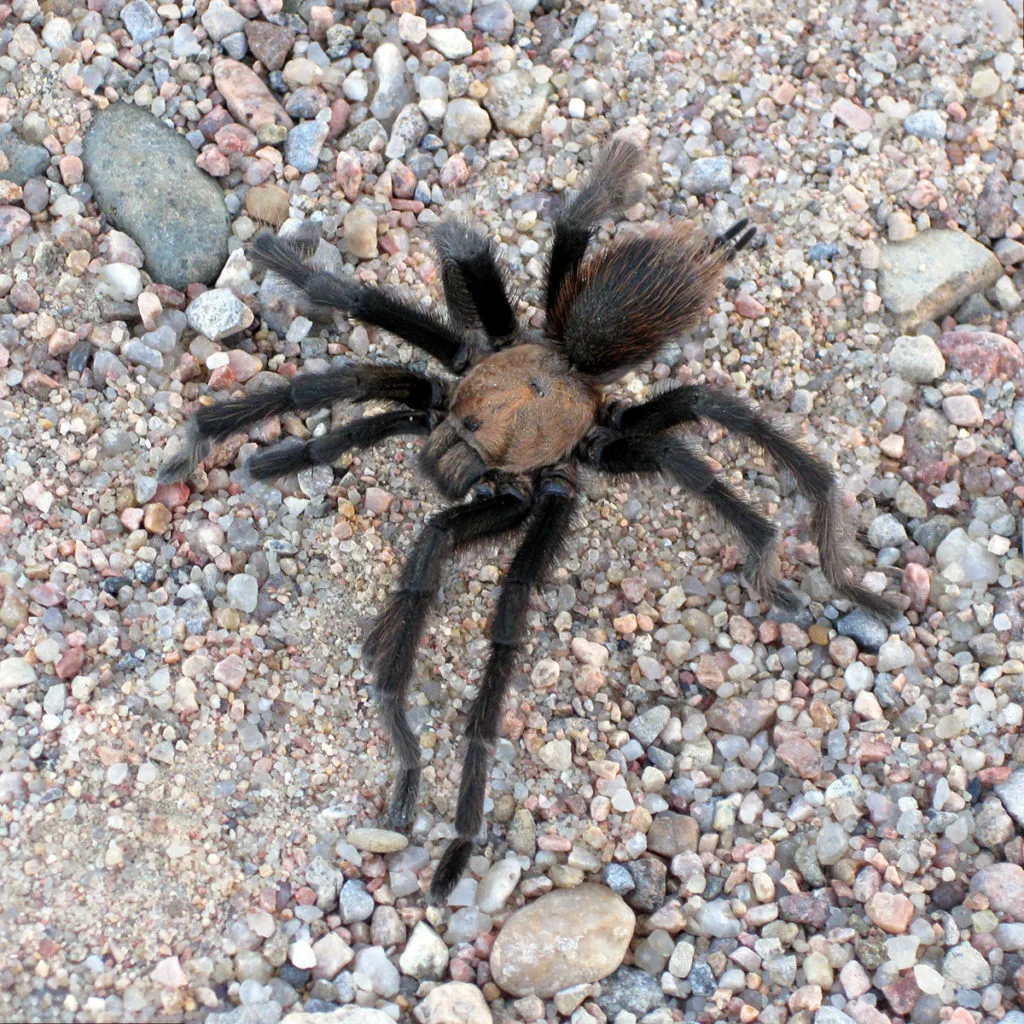
The Texas brown tarantula (Aphonopelma hentzi) is a common species found in the southwestern United States, particularly in Texas. These spiders are a terrestrial species, meaning they live on the ground, often in burrows. They are typically brown in color, hence their name, and have a hairy appearance. The Texas brown tarantula is relatively large, with females often reaching a leg span of up to five inches. They are generally docile spiders, but can bite if provoked. They play a crucial role in their ecosystem by controlling insect populations. The Texas brown tarantula’s life cycle, behavior, and interactions with other animals are essential elements of understanding this fascinating spider.
Habitat and Appearance of Texas Brown Tarantulas

Texas brown tarantulas are native to the grasslands, prairies, and deserts of Texas and neighboring states. They construct burrows in the ground, often under rocks, logs, or other debris, to provide shelter from the elements and a place to ambush prey. The burrows can be quite extensive, with a network of tunnels. These spiders are typically brown or tan, with a hairy body and legs. Their size can vary depending on age and sex, but adult females are generally larger than males. The females can live for many years, while males usually die after mating. Their coloration helps them blend in with their surroundings, making them effective hunters. Their physical characteristics and habitat are key aspects of the Texas brown tarantula’s survival.
Are Texas Brown Tarantulas Poisonous?
The term “poisonous” refers to something that is harmful when ingested, inhaled, or absorbed through the skin. Tarantulas, including the Texas brown tarantula, are not poisonous. Instead, they are venomous. They inject venom through their fangs when they bite. This venom is a complex mixture of proteins and other substances that can cause localized pain, swelling, and other symptoms. While the venom is not usually life-threatening to humans, it can still cause discomfort. Understanding the difference between poisonous and venomous is crucial when discussing the potential dangers of animals like the Texas brown tarantula. It’s their venom that poses a threat, not poison.
The Difference Between Venom and Poison
The terms “venomous” and “poisonous” are often used interchangeably, but they have distinct meanings. A poisonous animal secretes toxins that are harmful when ingested, inhaled, or absorbed through the skin. Examples include poison ivy or certain types of frogs. A venomous animal, on the other hand, injects toxins into its victim through a bite or sting. Snakes, spiders, and scorpions are examples of venomous animals. The key difference lies in the method of delivery. Poisonous animals passively deliver their toxins, while venomous animals actively inject them. This distinction is important for understanding the risks associated with different types of animals and how to handle them safely.
Venom Composition of Texas Brown Tarantulas

The venom of the Texas brown tarantula is a complex mixture of various proteins, enzymes, and other substances. These components work together to cause the effects of the bite. The primary purpose of the venom is to immobilize prey, such as insects, and to begin the digestive process. The exact composition of the venom can vary depending on factors such as the spider’s age, diet, and environmental conditions. While not considered highly toxic to humans, the venom can still cause pain, swelling, and localized inflammation. Research on tarantula venom is ongoing, with scientists studying its potential applications in medicine and other fields. Understanding the composition of the venom is crucial for developing effective treatments for bites.
Severity of Texas Brown Tarantula Bites
The severity of a Texas brown tarantula bite is generally considered to be mild. The venom is not highly toxic to humans, and bites are rarely life-threatening. However, the bite can be painful due to the mechanical injury from the fangs and the effects of the venom. Symptoms typically include localized pain, swelling, redness, and itching at the bite site. Some people may experience muscle cramps or nausea. The severity of the bite can also vary depending on the amount of venom injected and the individual’s sensitivity. In most cases, the symptoms will resolve within a few hours or days with proper care. Seeking medical attention is generally not required unless symptoms are severe or persist for an extended period.
Symptoms of a Texas Brown Tarantula Bite
Symptoms of a Texas brown tarantula bite typically appear soon after the bite occurs. The most common symptom is immediate pain at the bite site, which can range from a mild sting to a more intense throbbing sensation. Swelling and redness around the bite are also common, along with itching. Some individuals may experience muscle cramps or spasms. In rare cases, more severe symptoms such as nausea, vomiting, or difficulty breathing may occur, especially if an allergic reaction is present. If these more severe symptoms develop, it is essential to seek immediate medical attention. Most symptoms, however, will subside within a few hours or days. Observing the symptoms and monitoring for any adverse reactions is very important after being bitten by a Texas brown tarantula.
Treating a Texas Brown Tarantula Bite

Treating a Texas brown tarantula bite typically involves simple first aid measures. The first step is to wash the bite site thoroughly with soap and water. Applying a cold compress or ice pack to the area can help reduce pain and swelling. Over-the-counter pain relievers, such as ibuprofen or acetaminophen, can be taken to manage pain. Elevating the affected limb can also help minimize swelling. It’s important to avoid scratching the bite site, as this can increase the risk of infection. In most cases, these measures are sufficient to manage the symptoms. If symptoms are severe or worsen, or if an allergic reaction is suspected, it is essential to seek medical attention. Proper care will help minimize the discomfort and speed up recovery.
Home Remedies for a Texas Brown Tarantula Bite
Several home remedies can help alleviate the symptoms of a Texas brown tarantula bite. Applying a cold compress or ice pack to the bite site can help reduce pain, swelling, and inflammation. Elevating the affected limb can also minimize swelling. Keeping the bite site clean and dry is important to prevent infection. Some people find relief by applying a paste of baking soda and water to the bite. Over-the-counter antihistamines may help reduce itching. However, if symptoms are severe or persist, it’s essential to consult a healthcare professional. While home remedies can provide relief, they are not a substitute for medical attention if needed. Always monitor the bite site for any signs of infection or allergic reaction.
Preventing Tarantula Bites
Preventing tarantula bites involves taking precautions when in areas where these spiders are present. The best way to avoid a bite is to avoid contact with tarantulas. If you are working outdoors in areas where tarantulas may be present, wear long sleeves, long pants, and gloves. Be cautious when reaching into burrows, under rocks, or into dark, sheltered areas. Avoid handling tarantulas unless you are a trained professional. Teach children about tarantulas and the importance of not disturbing them. If you encounter a tarantula, observe it from a safe distance. By taking these preventative measures, you can significantly reduce the risk of a tarantula bite and ensure your safety.
Where Do Texas Brown Tarantulas Live?

Texas brown tarantulas are primarily found in the southwestern United States, particularly in the state of Texas. They inhabit a variety of habitats, including grasslands, prairies, and deserts. They are terrestrial spiders, meaning they live on the ground, and are often found in burrows that they dig themselves or repurpose from other animals. These burrows provide shelter from the sun and predators. Their distribution is influenced by factors such as climate, vegetation, and the availability of prey. They are most active during the warm months and less active during the winter. Knowing their habitat helps in understanding their behavior and in taking precautions in areas where they are commonly found.
The Texas Brown Tarantula’s Diet
Texas brown tarantulas are primarily carnivores, with their diet consisting mainly of insects and other invertebrates. They are opportunistic hunters, meaning they will eat whatever they can catch. Common prey items include crickets, grasshoppers, beetles, and other spiders. They may also occasionally feed on small vertebrates, such as lizards or small rodents. They use their fangs to inject venom into their prey, which paralyzes it and begins the digestive process. The tarantula then uses enzymes to liquefy the prey’s tissues, making it easier to consume. The diet of the Texas brown tarantula plays a critical role in controlling the populations of insects and other invertebrates in their environment. They are a very beneficial predator.
How to Identify a Texas Brown Tarantula
Identifying a Texas brown tarantula involves recognizing its key characteristics. They typically have a brown or tan coloration, with a hairy body and legs. Adult females can have a leg span of up to five inches. Look for a large, robust spider with a distinct body shape, with a cephalothorax (fused head and thorax) and an abdomen. They usually have a docile demeanor but can be aggressive if threatened. Their burrows are often found in the ground. The best way to identify them is by their general appearance and their habitat, particularly in the southwestern United States. Careful observation and knowledge of the spider’s behavior are crucial in identification.
Conclusion

In conclusion, while the Texas brown tarantula is a venomous spider, it is not poisonous. Its bite can be painful and cause localized symptoms, but it is generally not life-threatening to humans. Understanding the difference between venom and poison is essential when discussing tarantulas. Taking precautions, such as wearing protective clothing and avoiding contact with tarantulas, can minimize the risk of a bite. If bitten, washing the site, applying a cold compress, and using over-the-counter pain relievers can help manage the symptoms. By learning about the Texas brown tarantula, we can better appreciate these fascinating creatures and take steps to coexist with them safely.